


Secondary sourceBook1921
The Rhythm of Life, Based on the Philosophy of Lao-Tse
Henri Borel · 1921
A 1921 book by Henri Borel offering a free interpretation of Laozi's philosophy of Wu-Wei, rather than a direct translation.
This 1921 book reinterprets Laozi's concept of Wu-Wei for Western readers, showing his long-lasting intellectual influence.
About this source
What it is
This is a book written by Henri Borel, translated from Dutch into English by M. E. Reynolds, and published in London in 1921 as part of a 'Wisdom of the East' series. In his preface, Borel states clearly that the work is not a translation of Laozi's writings but his own elaboration on the idea of 'Wu-Wei,' built from a few of Laozi's core principles.
Why it matters
The book shows how, centuries later, Western writers like Borel engaged with and reinterpreted Laozi's ideas for new audiences, sometimes departing quite far from the original text. It is useful for understanding the reception and spread of Taoist ideas in the early 20th century, more than for understanding Laozi himself.
Look closer
- Why does Borel feel it necessary to explain in his preface that this is not a direct translation?
- What does it mean that a writer bases a whole book on
This book is part of the curated material that grounds the AI version of Laozi on Humy.ai — when students ask about related events, the AI can quote it and cite it.
More Laozi sources
Meet the AI Laozi →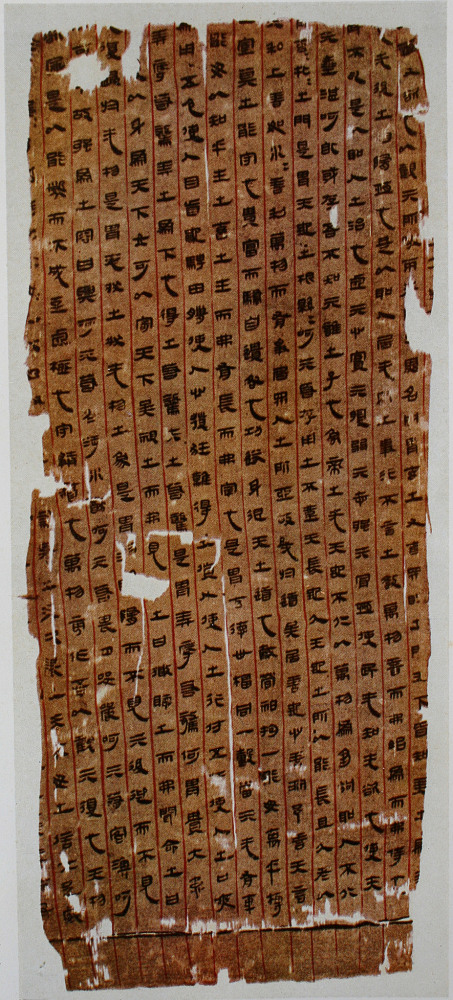 Book
Secondary source
Tao Te Ching
Laozi · c. 4th-3rd century BCE
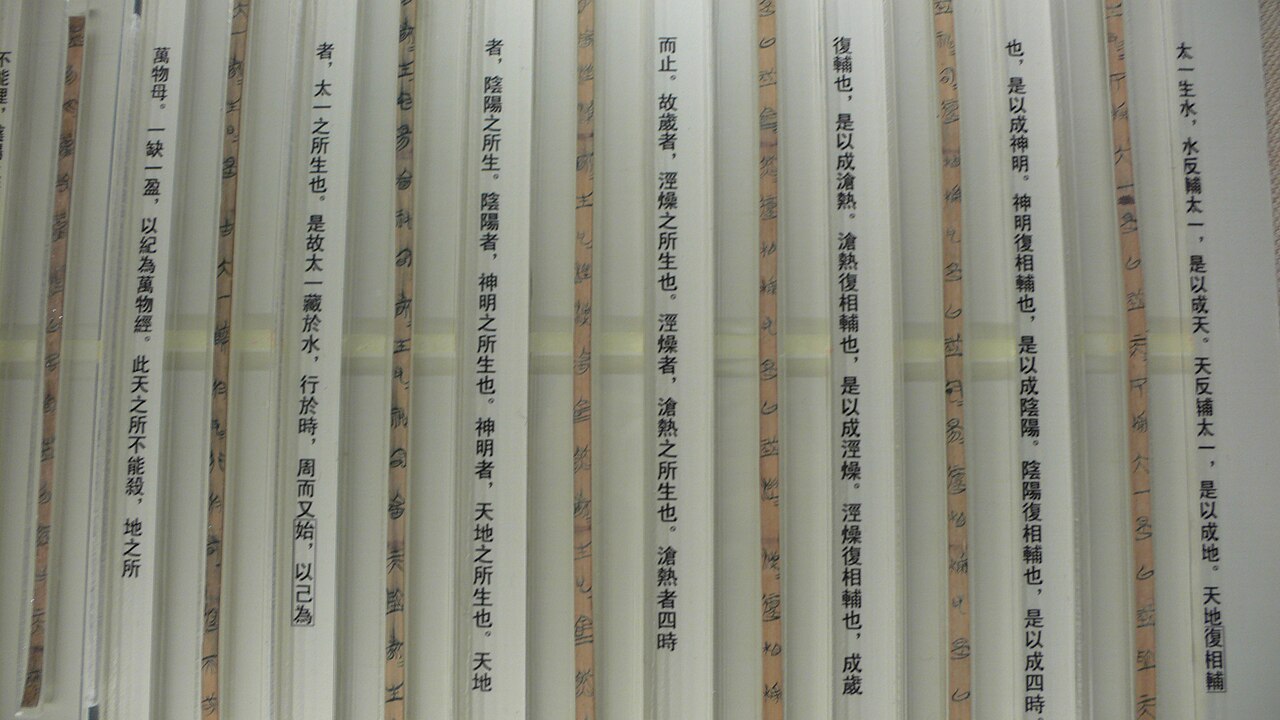 Artifact
Primary source
Bamboo Texts of Guodian
c. 300 BCE
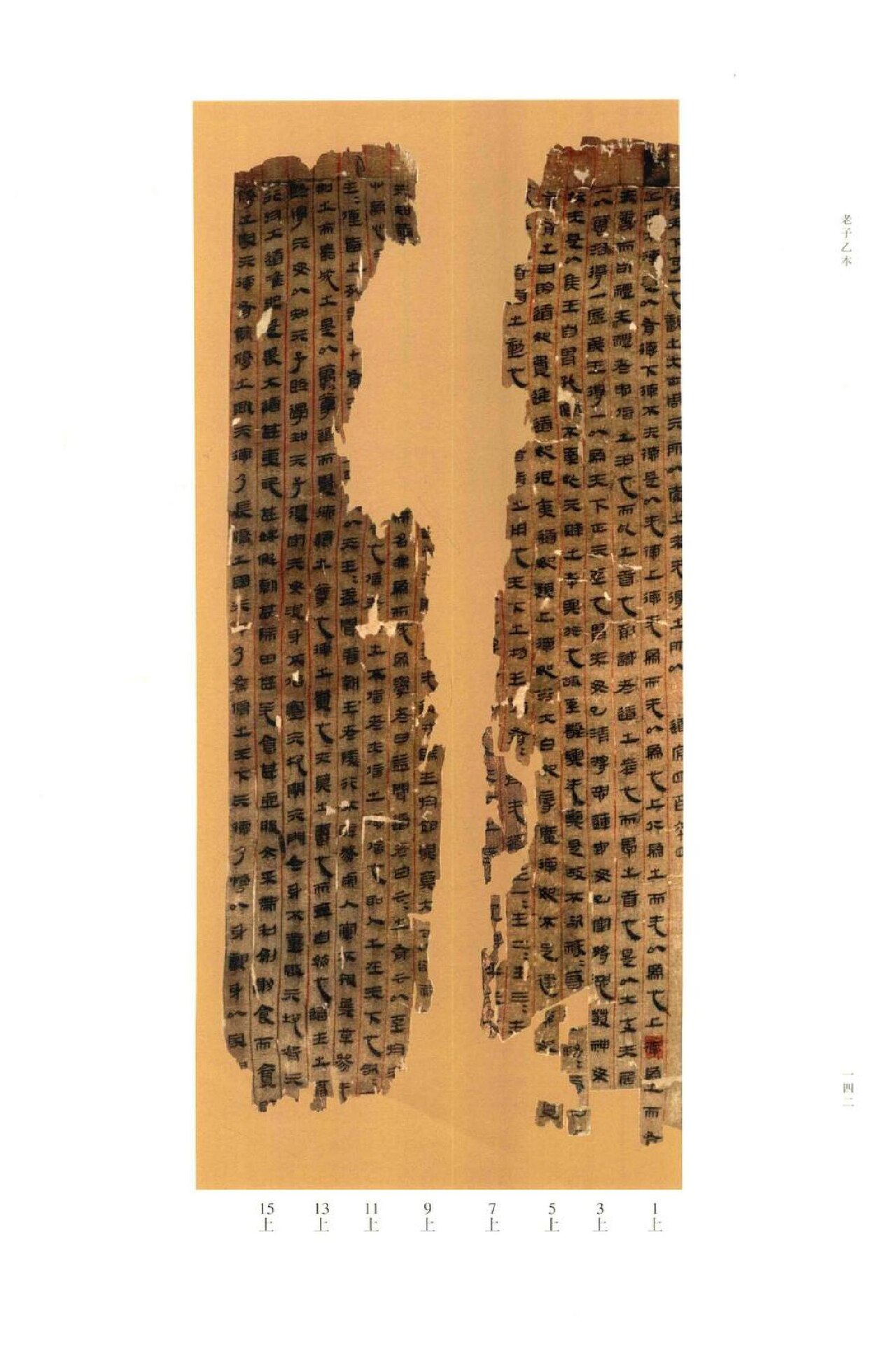 Book
Primary source
Mawangdui Silk Texts of the Laozi
Anonymous Han scribes · c. 200-168 BCE
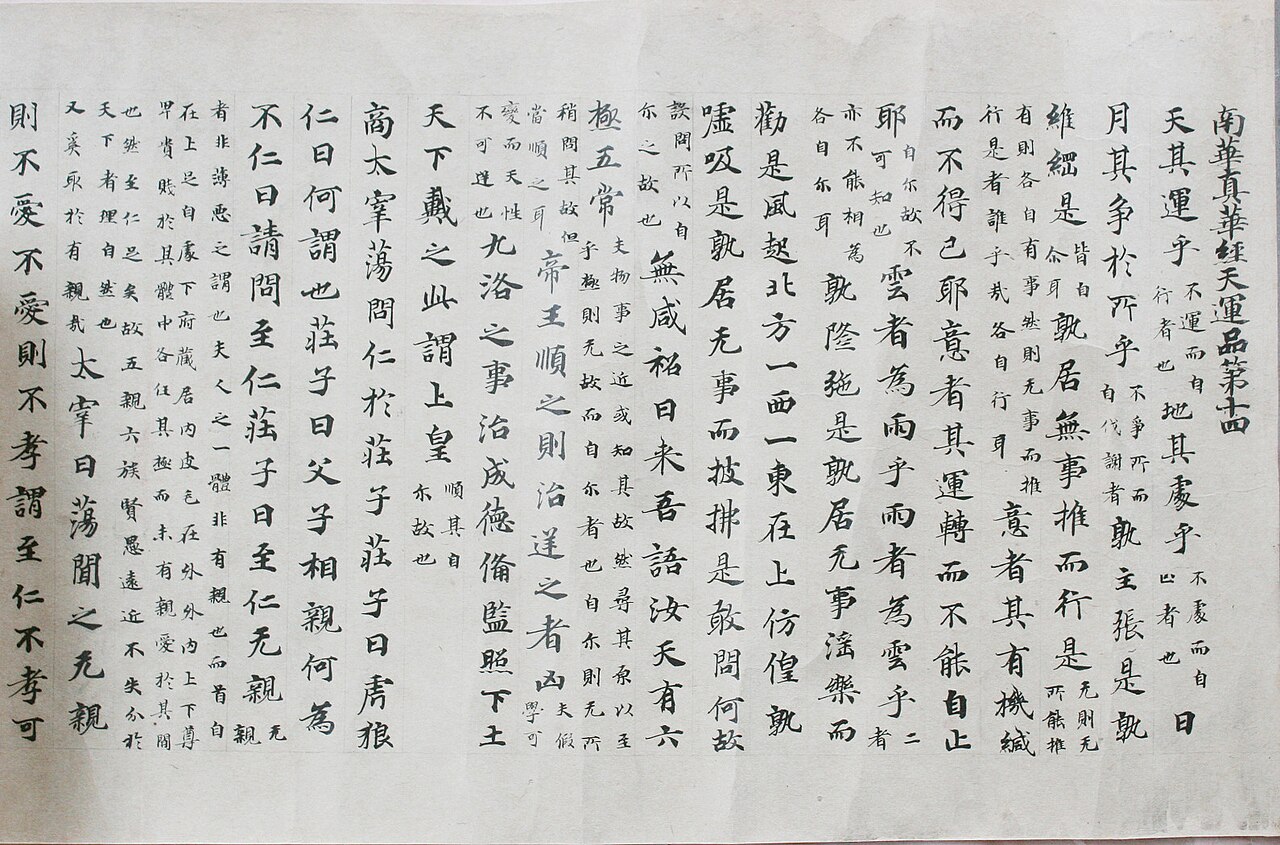 Book
Secondary source
Zhuangzi
Zhuang Zhou · c. 300 BCE
 Painting
Secondary source
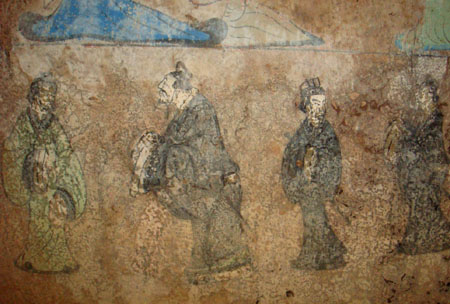
Confucius and Laozi fresco, Dongping tomb
Anonymous Chinese painter of the Western Han period · Western Han period, c. 2000 years old
Ready when you are
Start chatting with Laozi now.
20 messages free · No credit card · Available in 50+ languages.