


Primary sourcePaintingc. 1707
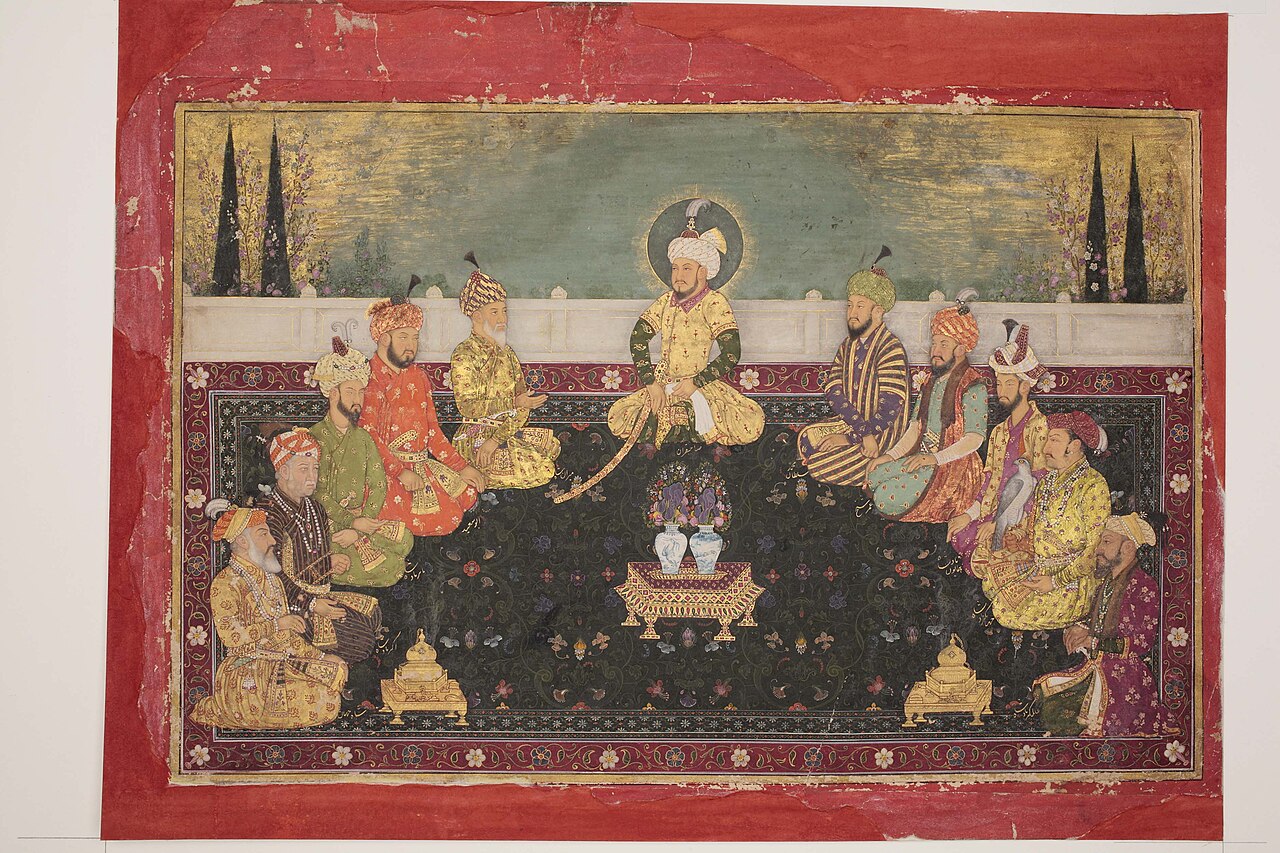
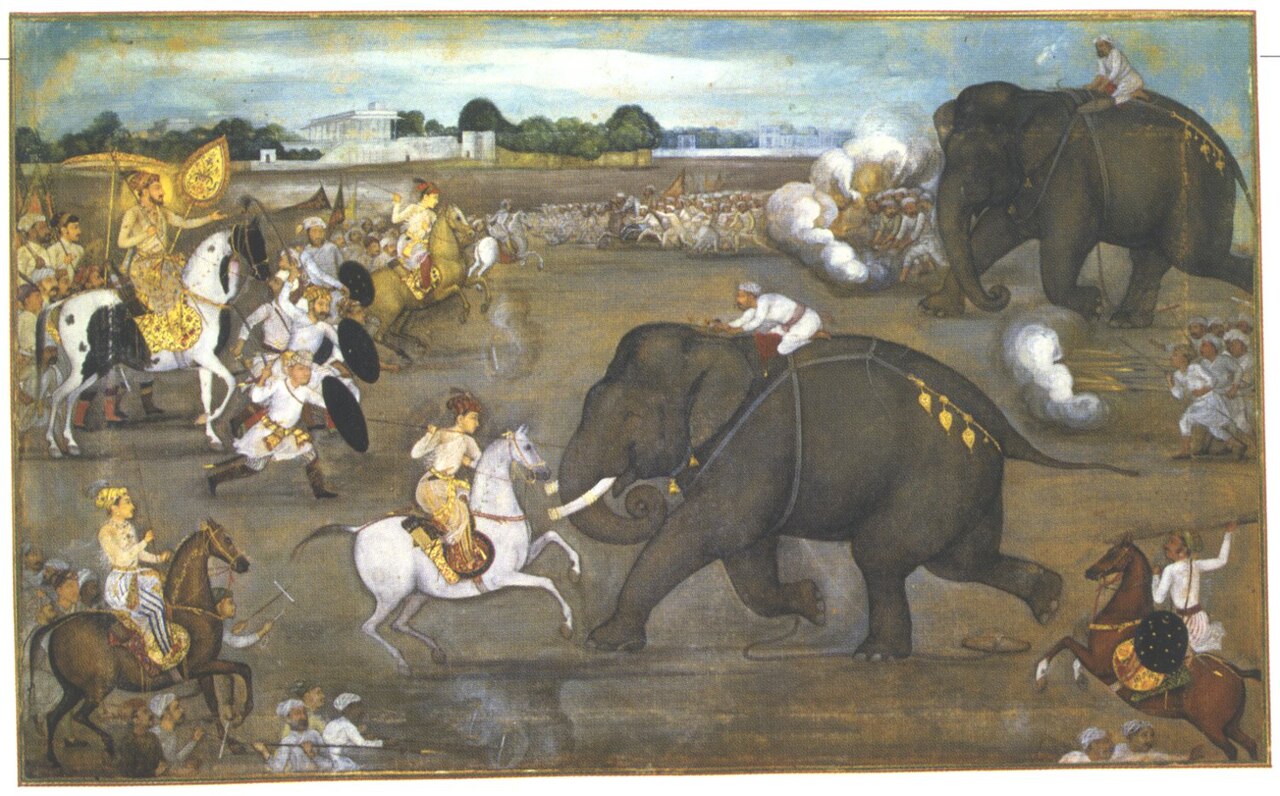
The Rulers of the Mughal Dynasty from Babur to Aurangzeb, with their Ancestor Timur
Bhavanidas · c. 1707
A dynastic group portrait painted around 1707 showing Aurangzeb at the end of a line of Mughal rulers descending from Timur.
Aurangzeb appears here as the final ruler in a painted dynastic line, asserting his legitimacy as heir to Timur's lineage.
About this source
What it is
This painting, made around 1707 by the artist Bhavanidas, depicts the Mughal rulers from Babur to Aurangzeb, placing them alongside their ancestor Timur. It is now held in the Nasser D. Khalili Collection of Islamic Art.
Why it matters
The painting is a visual argument for dynastic legitimacy, showing Aurangzeb as the latest link in an unbroken royal line stretching back to Timur. Such images were used by Mughal courts to assert authority and continuity, especially around the time of a ruler's death, as this one was made in 1707.
Look closer
- Why might an artist arrange rulers in a single image like a family tree?
- What does placing Aurangzeb at the end of the line suggest about the painting's purpose?
- Who is missing from this depiction, and whose version of history does it tell?
This painting is part of the curated material that grounds the AI version of Aurangzeb, Shah Jahan, Babur and Timur on Humy.ai — when students ask about related events, the AI can quote it and cite it.
More Aurangzeb sources
Browse all 85 →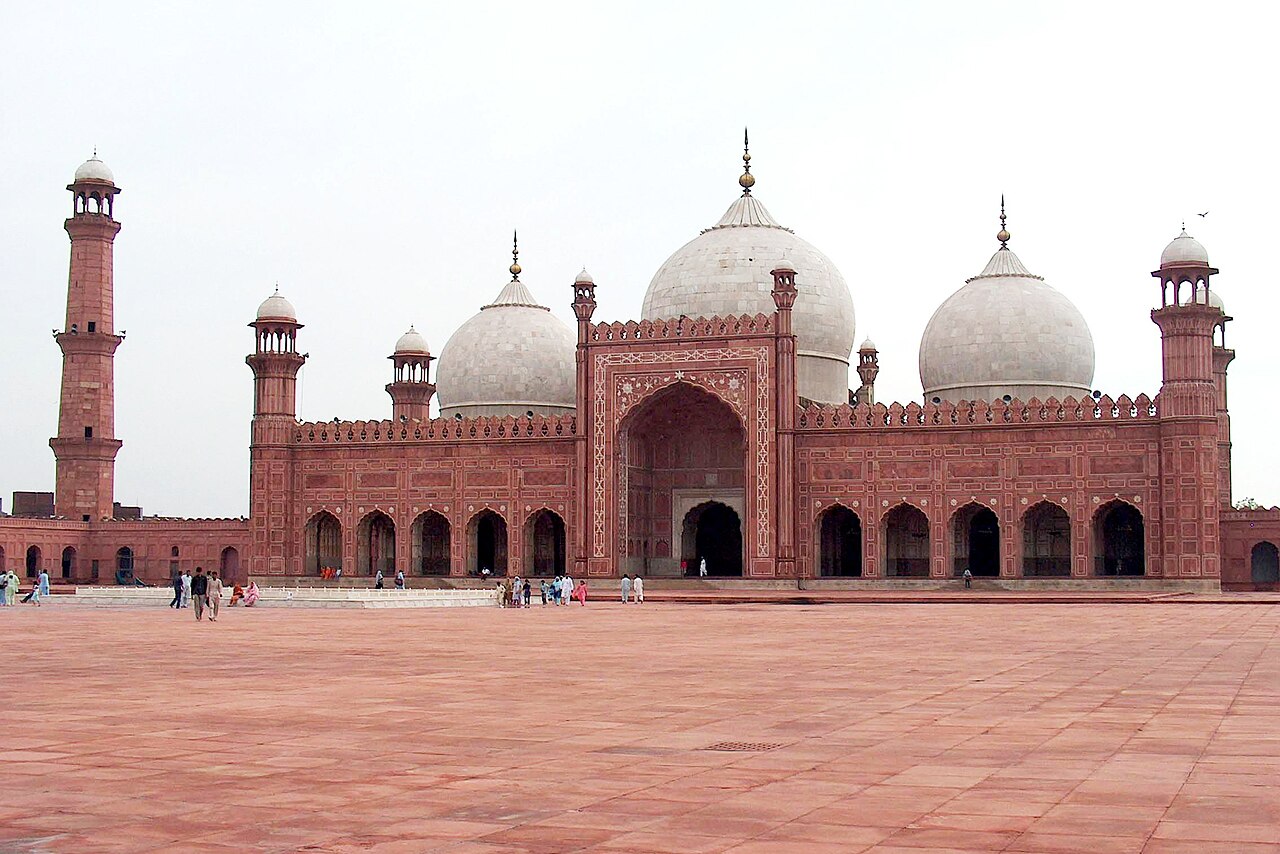 Artifact
Primary source
Badshahi Mosque
1671–1673
 Document
Primary source
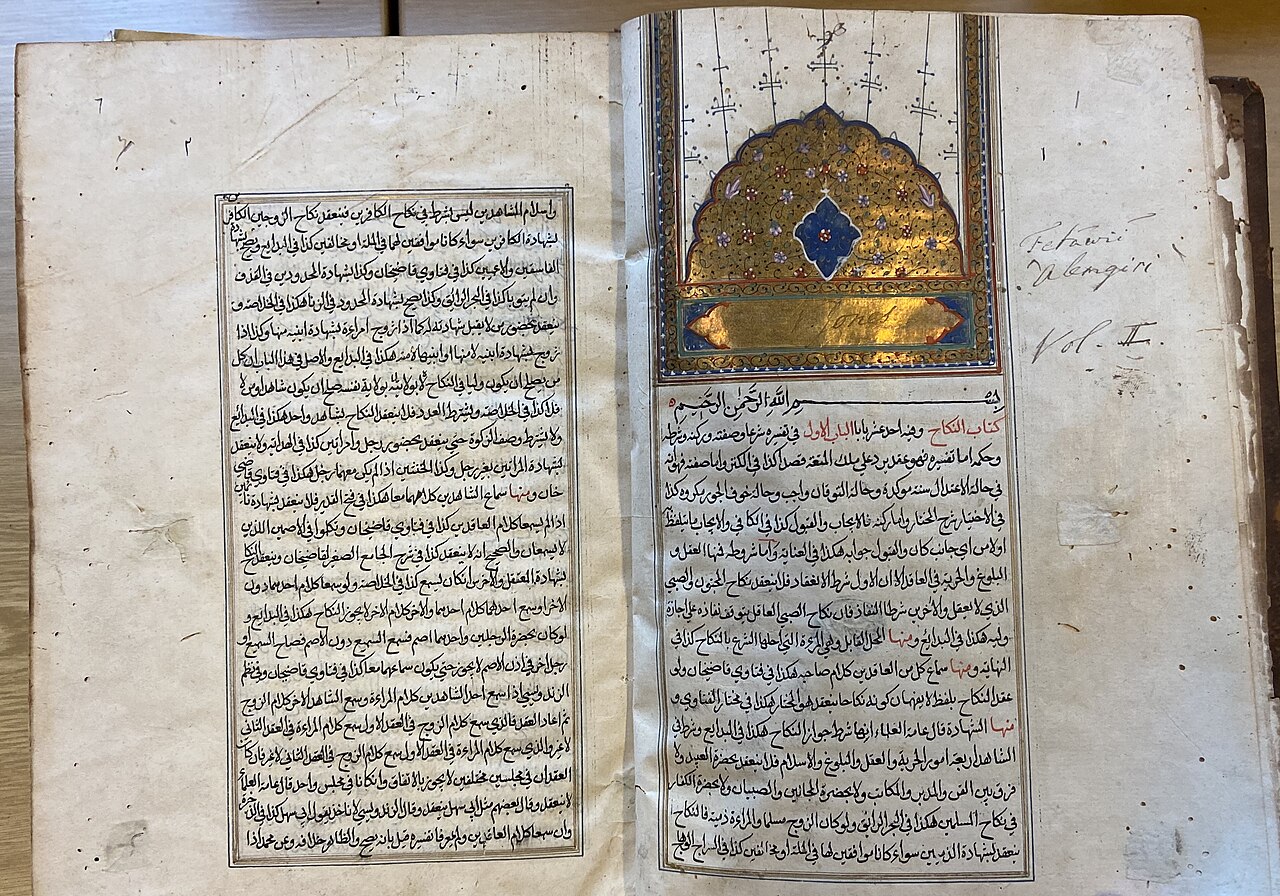
Fatawa-i Alamgiri Manuscript
17th century (this copy later recopied)
Primary source
Ruka'at-i-Alamgiri
Aurangzeb · 17th century
 Letter
Primary source
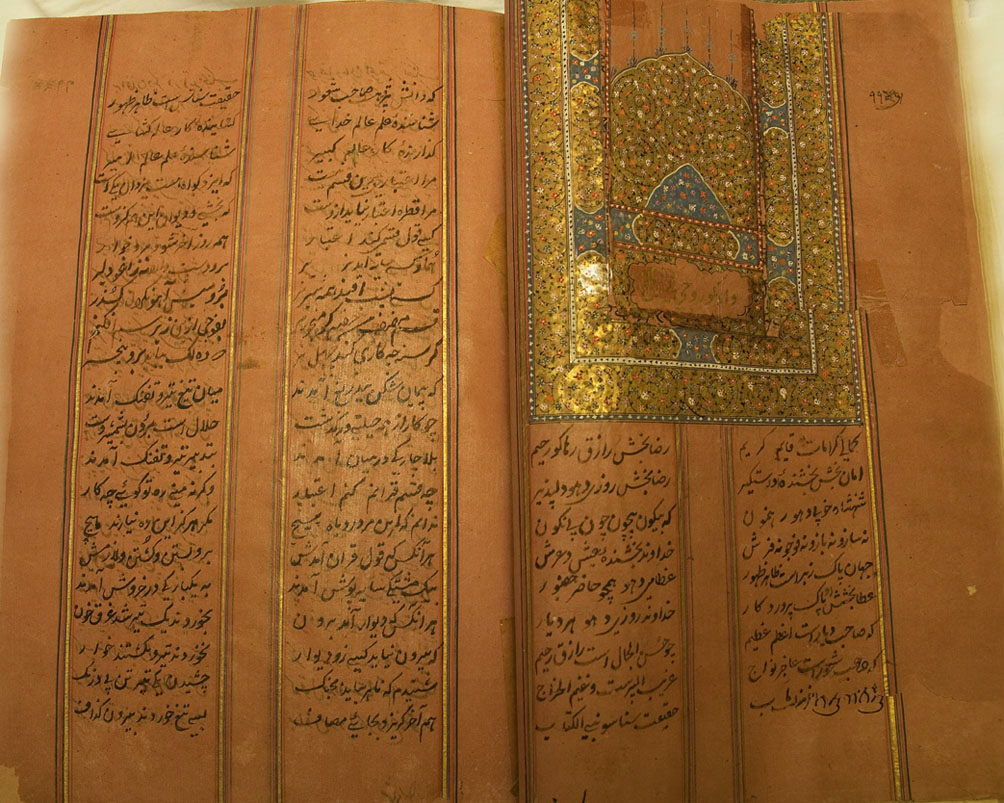
Zafarnamah
Guru Gobind Singh · 1705
Free account
Read every Aurangzeb source
Sign up free →
Ready when you are
Start chatting with Aurangzeb now.
20 messages free · No credit card · Available in 50+ languages.