


Secondary sourcePainting10th century CE
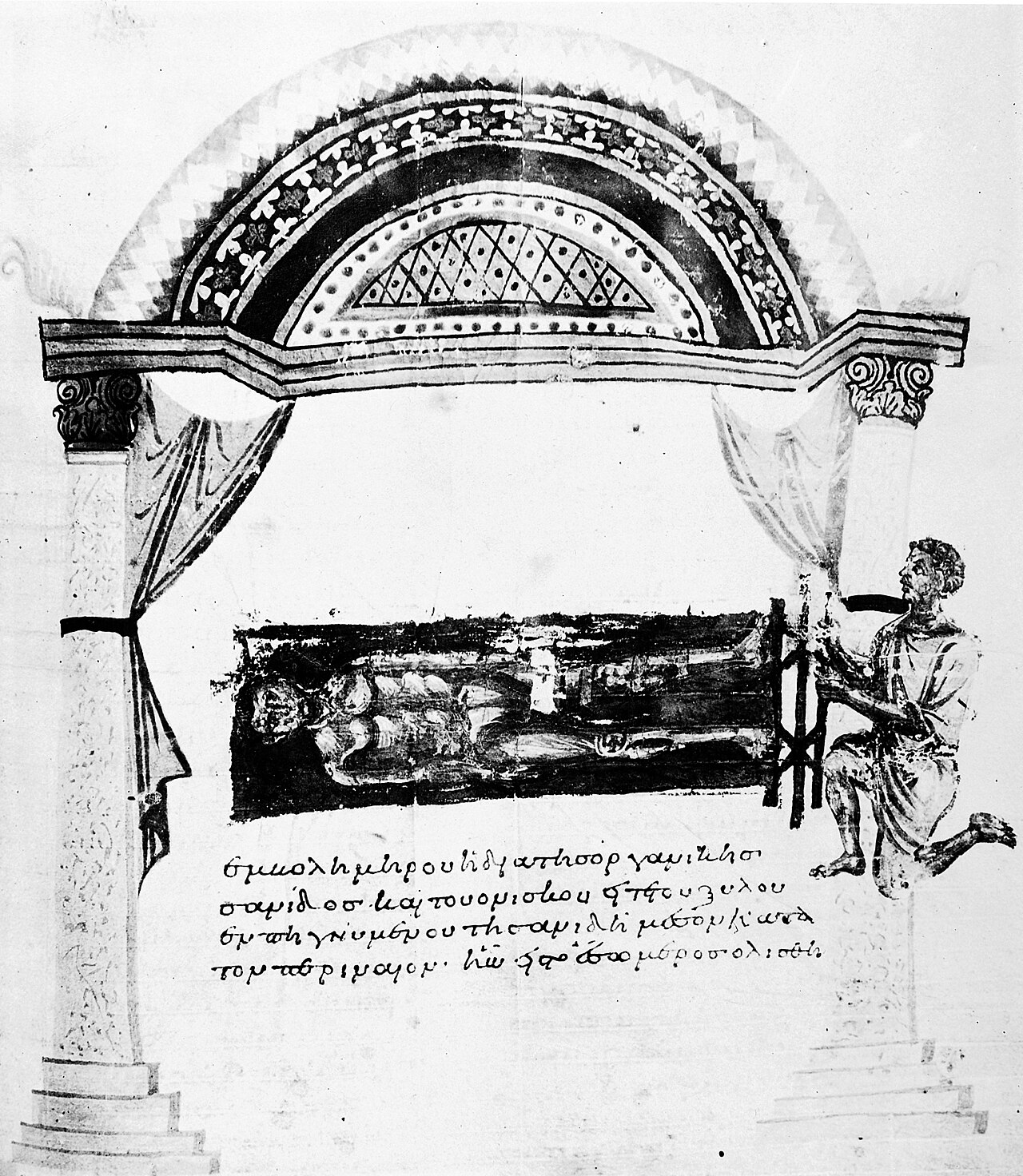
The Scamnum Hippocrates
10th century CE
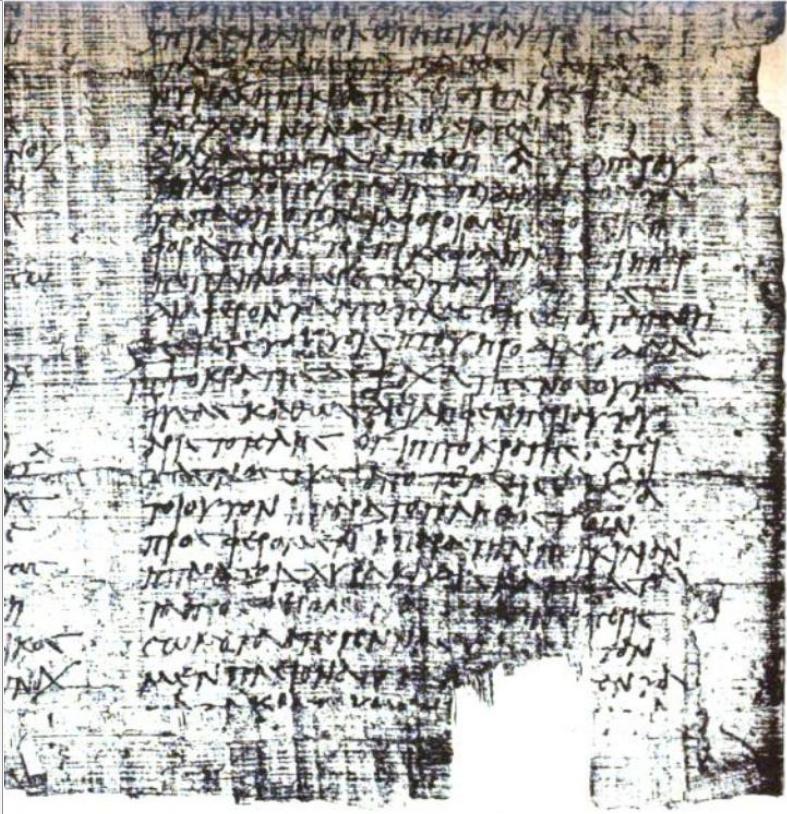
A 10th-century manuscript illustration showing the Hippocratic bench being used to treat a patient's dislocation.
Depicts the bench attributed to Hippocrates in use, showing how his orthopaedic methods were recorded by later scholars.
About this source
What it is
This is a black-and-white reproduction of a miniature from a 10th-century Greek manuscript held in the Laurentian Library in Florence. The manuscript contains a commentary by Apollonius of Citium on Hippocrates' work on joints. It shows the scamnum, or Hippocratic bench, in use, with a patient lying on the device and a figure applying treatment.
Why it matters
This is the earliest known illustrated depiction of Hippocratic orthopaedic practice. It shows how later generations visualised and transmitted the medical techniques attributed to Hippocrates, and how his ideas about bone-setting were preserved and copied for centuries after his death by scholars like Apollonius of Citium.
Look closer
- What does the posture of the two figures tell you about how the device was used?
- Why might a commentary written centuries after Hippocrates include an illustration like this?
- What details does the image leave out that a modern medical diagram would include?
This painting is part of the curated material that grounds the AI version of Hippocrates on Humy.ai — when students ask about related events, the AI can quote it and cite it.
More Hippocrates sources
Browse all 91 →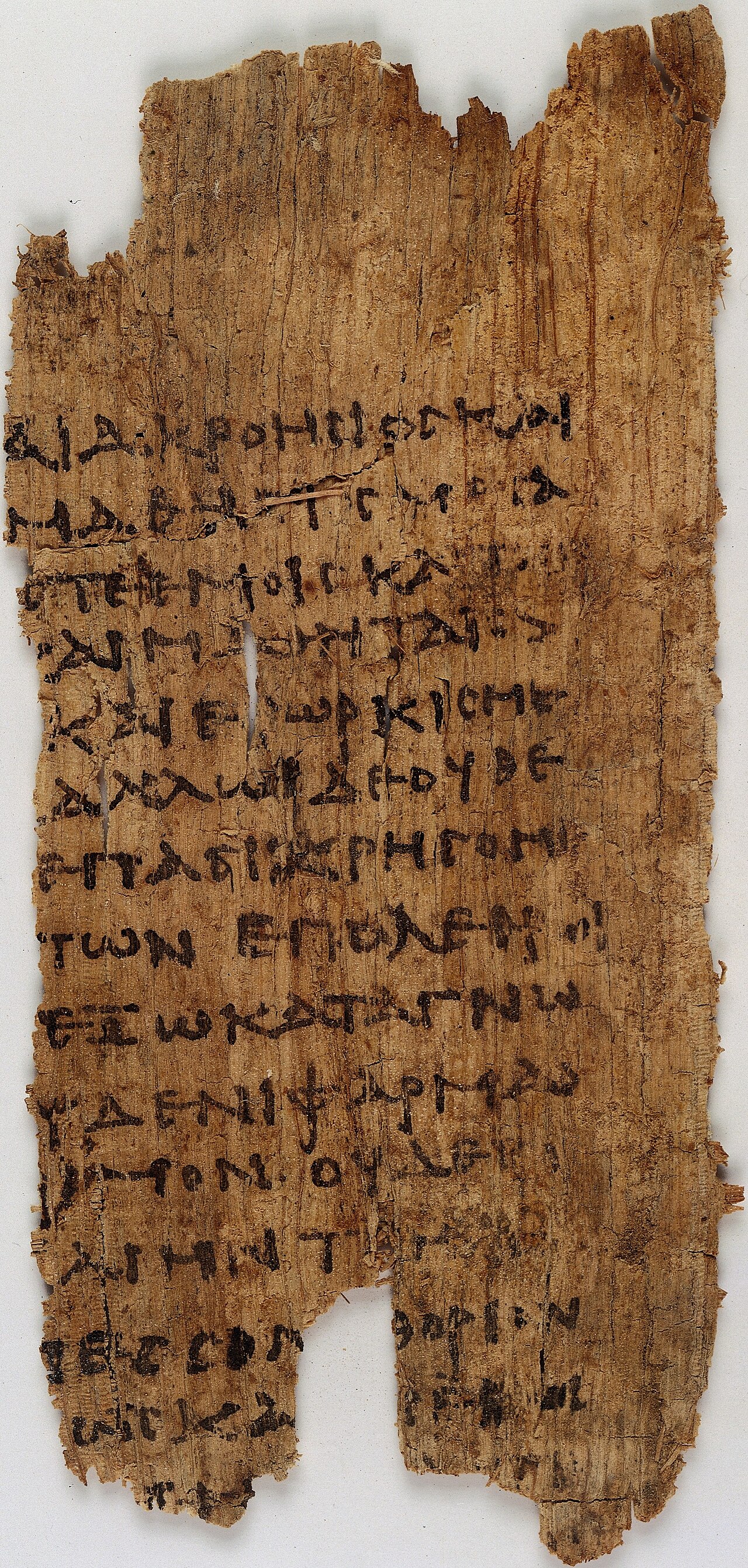 Document
Secondary source
Hippocratic Oath
Attributed to Hippocrates · 5th-3rd century BCE (text); papyrus fragment 3rd century AD
Secondary source
On the Sacred Disease
Attributed to Hippocrates · c. 400 BCE
Secondary source
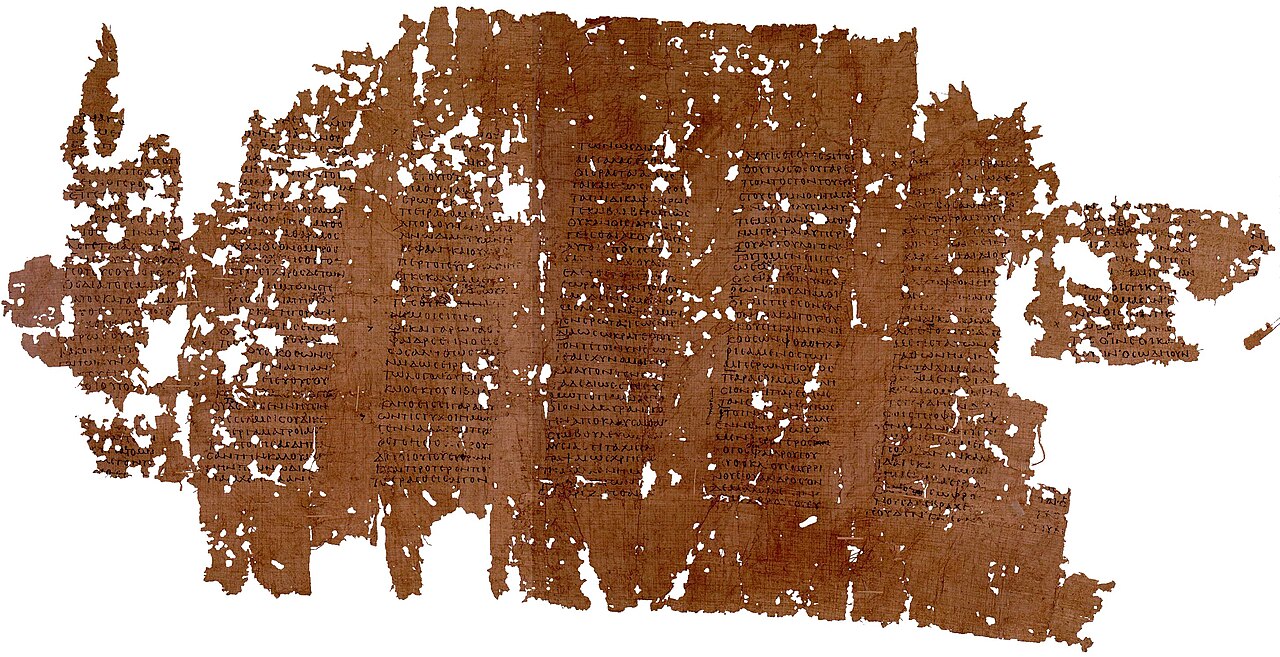
Nature of Man
Attributed to Hippocrates or Polybus · Classical antiquity
Secondary source
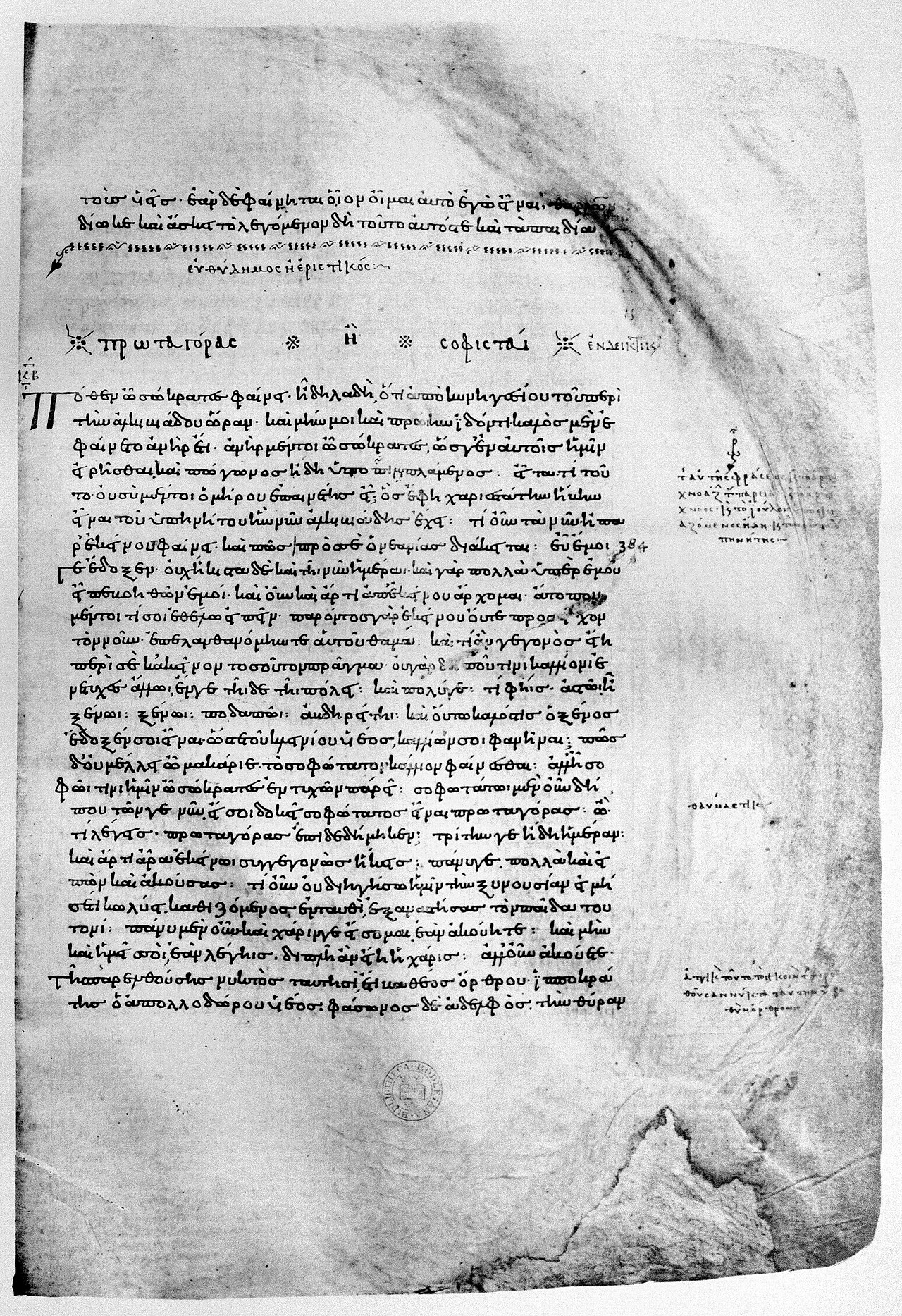
Aphorisms
Attributed to Hippocrates · Classical antiquity
Free account
Read every Hippocrates source
Sign up free →
Ready when you are
Start chatting with Hippocrates now.
20 messages free · No credit card · Available in 50+ languages.