


Secondary sourceArtifact
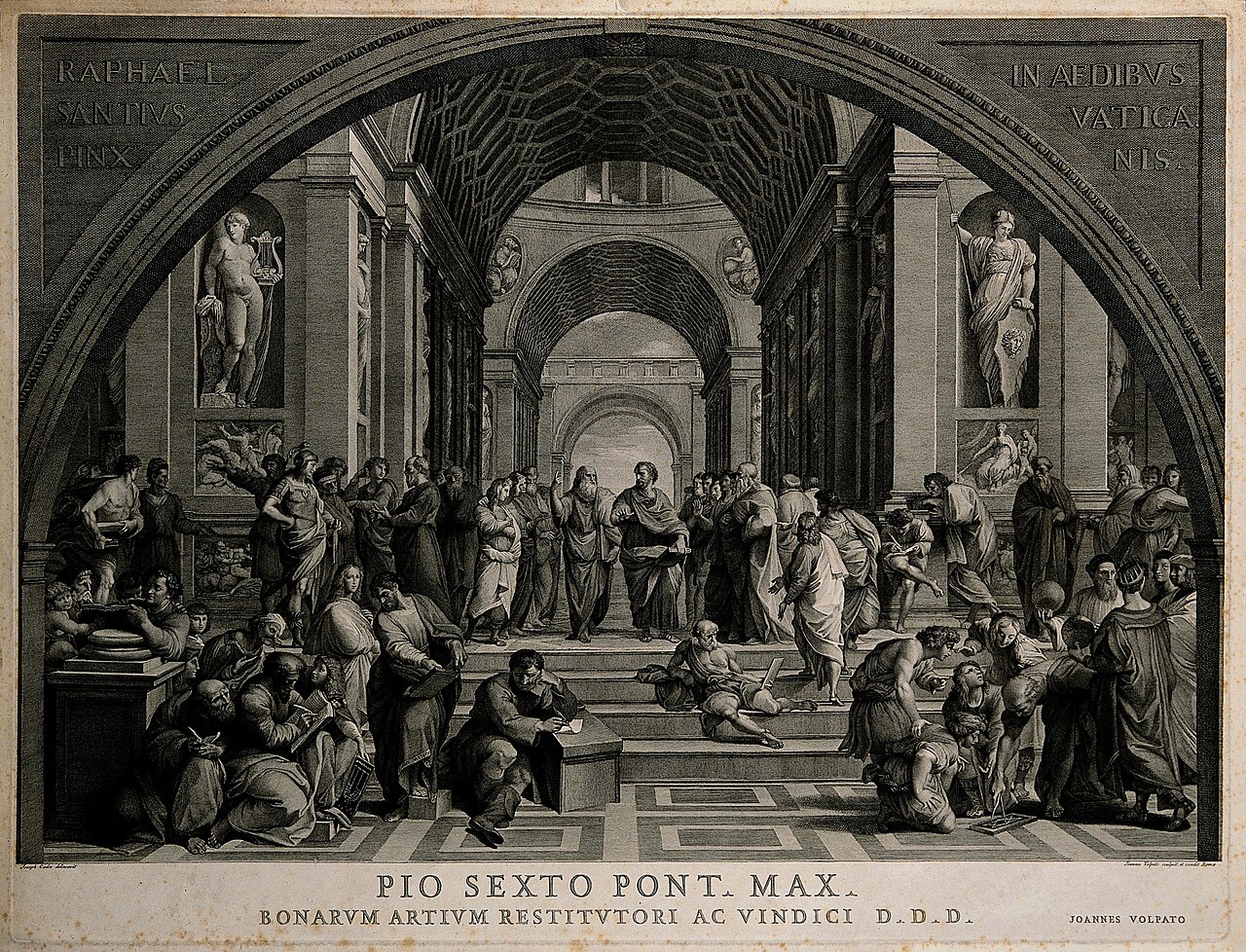
The School of Athens, engraving by J. Volpato after Raphael
Giovanni Volpato
An engraving of Raphael's fresco The School of Athens, showing a gathering of philosophers that includes Heraclitus.
Heraclitus appears among the philosophers in this reproduction of Raphael's fresco, placing him in a famous Renaissance image of ancient thinkers.
About this source
What it is
This is an engraving by Giovanni Volpato after a design by J. Cades, which reproduces Raphael's fresco The School of Athens. The scene shows a classical hall with arches and statues of Apollo and Minerva, with philosophers and figures gathered on steps. Plato and Aristotle stand at the centre. The record lists Heraclitus among the figures shown. The inscriptions read 'Raphael Santius Pinx' and 'Pio Sexto Pont. Max.'
Why it matters
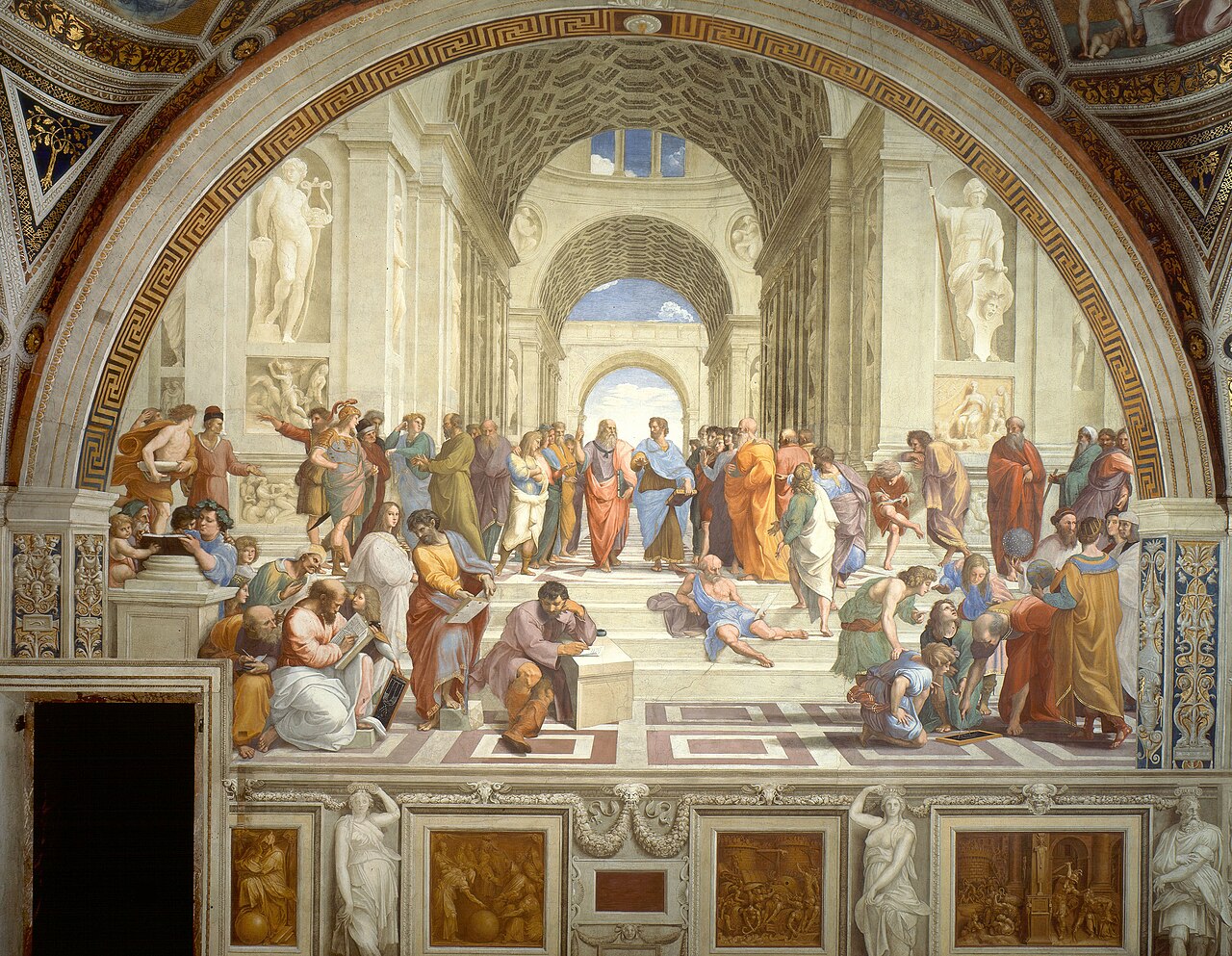
Raphael painted his fresco in the early sixteenth century, and it gathered philosophers from antiquity alongside renaissance artists in the guise of those philosophers. Prints like this one spread the image far beyond the room where the fresco was painted. Heraclitus appears here as one of many thinkers from the ancient world, placed in an invented setting. Engravings like this show how the Renaissance imagined ancient wisdom, and how later audiences learned to picture these figures.
Look closer
- Who is placed at the centre of the scene, and what does their position suggest about how the artist ranked the philosophers?
- Where in the crowd can you find Heraclitus, and how is he shown compared with the others?
- Why might an engraver have copied a famous painting rather than making a new picture?
This artifact is part of the curated material that grounds the AI version of Heraclitus on Humy.ai — when students ask about related events, the AI can quote it and cite it.
More Heraclitus sources
Browse all 88 →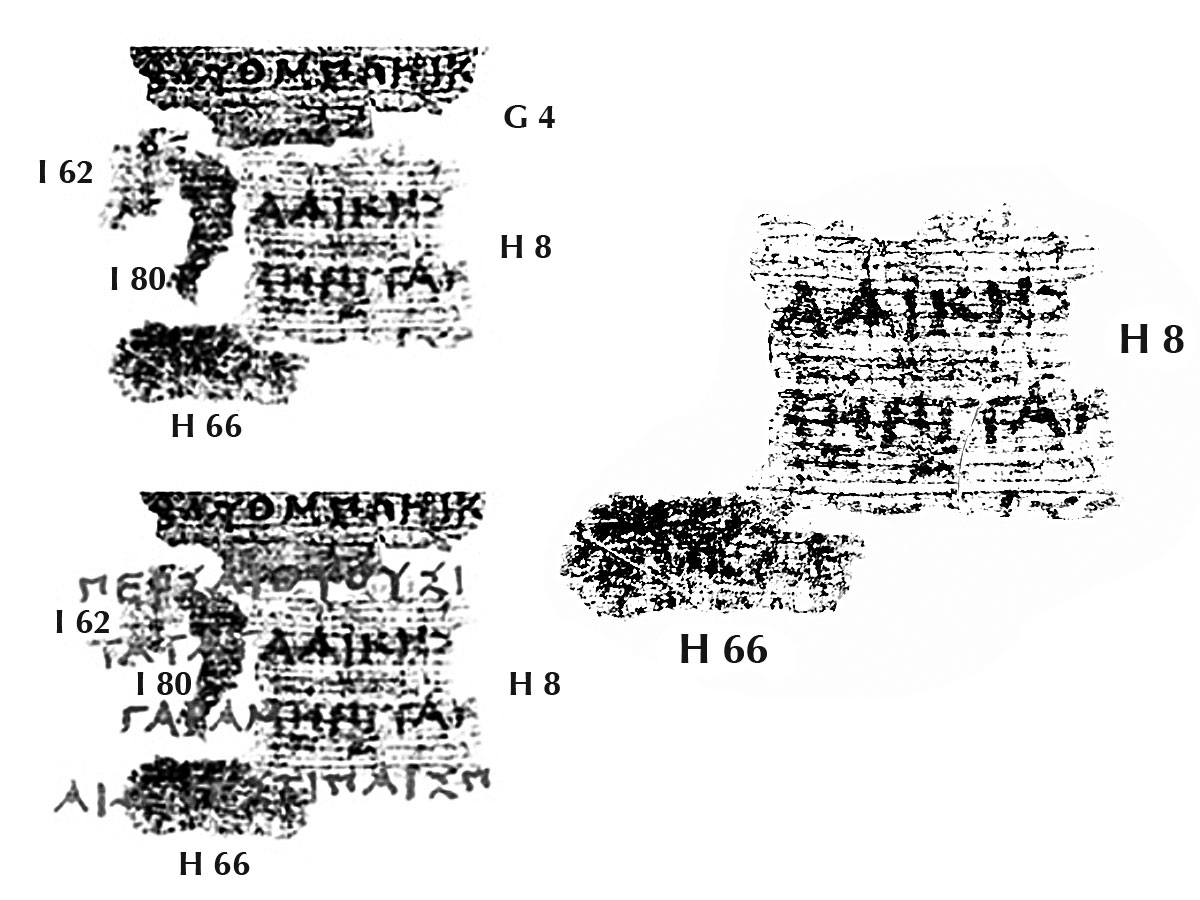 Document
Primary source
Derveni Papyrus, Column IV
Unknown author · 4th century BC
 Book
Secondary source
Lives and Opinions of Eminent Philosophers, Book V (Life of Aristotle)
Diogenes Laërtius · c. 3rd century CE
Primary source
Cratylus
Plato
 Book
Secondary source
Metaphysics
Aristotle · c. 400 BCE
Free account
Read every Heraclitus source
Sign up free →
Ready when you are
Start chatting with Heraclitus now.
20 messages free · No credit card · Available in 50+ languages.