


Primary sourcePaintingc. 1607
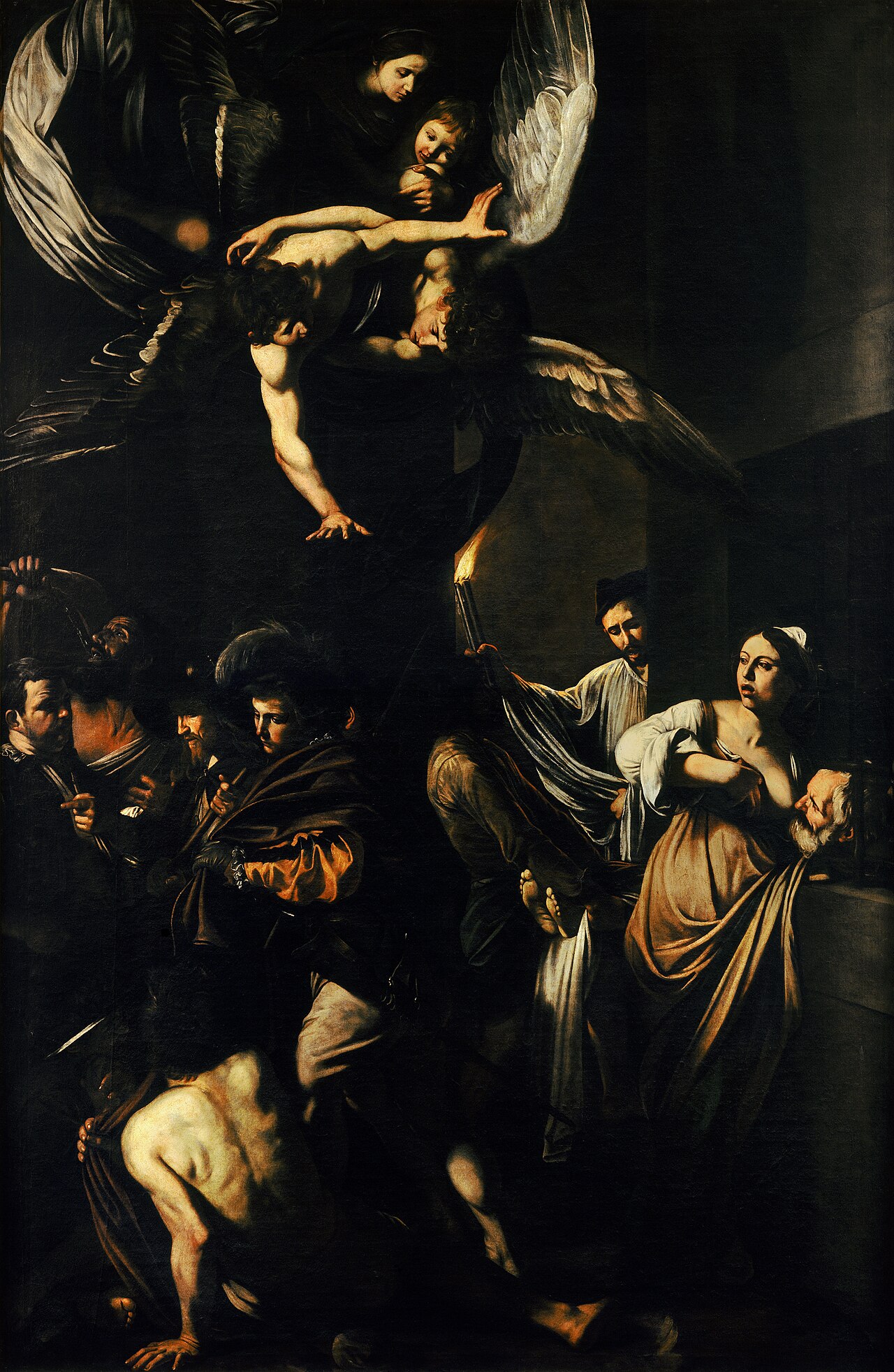
The Seven Works of Mercy
Caravaggio · c. 1607
An altarpiece by Caravaggio combining all seven acts of Christian mercy into one crowded street scene in Naples.
This major Naples altarpiece shows Caravaggio's skill at weaving religious themes into realistic street scenes.
About this source
What it is
This oil painting was made by Caravaggio around 1607 for the church of Pio Monte della Misericordia in Naples, where it still serves as the altarpiece.
Why it matters
Instead of painting the seven works of mercy as separate panels as originally planned, Caravaggio combined them into a single crowded composition, showing acts such as feeding the hungry, sheltering the homeless, clothing the naked, and burying the dead. Figures include St Martin of Tours and a reference to the biblical Samson, alongside an image drawn from the classical story of Roman Charity. The painting reflects the religious and charitable culture of Naples at the time and Caravaggio's gift for making abstract virtues feel like real street life.
Look closer
- Can you find all seven acts of mercy hidden within the crowded scene?
- Why might Caravaggio have chosen a classical figure like Samson to represent giving drink to the thirsty?
- What effect does the dramatic lighting have on how you read the scene?
This painting is part of the curated material that grounds the AI version of Caravaggio on Humy.ai — when students ask about related events, the AI can quote it and cite it.
More Caravaggio sources
Browse all 90 →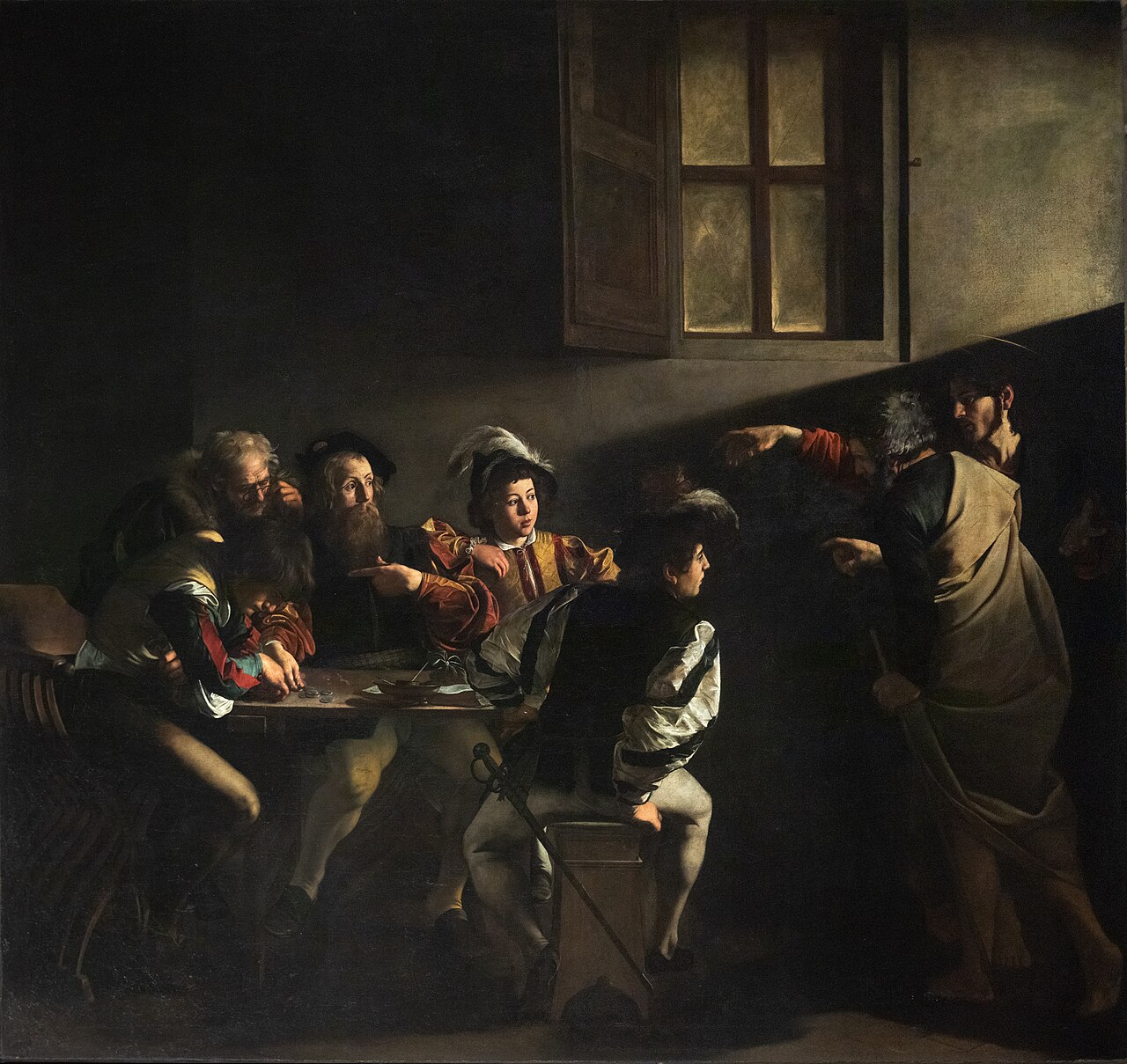 Painting
Secondary source
The Calling of Saint Matthew
Caravaggio · 1599–1600
 Artifact
Primary source
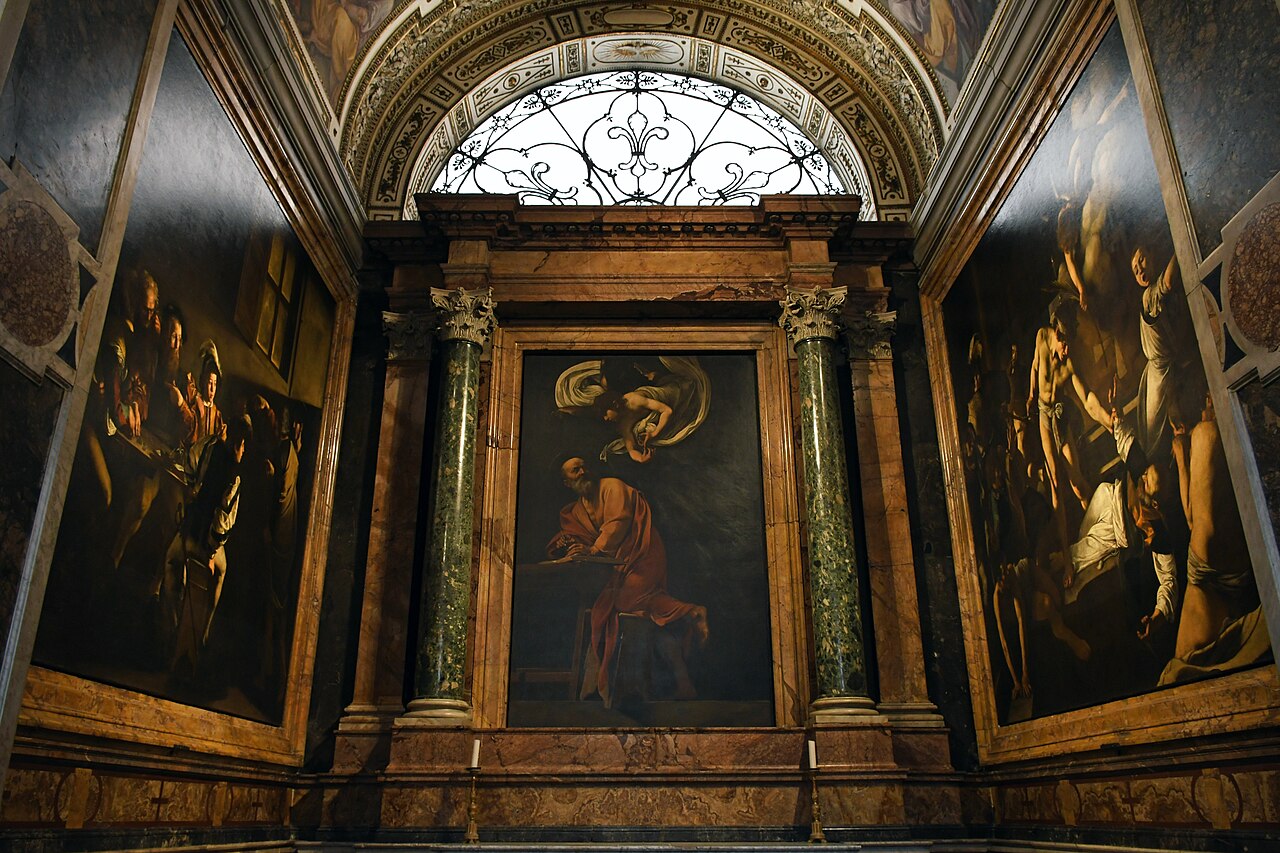
Contarelli Chapel
Caravaggio · 1600
 Painting
Secondary source
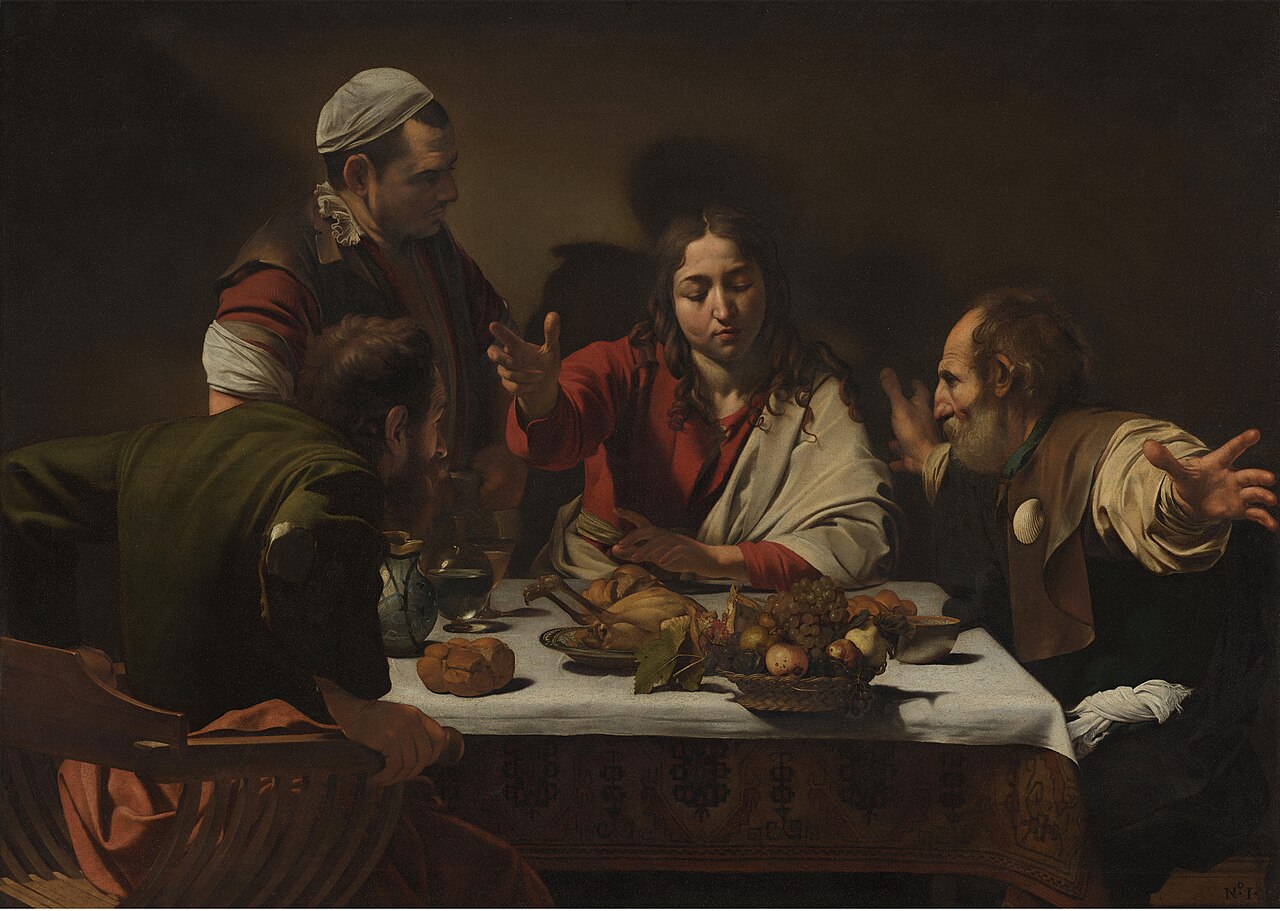
Supper at Emmaus
Caravaggio · 1601
 Painting
Secondary source
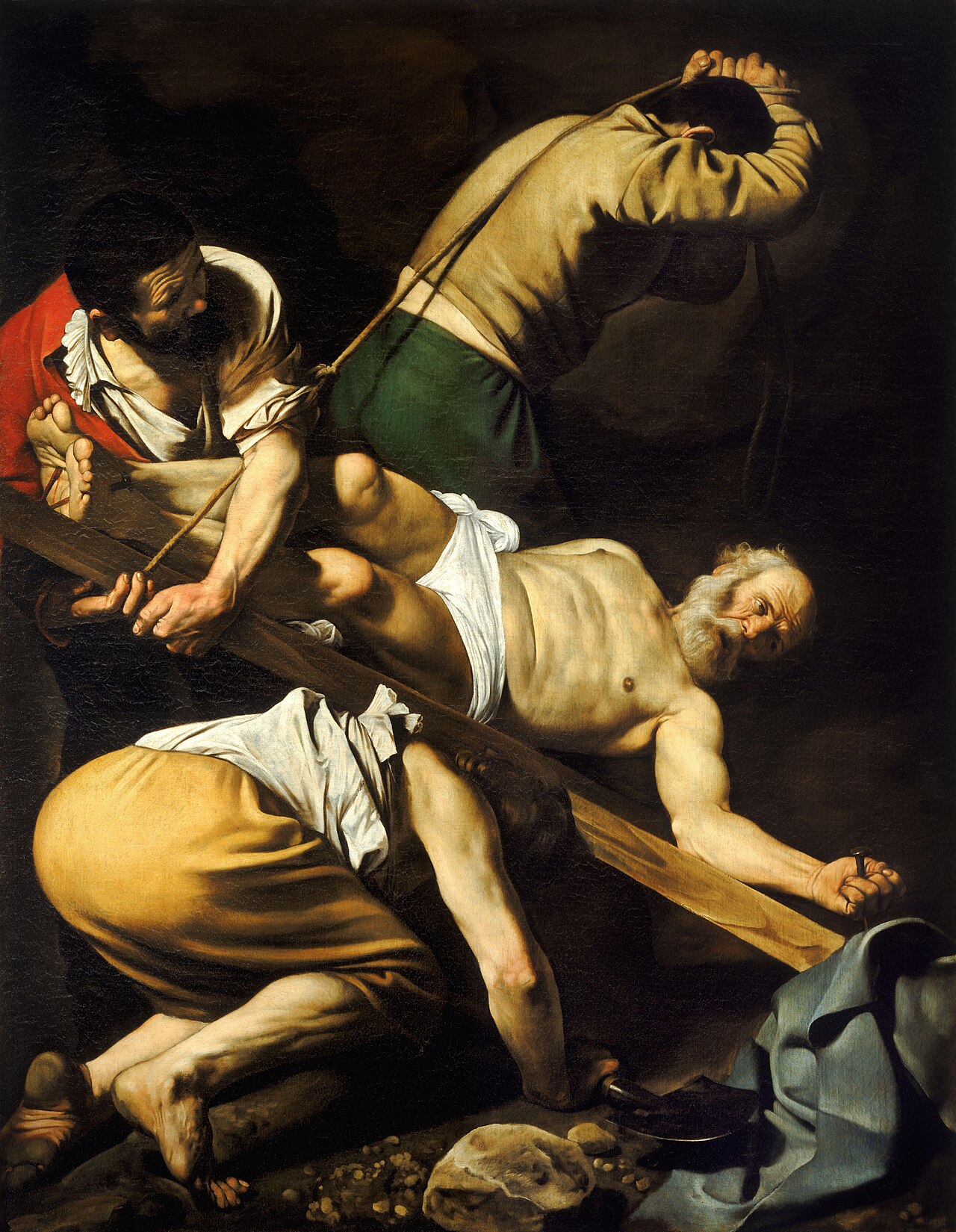
Crucifixion of Saint Peter
Caravaggio · 1600-1601
Free account
Read every Caravaggio source
Sign up free →
Ready when you are
Start chatting with Caravaggio now.
20 messages free · No credit card · Available in 50+ languages.