


Primary sourcePainting1602
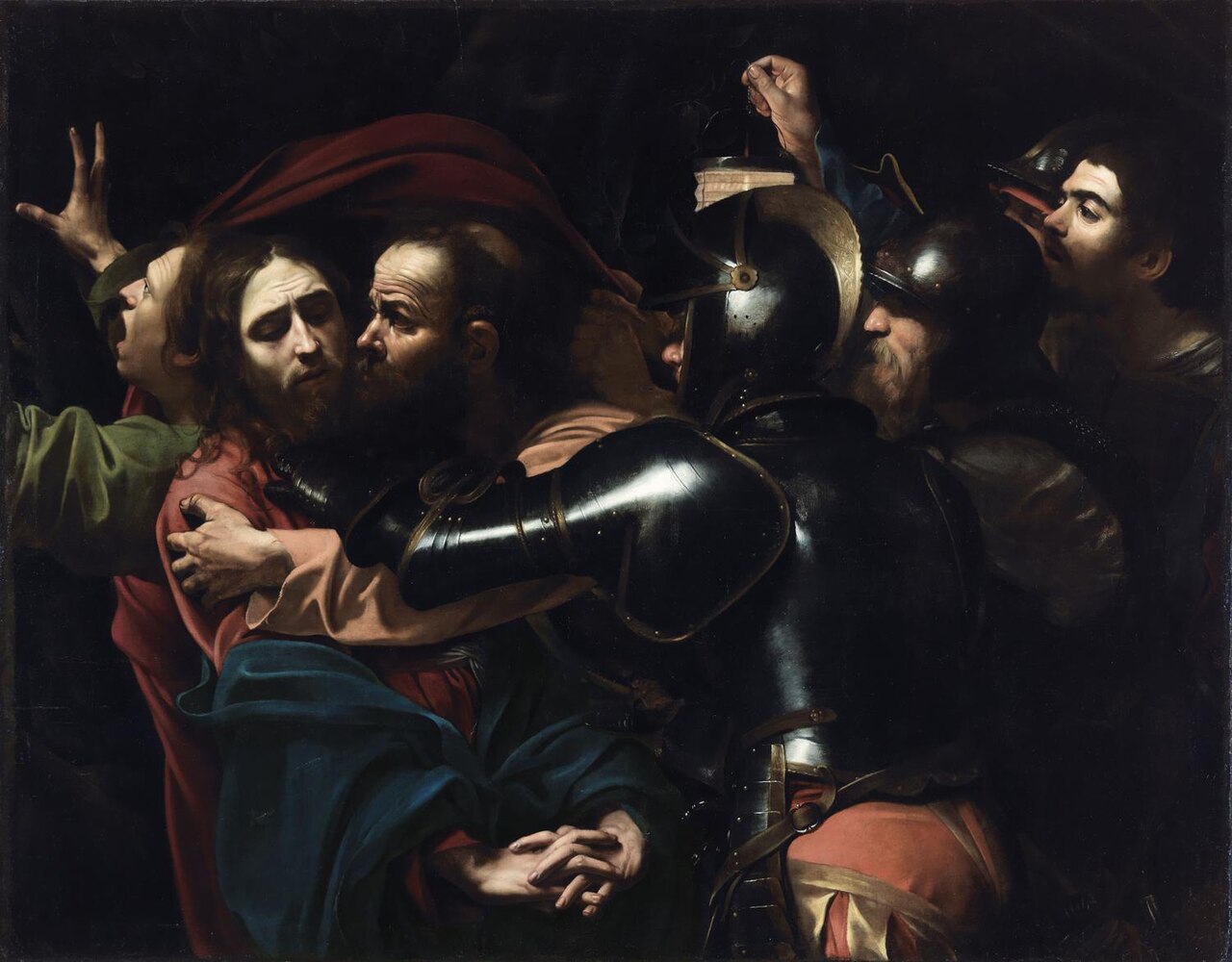
The Taking of Christ
Caravaggio · 1602
A dramatic night scene of Christ's arrest by Caravaggio, in which he painted himself holding the lantern.
Caravaggio is believed to have painted himself as the lantern-bearer in this scene of Christ's arrest.
About this source
What it is
The Taking of Christ was painted by Caravaggio, commissioned in 1602 by the Roman nobleman Ciriaco Mattei, and today hangs in the National Gallery of Ireland. It shows Judas kissing Jesus to identify him to soldiers, while John flees and a man holding a lantern looks on; that lantern-bearer is believed to be a self-portrait of Caravaggio.
Why it matters
The painting captures the moment of betrayal with harsh light and dark shadow, a style Caravaggio made famous. By inserting his own face into the crowd, he linked himself to the scene's themes of guilt and recognition. The painting disappeared from view for centuries and was only rediscovered in Dublin in the 1990s, making it an important example of how attributions to famous artists can be lost and later confirmed.
Look closer
- Where does the light in the painting seem to come from, and what does it draw your eye to?
- Why might Caravaggio have painted himself into a Biblical scene instead of leaving himself out?
- What does the painting's rediscovery after disappearing for years tell us about how art history gets written?
This painting is part of the curated material that grounds the AI version of Caravaggio on Humy.ai — when students ask about related events, the AI can quote it and cite it.
More Caravaggio sources
Browse all 90 →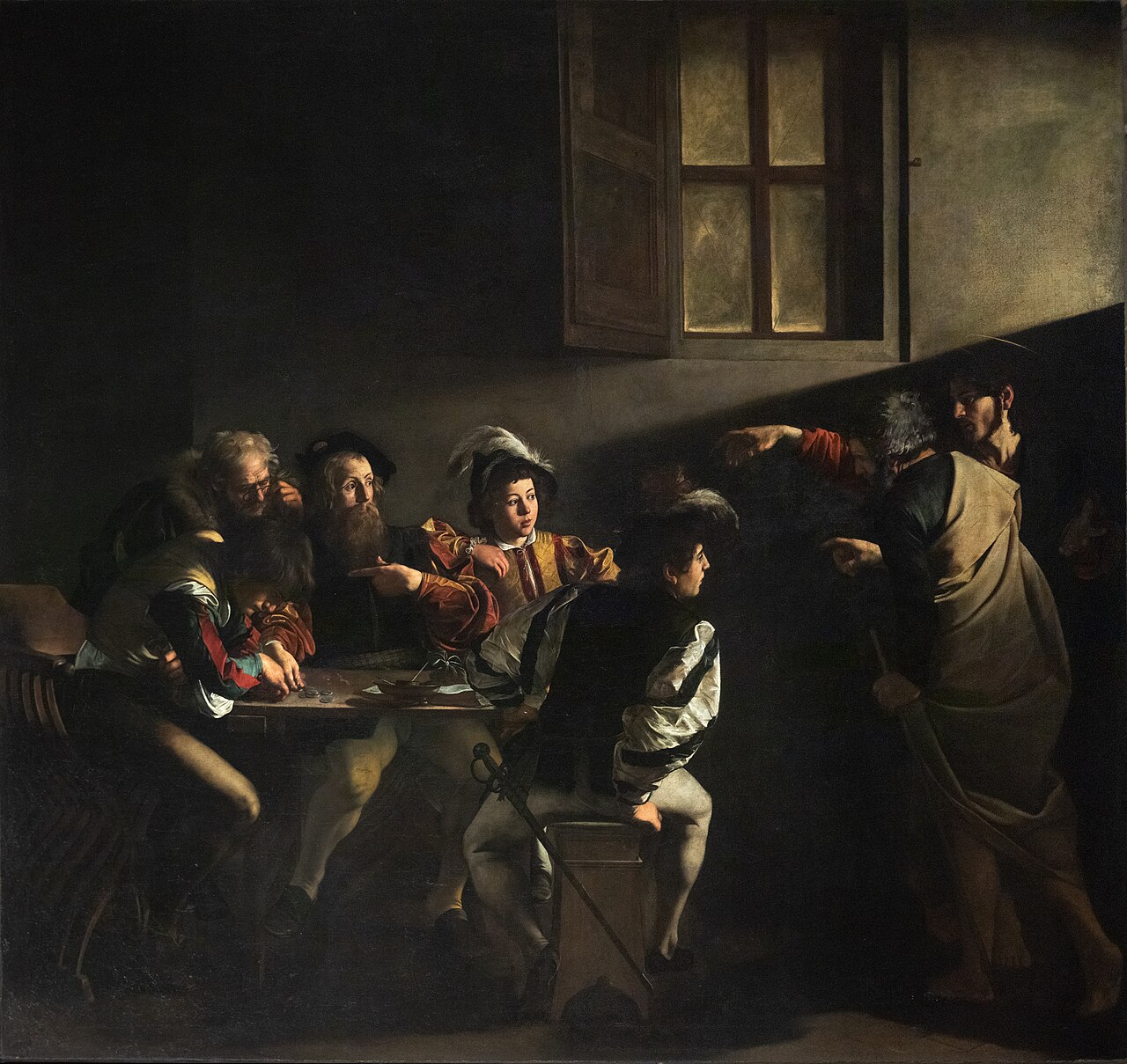 Painting
Secondary source
The Calling of Saint Matthew
Caravaggio · 1599–1600
 Artifact
Primary source
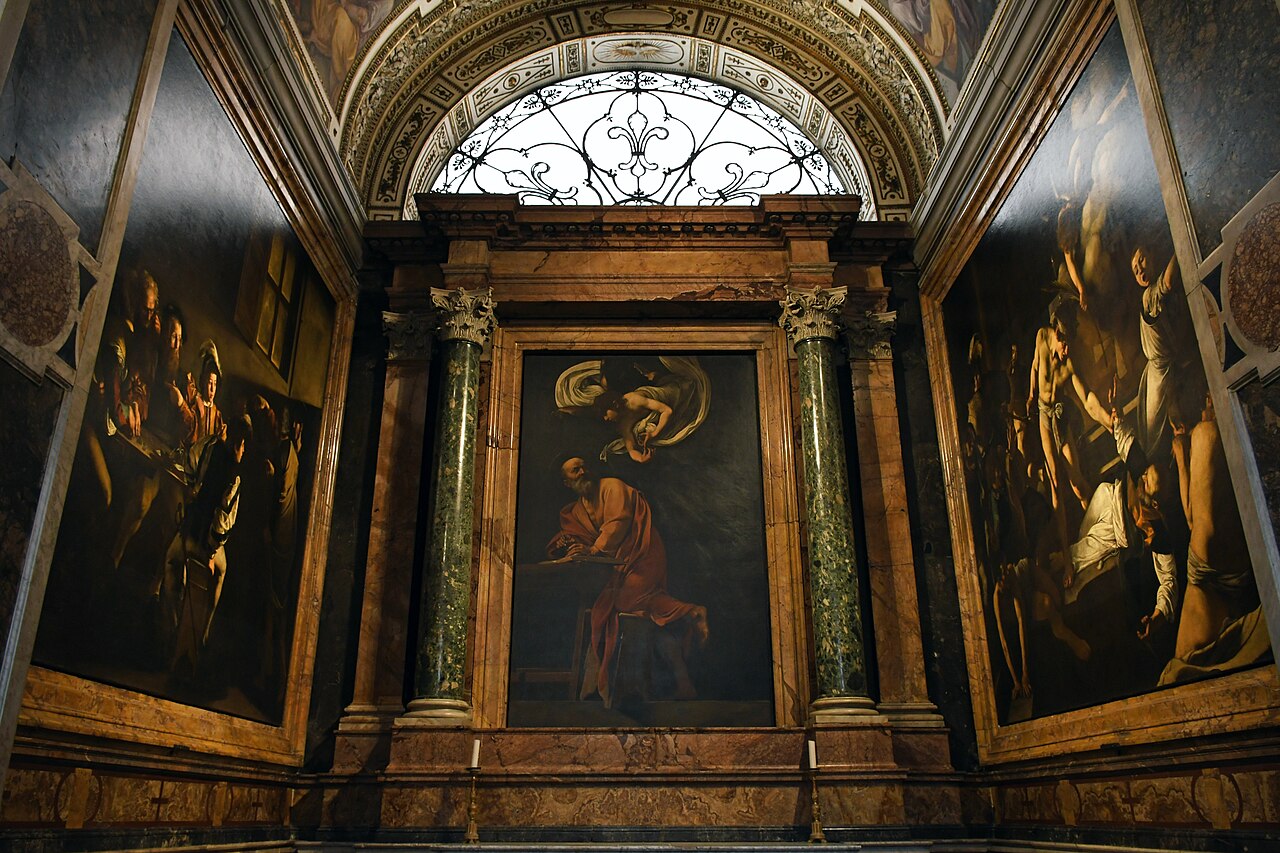
Contarelli Chapel
Caravaggio · 1600
 Painting
Secondary source
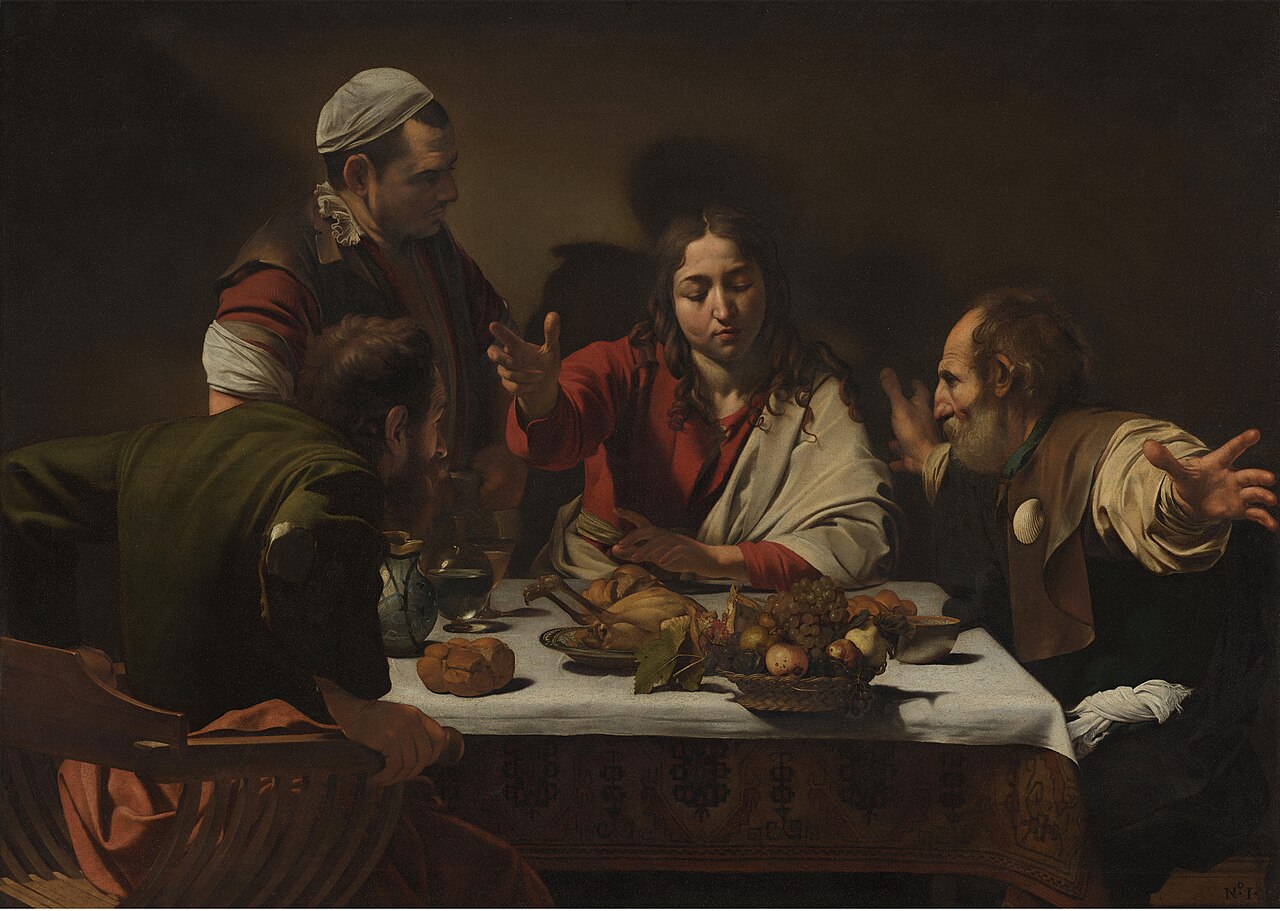
Supper at Emmaus
Caravaggio · 1601
 Painting
Secondary source
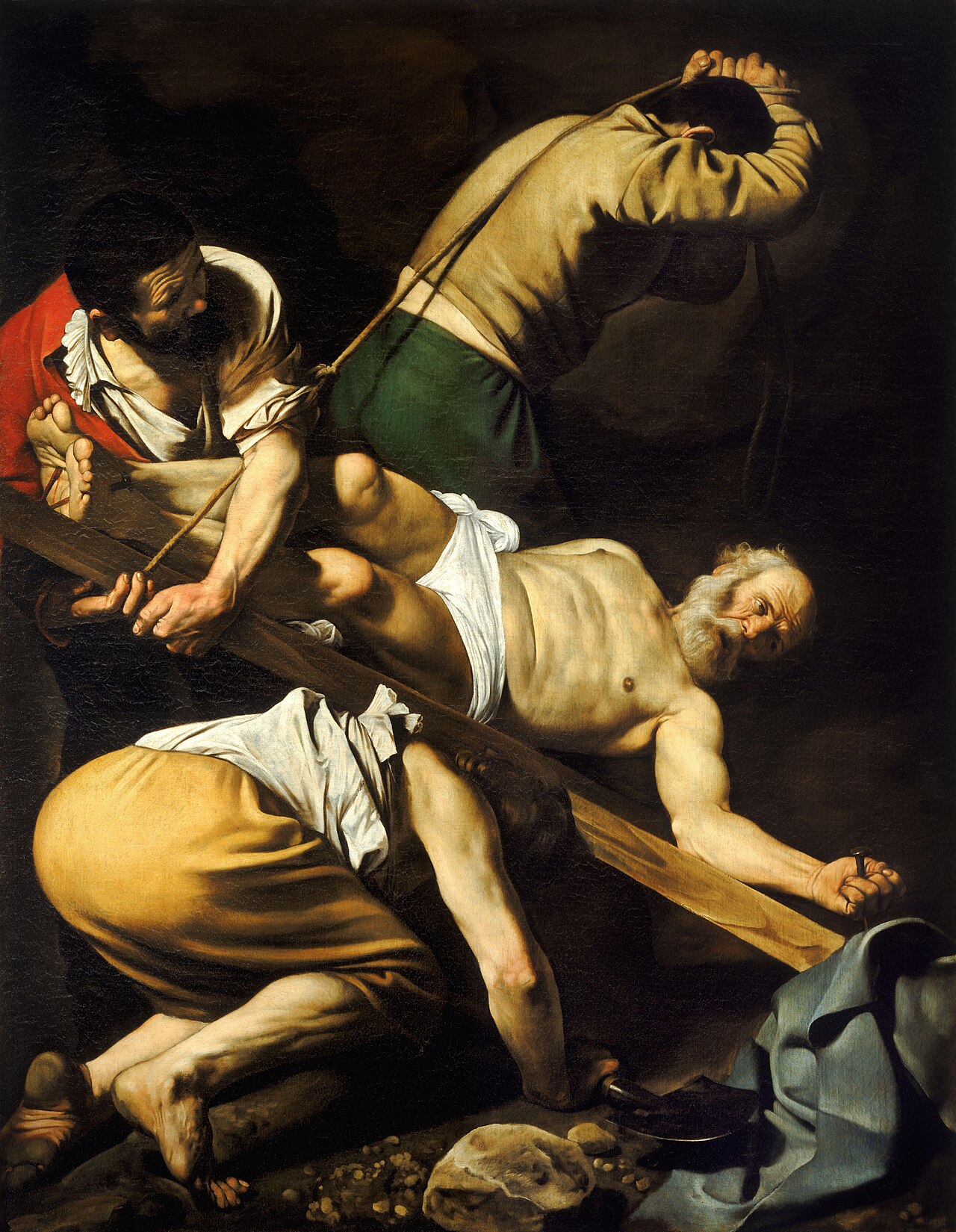
Crucifixion of Saint Peter
Caravaggio · 1600-1601
Free account
Read every Caravaggio source
Sign up free →
Ready when you are
Start chatting with Caravaggio now.
20 messages free · No credit card · Available in 50+ languages.