


Secondary sourcePaintingc. 1880
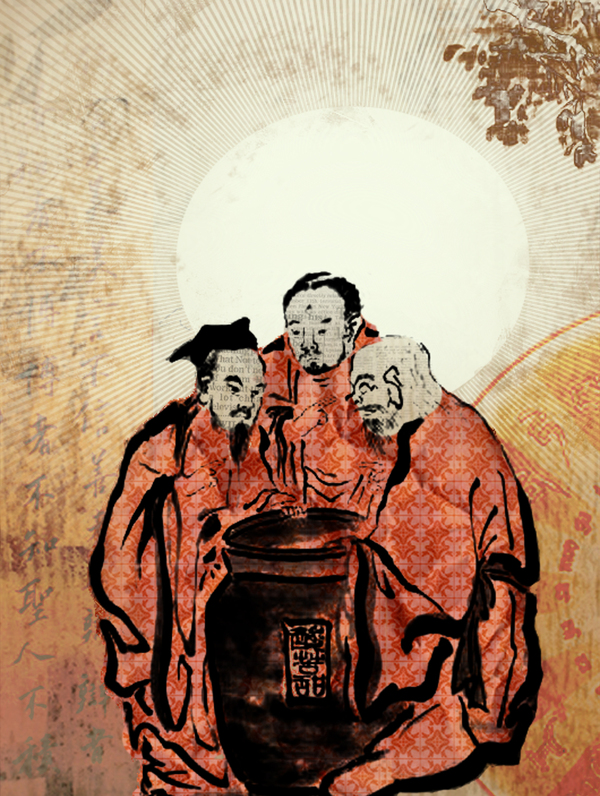
The Three Vinegar Tasters
Unknown · c. 1880
A traditional Chinese print of the allegorical 'Vinegar Tasters' scene, from an anthology of around 1880, linked to Laozi's teachings.
A traditional allegory often used to contrast Laozi's philosophy with those of Confucius and Buddha.
About this source
What it is
This is a print from a Chinese anthology dated to around 1880, by an unknown artist, showing the traditional allegorical image known as 'The Vinegar Tasters.' It depicts three robed figures tasting from a jar.
Why it matters
The Vinegar Tasters is a well-known allegory in Chinese art often used to compare the outlooks of Confucius, Buddha, and Laozi, each reacting differently to the same taste of vinegar, representing life. Though made centuries after Laozi's lifetime, it shows how his philosophy was popularly contrasted with other traditions in Chinese visual culture.
Look closer
- What might the different reactions of the three figures be meant to represent about their philosophies?
- Why do you think this allegory became a popular subject for artists long after these thinkers lived?
- What does the unknown authorship suggest about how traditional images like this were passed down?
This painting is part of the curated material that grounds the AI version of Laozi on Humy.ai — when students ask about related events, the AI can quote it and cite it.
More Laozi sources
Meet the AI Laozi →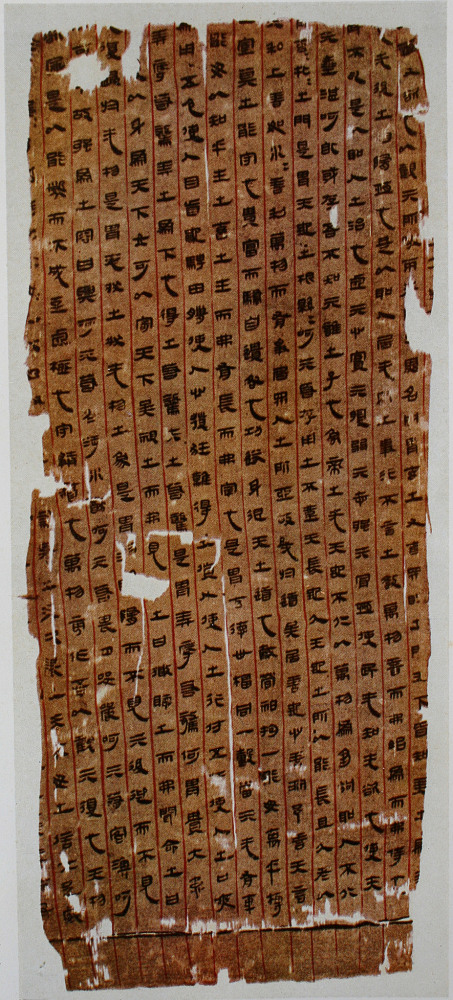 Book
Secondary source
Tao Te Ching
Laozi · c. 4th-3rd century BCE
 Artifact
Primary source
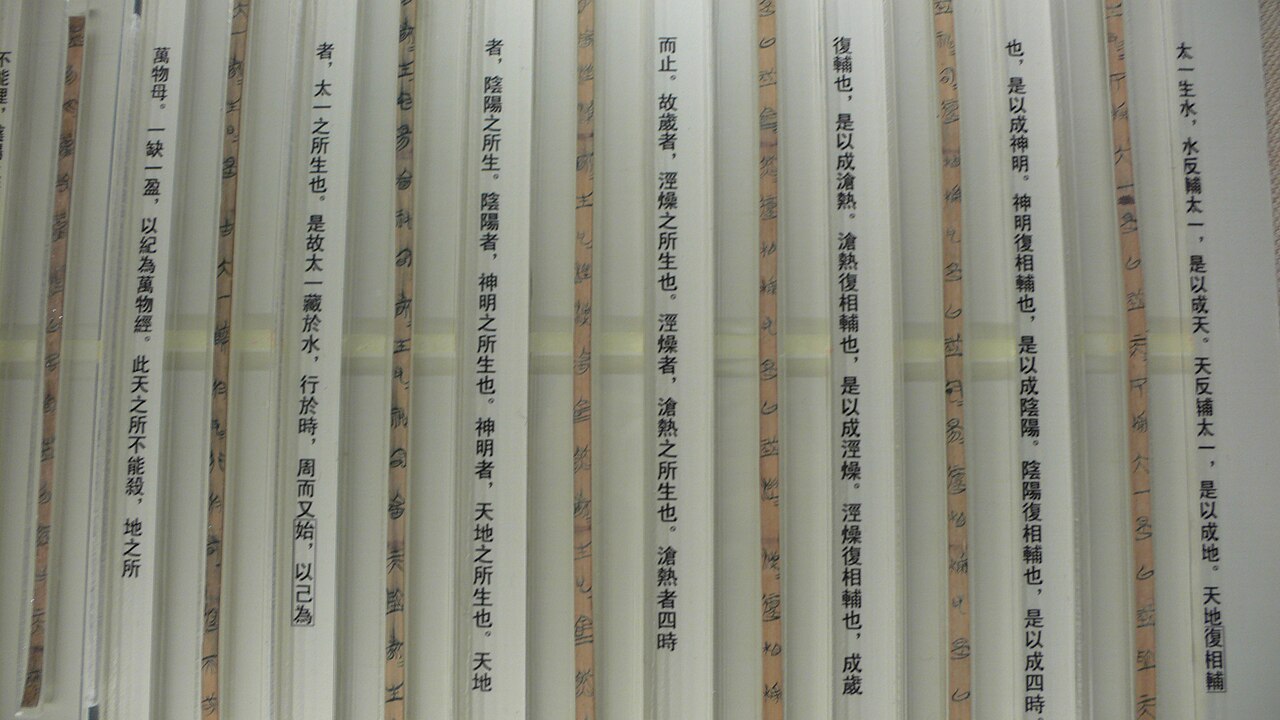
Bamboo Texts of Guodian
c. 300 BCE
 Book
Primary source
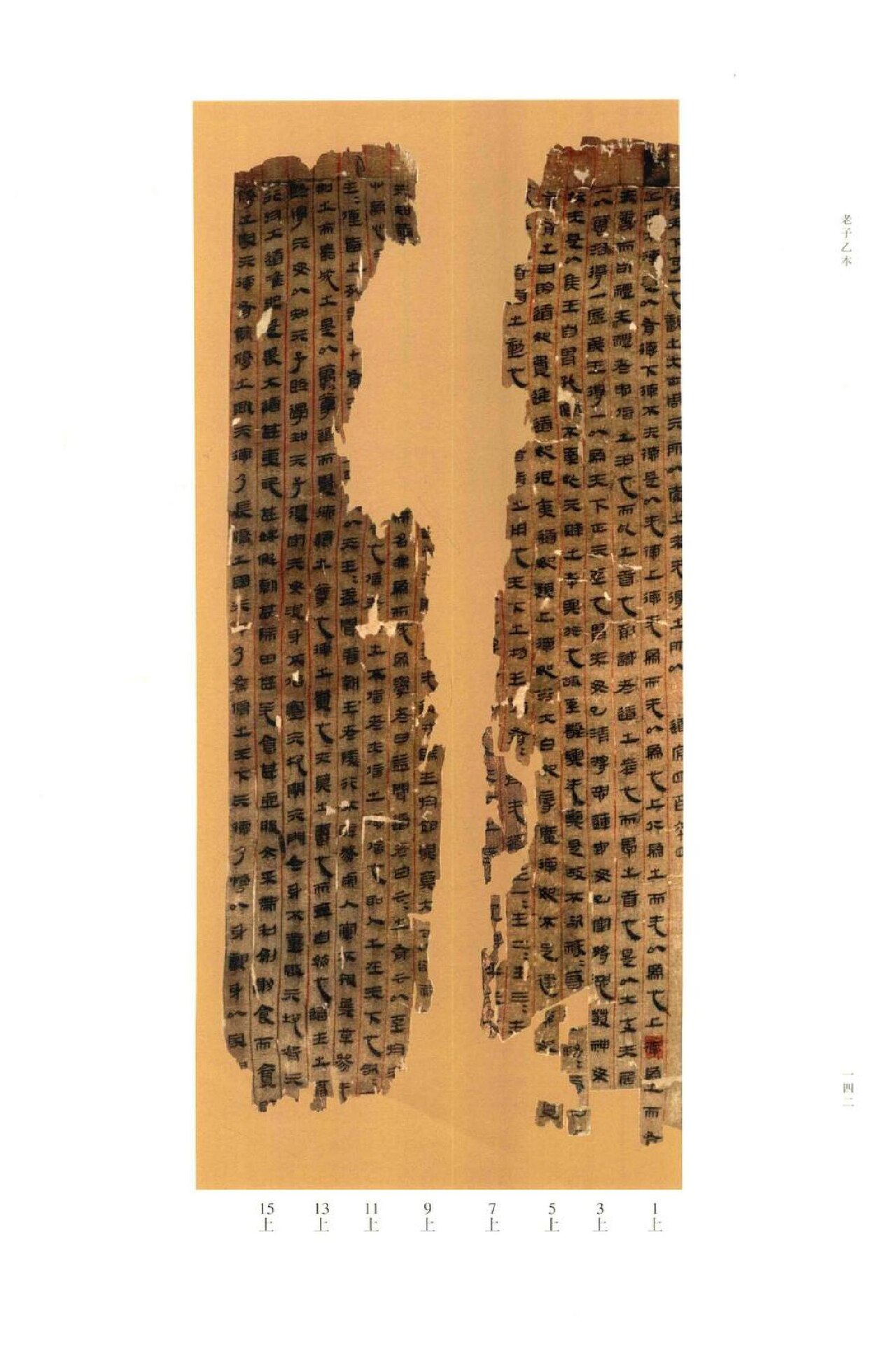
Mawangdui Silk Texts of the Laozi
Anonymous Han scribes · c. 200-168 BCE
 Book
Secondary source
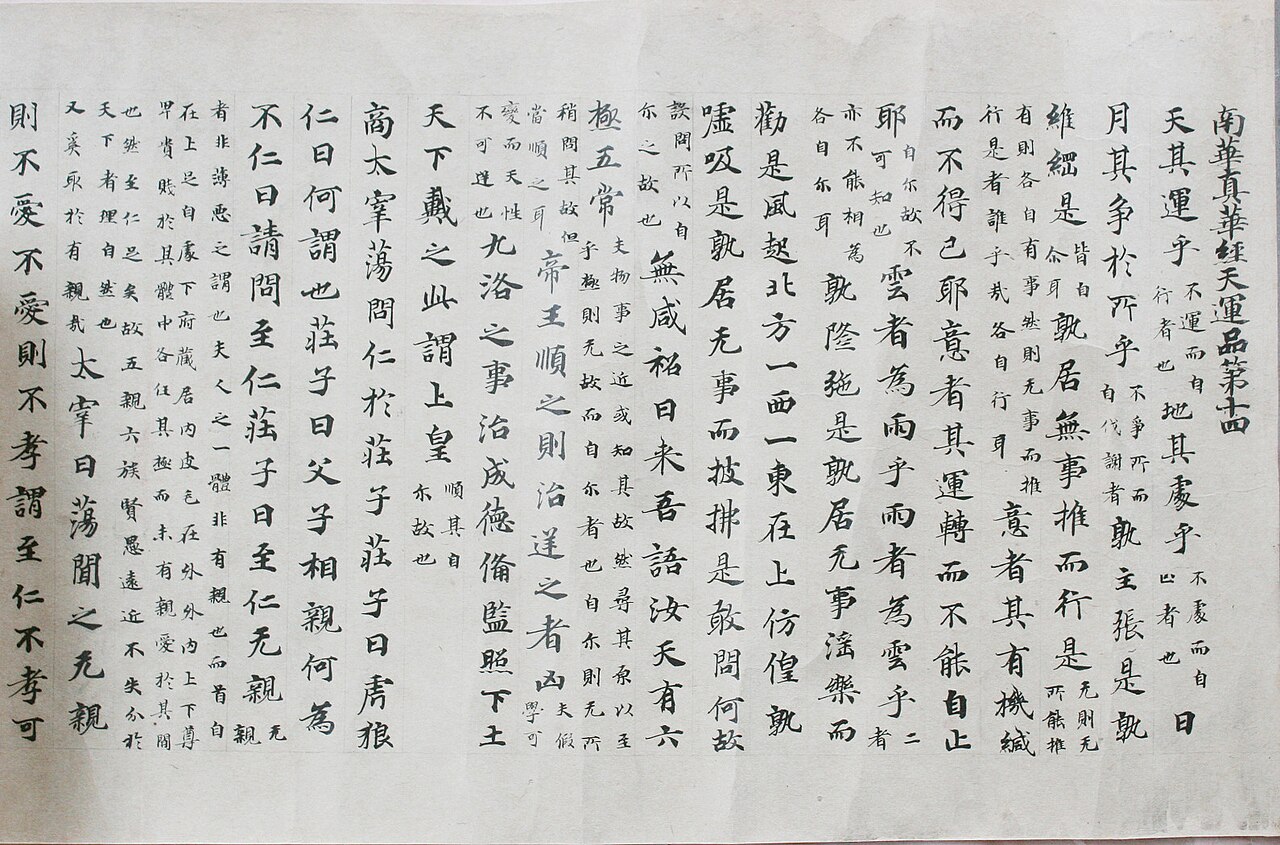
Zhuangzi
Zhuang Zhou · c. 300 BCE
 Painting
Secondary source
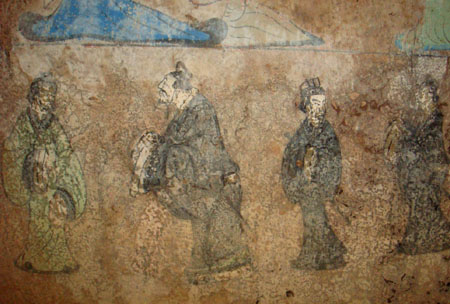
Confucius and Laozi fresco, Dongping tomb
Anonymous Chinese painter of the Western Han period · Western Han period, c. 2000 years old
Ready when you are
Start chatting with Laozi now.
20 messages free · No credit card · Available in 50+ languages.