


Secondary sourceBook
The Tortoise and the Hare (Greek)
Aesop (attributed)
A short fable attributed to Aesop about a hare that naps during a race and loses to a tortoise, with a moral attached.
This fable is attributed to the figure and shows the kind of short moral story that made Aesop famous as a teacher of lessons.
Free Humy account · No credit card · 120,912 sources to read
About this source
What it is
This is a short fable attributed to Aesop, titled in Greek as Chelone kai lagos, meaning the tortoise and the hare. The catalogue record for this entry comes from Wikisource, which lists it as a Greek text under Aesop's name. The excerpt shown here is an English version: a hare boasts about a tortoise, they make a wager, and the tortoise wins because the hare falls asleep halfway. The text ends with a moral about steady action and not delaying important work.
Why it matters
This fable is one of the best known of the stories traditionally attributed to Aesop. Readers over many centuries have retold it, and the English excerpt here comes from an edition that adds a reflection after the moral. The fable shows how Aesop's stories were used to teach ideas about behaviour, such as patience and not putting off work.
Look closer
- Why does the hare think it can rest, and what does the story suggest about overconfidence?
- What does the added moral tell you that the story alone might not make clear?
- Who would have told this fable, and to what audience, if it was passed on orally before it was written down?
This book is part of the curated material that grounds the AI version of Aesop on Humy.ai — when students ask about related events, the AI can quote it and cite it.
More Aesop sources
Browse all 85 →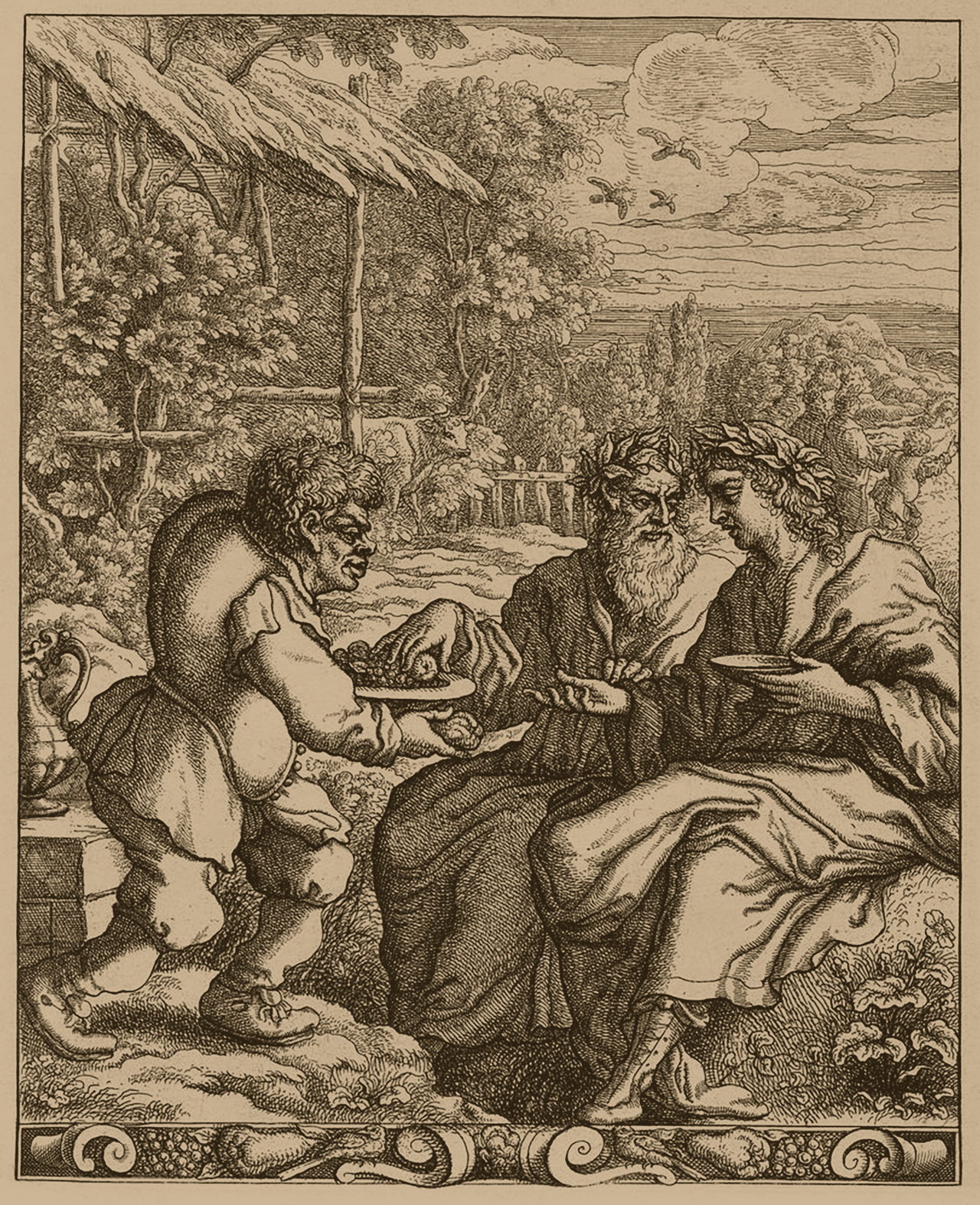 Book
Secondary source
Aesop's Fables
Aesop (attributed) · compiled from the 3rd century BCE onward
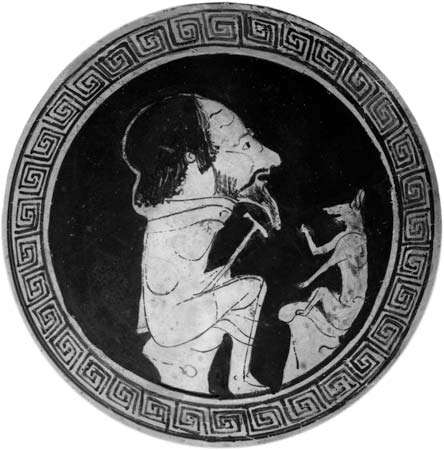 Artifact
Secondary source
Aesop and the Fox (Red-Figure Kylix)
Unknown Greek artist · c. 450 BCE
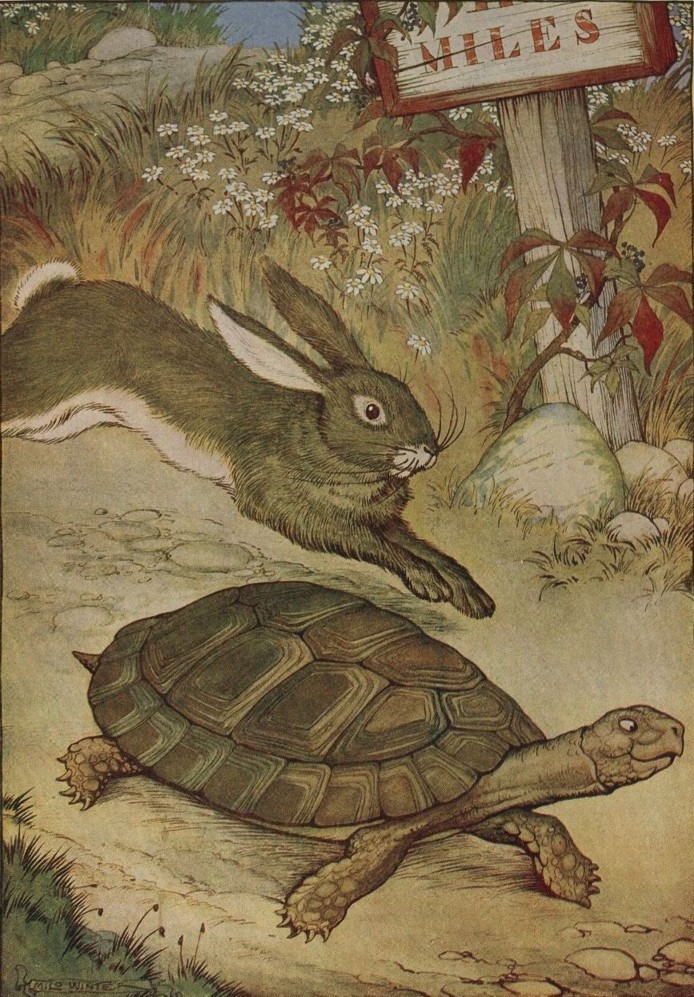 Book
Secondary source
The Tortoise and the Hare
Aesop (attributed) · ancient Greek origin, no early Latin version; printed from 16th century
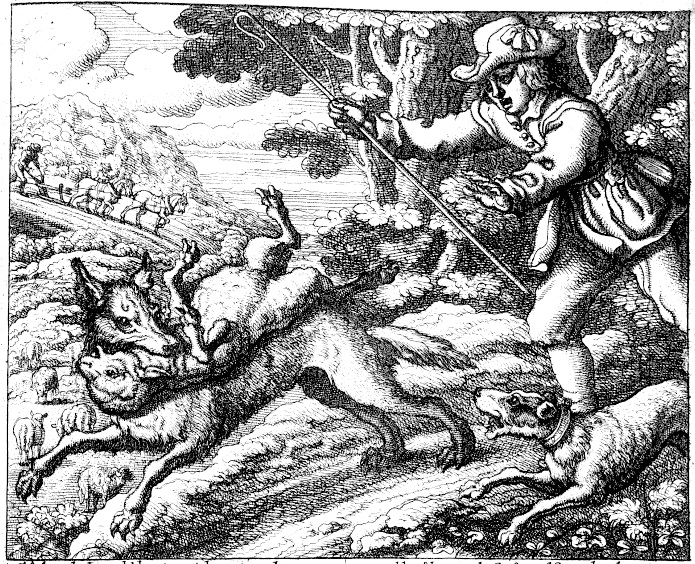 Book
Secondary source
The Boy Who Cried Wolf
Aesop (attributed) · ancient Greek origin; translated into Latin in the 15th century
Free account
Read every Aesop source
Sign up free →
Ready when you are
Start chatting with Aesop now.
20 messages free · No credit card · Available in 50+ languages.