


Primary sourceBook
The Warning
Henry Wadsworth Longfellow
A Longfellow poem comparing enslaved Americans to the biblical Samson, warning that slavery could bring destruction upon the nation.
Longfellow wrote this poem as part of his published anti-slavery poetry collection.
Free Humy account · No credit card · 120,288 sources to read
About this source
What it is
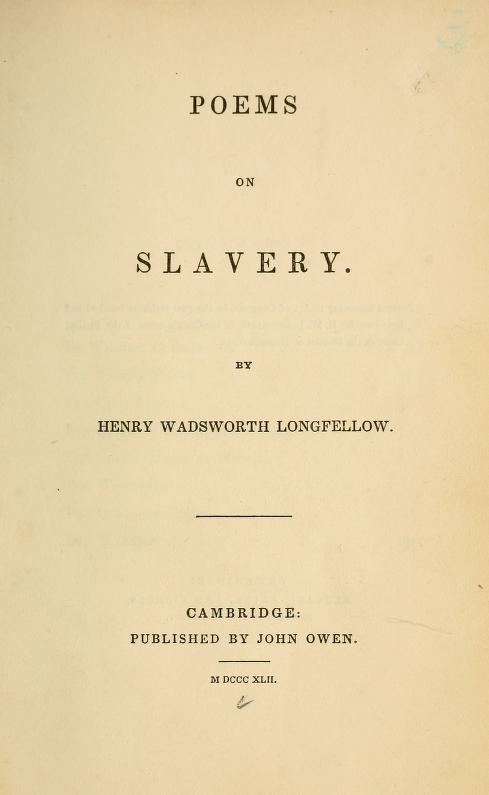
A poem by Henry Wadsworth Longfellow, included in his collection Poems on Slavery.
Why it matters
Longfellow uses the biblical story of Samson, blinded and enslaved, as a warning to American society: that the oppression of enslaved people could one day bring down the whole structure of the nation, just as Samson destroyed the temple. It shows Longfellow using religious imagery to make a political argument against slavery.
Look closer
- Why might Longfellow choose the story of Samson to make his point about slavery?
- What does comparing enslaved Americans to a 'blind Samson' suggest about Longfellow's view of the dangers of slavery to the whole nation?
- How might readers in the 1840s have reacted to this warning?
This book is part of the curated material that grounds the AI version of Henry Wadsworth Longfellow on Humy.ai — when students ask about related events, the AI can quote it and cite it.
More Henry Wadsworth Longfellow sources
Browse all 96 →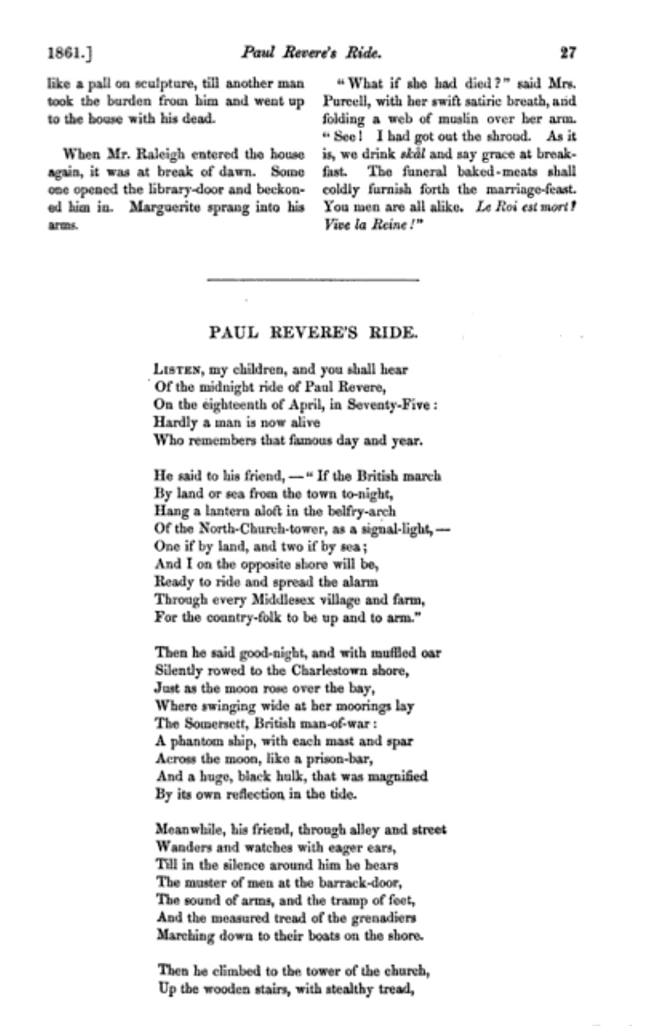 Book
Secondary source
Paul Revere's Ride
Henry Wadsworth Longfellow · 1860
Primary source
The Song of Hiawatha
Henry Wadsworth Longfellow · 1855
Primary source
Evangeline
Henry Wadsworth Longfellow · 1847
Primary source
A Psalm of Life
Henry Wadsworth Longfellow · 1838
Free account
Read every Henry Wadsworth Longfellow source
Sign up free →
Ready when you are
Start chatting with Henry Wadsworth Longfellow now.
20 messages free · No credit card · Available in 50+ languages.