


Primary sourceBook
The Witnesses
Henry Wadsworth Longfellow
An anti-slavery poem by Longfellow describing the skeletons of enslaved people lost at sea as silent accusers of slavery.
Longfellow wrote this poem as part of his published anti-slavery poetry collection.
Free Humy account · No credit card · 120,912 sources to read
About this source
What it is
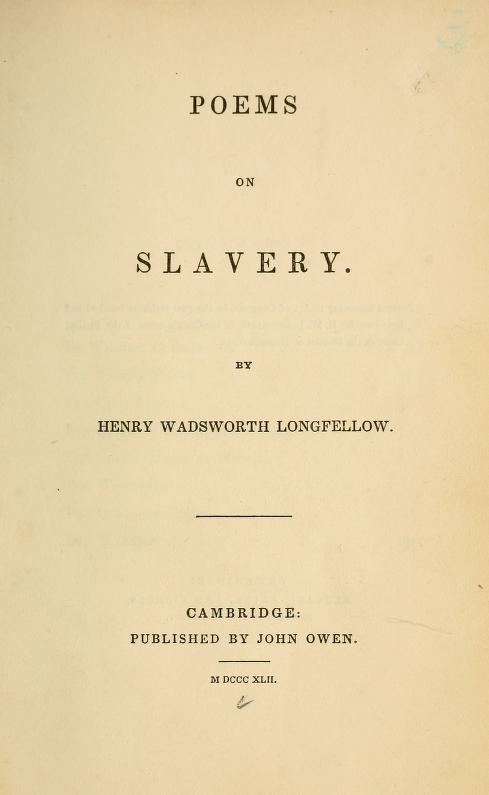
A poem written by Henry Wadsworth Longfellow, published in his collection Poems on Slavery.
Why it matters
Longfellow was a widely read American poet, and this poem shows him using his poetry to speak out against slavery, imagining the bones of enslaved people lost at sea as witnesses testifying to the cruelty of the slave trade.
Look closer
- Why might Longfellow choose drowned, silent bones as the ones who 'witness' against slavery?
- What feelings does the imagery of chains and shipwreck create in the reader?
- What does this poem tell you about how Longfellow wanted his readers to feel about slavery?
This book is part of the curated material that grounds the AI version of Henry Wadsworth Longfellow on Humy.ai — when students ask about related events, the AI can quote it and cite it.
More Henry Wadsworth Longfellow sources
Browse all 96 →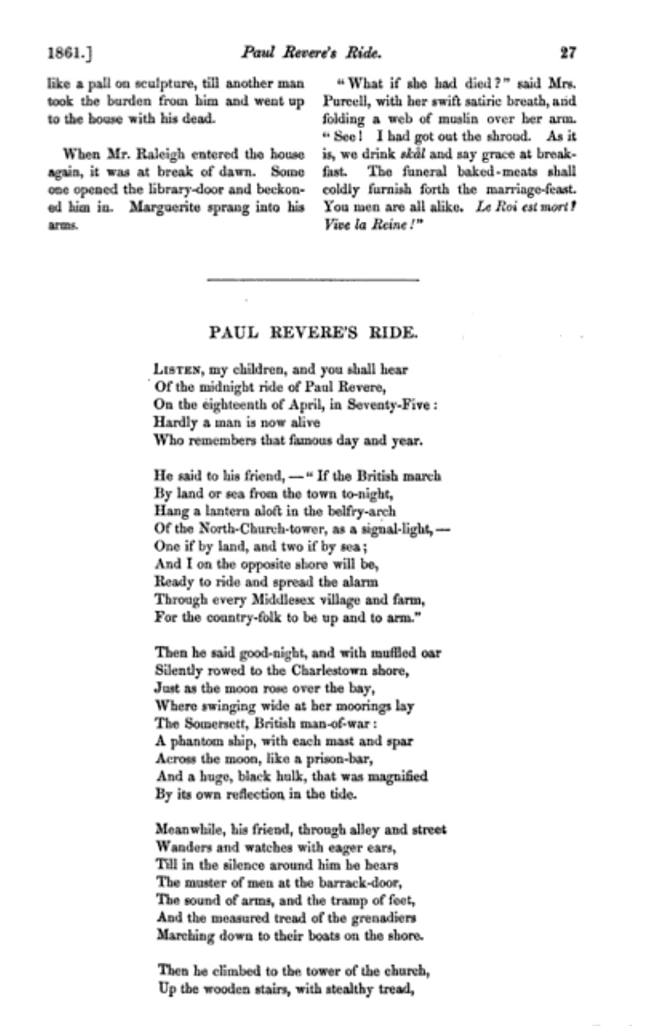 Book
Secondary source
Paul Revere's Ride
Henry Wadsworth Longfellow · 1860
Primary source
The Song of Hiawatha
Henry Wadsworth Longfellow · 1855
Primary source
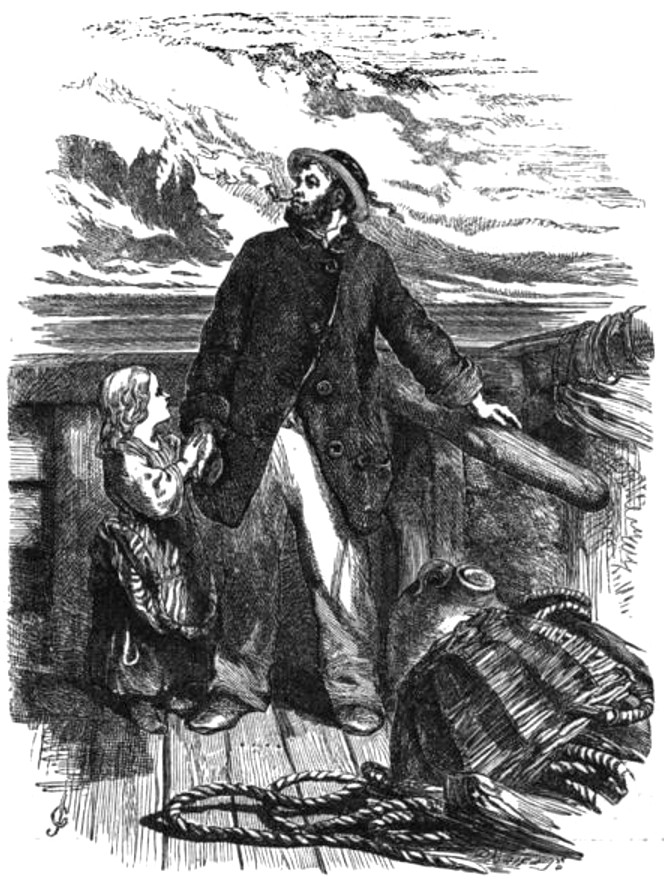
Evangeline
Henry Wadsworth Longfellow · 1847
Primary source
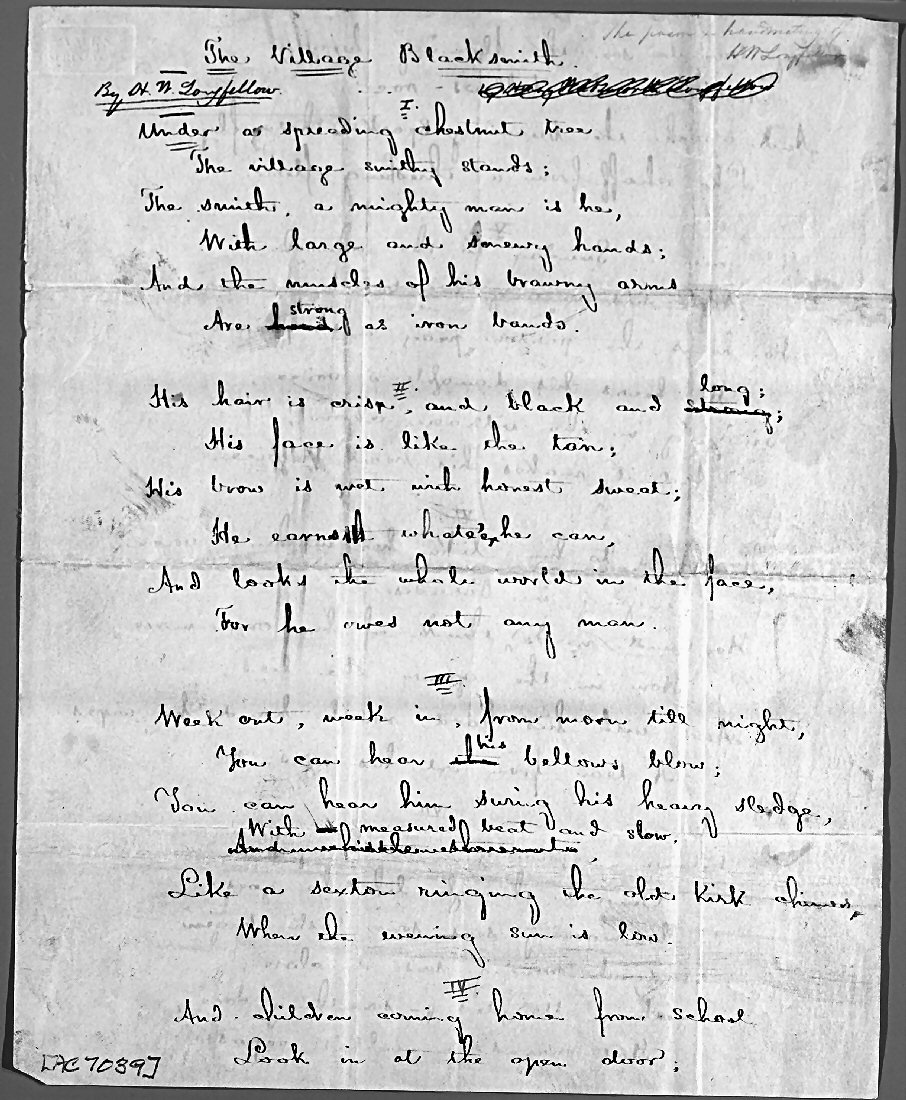
A Psalm of Life
Henry Wadsworth Longfellow · 1838
Free account
Read every Henry Wadsworth Longfellow source
Sign up free →
Ready when you are
Start chatting with Henry Wadsworth Longfellow now.
20 messages free · No credit card · Available in 50+ languages.