


Secondary sourceBook
The Wolf and the Lamb
Aesop
A fable attributed to Aesop in which a wolf invents excuses to justify killing an innocent lamb, used as a classic image of tyranny.
This fable, attributed to Aesop, reflects his tradition of using animal stories to comment on injustice and power.
Free Humy account · No credit card · 120,912 sources to read
About this source
What it is
This fable is attributed to Aesop and appears among the earliest surviving collections, including those of Phaedrus and Babrius. It tells of a wolf who accuses a lamb of various wrongs, each proven false, before killing it anyway. The version here comes from an old printed collection of the fables.
Why it matters
Writers from medieval Scotland to revolutionary France used this story to comment on injustice and the abuse of power, showing how fables attributed to Aesop were reused across centuries to criticise rulers, landlords and oppressors. Some scholars have even suggested the fable's presence in the Bayeux Tapestry carried a political message about conquest.
Look closer
- Why do you think this fable has been used so often to comment on politics and power?
- What does the wolf's behaviour suggest about how people in power can justify unfair actions?
- Why might a story like this have been especially meaningful if Aesop himself had once been enslaved?
This book is part of the curated material that grounds the AI version of Aesop on Humy.ai — when students ask about related events, the AI can quote it and cite it.
More Aesop sources
Browse all 85 →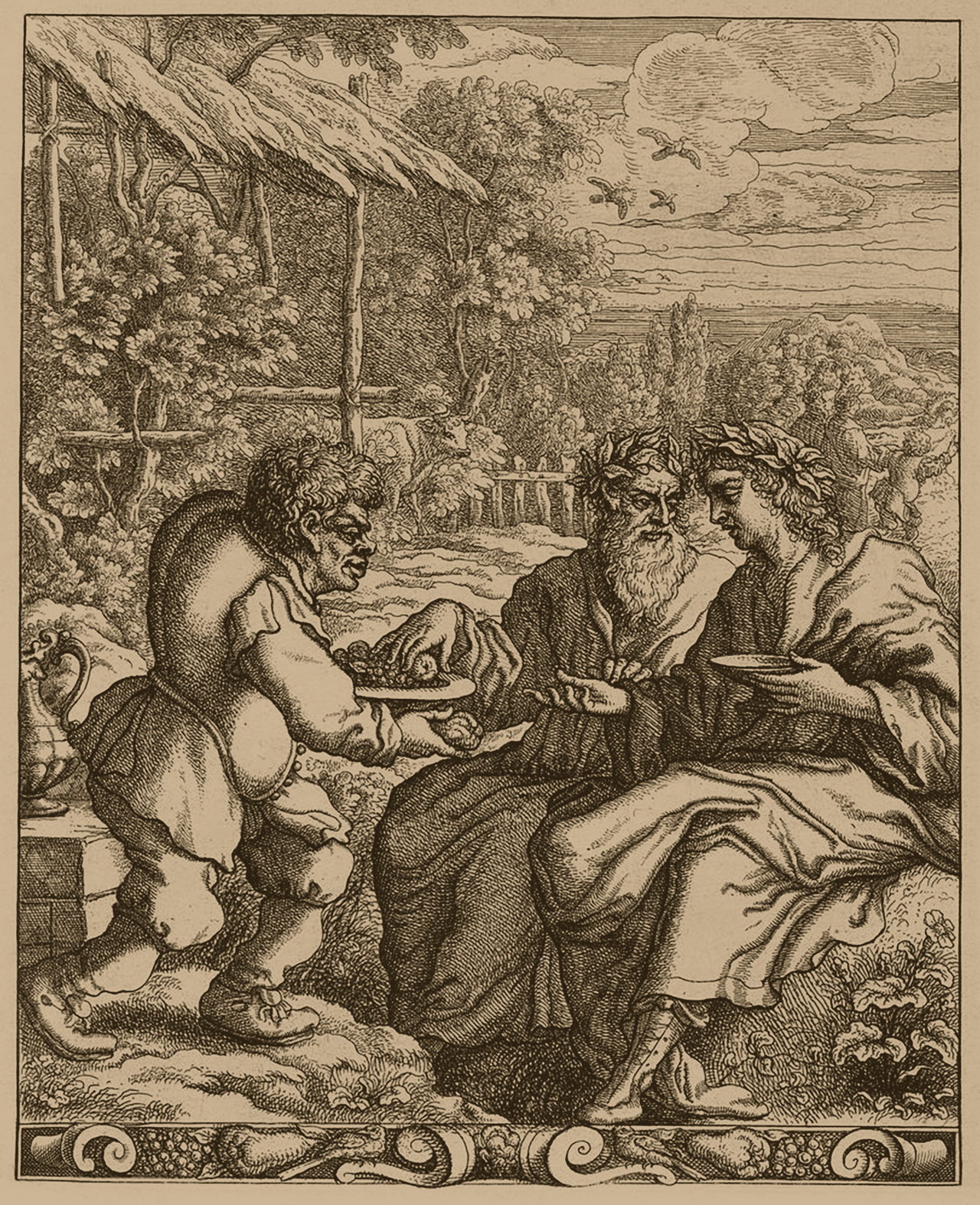 Book
Secondary source
Aesop's Fables
Aesop (attributed) · compiled from the 3rd century BCE onward
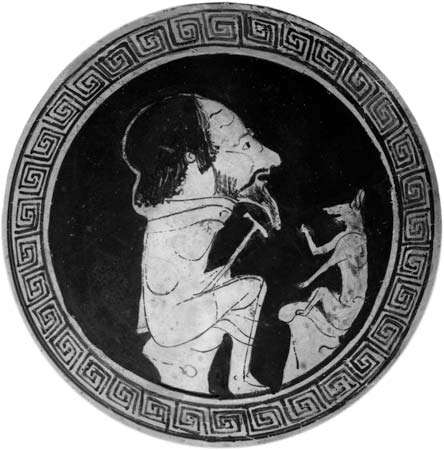 Artifact
Secondary source
Aesop and the Fox (Red-Figure Kylix)
Unknown Greek artist · c. 450 BCE
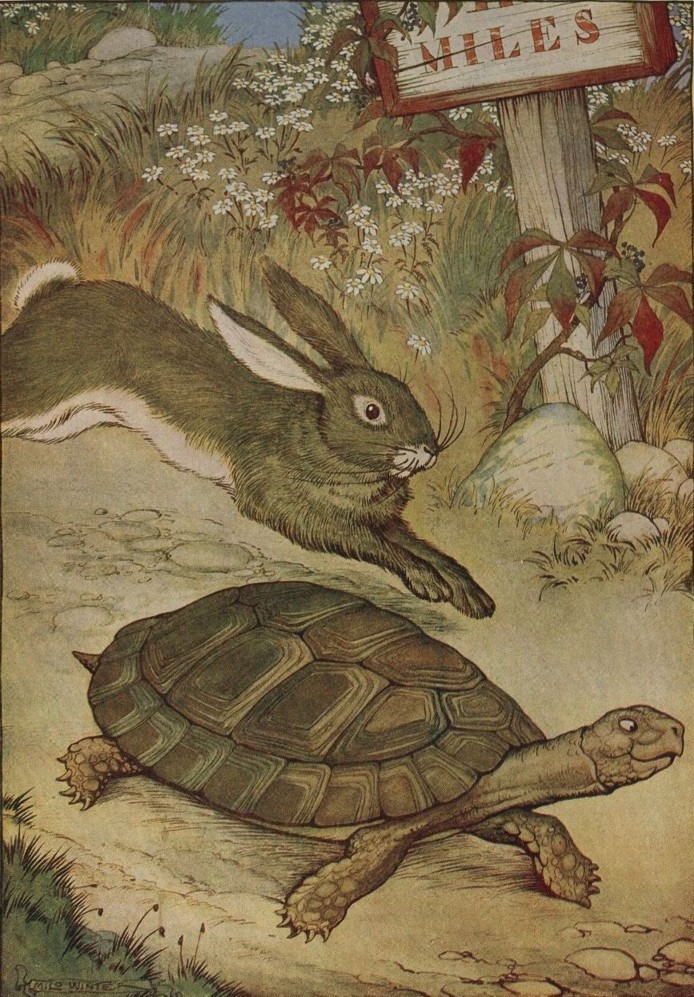 Book
Secondary source
The Tortoise and the Hare
Aesop (attributed) · ancient Greek origin, no early Latin version; printed from 16th century
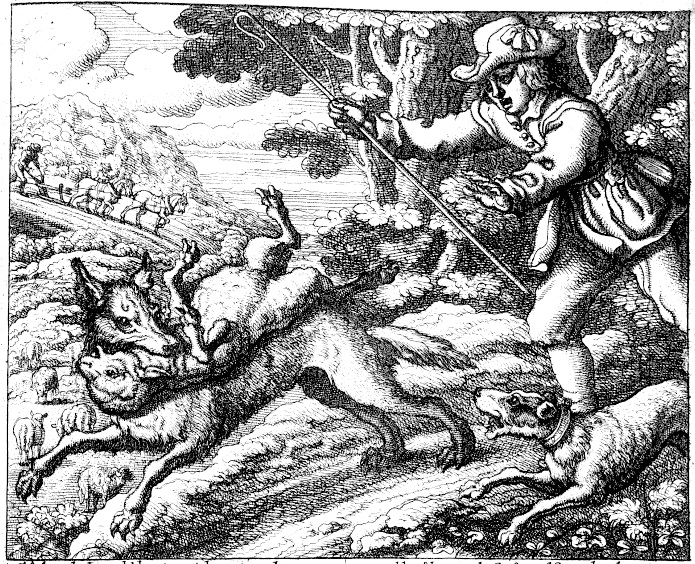 Book
Secondary source
The Boy Who Cried Wolf
Aesop (attributed) · ancient Greek origin; translated into Latin in the 15th century
Free account
Read every Aesop source
Sign up free →
Ready when you are
Start chatting with Aesop now.
20 messages free · No credit card · Available in 50+ languages.