


Secondary sourceDocument1 2th c ent ury CE adapt ation
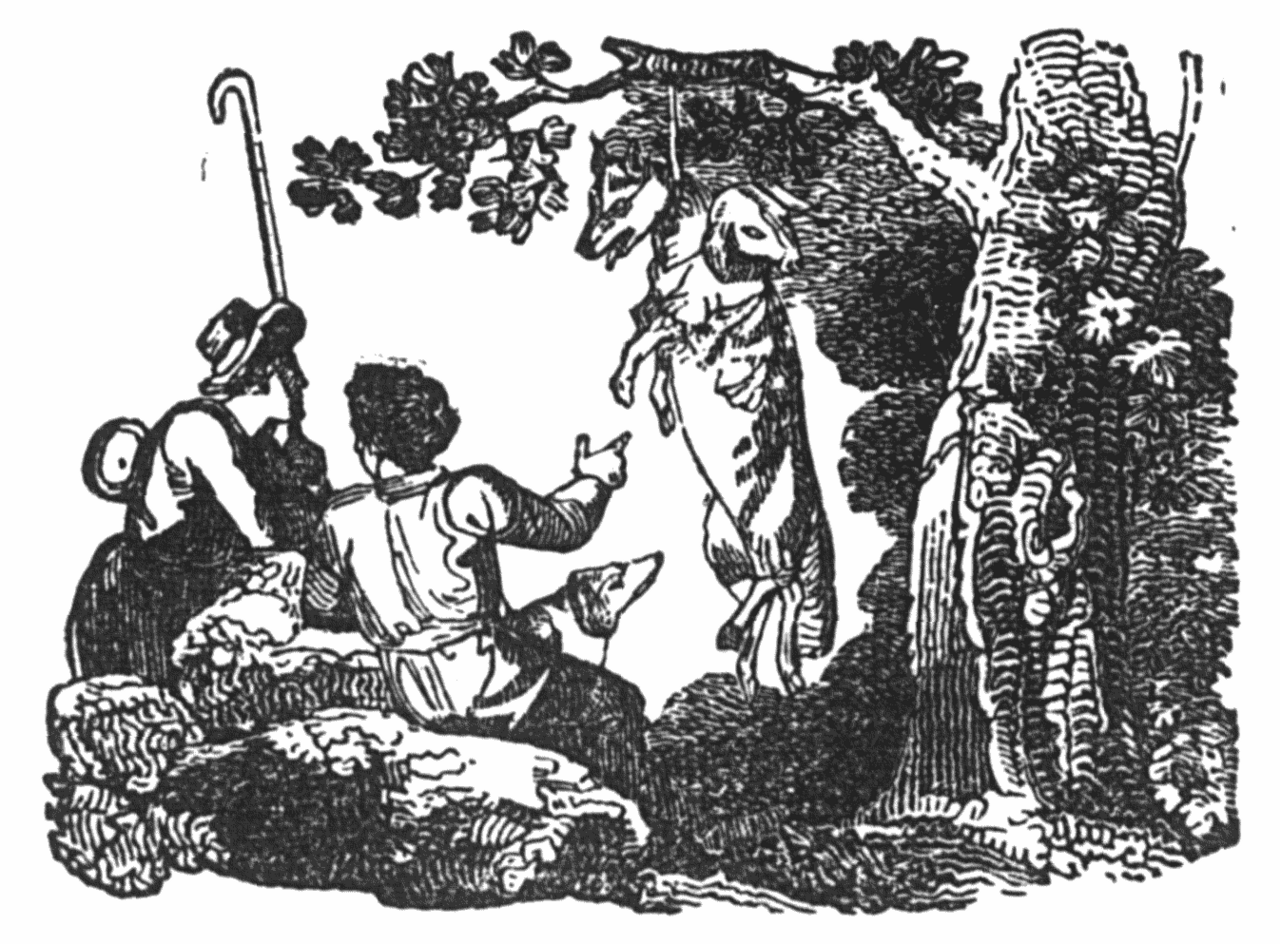
The Wolf in Sheep's Clothing
1 2th c ent ury CE adapt ation
A fable traditionally attributed to Aesop about a wolf disguised among sheep, though scholars say it dates only from the medieval period.
T his fa ble is tr adit io n ally bu t fa lsely at tribut ed t o A esop, sh ow ing h ow his na me ga th ered sto ri es o ver c enturies.
Free Humy account · No credit card · 120,912 sources to read
About this source
What it is
This fable tells of a wolf that disguises itself in a sheep's skin to deceive a flock, only to be discovered and killed. It is commonly credited to Aesop, but the earliest known version of this exact story was written by the 12th-century Greek writer Nikephoros Basilakis, centuries after Aesop lived.
Why it matters
The story shares its central image with a phrase used by Jesus in the Gospel of Matthew, warning against people who disguise their true nature. Over time, Aesop's name became attached to many fables he did not actually write, showing how legendary storytellers can absorb stories from many later sources.
Look closer
- Why might later writers have wanted to attach Aesop's name to a story he probably did not tell?
- How does the wolf's punishment in this fable compare with the message in the Gospel version?
- What does this fable's history tell you about how
This document is part of the curated material that grounds the AI version of Aesop on Humy.ai — when students ask about related events, the AI can quote it and cite it.
More Aesop sources
Browse all 85 →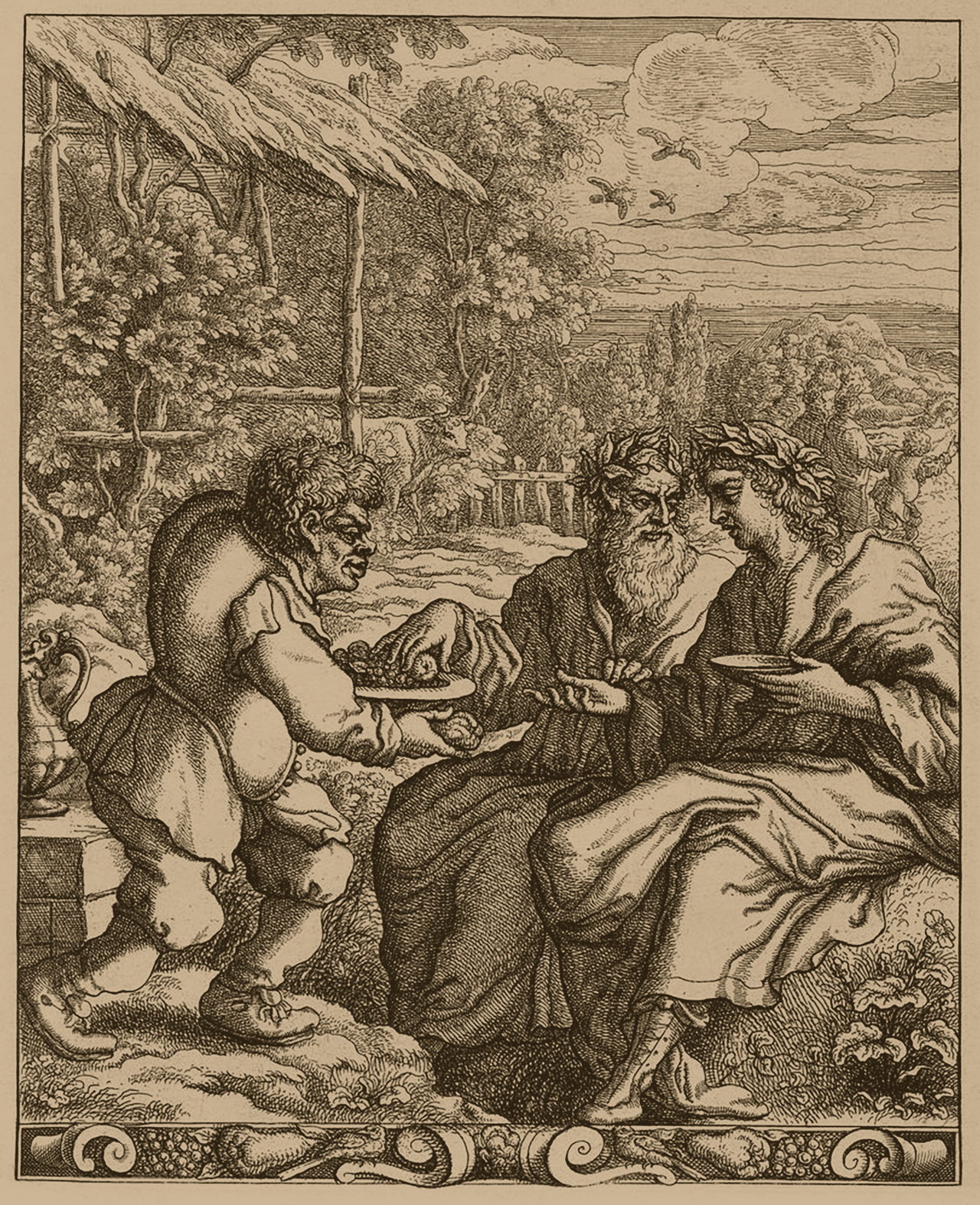 Book
Secondary source
Aesop's Fables
Aesop (attributed) · compiled from the 3rd century BCE onward
 Artifact
Secondary source
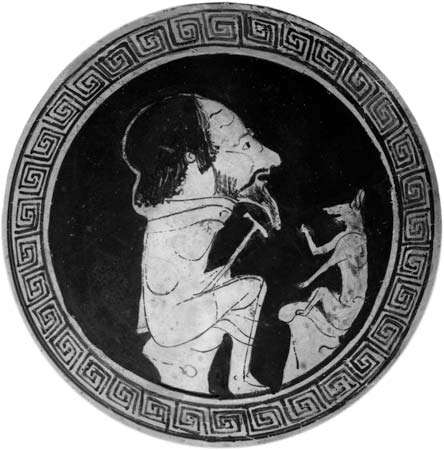
Aesop and the Fox (Red-Figure Kylix)
Unknown Greek artist · c. 450 BCE
 Book
Secondary source
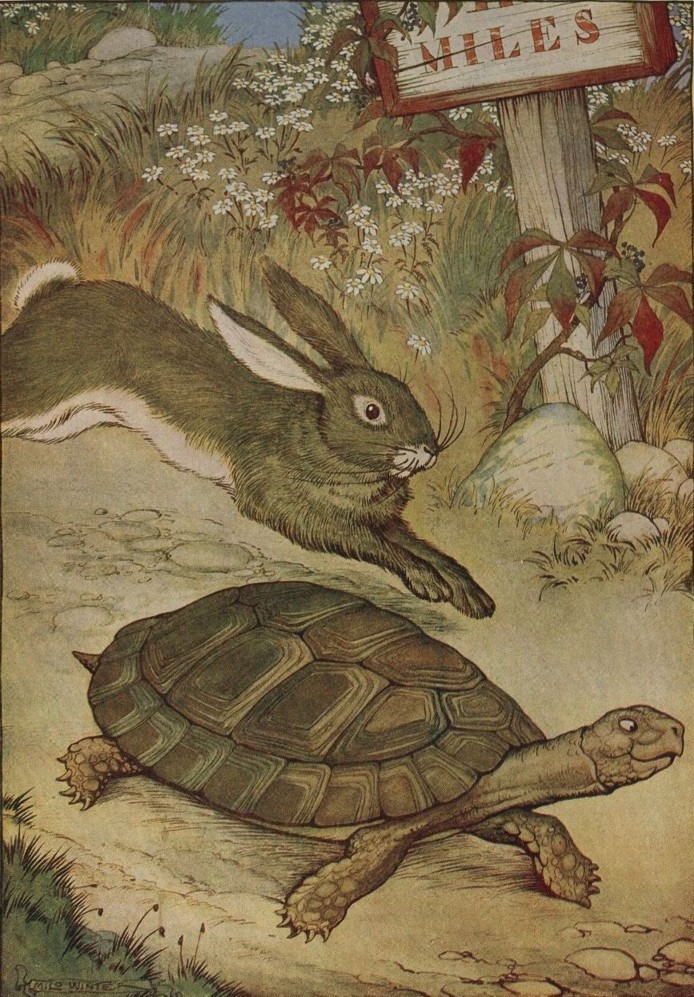
The Tortoise and the Hare
Aesop (attributed) · ancient Greek origin, no early Latin version; printed from 16th century
 Book
Secondary source
The Boy Who Cried Wolf
Aesop (attributed) · ancient Greek origin; translated into Latin in the 15th century
Free account
Read every Aesop source
Sign up free →
Ready when you are
Start chatting with Aesop now.
20 messages free · No credit card · Available in 50+ languages.