


Primary sourceBook1840
The Wreck of the Hesperus
Henry Wadsworth Longfellow · 1840
A narrative poem by Longfellow about a sea captain's pride leading to his daughter's death in a shipwreck, inspired by a real 1839 storm.
Longfellow wrote this popular ballad, drawing on a real storm and shaping it into a cautionary sea tale.
Free Humy account · No credit card · 120,912 sources to read
About this source
What it is
This ballad was written by Henry Wadsworth Longfellow and first published in 1840, later collected in Ballads and Other Poems (1841/1842). It tells of a skipper who ignores warnings of a coming storm and ties his daughter to the mast of his ship to keep her safe, only for both to be lost when the ship wrecks on a reef.
Why it matters
Longfellow based the poem on a real blizzard that struck the northeastern United States in 1839 and destroyed many ships, combining details from more than one wreck. The poem shows how he turned real tragedy into popular narrative verse, and it became so well known that its title entered everyday language as a phrase for something wrecked or disheveled.
Look closer
- Why might Longfellow have combined details from two different shipwrecks into one story?
- What does the poem suggest about the dangers of pride or ignoring warnings?
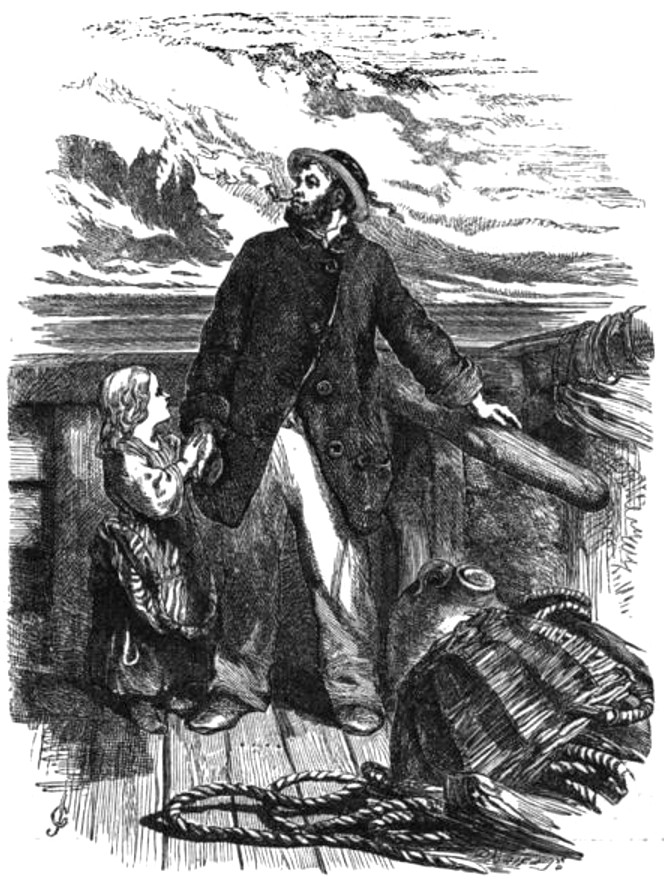
- How does the illustration shown here try to capture the poem's mood?
This book is part of the curated material that grounds the AI version of Henry Wadsworth Longfellow on Humy.ai — when students ask about related events, the AI can quote it and cite it.
More Henry Wadsworth Longfellow sources
Browse all 96 → Book
Secondary source
Paul Revere's Ride
Henry Wadsworth Longfellow · 1860
Primary source
The Song of Hiawatha
Henry Wadsworth Longfellow · 1855
Primary source
Evangeline
Henry Wadsworth Longfellow · 1847
Primary source
A Psalm of Life
Henry Wadsworth Longfellow · 1838

Free account
Read every Henry Wadsworth Longfellow source
Sign up free →
Ready when you are
Start chatting with Henry Wadsworth Longfellow now.
20 messages free · No credit card · Available in 50+ languages.