


Primary sourcePaintingc. 1610
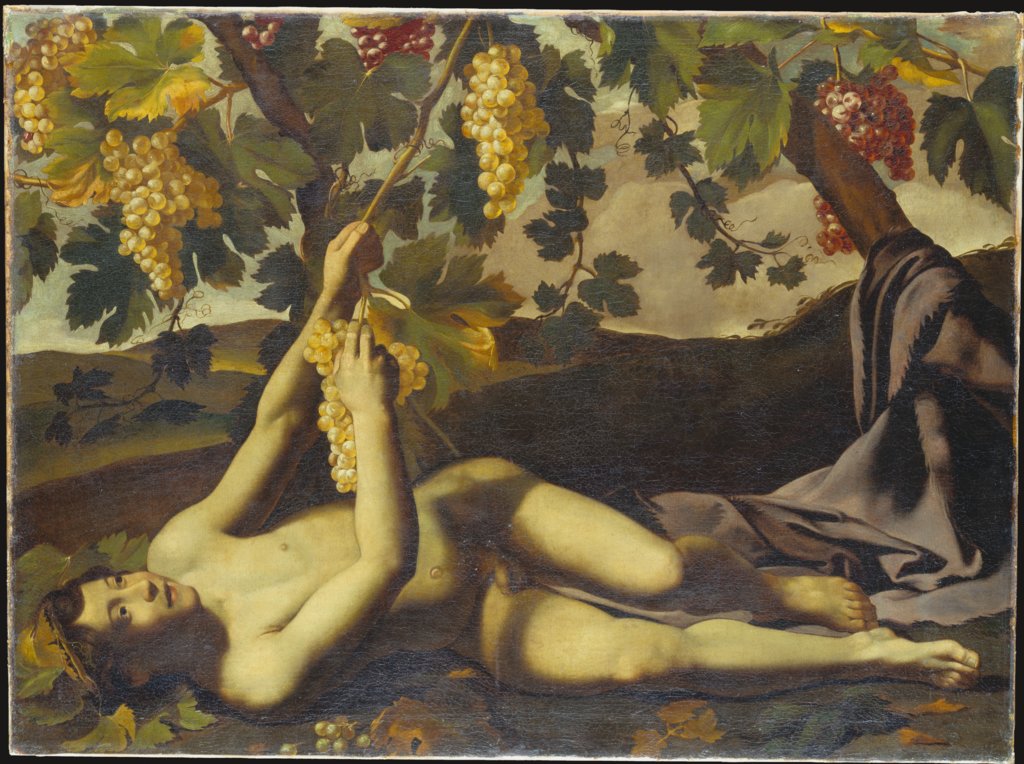
The Young Bacchus
Caravaggio · c. 1610
A painting by Caravaggio showing a youthful Bacchus, the god of wine, reclining with grapes and vine leaves.
This painting is one of Caravaggio's own works, showing his characteristic naturalism and dramatic light.
About this source
What it is
This is a painting by Caravaggio, made around 1610, showing the god Bacchus as a young man reclining with a wreath of leaves, grapevines, and a branch of grapes raised in his hand.
Why it matters
The painting shows Caravaggio's skill at painting the human body realistically, using ordinary-looking models rather than idealised gods. It reflects how he mixed mythology with naturalistic, everyday detail, a style that was new and influential in his time.
Look closer
- What makes this figure look like a real person rather than an idealised god?
- How does the lighting draw your eye around the painting?
- Why might Caravaggio have chosen to paint a mythological subject this way?
This painting is part of the curated material that grounds the AI version of Caravaggio on Humy.ai — when students ask about related events, the AI can quote it and cite it.
More Caravaggio sources
Browse all 90 →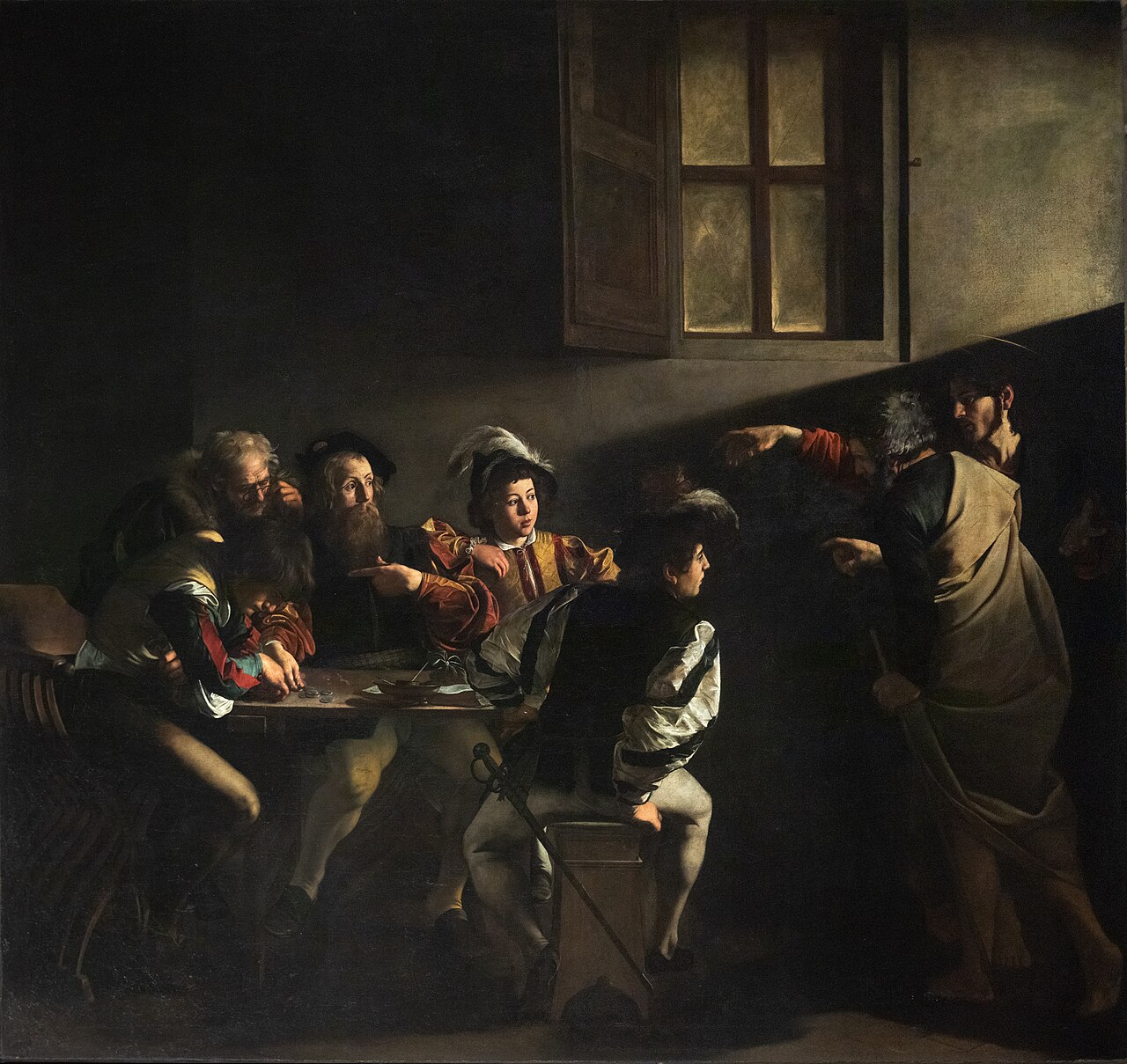 Painting
Secondary source
The Calling of Saint Matthew
Caravaggio · 1599–1600
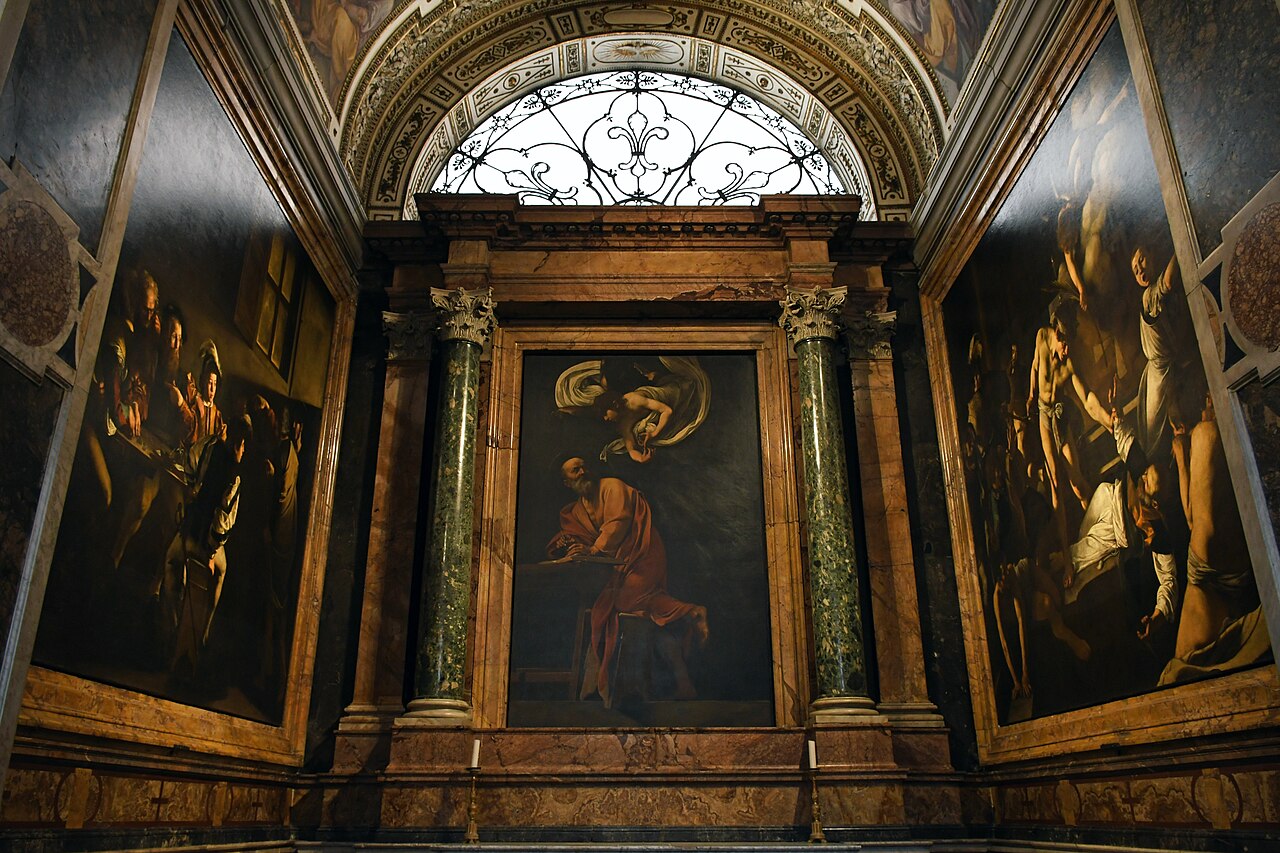 Artifact
Primary source
Contarelli Chapel
Caravaggio · 1600
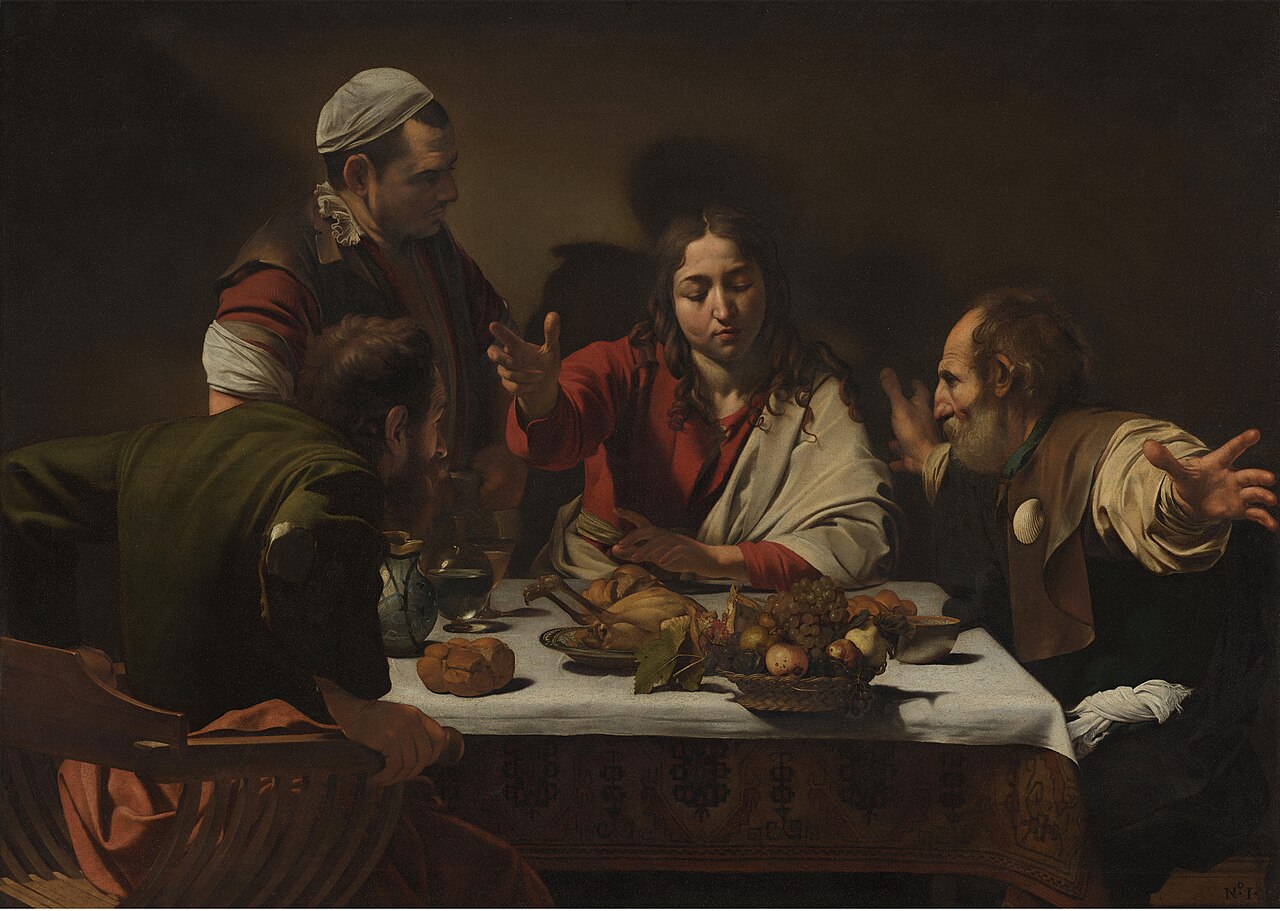 Painting
Secondary source
Supper at Emmaus
Caravaggio · 1601
 Painting
Secondary source
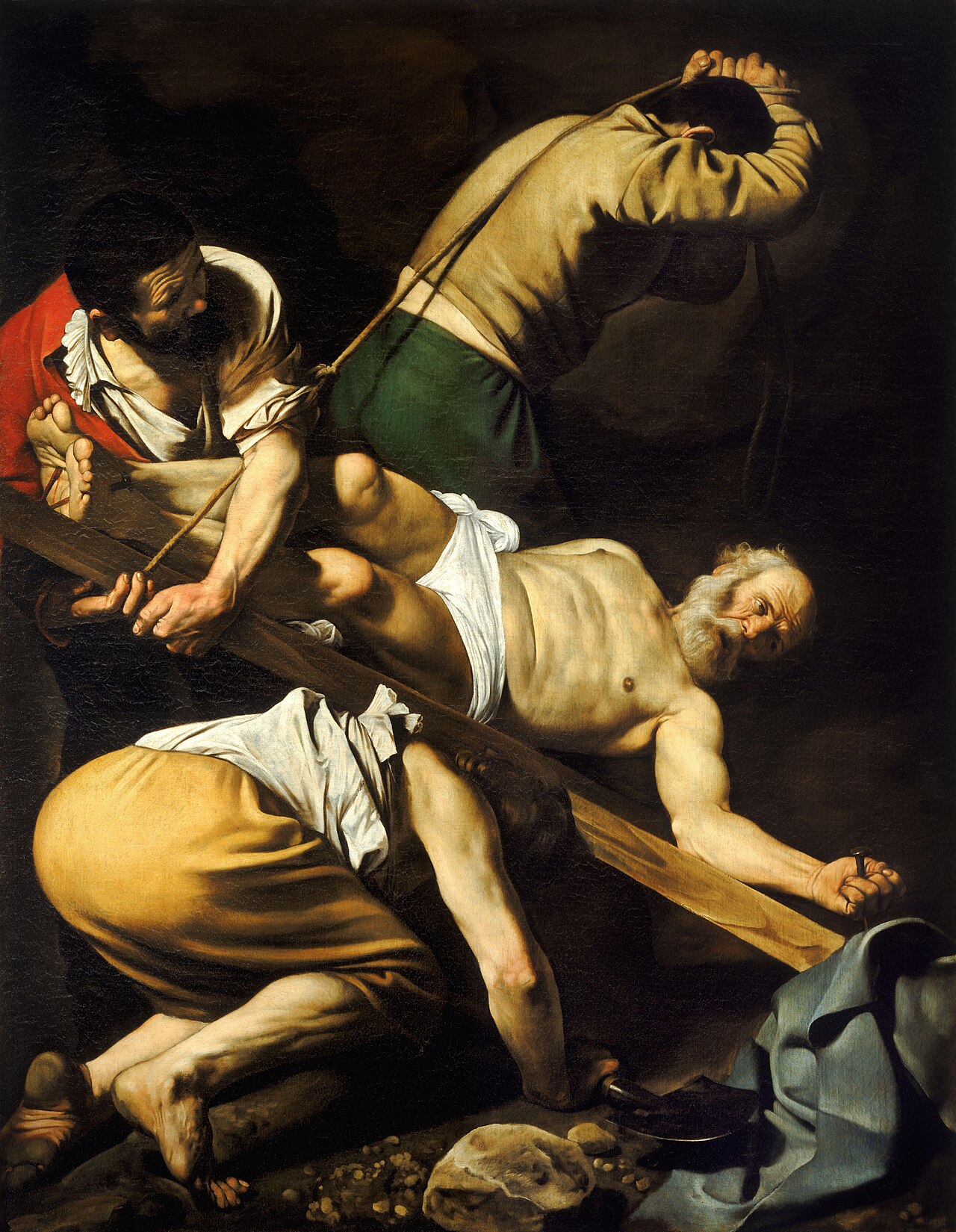
Crucifixion of Saint Peter
Caravaggio · 1600-1601
Free account
Read every Caravaggio source
Sign up free →
Ready when you are
Start chatting with Caravaggio now.
20 messages free · No credit card · Available in 50+ languages.