


Secondary sourceSculpture1885, cast 1927
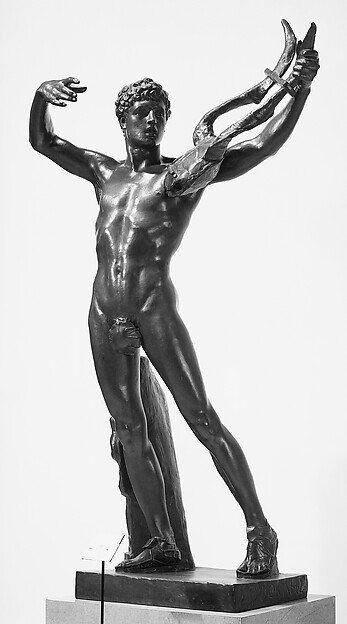
The Young Sophocles Leading the Chorus
John Talbott Donoghue · 1885, cast 1927
A bronze statue of a youthful Sophocles depicted leading a victory chorus, created long after his death.
This sculpture symbolizes Sophocles' legacy as a celebrated playwright, depicted in a moment of youthful triumph.
About this source
What it is
This bronze statue by John Talbott Donoghue, created in 1885 and cast in 1927, depicts a young Sophocles as he leads a chorus celebrating victory after the Battle of Salamis. It is part of The Metropolitan Museum of Art's collection.
Why it matters
This sculpture is significant as it captures Sophocles not just as a playwright, but as a figure of youth and celebration in a historical and cultural narrative important to ancient Greece. The artwork emphasizes themes of victory and artistic expression tied to historical events.
Look closer
- What does the choice to depict Sophocles as youthful suggest about how he is remembered?
- How does the imagery of leading a chorus relate to the themes present in his plays?
- What artistic choices did Donoghue make to convey the spirit of celebration in this piece?
This sculpture is part of the curated material that grounds the AI version of Sophocles on Humy.ai — when students ask about related events, the AI can quote it and cite it.
More Sophocles sources
Meet the AI Sophocles →Primary source
Oedipus Rex
Sophocles · c. 429 BCE
Primary source
Antigone
Sophocles · c. 441 BCE
Primary source
Oedipus at Colonus
Sophocles · written shortly before 406 BCE; first performed 401 BCE
 Book
Secondary source
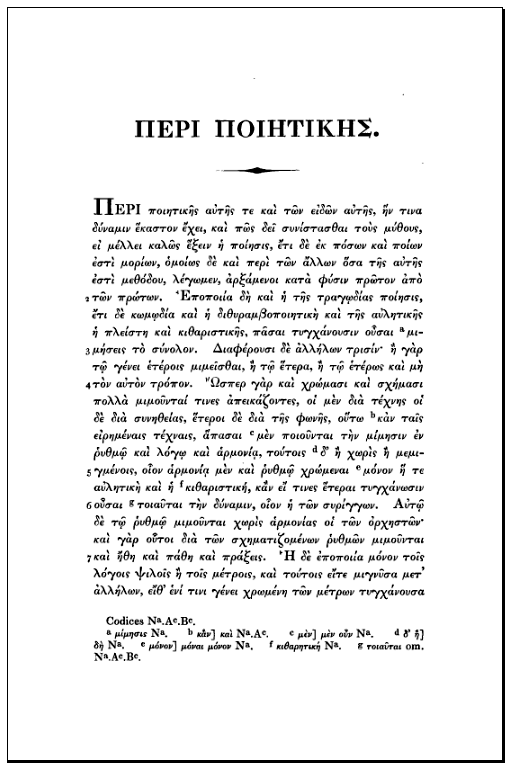
Poetics
Aristotle · c. 335 BCE
 Sculpture
Secondary source
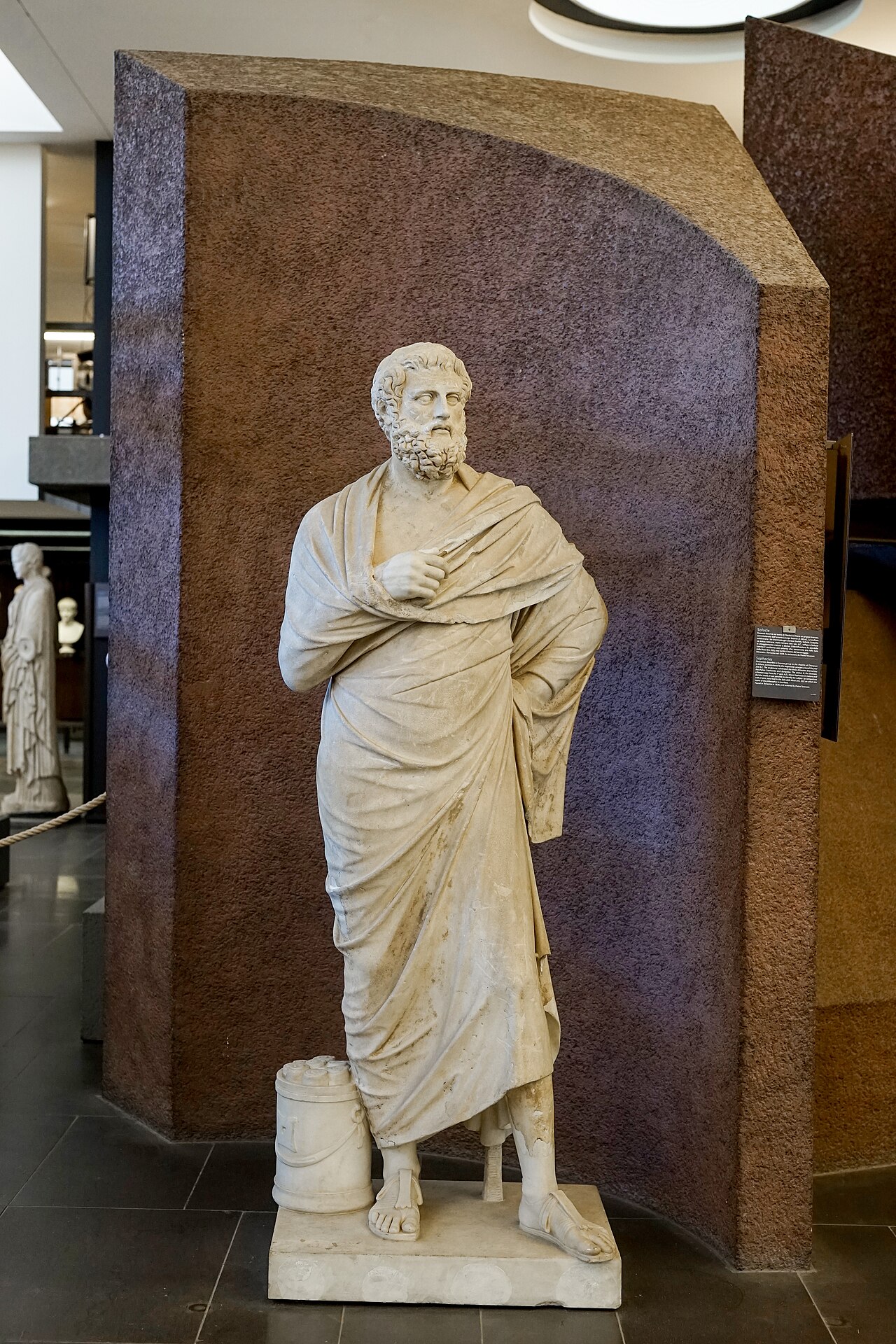
Statue of Sophocles (Lateran type)
Roman copy, 1st century CE, of a Greek original of the 4th century BCE
Ready when you are
Start chatting with Sophocles now.
20 messages free · No credit card · Available in 50+ languages.