


Secondary sourceDocument1918
Thoreau
Archibald MacMechan · 1918
A 1918 literary history chapter by Archibald MacMechan that assesses Thoreau's place in American literature. It is a later analysis, not a source written by Thoreau.
This 1918 chapter is a later literary history that assesses Thoreau's place in American letters, useful for seeing how critics later judged him.
About this source
What it is
This is Chapter X of Book II of The Cambridge History of American Literature, published in 1918. The chapter, written by Archibald MacMechan, opens with a portrait of Thoreau as a rebel in the village of Concord, Massachusetts, where he was born on 12 July 1817. It discusses his youth, education and wider literary reputation. The text is available on Wikisource.
Why it matters
MacMechan wrote about Thoreau nearly sixty years after his death, so the chapter reflects how American critics were judging him in the early twentieth century. It places him in the context of Concord and the Transcendental movement, which included Emerson. Reading a later critic's view helps students separate what Thoreau wrote from how others have interpreted him.
Look closer
- How does MacMechan describe Thoreau as a "village rebel," and what evidence does he use?
- Why might a 1918 historian judge Thoreau differently from his own contemporaries?
- What parts of Thoreau's life or work might this chapter leave out?
This document is part of the curated material that grounds the AI version of Henry David Thoreau on Humy.ai — when students ask about related events, the AI can quote it and cite it.
More Henry David Thoreau sources
Meet the AI Henry David Thoreau →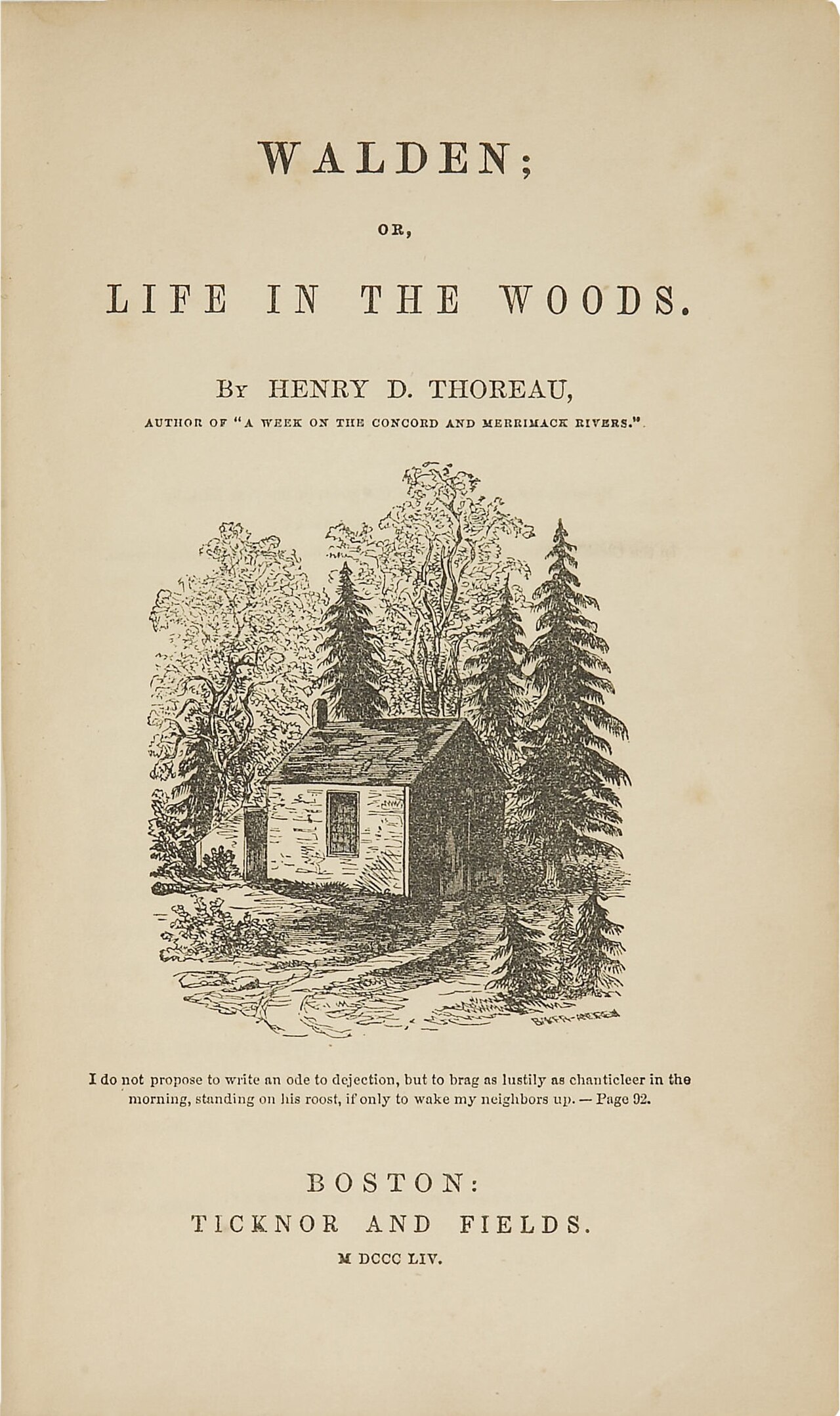 Book
Primary source
Walden
Henry David Thoreau · 1854
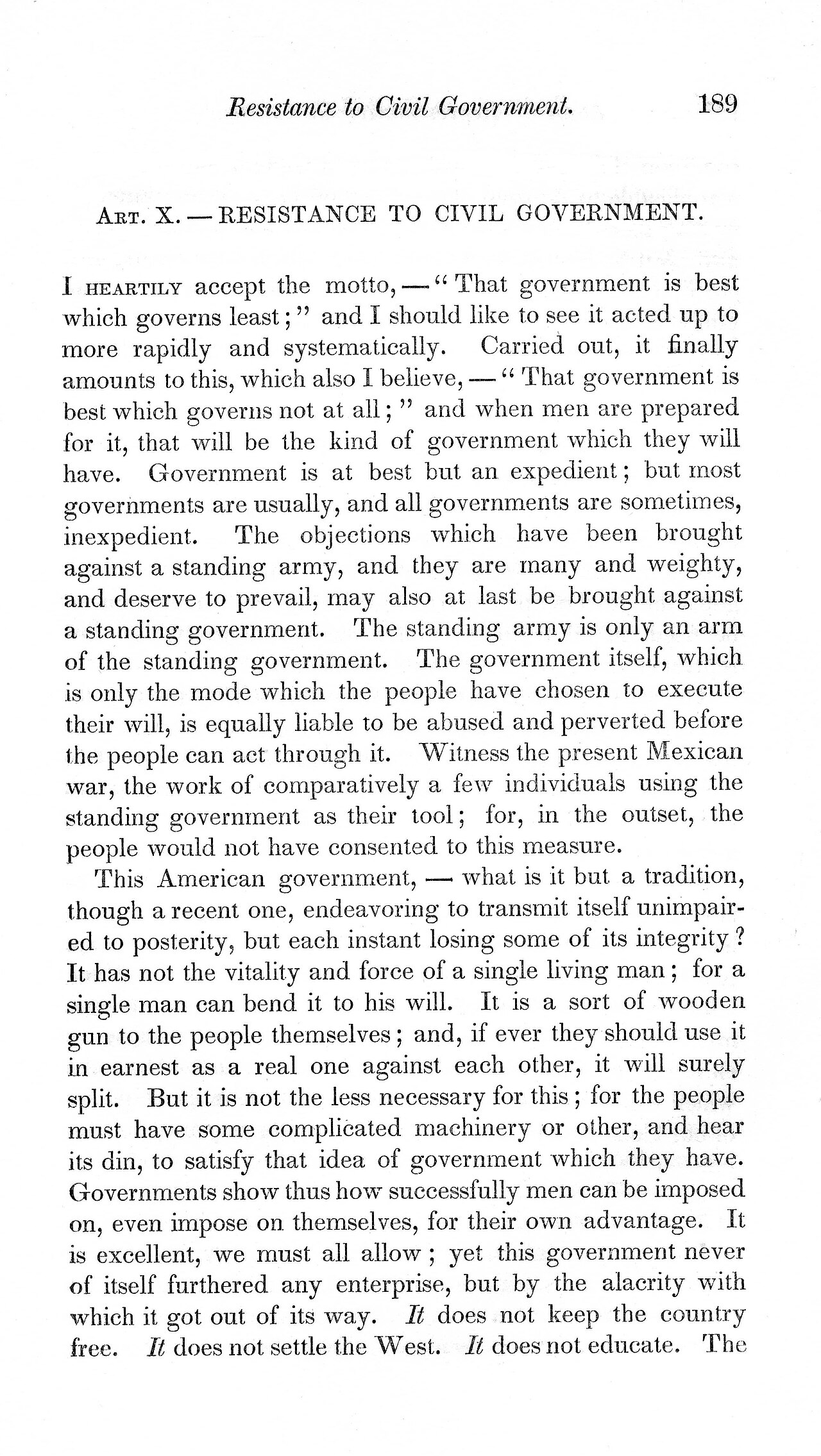 Book
Primary source
Civil Disobedience
Henry David Thoreau · 1849
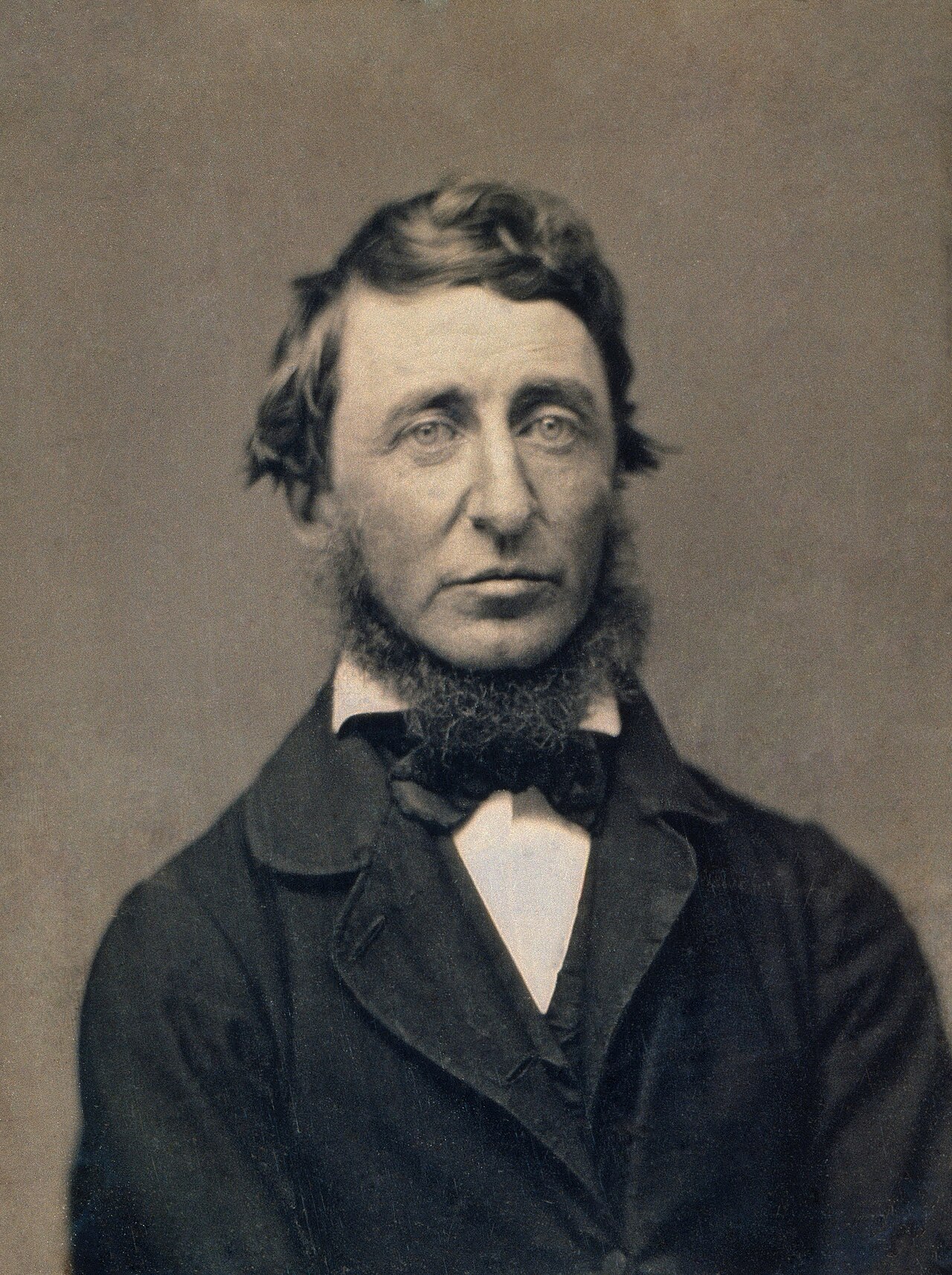 Photograph
Primary source
Daguerreotype Portrait of Henry David Thoreau
Benjamin D. Maxham · 18 June 1856
Primary source
Slavery in Massachusetts
Henry David Thoreau · 4 July 1854
Primary source
A Plea for Captain John Brown
Henry David Thoreau · 30 October 1859
Ready when you are
Start chatting with Henry David Thoreau now.
20 messages free · No credit card · Available in 50+ languages.