


Secondary sourceSculpturec. 1700
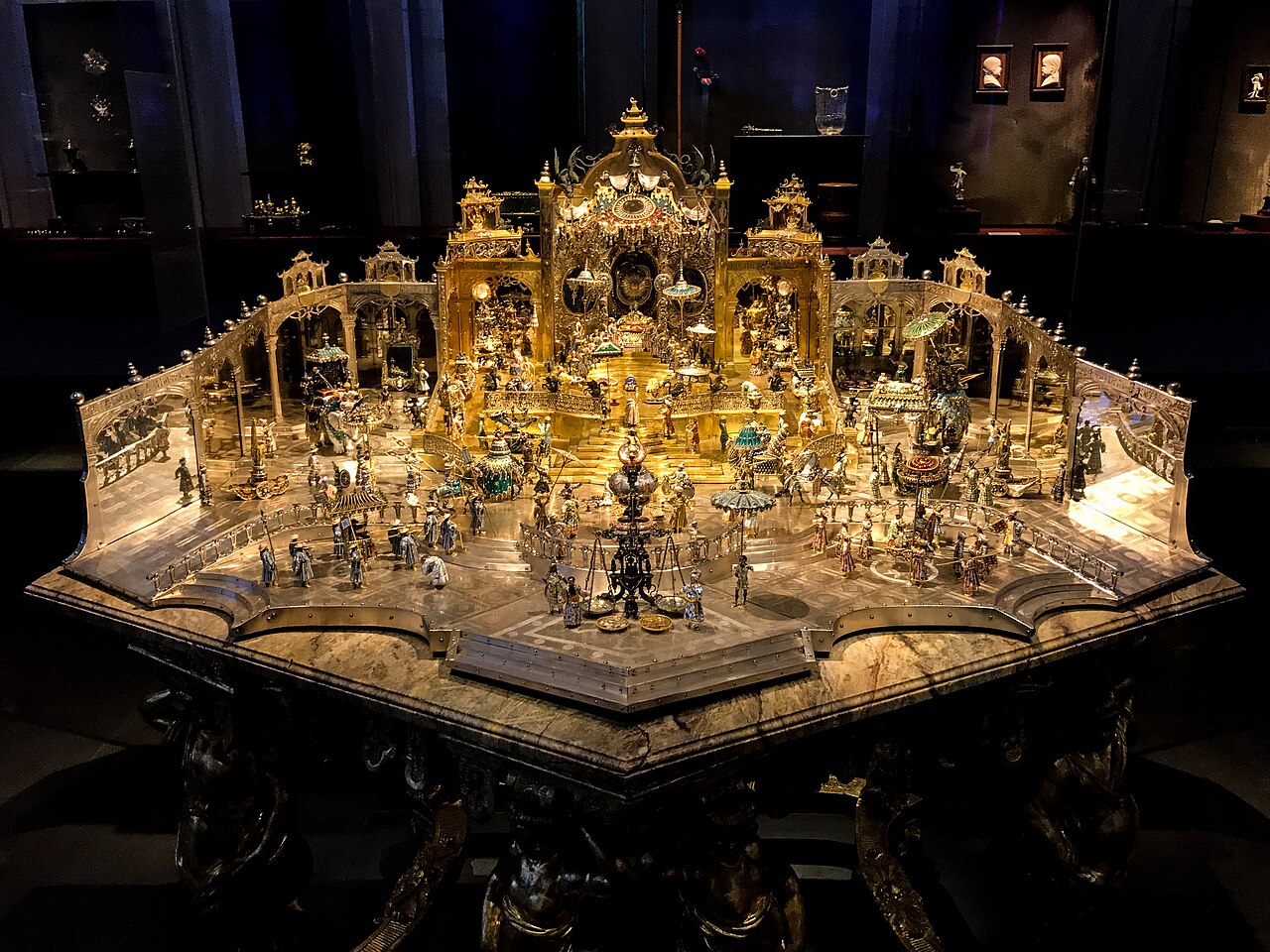
Throne of Aurangzeb (Hofstaat zu Delhi)
Johann Melchior Dinglinger · c. 1700
A jewelled European diorama made around 1700 by Johann Melchior Dinglinger, imagining the Mughal court of Aurangzeb.
A European imagining of Aurangzeb's court, reflecting his reputation for wealth and splendor abroad during his reign.
About this source
What it is
This gold and jewel-encrusted tableau, called the 'Court at Delhi,' was made around 1700 by the goldsmith Johann Melchior Dinglinger for Augustus the Strong. It depicts a miniature Mughal court and embassies during Aurangzeb's reign, and is held in the Green Vault in Dresden.
Why it matters
This object was not made in the Mughal Empire but in Europe, by a German goldsmith working for a European ruler. It shows how Europeans imagined the fabulous wealth of Aurangzeb's court during his lifetime, even though they had not necessarily seen it themselves. It tells us more about European fascination with Mughal splendor than about the actual Mughal court.
Look closer
- Who made this object, and for whom?
- What does the amount of gold and jewels suggest about European ideas of Mughal wealth?
- Why is it important to know this was made in Europe rather than in India?
This sculpture is part of the curated material that grounds the AI version of Aurangzeb on Humy.ai — when students ask about related events, the AI can quote it and cite it.
More Aurangzeb sources
Meet the AI Aurangzeb →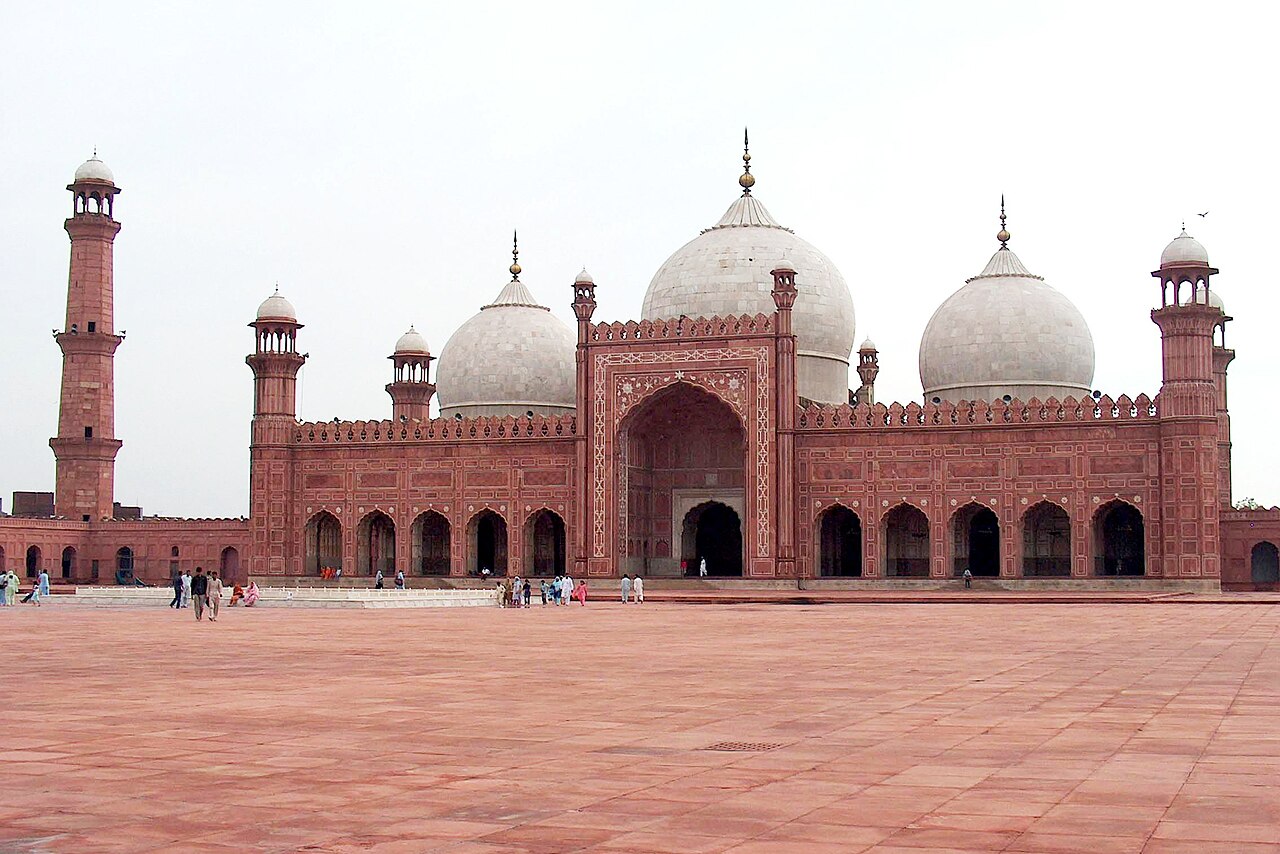 Artifact
Primary source
Badshahi Mosque
1671–1673
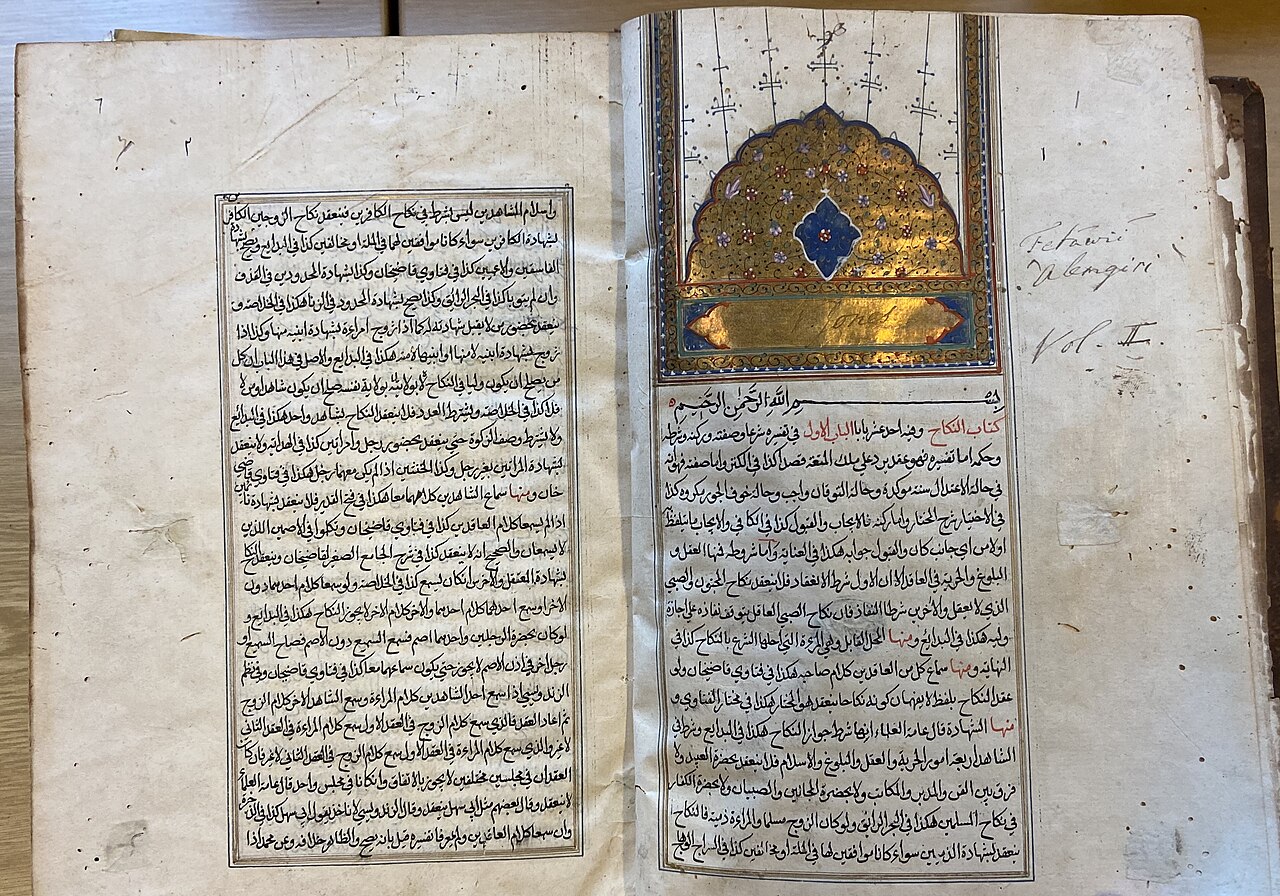 Document
Primary source
Fatawa-i Alamgiri Manuscript
17th century (this copy later recopied)
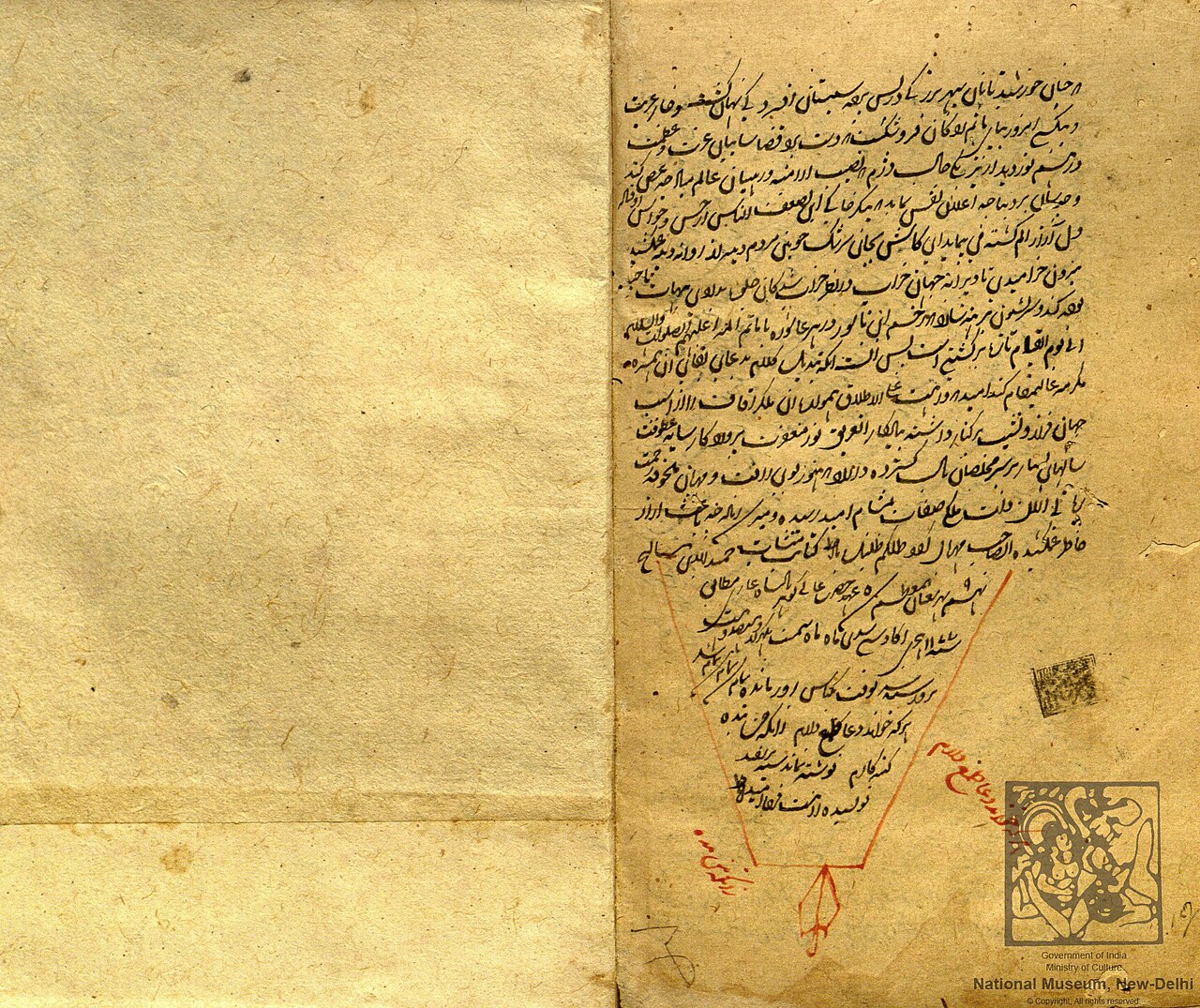 Book
Secondary source
Maasir-i-Alamgiri
Saqi Musta'id Khan · c. 1710 (this copy 1763-1764)
Primary source
Ruka'at-i-Alamgiri
Aurangzeb · 17th century
 Letter
Primary source
Zafarnamah
Guru Gobind Singh · 1705
Ready when you are
Start chatting with Aurangzeb now.
20 messages free · No credit card · Available in 50+ languages.