


Secondary sourceBook13th–20th century, example page from 1700
Timbuktu Manuscripts
13th–20th century, example page from 1700
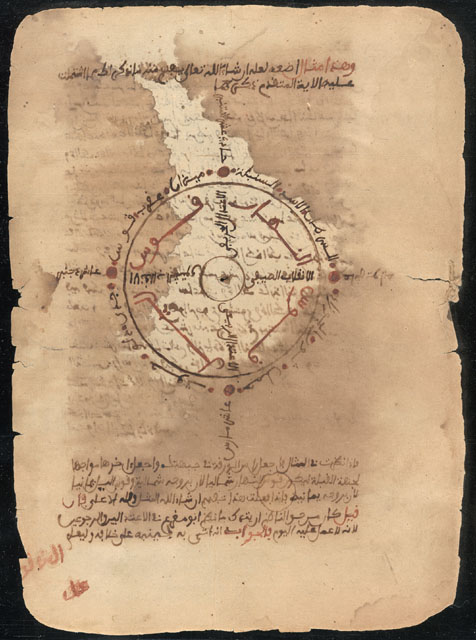
A vast collection of manuscripts preserved in Timbuktu, representing the scholarly culture that grew from the patronage of learning Mansa Musa helped establish.
The scholarly legacy of the Timbuktu learning culture that Musa's patronage helped found.
About this source
What it is
The Timbuktu Manuscripts are a huge body of handwritten texts preserved for centuries in private households in Timbuktu, Mali. Written mostly in Arabic, with some in African languages using Arabic script, they date from the late 13th to the early 20th century and cover subjects from science and medicine to law, poetry and religion.
Why it matters
This scholarly tradition grew out of the culture of Islamic learning that flourished in Mali partly because of Musa's support for scholars and jurists after his famous pilgrimage. The manuscripts show the lasting intellectual legacy connected to his reign.
Look closer
- Why do you think so many different subjects were written about in Timbuktu?
- What challenges do historians face in preserving and studying manuscripts like these?
- How does this collection help us understand the legacy of Musa's patronage, even though it was written after his death?
This book is part of the curated material that grounds the AI version of Mansa Musa and Sunni Ali on Humy.ai — when students ask about related events, the AI can quote it and cite it.
More Mansa Musa sources
Meet the AI Mansa Musa →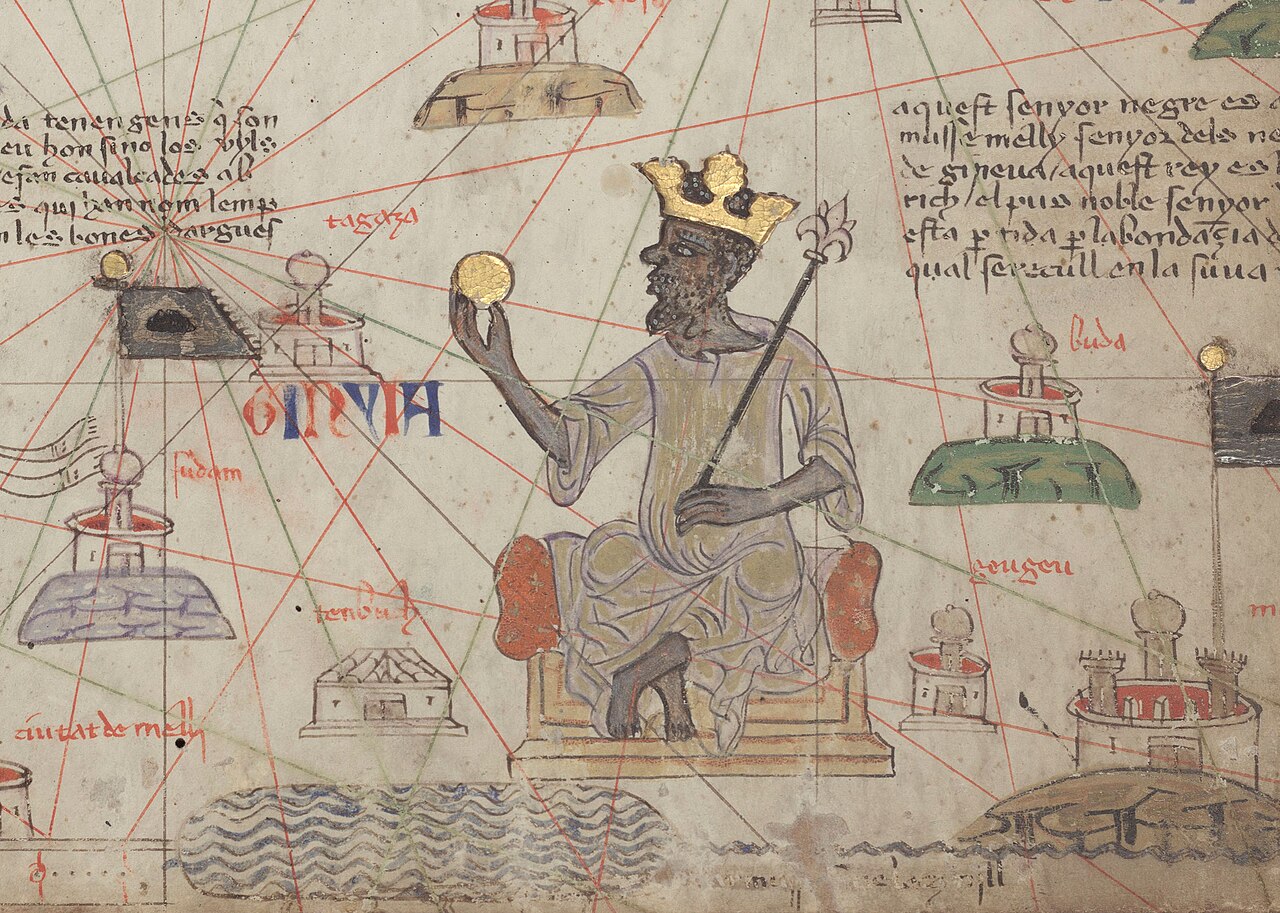 Painting
Secondary source
Catalan Atlas: Mansa Musa Enthroned
Abraham Cresques (attributed) · 1375
 Book
Secondary source
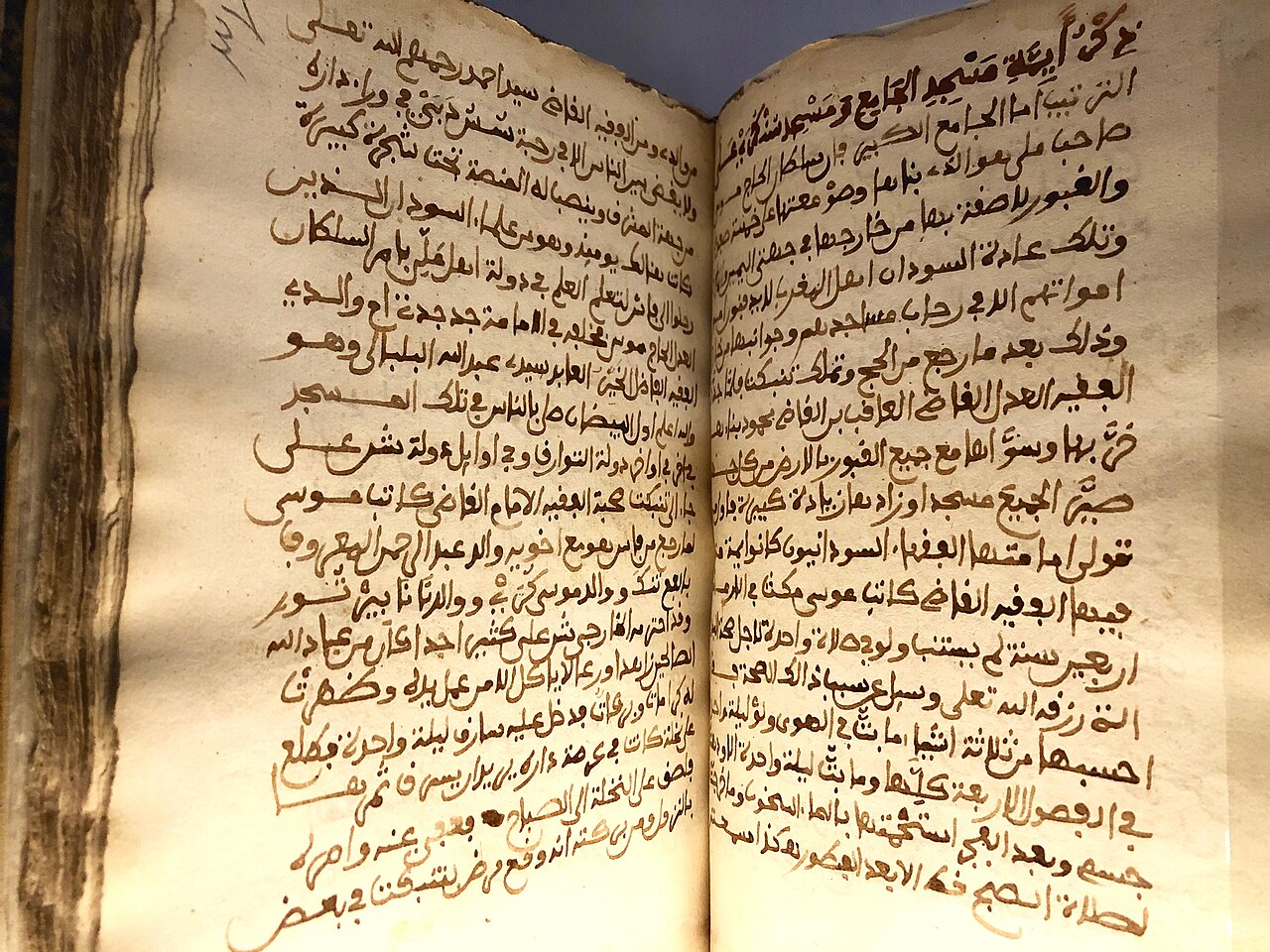
Tarikh al-Sudan
Abderrahmane Es Saâdi · c. 1655
 Artifact
Secondary source
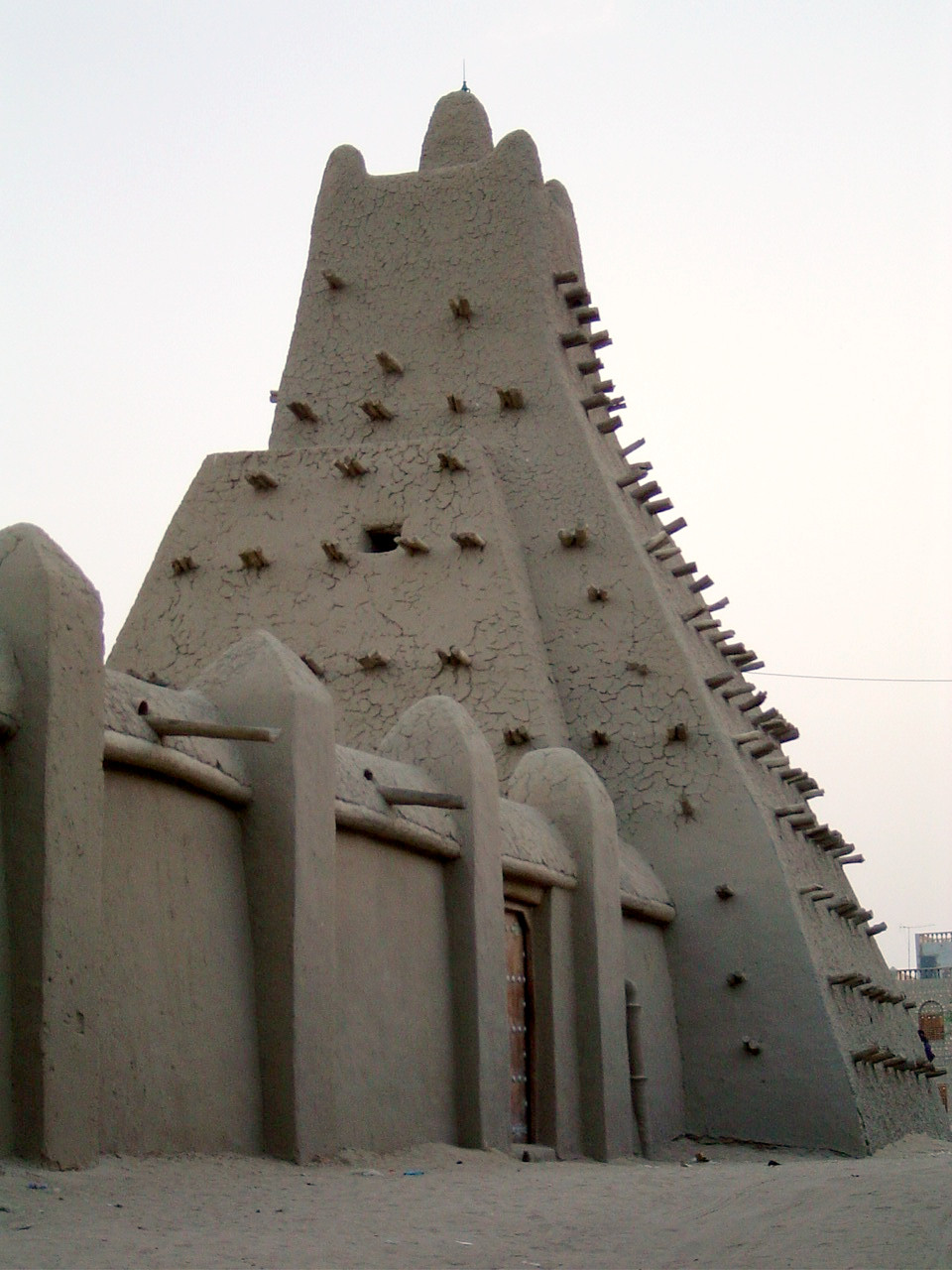
Sankoré Madrasa
14th-15th century
 Painting
Primary source
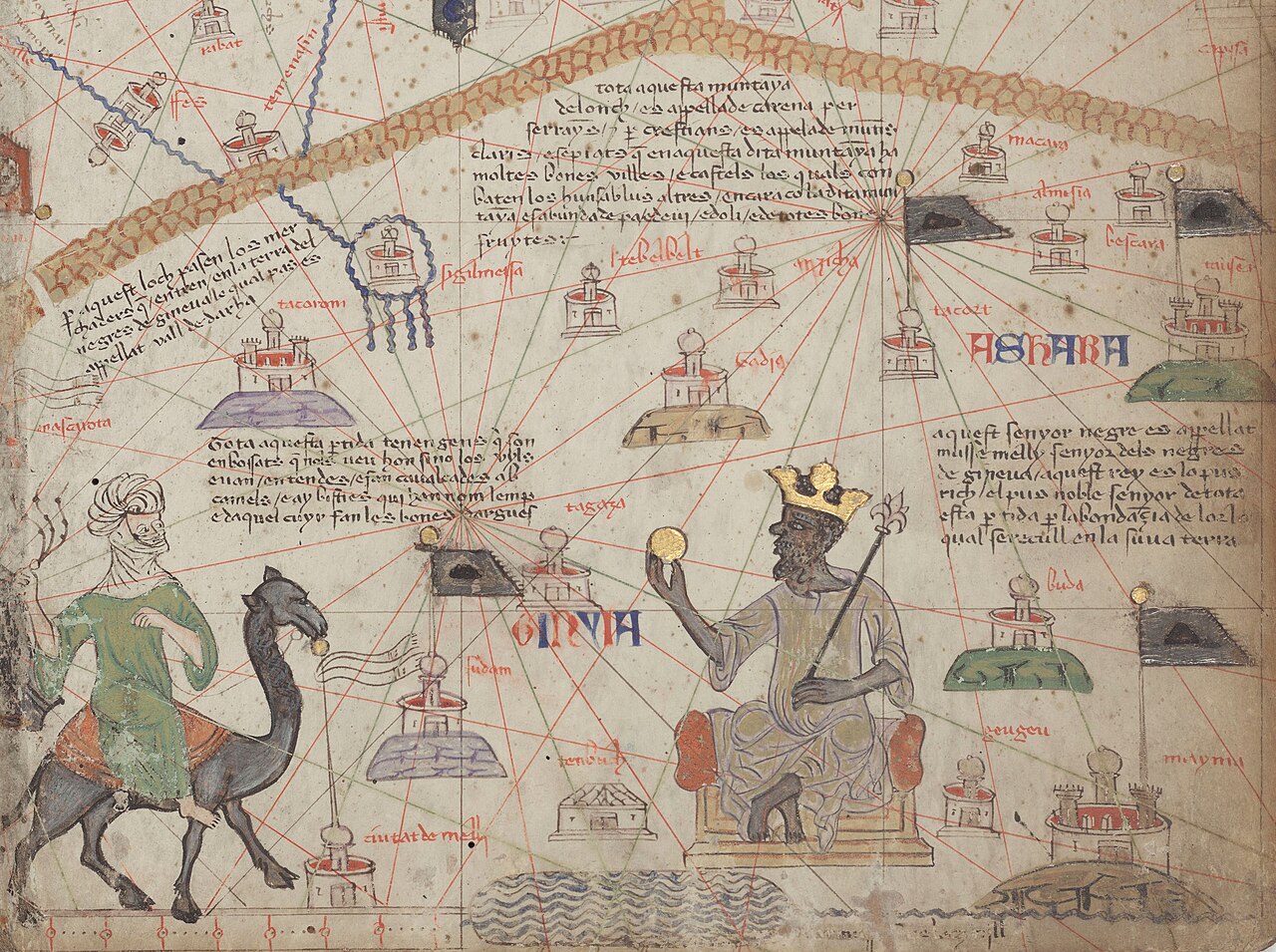
Catalan Atlas, Sheet 6: Western Sahara
Abraham Cresques · 1375
 Artifact
Secondary source
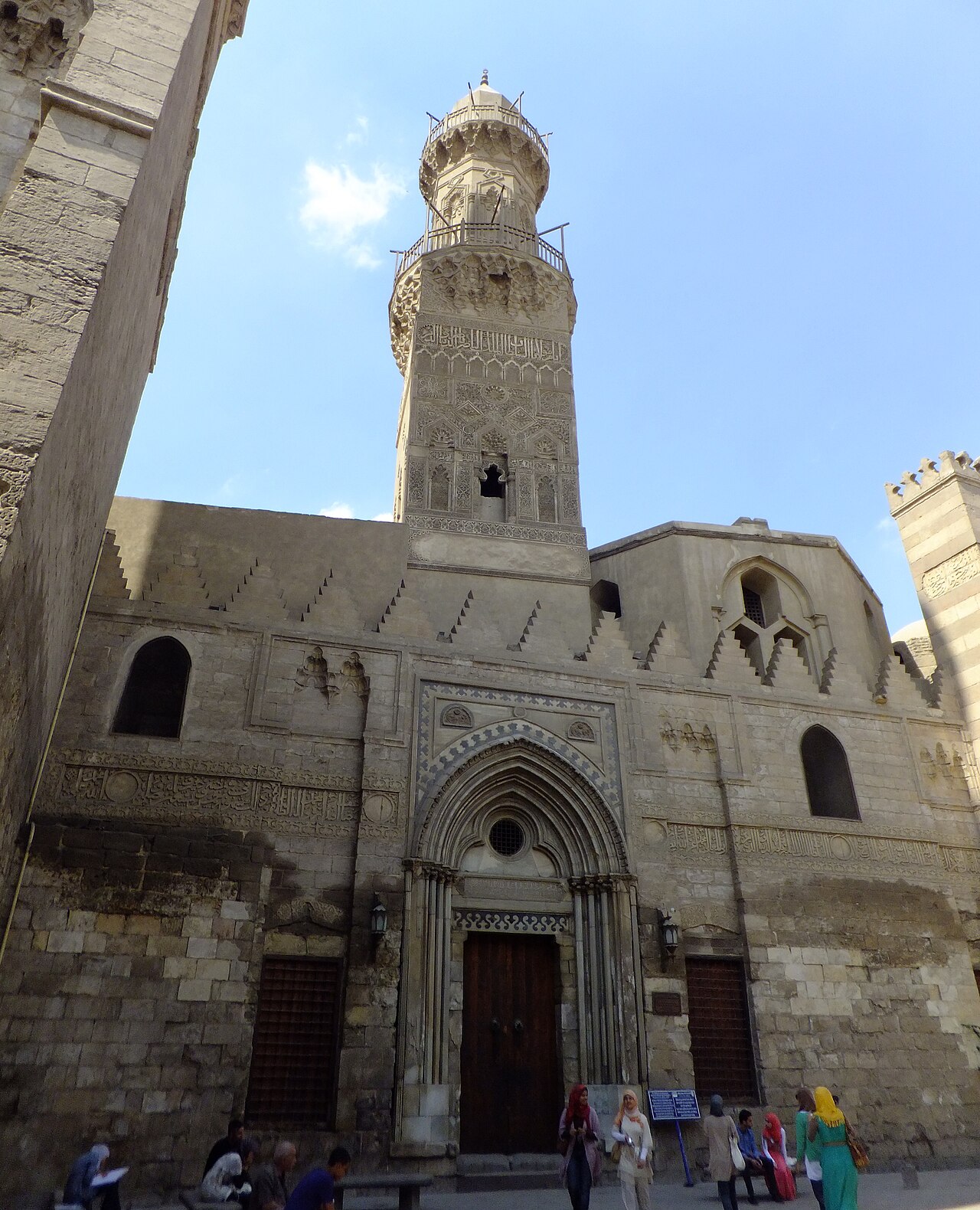
Madrasa of Al-Nasir Muhammad
1303
Ready when you are
Start chatting with Mansa Musa now.
20 messages free · No credit card · Available in 50+ languages.