


Secondary sourcePainting1615
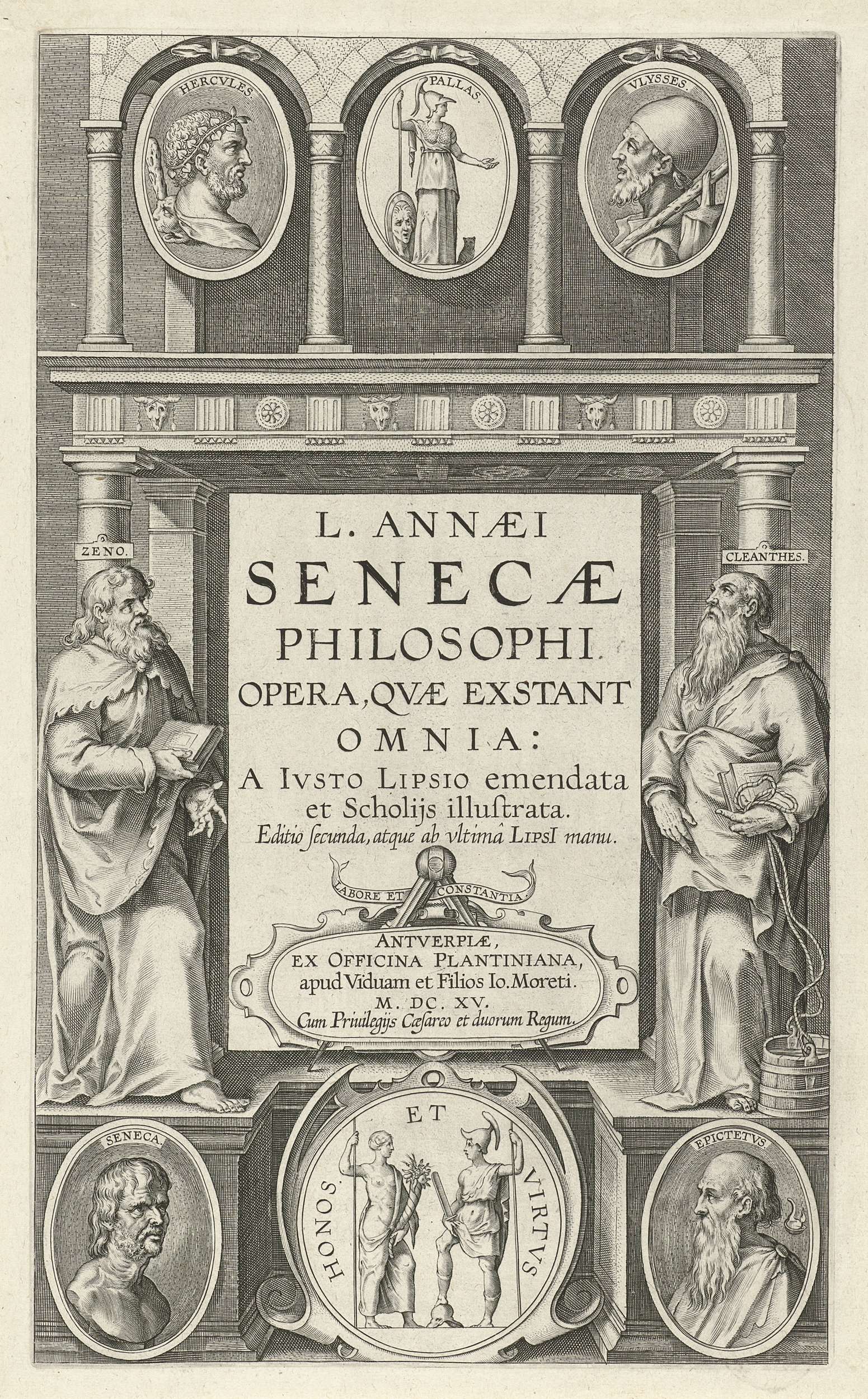
Title Page of L. Annaei Senecae Philosophi Opera
1615
A 1615 engraved title page for an edition of Seneca's works, featuring a small medallion portrait of Epictetus alongside Seneca and other classical figures.
Epictetus appears as a small medallion portrait alongside Seneca on this title page of Seneca's printed works.
About this source
What it is
This is the engraved title page of a 1615 printed book, L. Annaei Senecae Philosophi Opera (the collected works of Seneca). It is set within an architectural frame, with the classical philosophers Zeno and Cleanthes standing on either side of the central text. Above the title are oval medallion portraits of Hercules, Minerva and Odysseus, and below are medallion portraits of Seneca and Epictetus. The print is held by the Rijksmuseum.
Why it matters
This title page shows how Stoic philosophers like Epictetus and Seneca were grouped together and visually linked to heroic and mythological figures in early printed books. It reflects how 17th-century publishers presented the Stoic tradition as a connected lineage of wisdom worth associating with heroes and gods, shaping how readers understood these thinkers before they even opened the book.
Look closer
- Why might the printer place Epictetus's portrait next to Seneca's rather than showing him alone?
- What does the choice of surrounding figures (Hercules, Minerva, Odysseus) suggest about how philosophers were viewed?
- What does this image tell us about the book's purpose, and what does it not tell us about Epictetus himself?
This painting is part of the curated material that grounds the AI version of Epictetus on Humy.ai — when students ask about related events, the AI can quote it and cite it.
More Epictetus sources
Meet the AI Epictetus →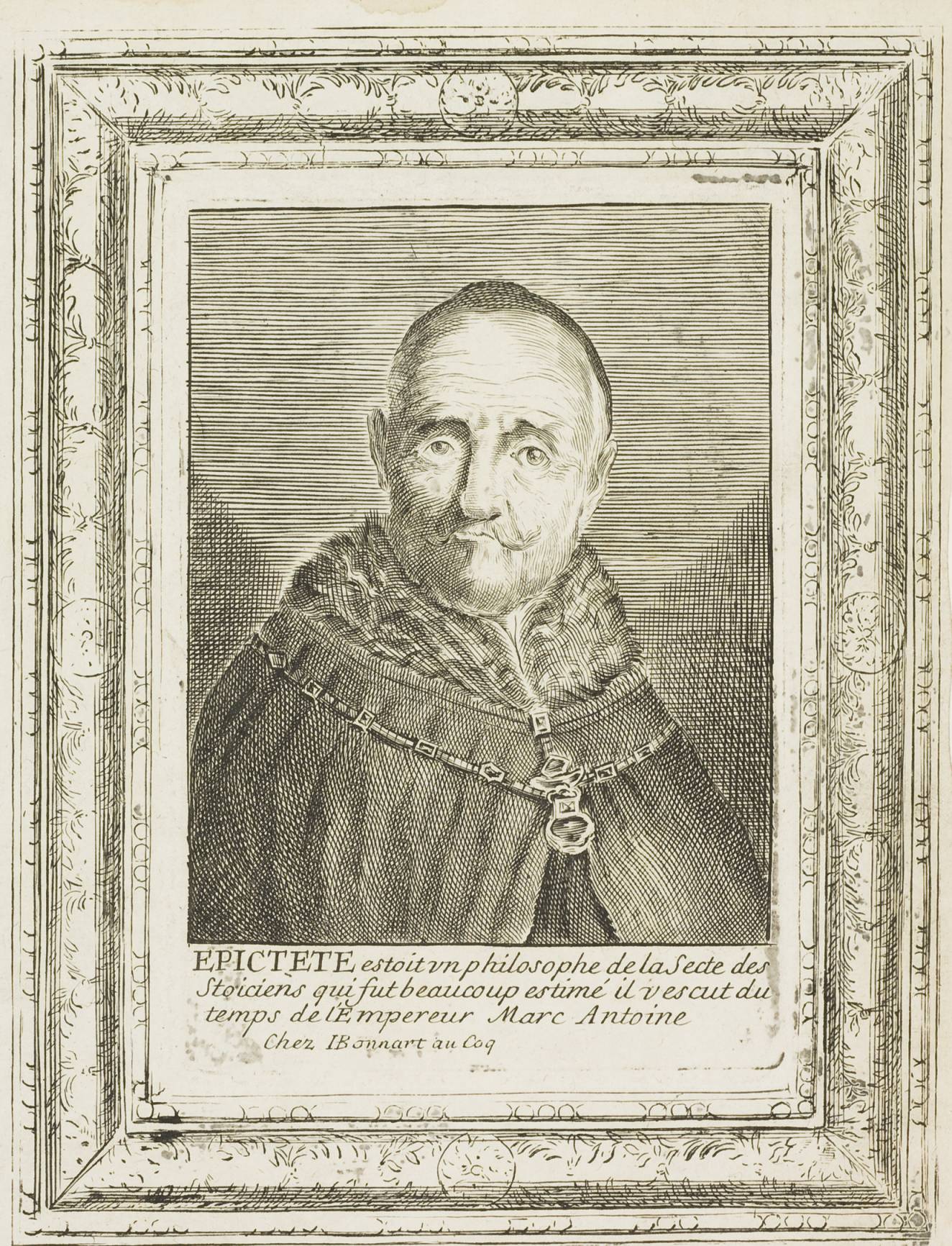 Painting
Secondary source
Epictete
Henri Bonnart · 17th century
 Book
Secondary source
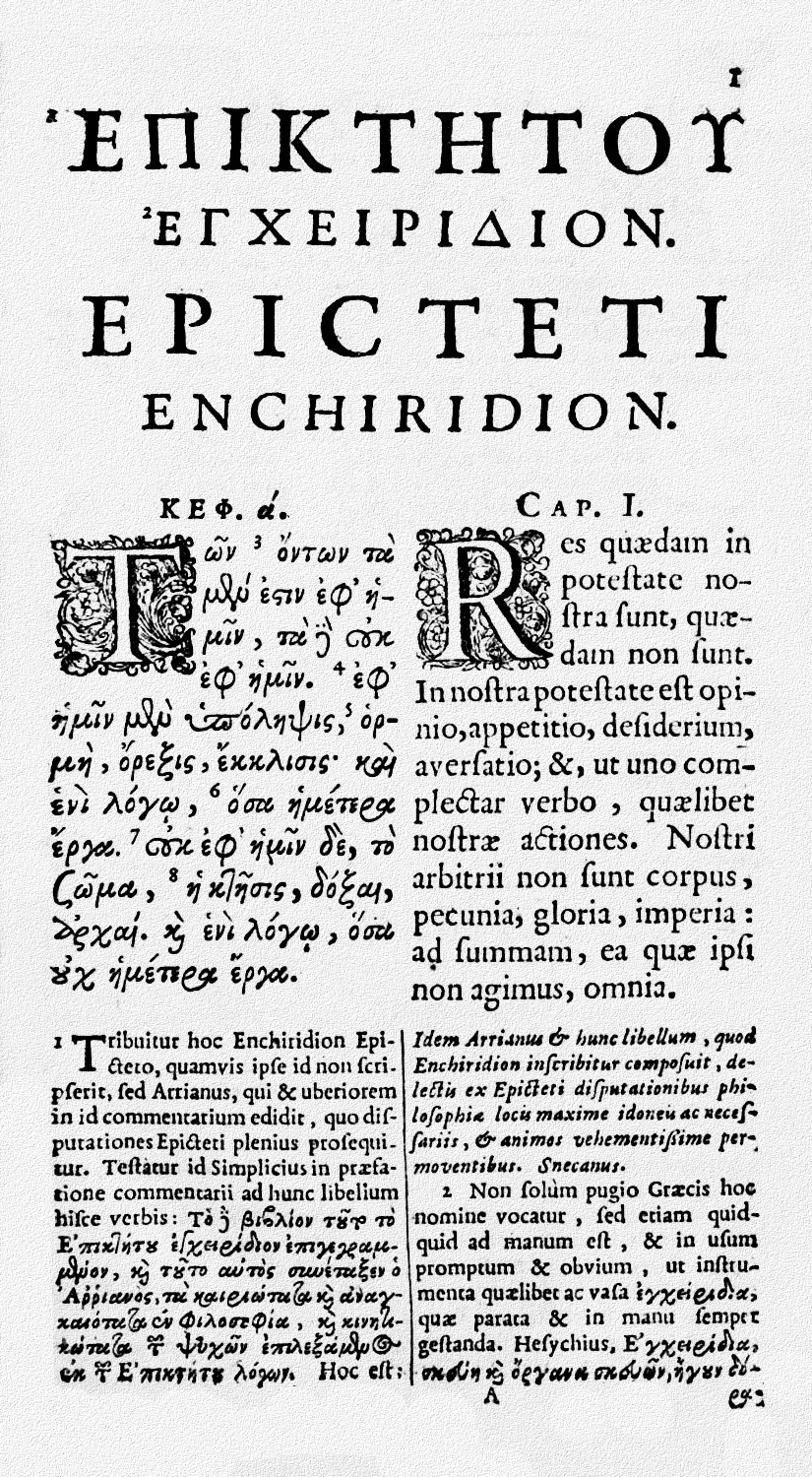
Enchiridion of Epictetus
Arrian · early 2nd century AD (this edition 1683)
 Book
Secondary source
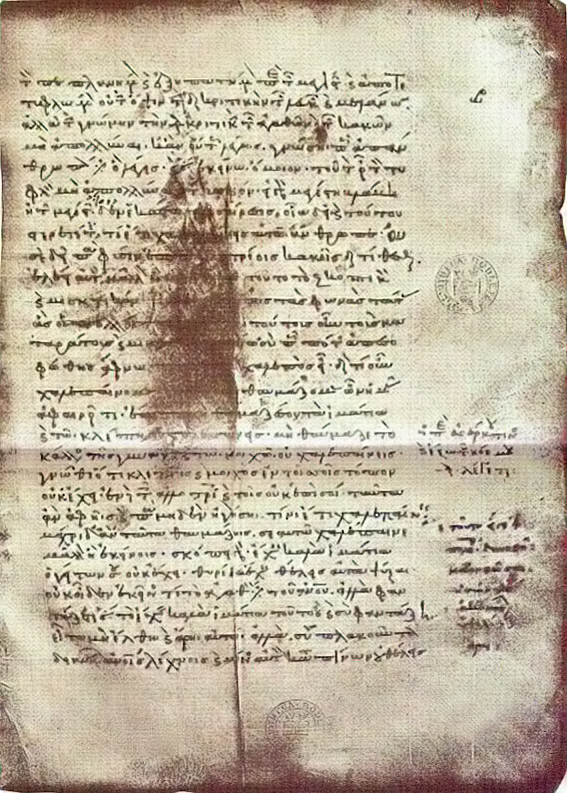
Discourses of Epictetus
Arrian · c. 108 AD
DocumentSecondary source
Codex Bodleianus
c. 11th-12th century
 Book
Primary source
Meditations
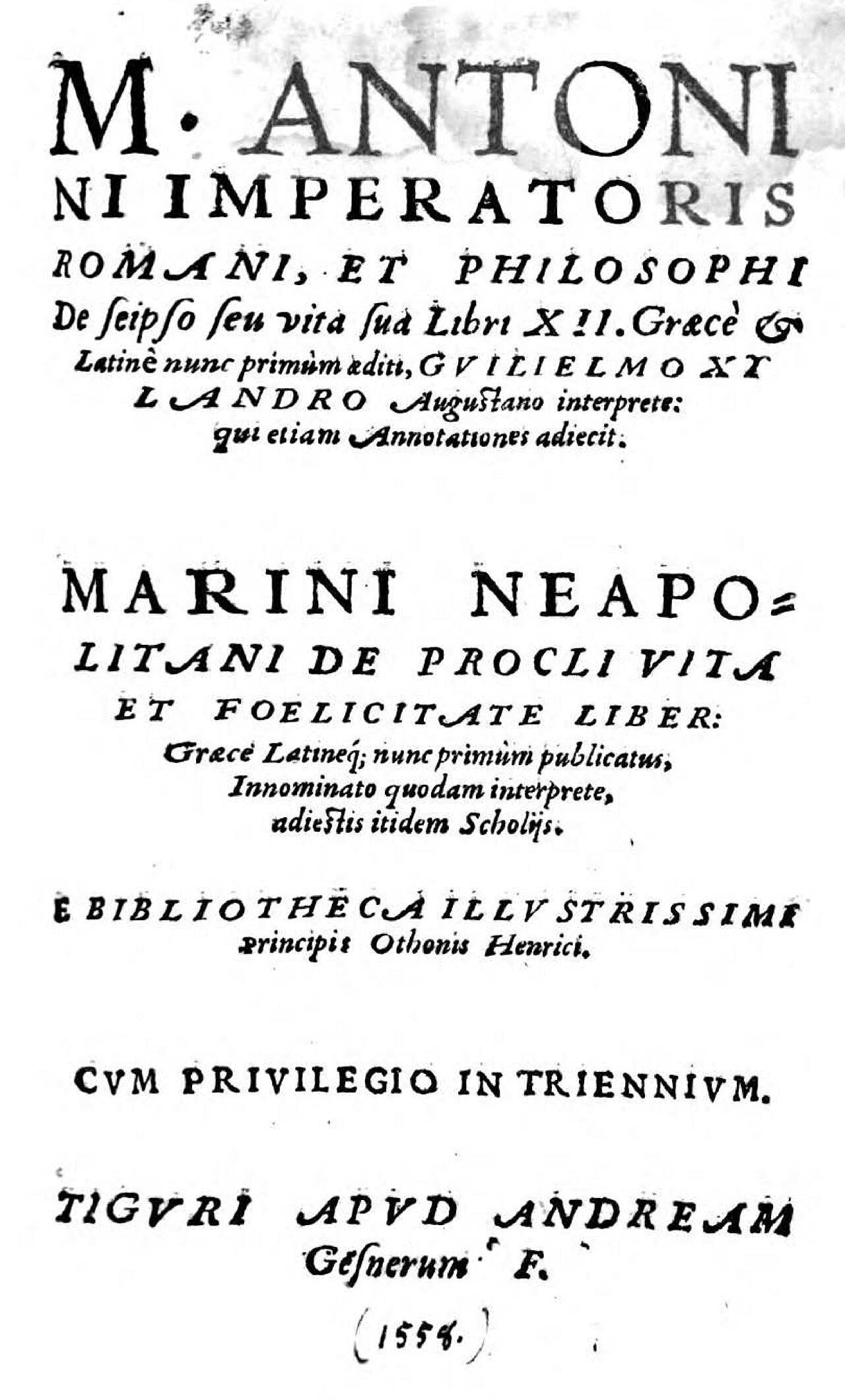
Marcus Aurelius · c. 170-180 AD (this edition printed 1558)
Ready when you are
Start chatting with Epictetus now.
20 messages free · No credit card · Available in 50+ languages.