


Secondary sourceArtifact
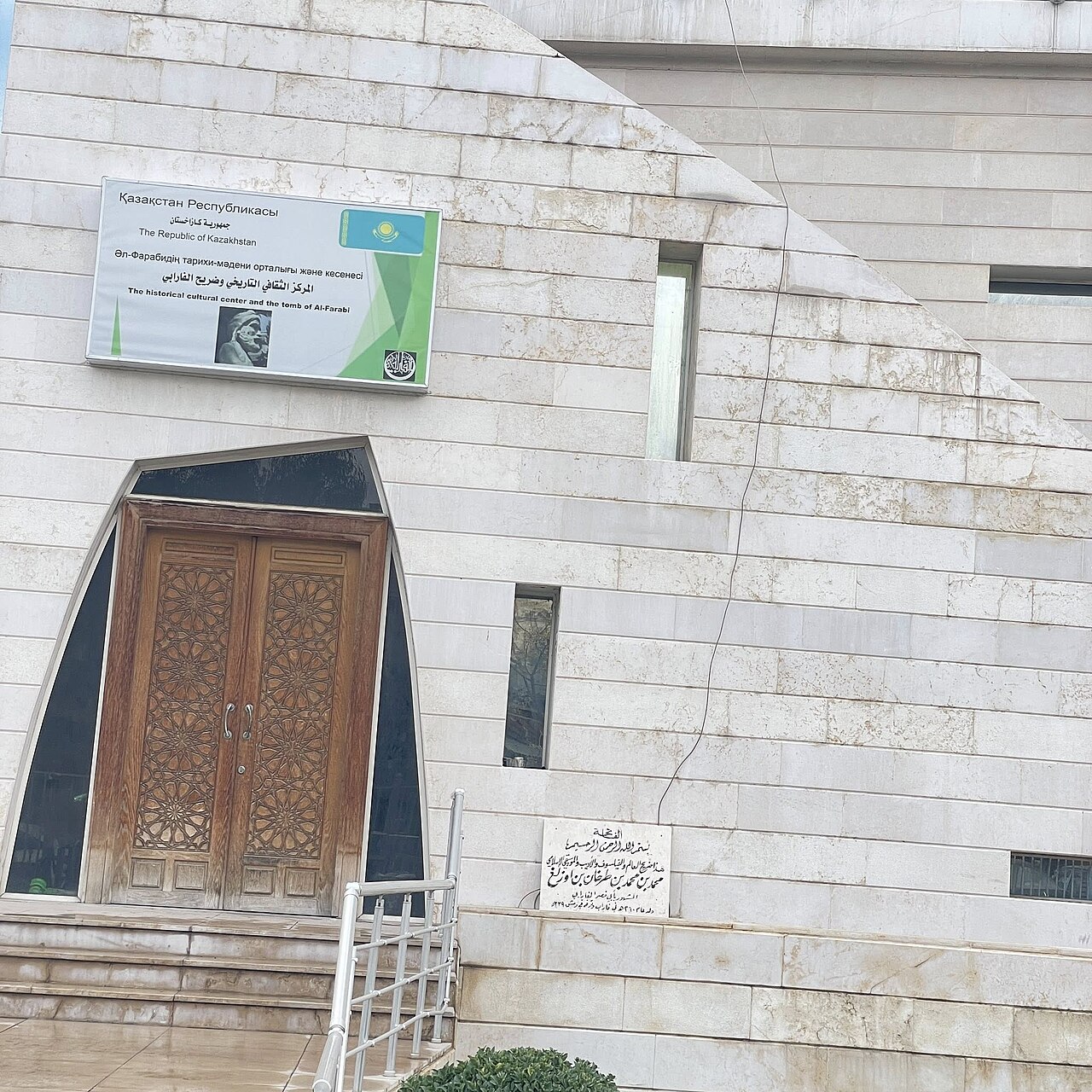
Tomb of Al-Farabi, Damascus
The traditional grave site of Al-Farabi in Damascus, now accompanied by a cultural centre built by Kazakhstan.
This traditional grave site in Damascus marks where Farabi is believed to have died and been buried.
About this source
What it is
This building in Damascus is the traditional burial place of Al-Farabi, linked to the place of his death as recorded by the historian al-Mas'udi. Beside the tomb stands a historical-cultural centre built by the Republic of Kazakhstan, marked with a sign and the Kazakh flag.
Why it matters
The tomb shows how Farabi's memory has been preserved and claimed across centuries and nations. The involvement of modern Kazakhstan in maintaining the site reflects present-day debates over his origins and his adoption as a national symbol in Central Asia.
Look closer
- Why might a modern country build a cultural centre next to a thousand-year-old tomb?
- What does the mix of Arabic inscriptions and Kazakh symbols on the site tell us about competing claims to Farabi's legacy?
- How reliable do you think the traditional identification of this grave is, given it rests on a historian's written record rather than physical proof?
This artifact is part of the curated material that grounds the AI version of Al-Farabi on Humy.ai — when students ask about related events, the AI can quote it and cite it.
More Al-Farabi sources
Meet the AI Al-Farabi →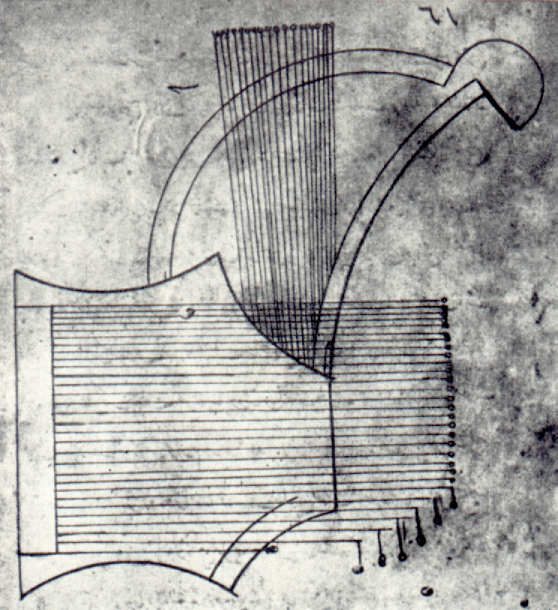 Book
Primary source
Kitab al-Musiqa al-Kabir
Farabi · 10th century
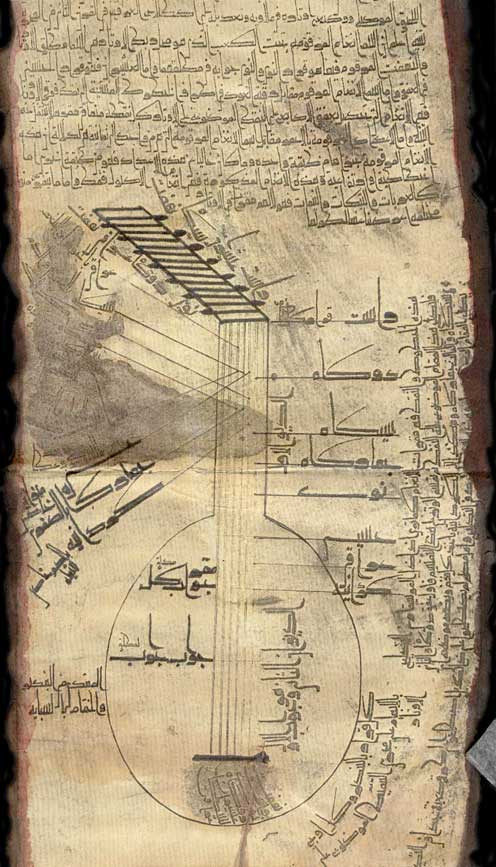 Artifact
Primary source
Lute Diagram with Seven Courses
Farabi · 10th century
 Book
Primary source
Der Musterstaat
Alfarabi · 1900
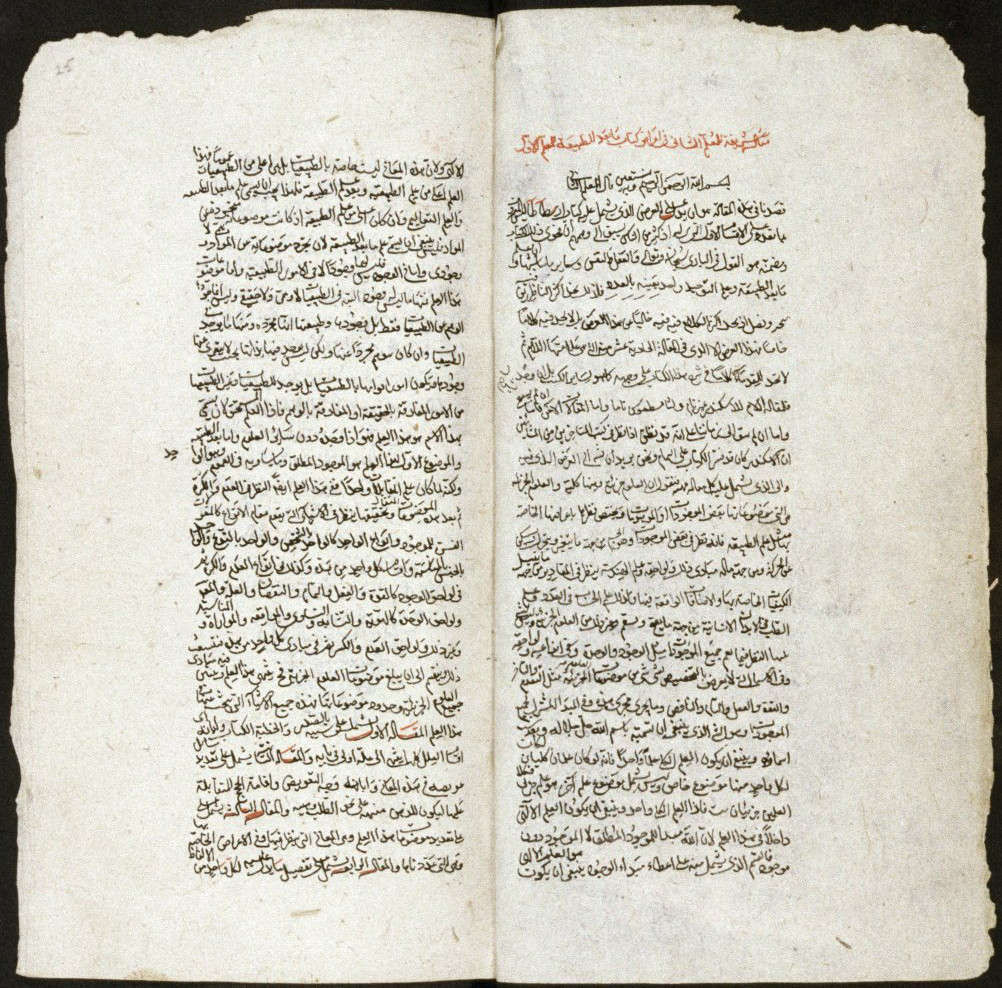 Book
Primary source
On the Scope of Aristotle's Metaphysics
Farabi · 10th century
 Book
Primary source
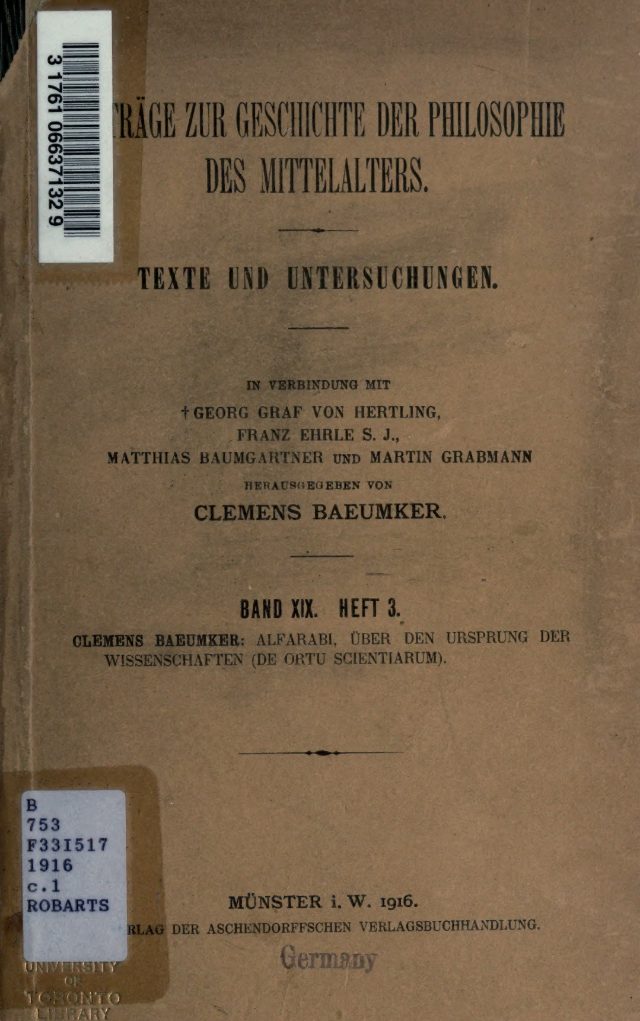
Über den Ursprung der Wissenschaften
Farabi · 1916 (edition of the original treatise)
Ready when you are
Start chatting with Al-Farabi now.
20 messages free · No credit card · Available in 50+ languages.