


Secondary sourceArtifact1st century BC
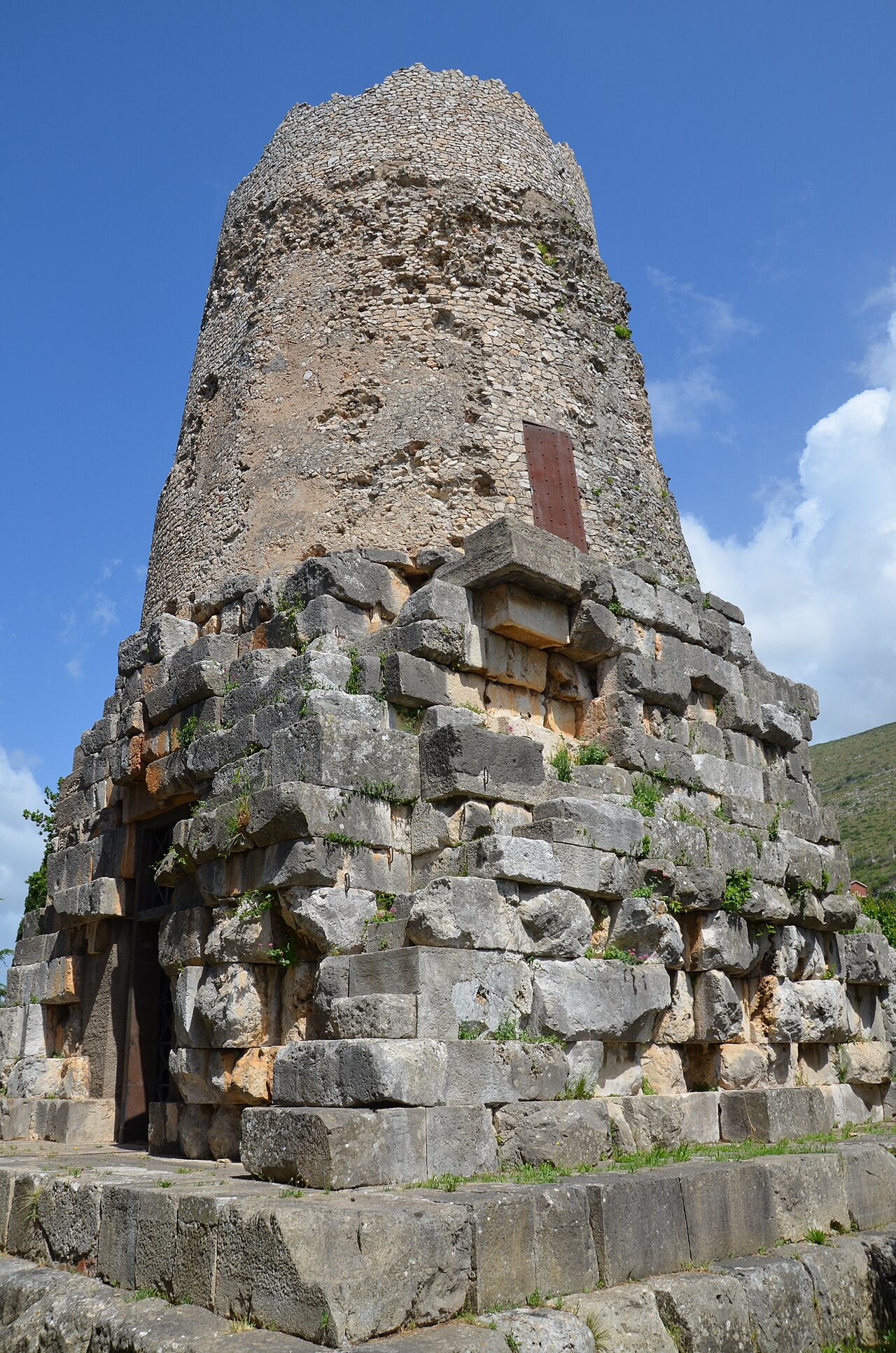
Tomb of Cicero at Formia
1st century BC
A tall Roman tower tomb near Formia traditionally said to mark the place of Cicero's death and burial.
This tower is traditionally identified as Cicero's tomb, standing near the place where he was killed.
About this source
What it is
This is a 24-metre-tall stone tower standing on a cut-stone base along the ancient Via Appia near Formia, Italy. It dates from the 1st century BC and is traditionally identified as the tomb of Cicero.
Why it matters
Cicero was killed near Formia, and this monument has long been linked to his death and burial, even though the identification is only traditional rather than certain. The structure shows how later generations of Romans and visitors wanted to mark and remember the place connected to his end, keeping his memory tied to a physical site.
Look closer
- Why might people want to identify this tower specifically as Cicero's tomb, even without certain proof?
- What does the choice of a tall tower monument suggest about how important people were honoured in Roman times?
- What questions would you ask to test whether this really is Cicero's tomb?
This artifact is part of the curated material that grounds the AI version of Cicero on Humy.ai — when students ask about related events, the AI can quote it and cite it.
More Cicero sources
Meet the AI Cicero →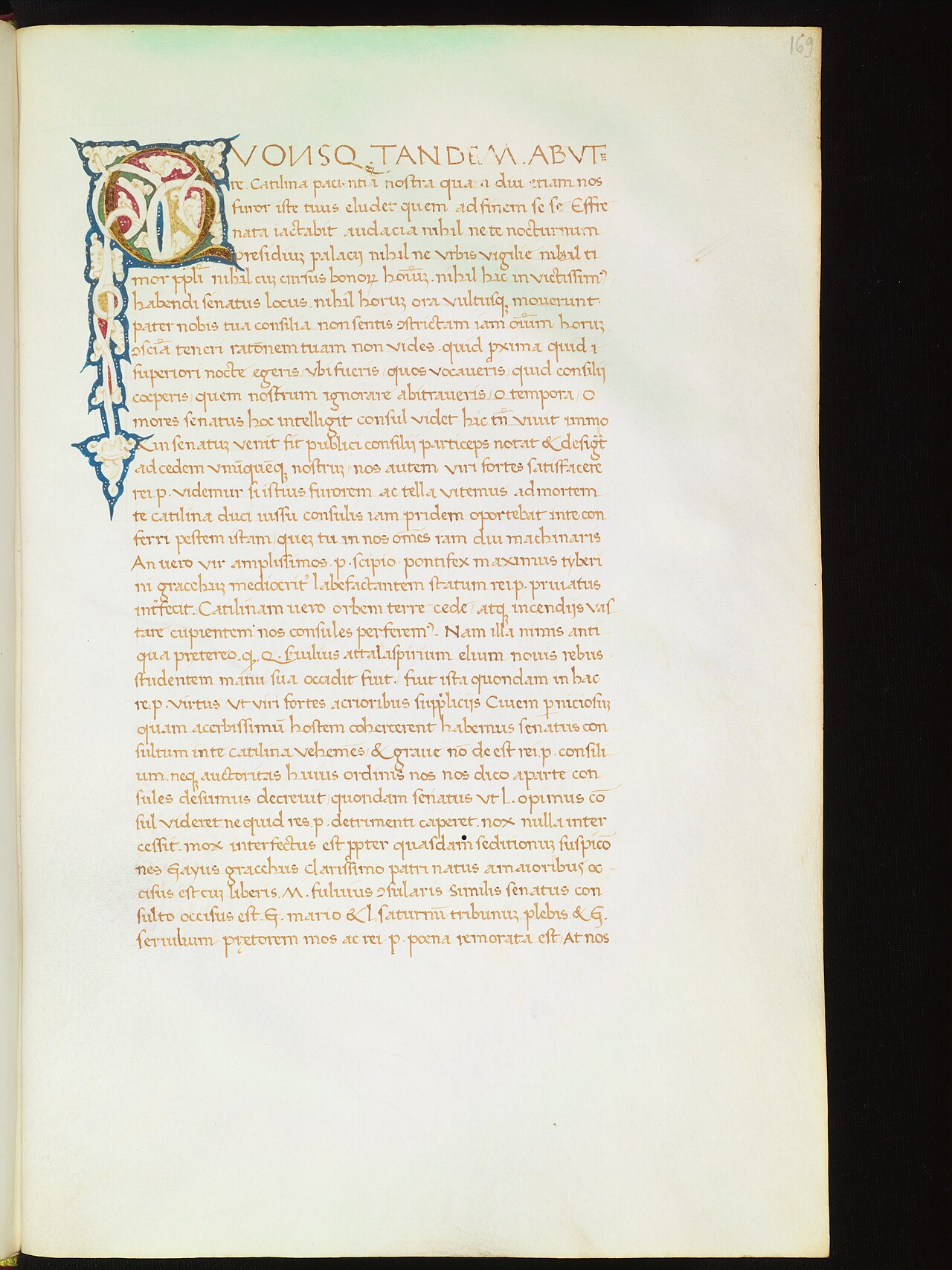 Speech
Primary source
Catiline Orations
Cicero · 63 BCE
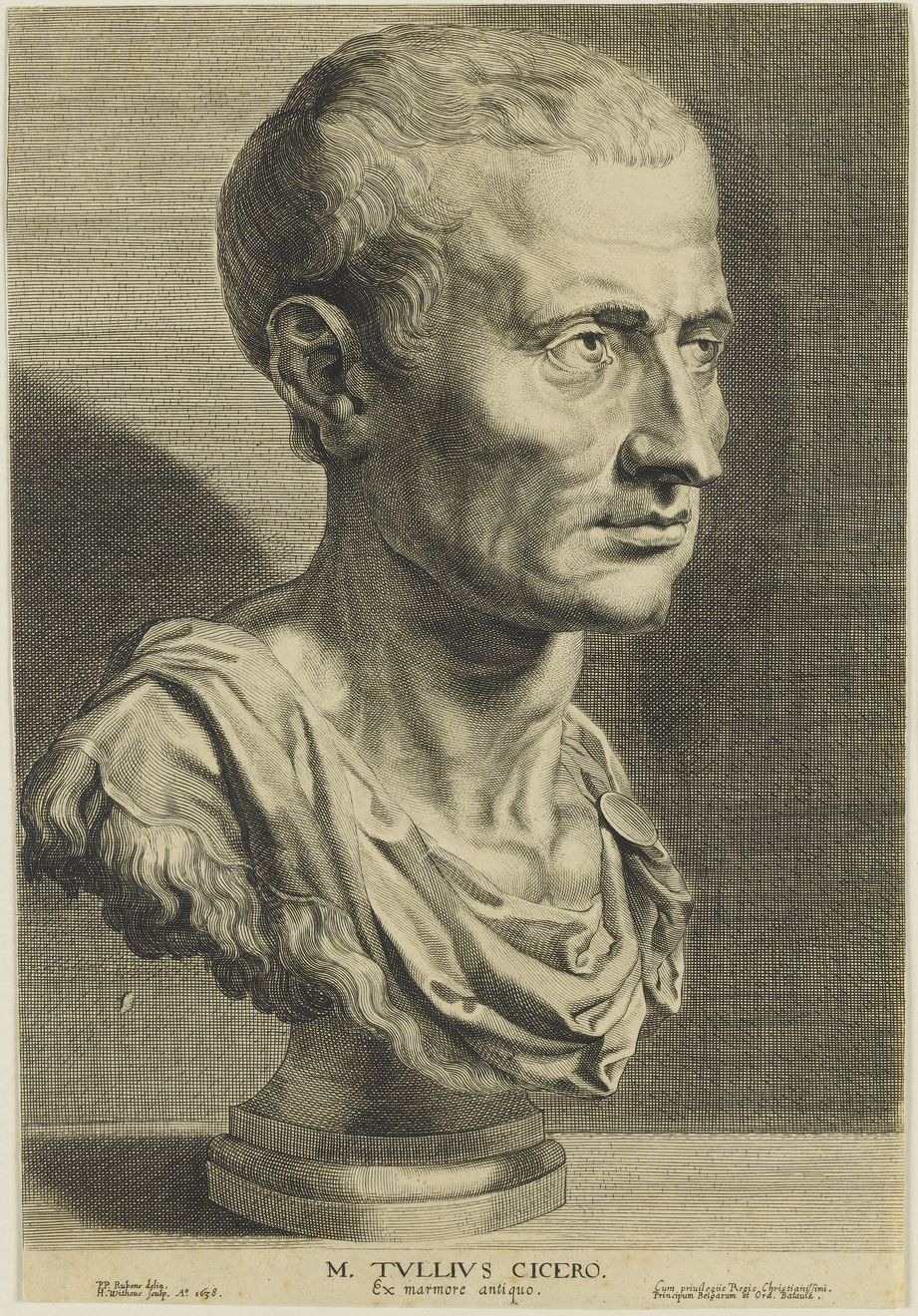 Painting
Secondary source
Marcus Tullius Cicero, engraved after antique marble busts
Jan Witdoeck
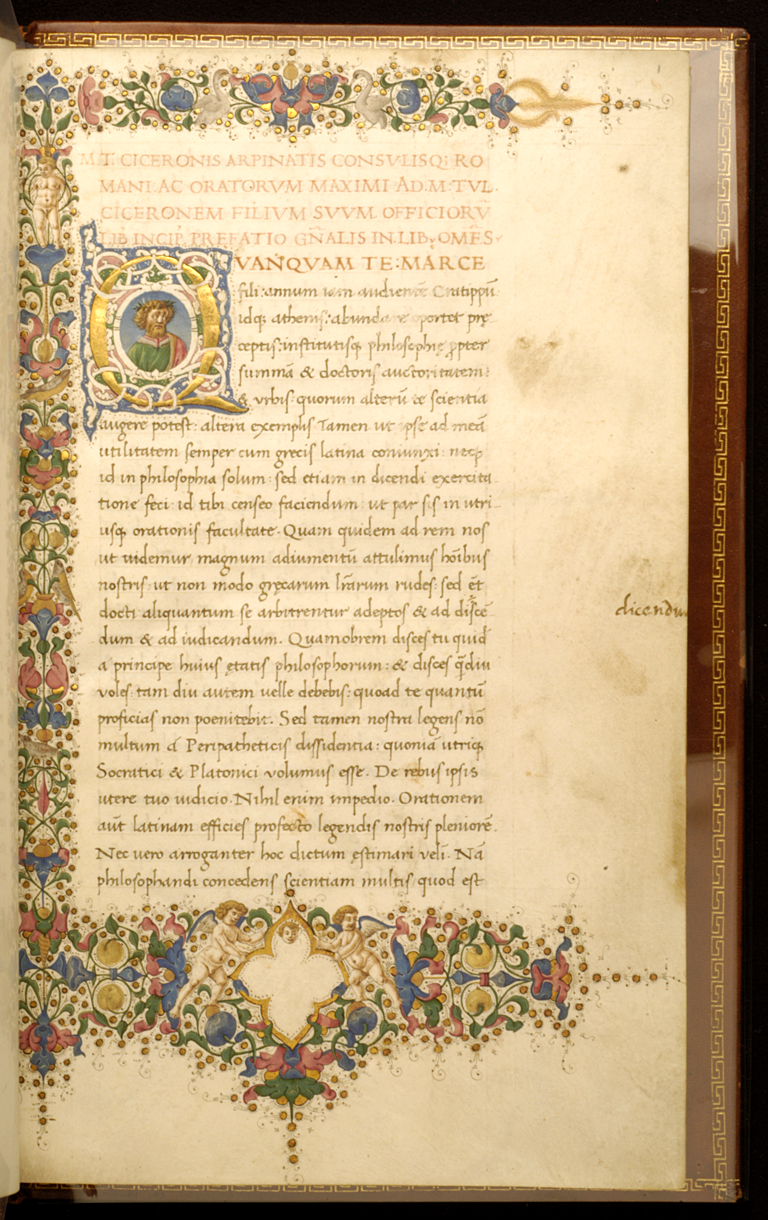 Book
Primary source
De Officiis
Cicero · 44 BC
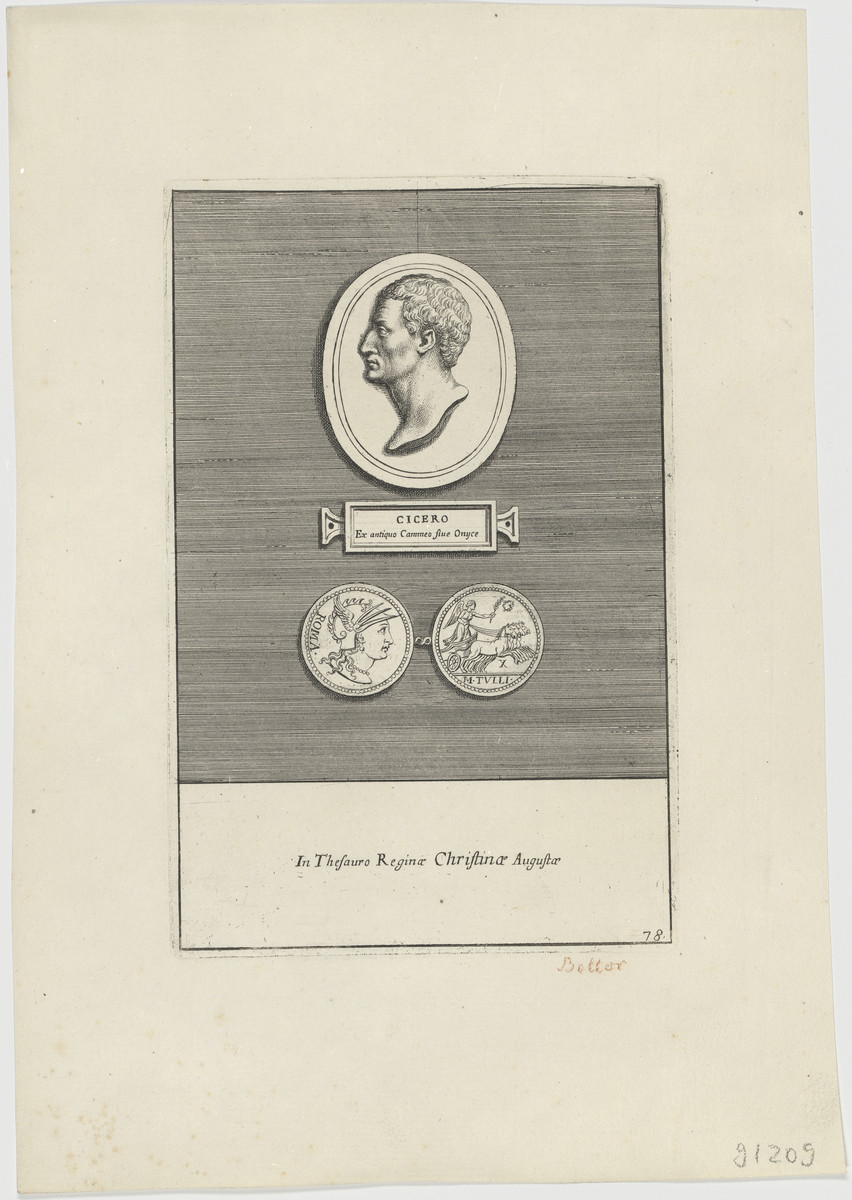 Painting
Secondary source
Portrait of Cicero (Bildnis des Cicero)
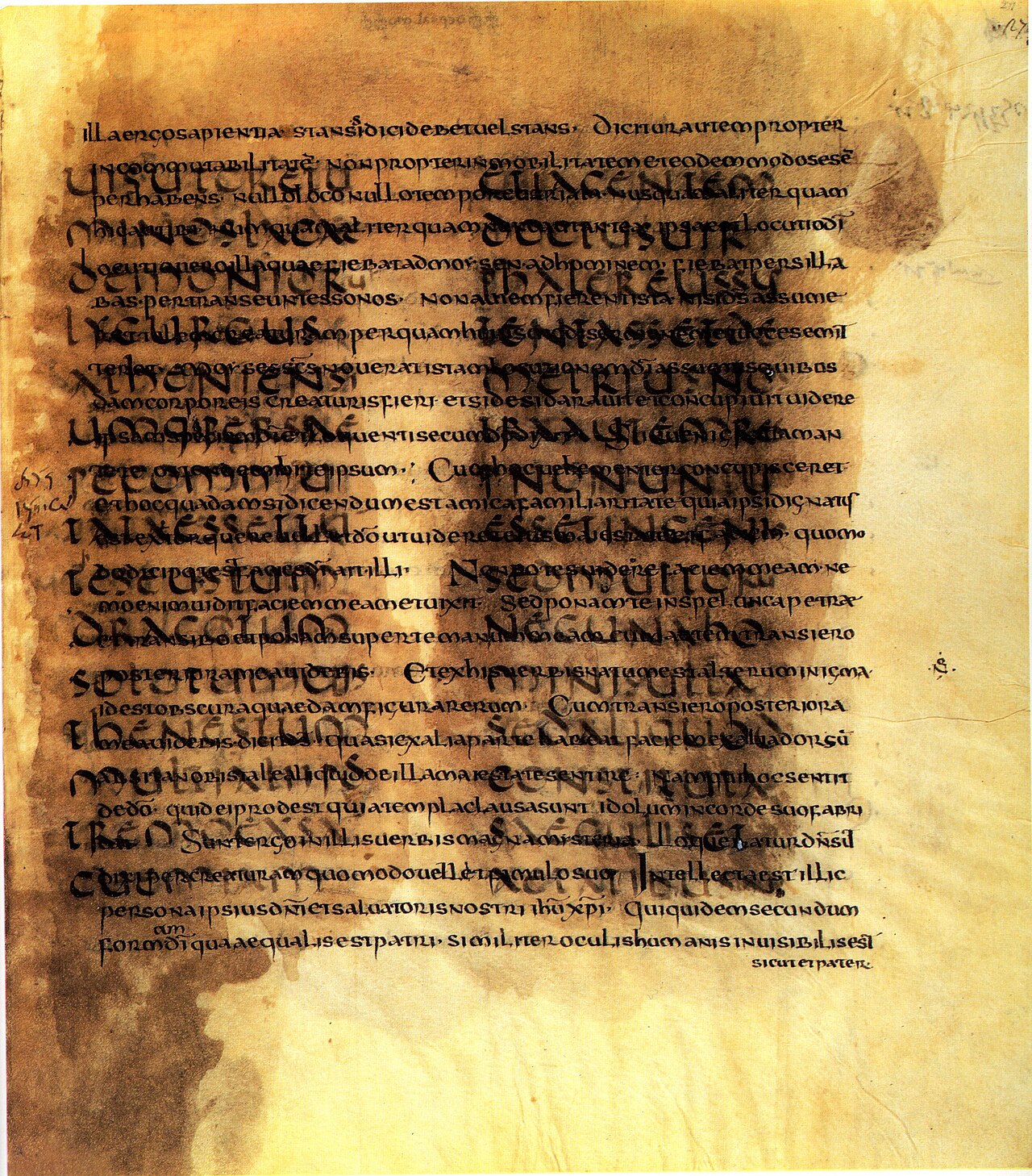 Book
Primary source
De re publica
Cicero · c. 54–51 BC
Ready when you are
Start chatting with Cicero now.
20 messages free · No credit card · Available in 50+ languages.