


Secondary sourceArtifact479 BCE onward
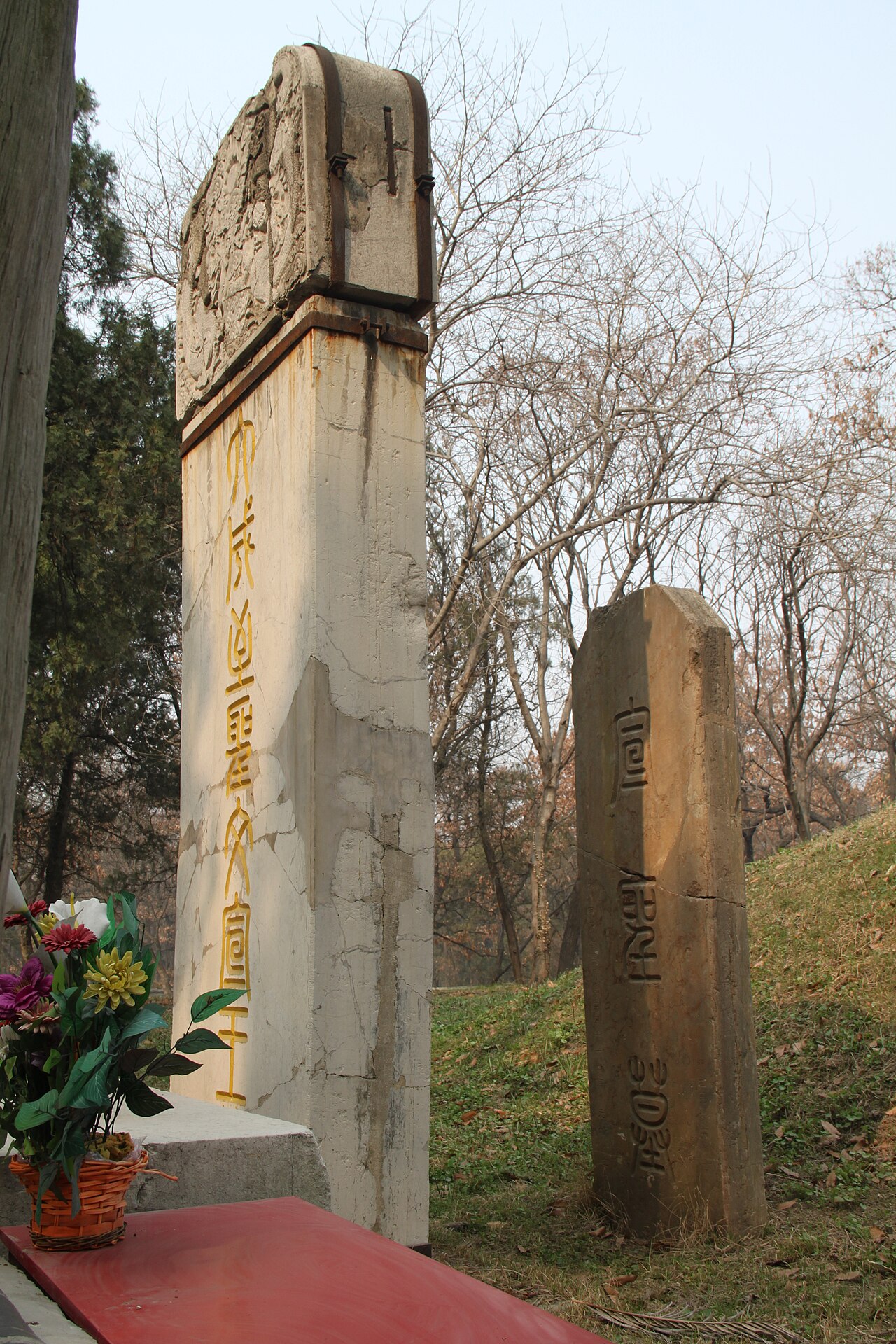
Tomb of Confucius, Cemetery of Confucius
Disciples; later imperial expansions · 479 BCE onward
The burial site of Confucius in Qufu, which grew over centuries into a large cemetery for his descendants.
His burial mound and the clan cemetery that grew around it mark his resting place and his descendants' continuity.
About this source
What it is
The Tomb of Confucius lies within the Cemetery of Confucius in Qufu, Shandong, on the Si River. Begun as his burial mound by his disciples after his death, the site was expanded over many centuries by successive imperial dynasties into a vast clan cemetery.
Why it matters
The tomb and its surrounding cemetery show how Confucius' memory was honoured and maintained by his disciples and descendants long after his death, and how imperial governments later promoted his cult as part of state ideology. The scale of the cemetery reflects the continuity of the Kong family lineage across more than two thousand years.
Look closer
- Why might disciples build a lasting monument to their teacher rather than just remembering him informally?
- What does the cemetery's growth over centuries tell us about how later rulers used Confucius' memory?
- What might the physical site reveal that written texts about Confucius cannot?
This artifact is part of the curated material that grounds the AI version of Confucius on Humy.ai — when students ask about related events, the AI can quote it and cite it.
More Confucius sources
Meet the AI Confucius →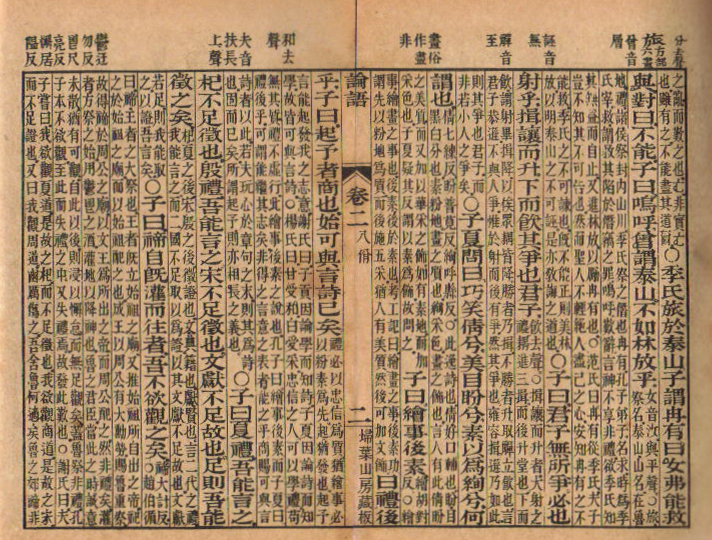 Book
Secondary source
Analects
c. 480 BCE – 2nd century BCE
 Book
Secondary source
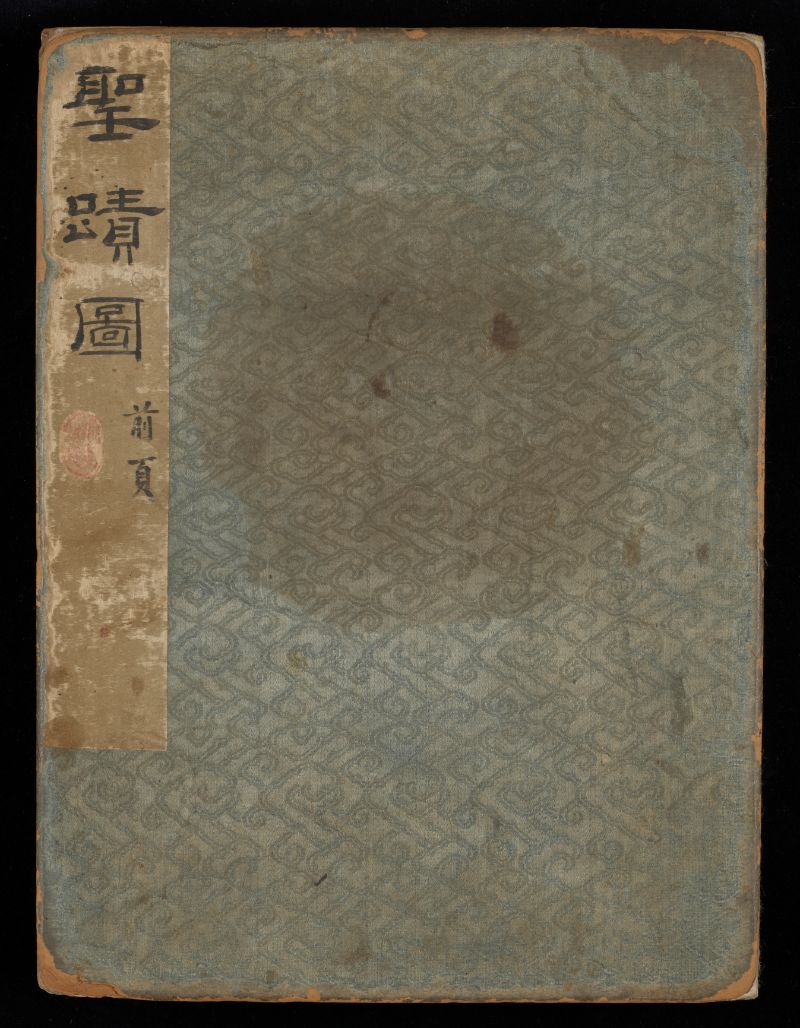
Pictures of the Sage's Traces
Unknown · 1758
Secondary source
Records of the Grand Historian, Vol. 47: Hereditary House of Confucius
Sima Qian · c. 94 BCE
 Photograph
Primary source
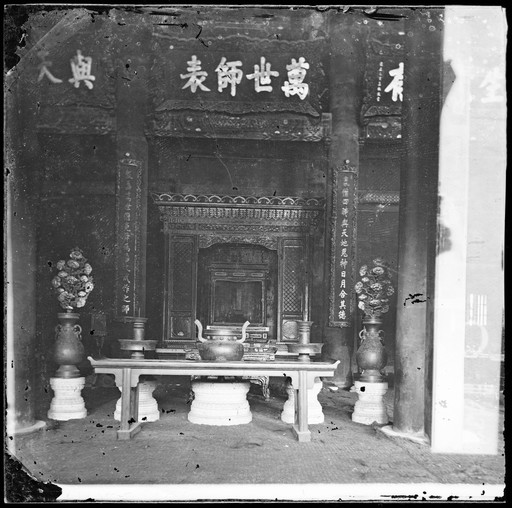
Temple of Confucius, Peking (Interior)
John Thomson · 1871
 Document
Secondary source
Spring and Autumn Annals
Confucius · 5th century BCE
Ready when you are
Start chatting with Confucius now.
20 messages free · No credit card · Available in 50+ languages.