


Primary sourceSculptureafter 1376
Tomb of the Black Prince
after 1376
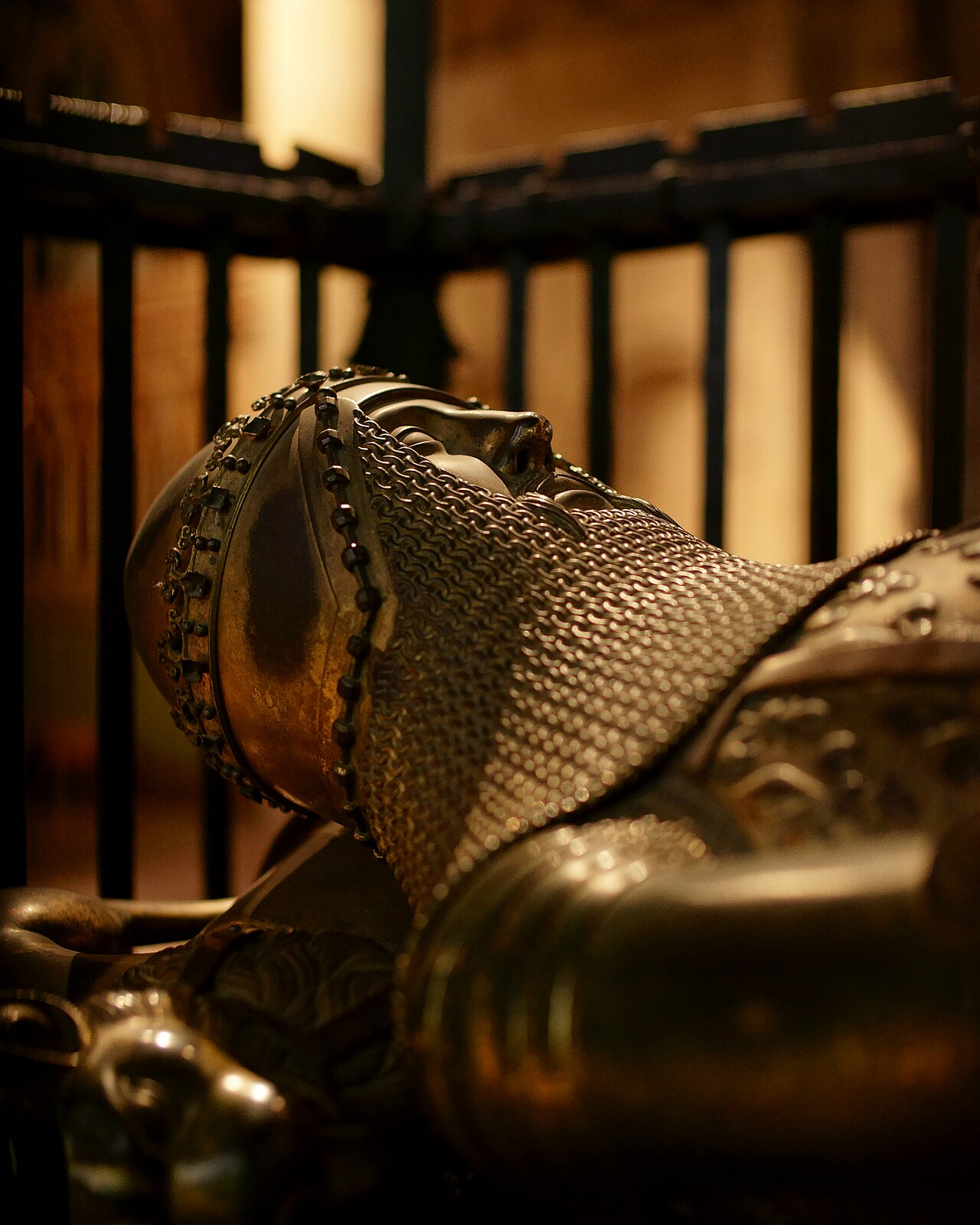
The gilt-bronze tomb effigy of Edward III's eldest son, Edward of Woodstock, at Canterbury Cathedral.
The tomb commemorates Edward III's eldest son and heir, reflecting the military ideals of Edward's reign.
Free Humy account · No credit card · 120,912 sources to read
About this source
What it is
This tomb was built for Edward of Woodstock, known as the Black Prince, who died in 1376. He was the son of King Edward III and heir to the throne. The effigy, made of gilt bronze, shows him lying in full plate armour, and is located in Canterbury Cathedral as he requested in his will.
Why it matters
The Black Prince was one of the most successful English commanders of the Hundred Years' War, fought under his father Edward III. His tomb's detailed armour is a rare survival of medieval military equipment, and its design—dictated by the prince himself—shows how he wanted to be remembered. His early death, before his father, created a succession crisis that led to his son Richard II becoming king.
Look closer
- Why might a dying man care so much about the exact design of his own tomb?
- What does the detailed armour tell us about the importance of military identity to this prince?
- What does the tomb leave out about the violence of war, such as the accusations against him at Limoges?
This sculpture is part of the curated material that grounds the AI version of Edward III on Humy.ai — when students ask about related events, the AI can quote it and cite it.
More Edward III sources
Browse all 93 →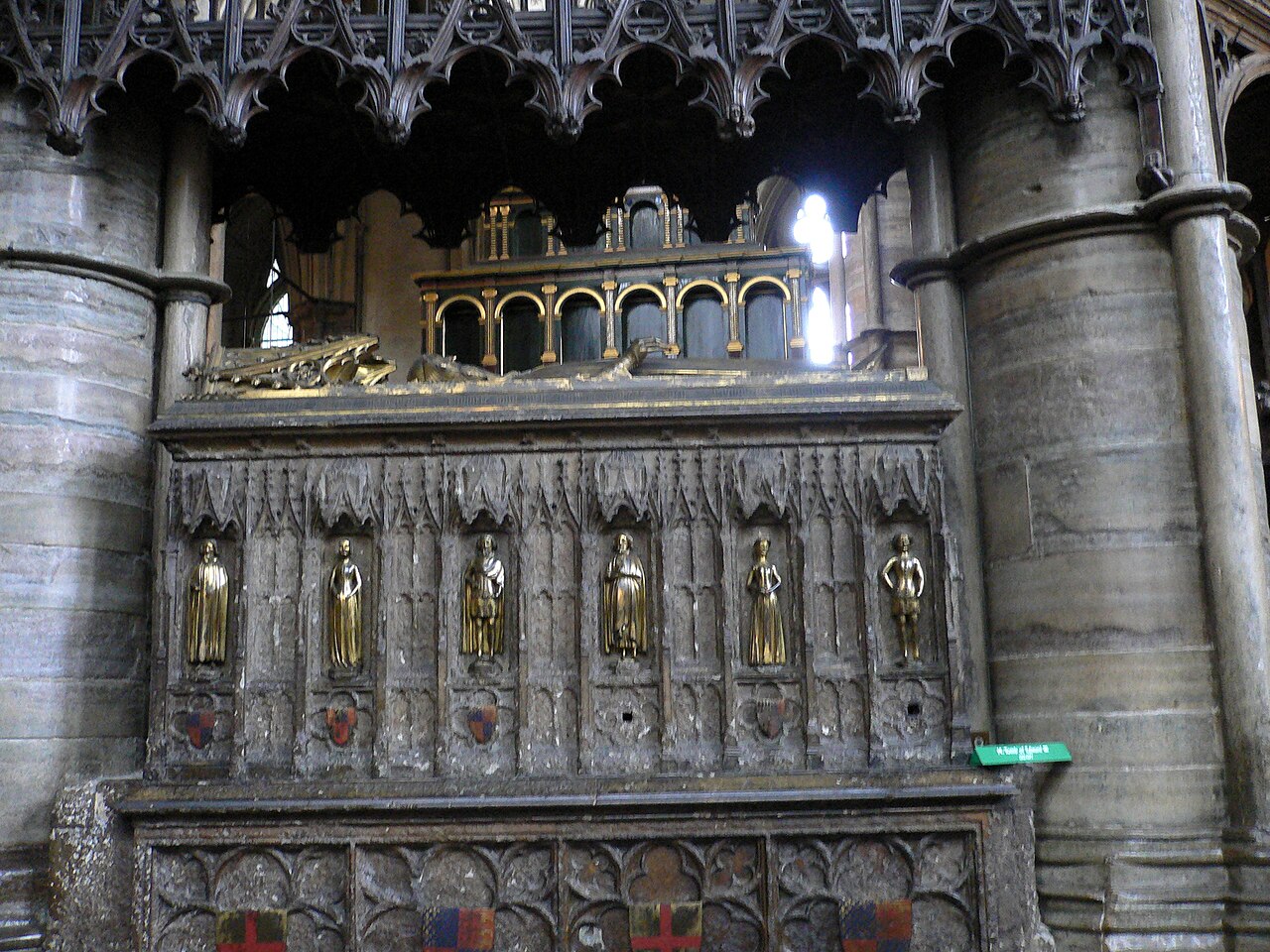
Ready when you are
Start chatting with Edward III now.
20 messages free · No credit card · Available in 50+ languages.