


Primary sourceDocument13th century BCE
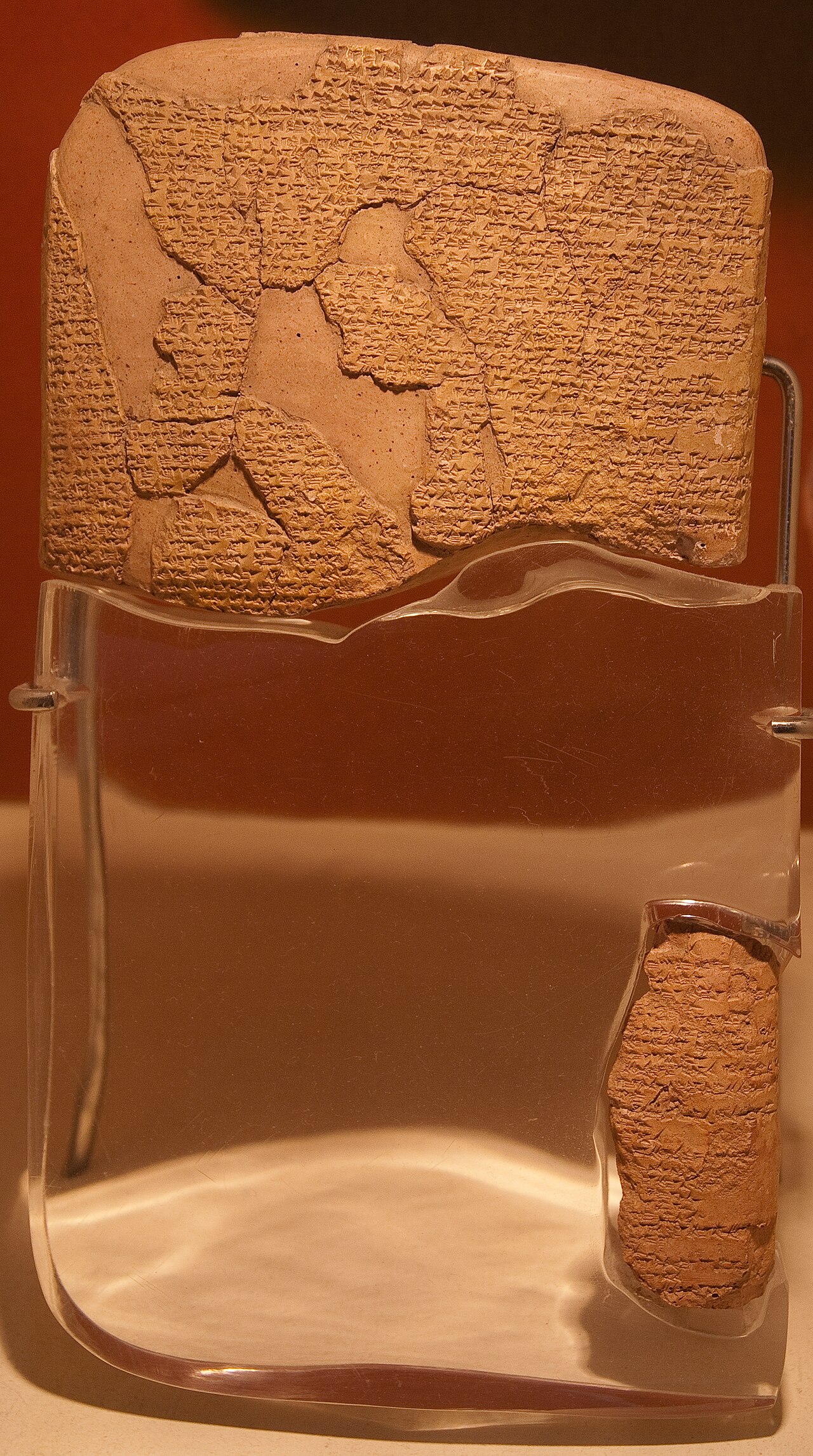
Treaty of Kadesh Tablet (Boğazköy Version)
13th century BCE
A cuneiform clay tablet recording the peace treaty between Ramesses II of Egypt and the Hittite king, found at Hattusa.
Ramesses II was one of the two rulers who agreed to this treaty, making it a direct record of his diplomacy.
About this source
What it is
This is a fragmentary clay tablet inscribed in cuneiform, found at Boğazköy (ancient Hattusa) in Turkey. It preserves the Hittite version of the peace treaty agreed between Ramesses II of Egypt and the Hittite ruler. It is now kept at the Museum of the Ancient Orient in Istanbul.
Why it matters
This treaty is one of the earliest known international peace agreements in history. It shows that Ramesses II, after years of conflict with the Hittites including the Battle of Kadesh, negotiated a formal diplomatic settlement, revealing the political and administrative sophistication of both empires.
Look closer
- Why do you think this treaty was written in cuneiform rather than Egyptian hieroglyphs?
- What does the existence of a treaty tell you about the limits of military power even for a pharaoh like Ramesses II?
- How might historians compare this Hittite copy with the Egyptian version of the same treaty?
This document is part of the curated material that grounds the AI version of Ramses II (Ramses the Great) on Humy.ai — when students ask about related events, the AI can quote it and cite it.
More Ramses II (Ramses the Great) sources
Meet the AI Ramses II (Ramses the Great) →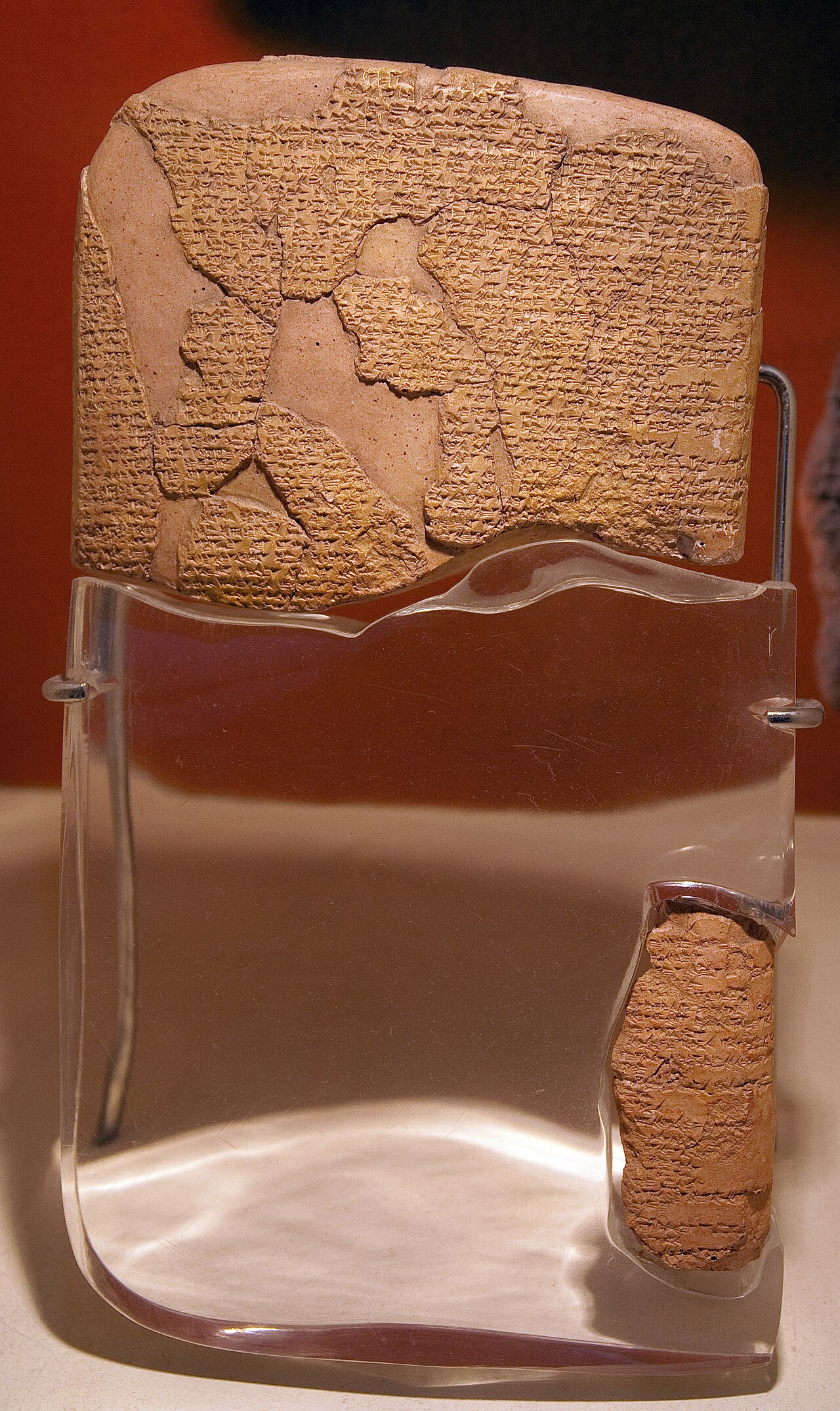 Document
Primary source
Egyptian–Hittite Peace Treaty
c. 1258 BCE
 Photograph
Secondary source
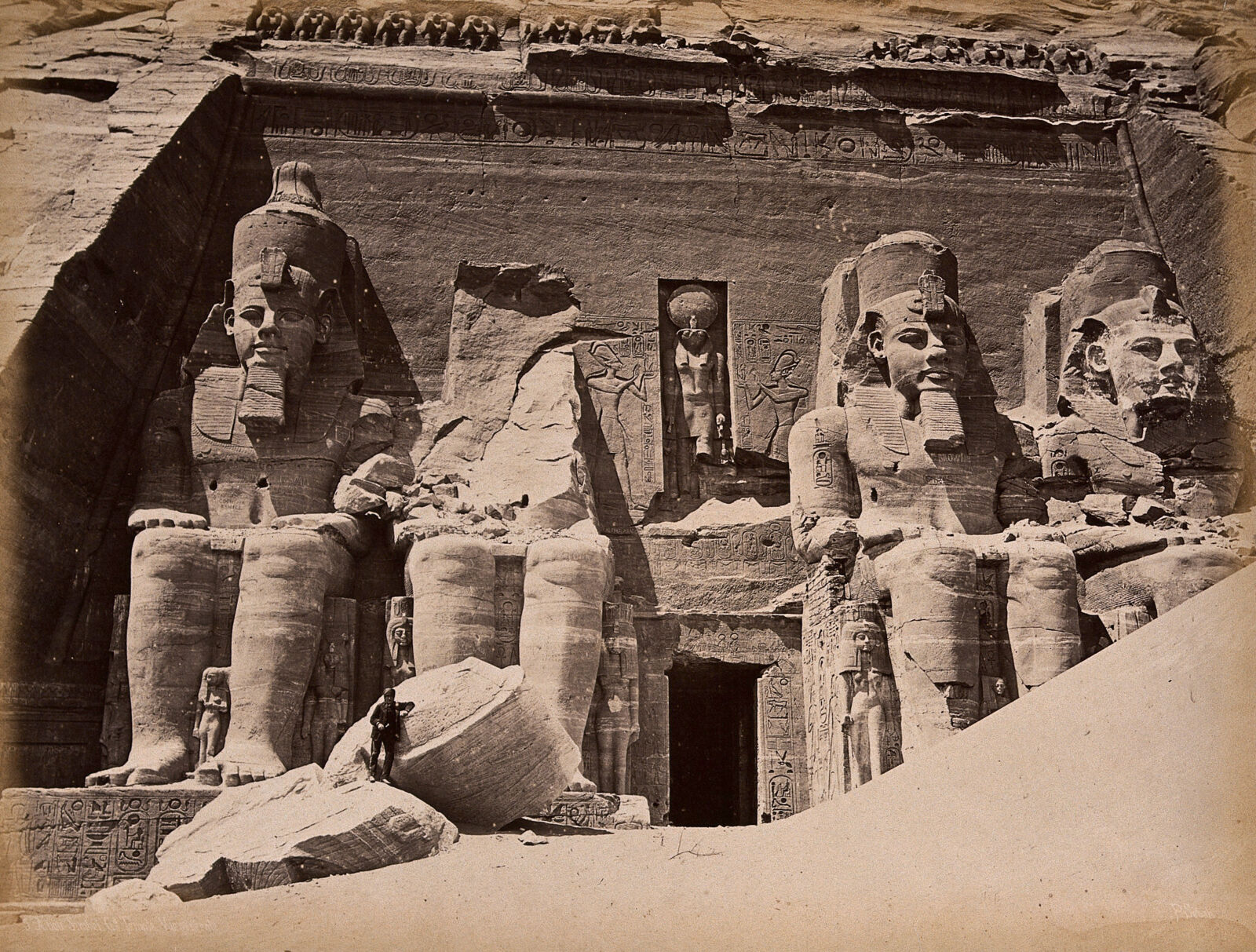
Abu Simbel Temple Colossi
Pascal Sébah · 1875
 Artifact
Primary source
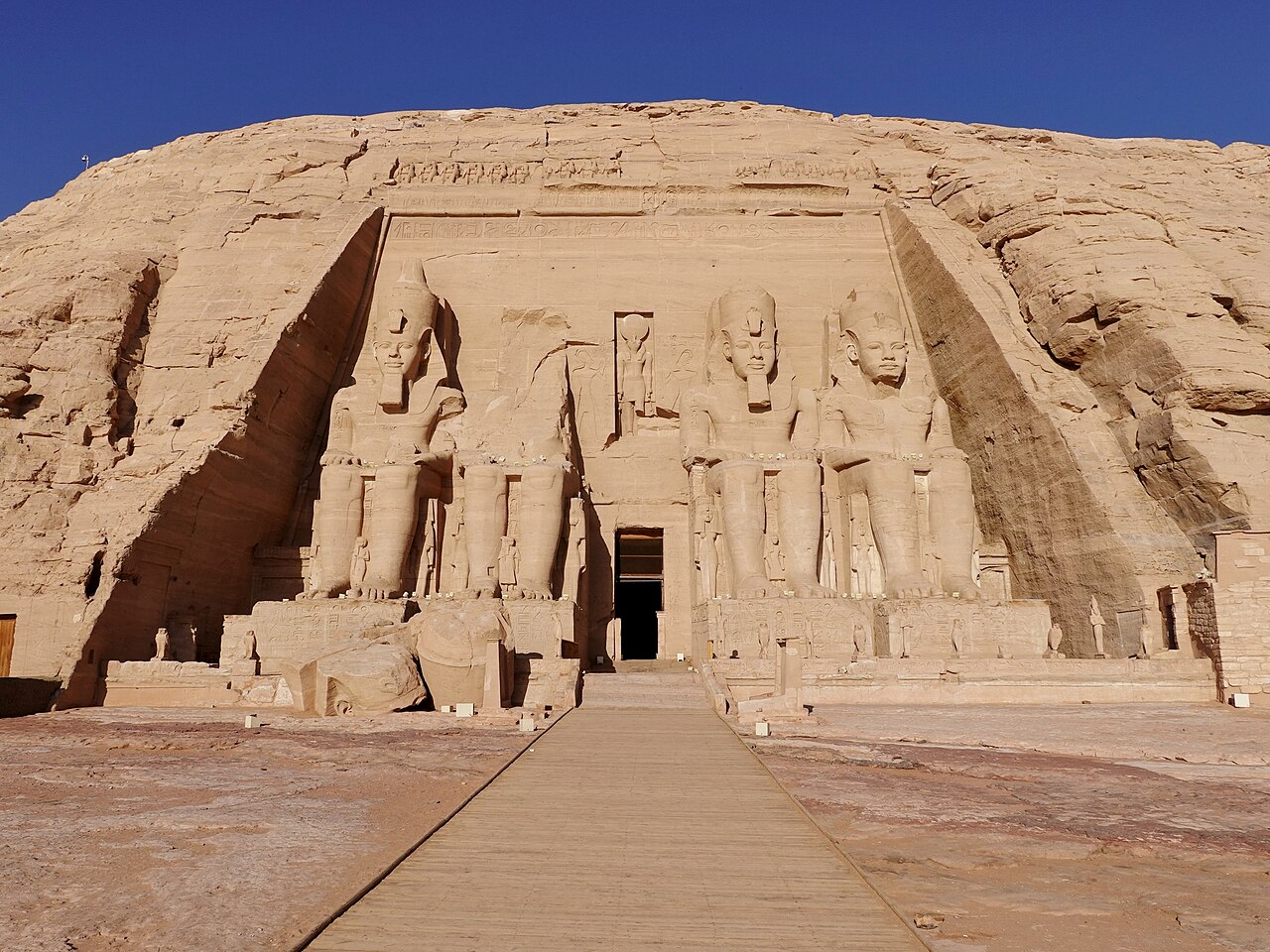
Abu Simbel
Ramesses II · c. 1273 BCE
 Photograph
Secondary source
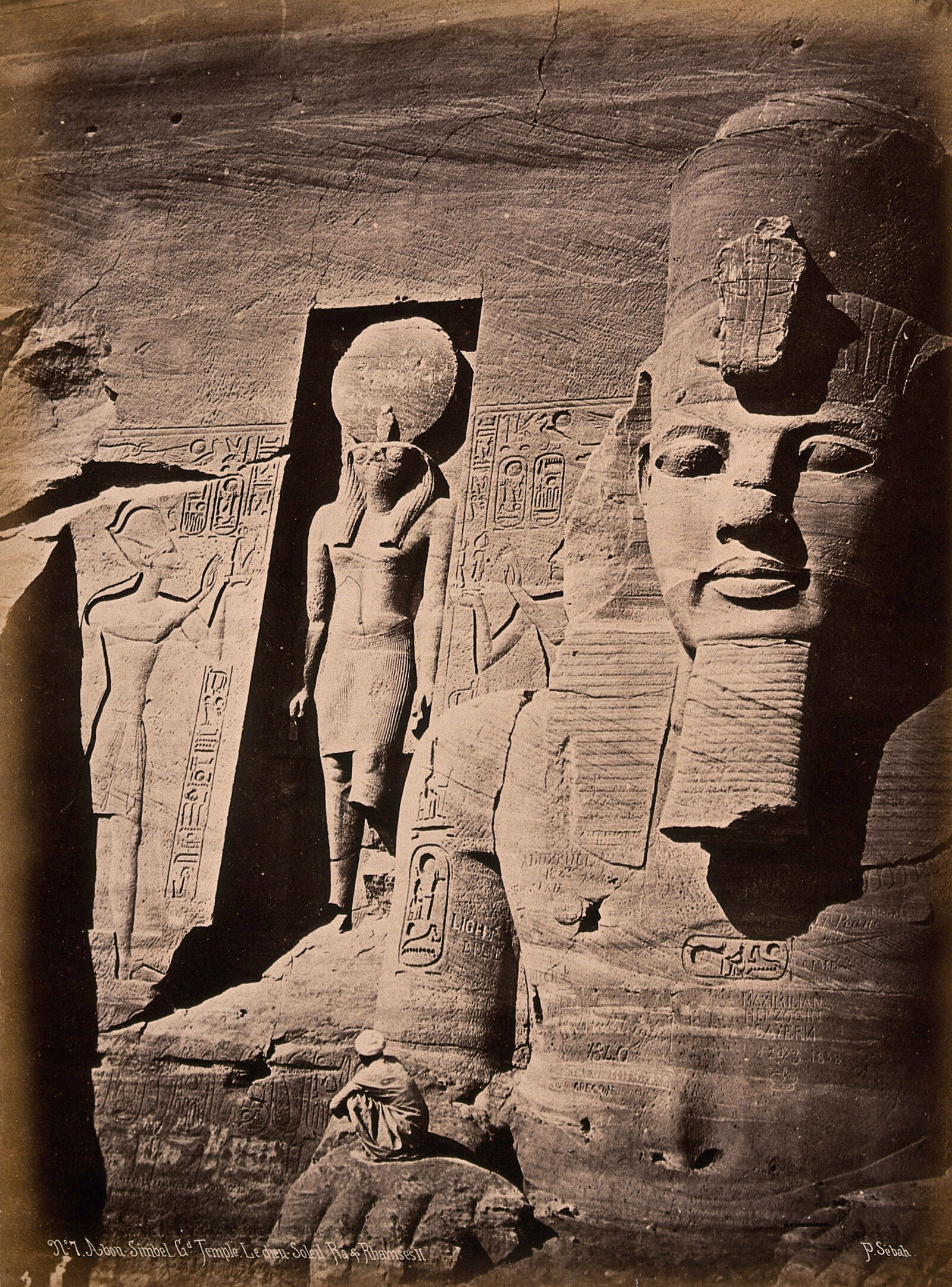
Facade Detail of Abu Simbel Showing Ramesses II and Ra
Pascal Sébah · 1875
 Photograph
Secondary source
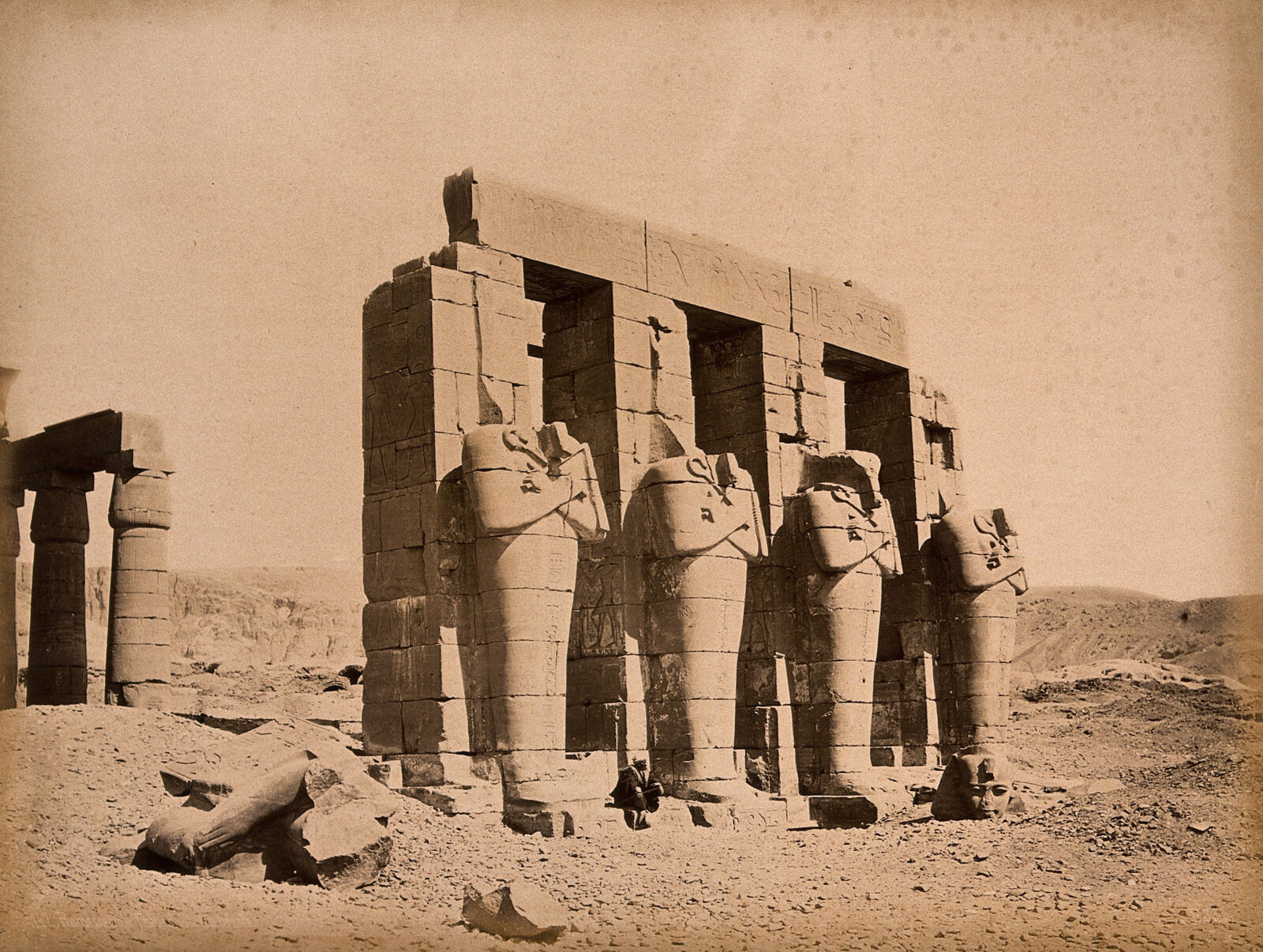
Ramesseum Colossi in Ruins
Pascal Sébah · c. 1875
Ready when you are
Start chatting with Ramses II (Ramses the Great) now.
20 messages free · No credit card · Available in 50+ languages.