


Primary sourceArtifact6th century BC
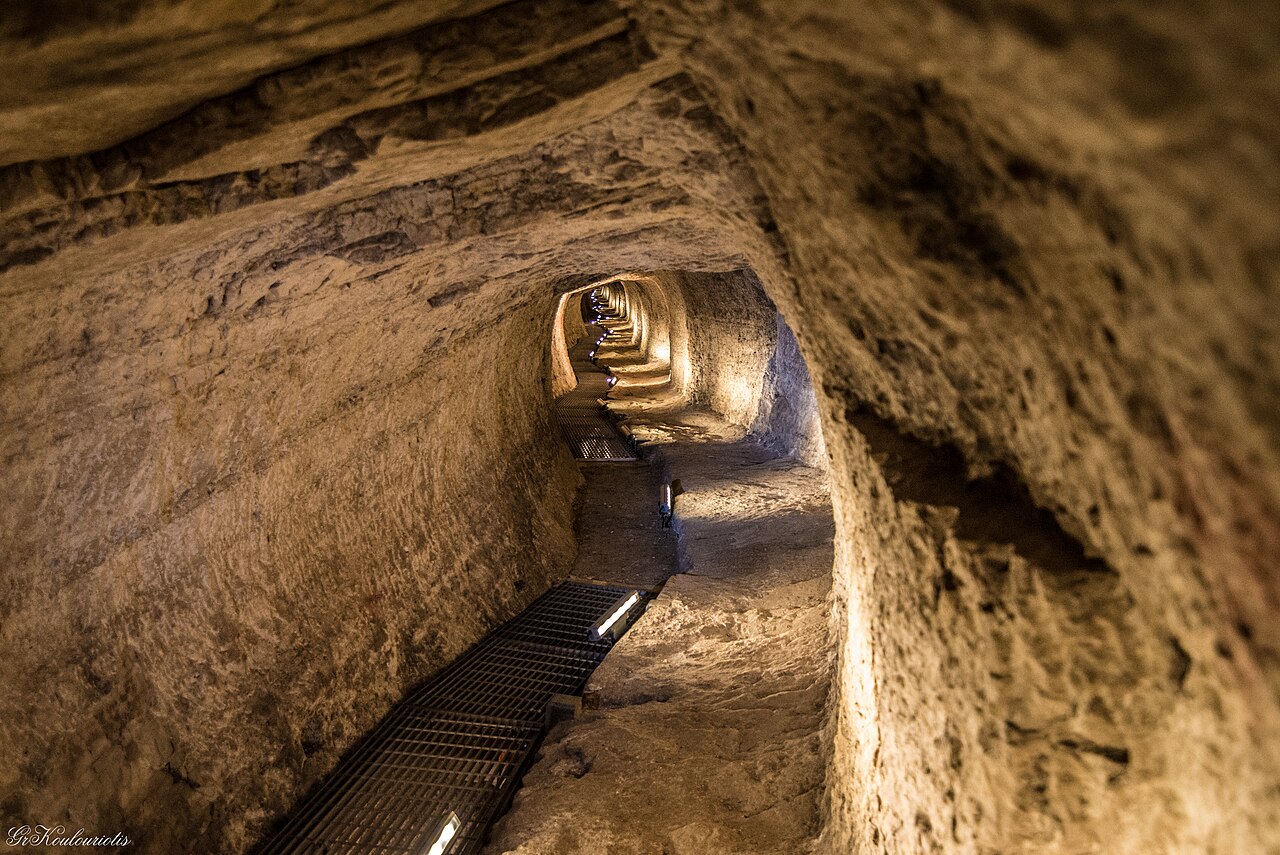
Tunnel of Eupalinos
Eupalinos · 6th century BC
A 6th-century BC aqueduct tunnel on Samos, built during Pythagoras's lifetime, showing the practical engineering of his homeland.
Shows the engineering culture of Samos, the island where Pythagoras lived before his travels and later career.
About this source
What it is
The Tunnel of Eupalinos is a water tunnel over a kilometre long, cut through a mountain on the island of Samos in the 6th century BC. It was engineered by Eupalinos of Megara to supply the city with fresh water, under the rule of the tyrant Polycrates.
Why it matters
Dug from both ends using a geometry-based method, the tunnel demonstrates the level of mathematical and engineering skill present on Samos during the time Pythagoras lived there. It gives students a sense of the practical world of measurement and geometry that surrounded him before he became famous for abstract mathematics.
Look closer
- What kind of planning would be needed to dig a tunnel from both ends and meet in the middle?
- How might growing up in a place with this kind of engineering have shaped Pythagoras's interests?
- Why is it useful to look at objects like this instead of only at writings about Pythagoras himself?
This artifact is part of the curated material that grounds the AI version of Pythagoras on Humy.ai — when students ask about related events, the AI can quote it and cite it.
More Pythagoras sources
Meet the AI Pythagoras → Book
Secondary source
Lives and Opinions of Eminent Philosophers, Book V (Life of Aristotle)
Diogenes Laërtius · c. 3rd century CE
 Book
Secondary source
Histories
Herodotus · c. 440 BCE
 Book
Secondary source
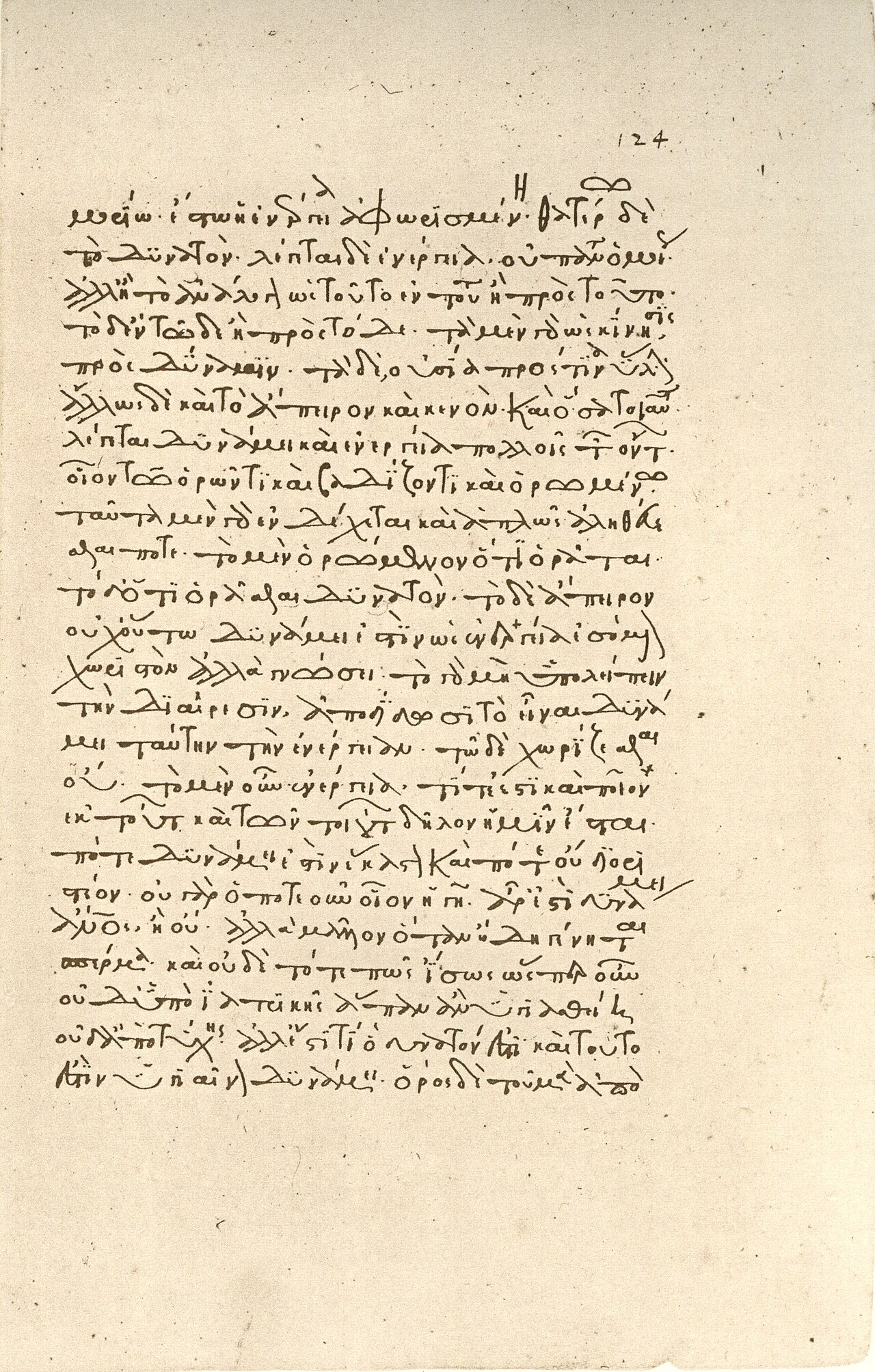
Metaphysics
Aristotle · c. 400 BCE
 Book
Secondary source
Life of Pythagoras
Porphyry · c. 270 AD
 Painting
Secondary source
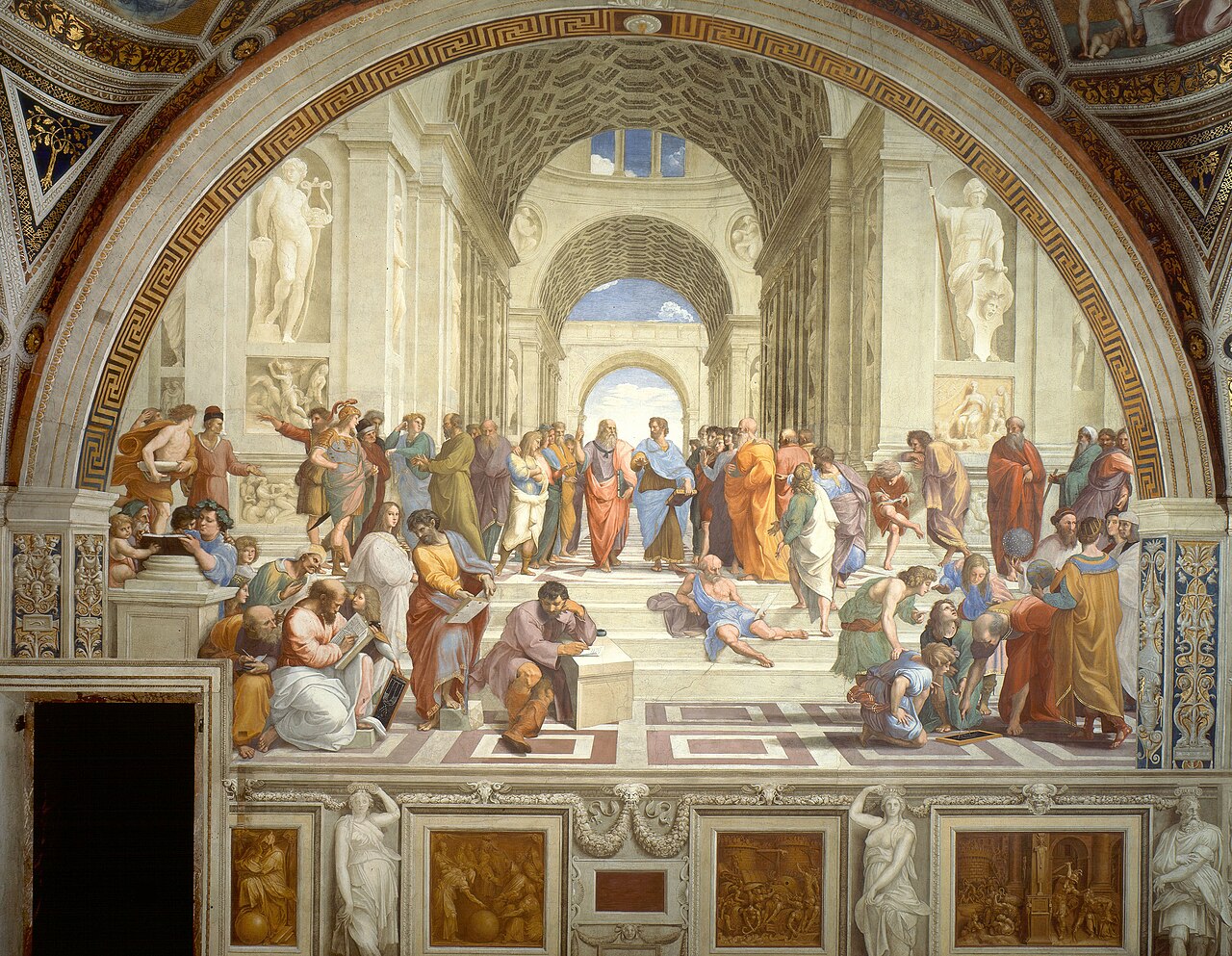
The School of Athens
Raphael · 1509-1511
Ready when you are
Start chatting with Pythagoras now.
20 messages free · No credit card · Available in 50+ languages.