


Secondary sourceBookc. 1375-1400
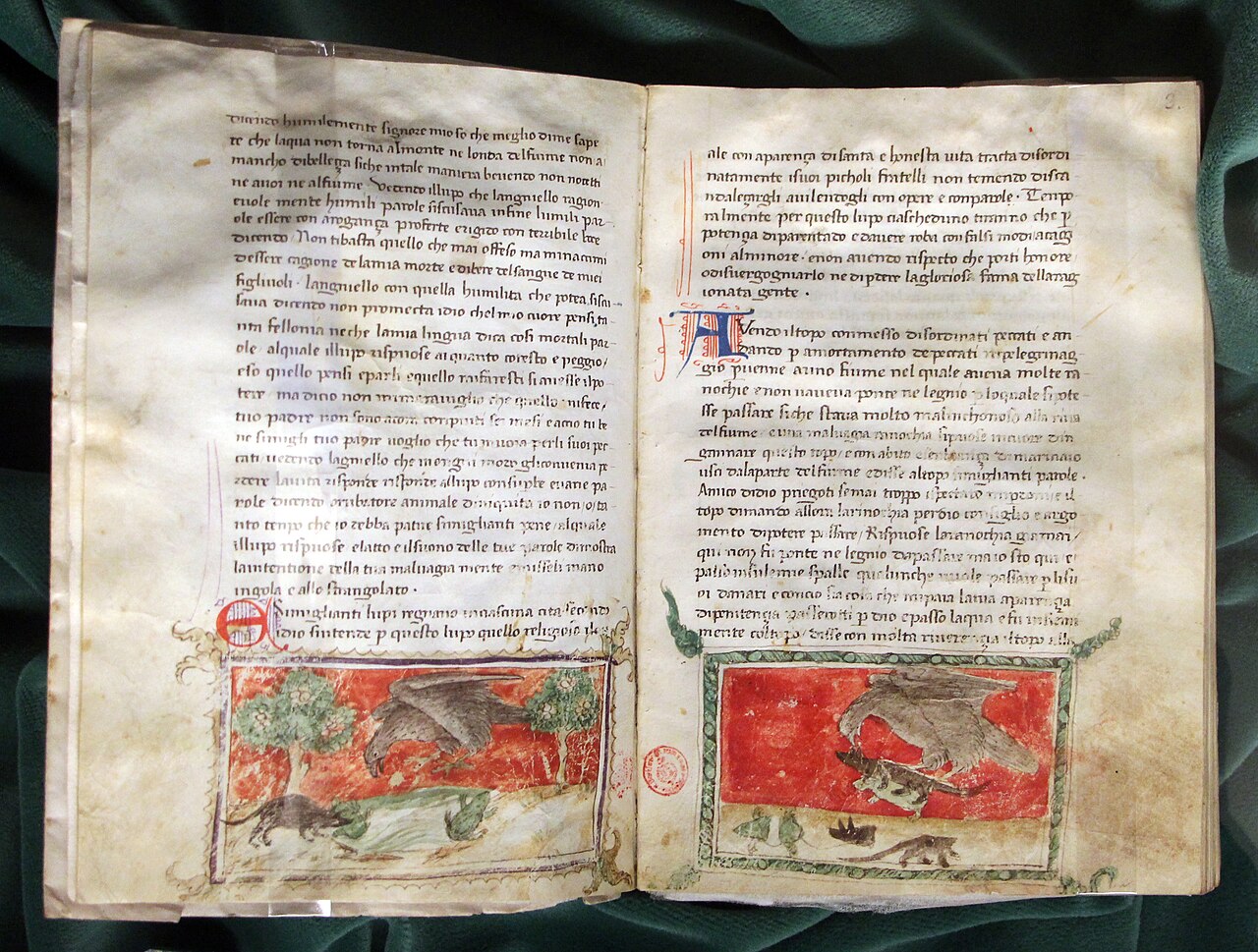
Tuscan Aesop manuscript, Laurenziana Gaddi 176
c. 1375-1400
An illustrated Italian manuscript of Aesop's fables from around 1375-1400, held in the Medicea Laurenziana library. It is a later copy that shows how Aesop's stories were passed on.
Shows how Aesop's fables were copied and illustrated in Italy centuries after his lifetime, so students see how his stories were later preserved.
About this source
What it is
This is a photograph of an illustrated Italian manuscript of Aesop's fables, held in the Biblioteca Medicea Laurenziana and catalogued as Laurenziana Gaddi 176. It is dated c. 1375-1400. The photograph shows two open pages of handwritten Italian text in black ink, with red and blue initials. At the bottom of each page is a small framed painting of animals, and one shows a bird and a cat-like animal on a red background.
Why it matters
Aesop is linked to ancient Greece, in the period 620 to 564 BCE. The fables attributed to him were copied, translated and retold for many centuries after his lifetime. This manuscript was made in Italy in the late 1300s, so it shows how Aesop's stories reached medieval readers, who copied them by hand and decorated them.
Look closer
- Which animals appear in the small framed pictures, and what might they suggest about the stories on the page?
- Why might someone in this period spend time adding coloured initials and painted pictures to a book of fables?
- What does this photograph leave out, such as the words themselves, which cannot be read from the picture?
This book is part of the curated material that grounds the AI version of Aesop on Humy.ai — when students ask about related events, the AI can quote it and cite it.
More Aesop sources
Browse all 96 →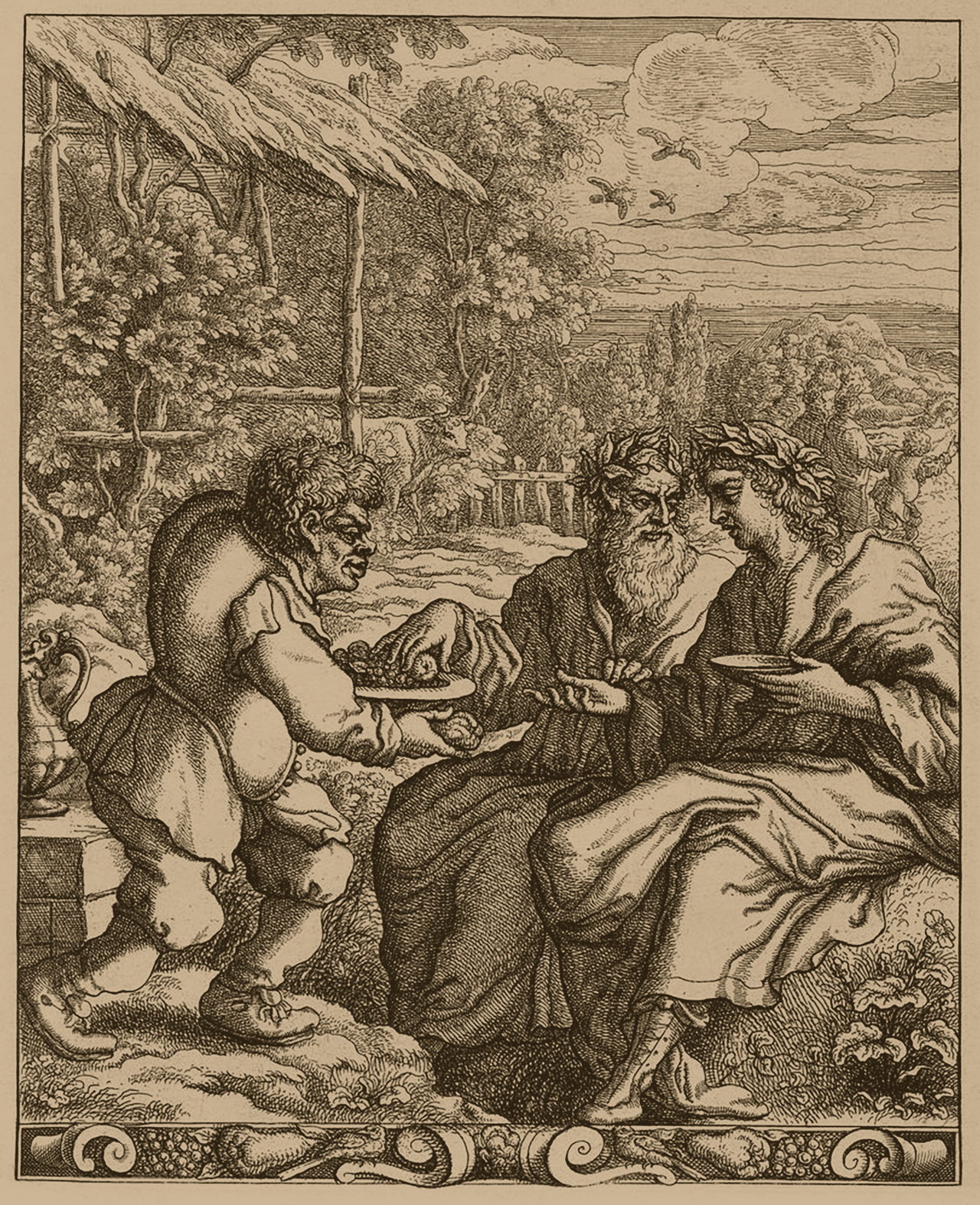 Book
Secondary source
Aesop's Fables
Aesop (attributed) · compiled from the 3rd century BCE onward
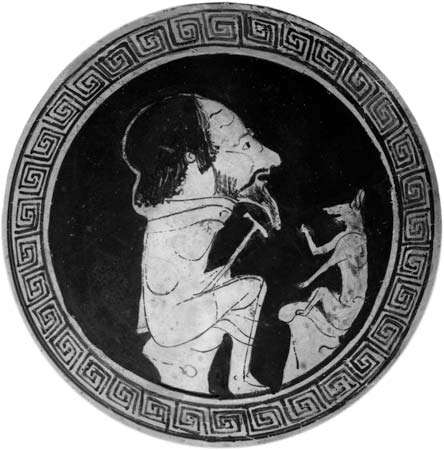 Artifact
Secondary source
Aesop and the Fox (Red-Figure Kylix)
Unknown Greek artist · c. 450 BCE
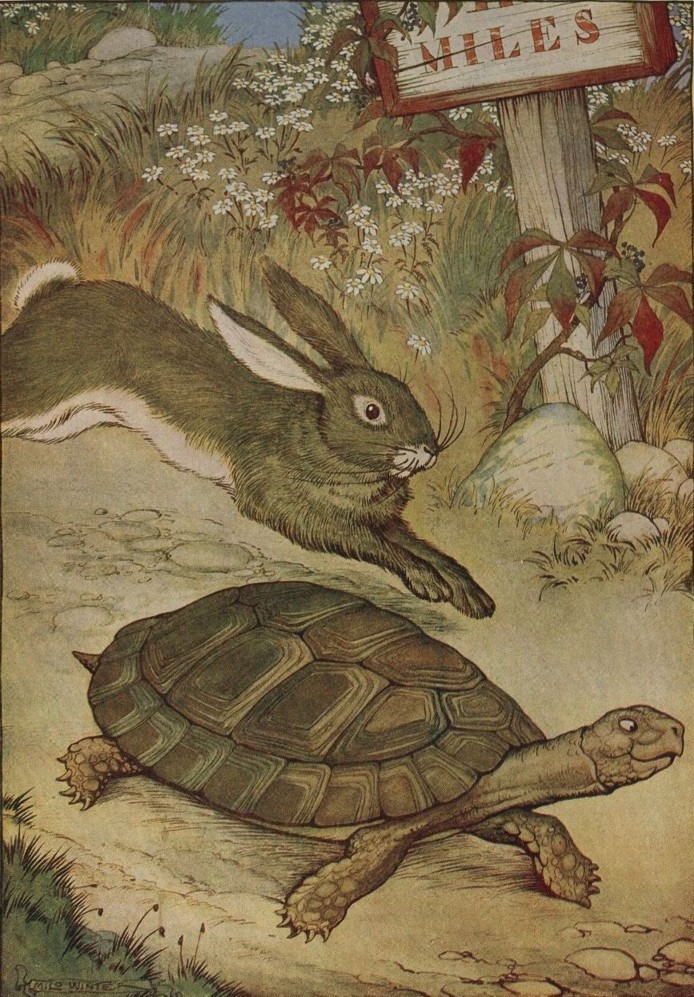 Book
Secondary source
The Tortoise and the Hare
Aesop (attributed) · ancient Greek origin, no early Latin version; printed from 16th century
 Book
Secondary source
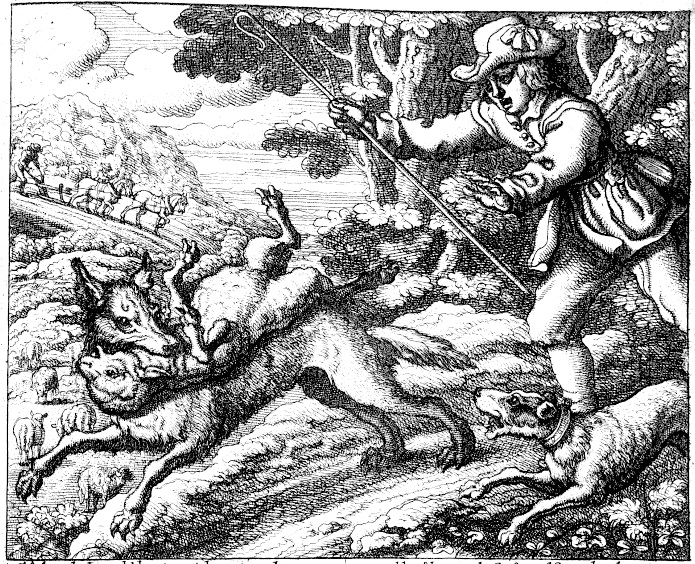
The Boy Who Cried Wolf
Aesop (attributed) · ancient Greek origin; translated into Latin in the 15th century
Free account
Browse every Aesop source
Sign up free →
Ready when you are
Start chatting with Aesop now.
20 messages free · No credit card · Available in 50+ languages.