


Primary sourceArtifact
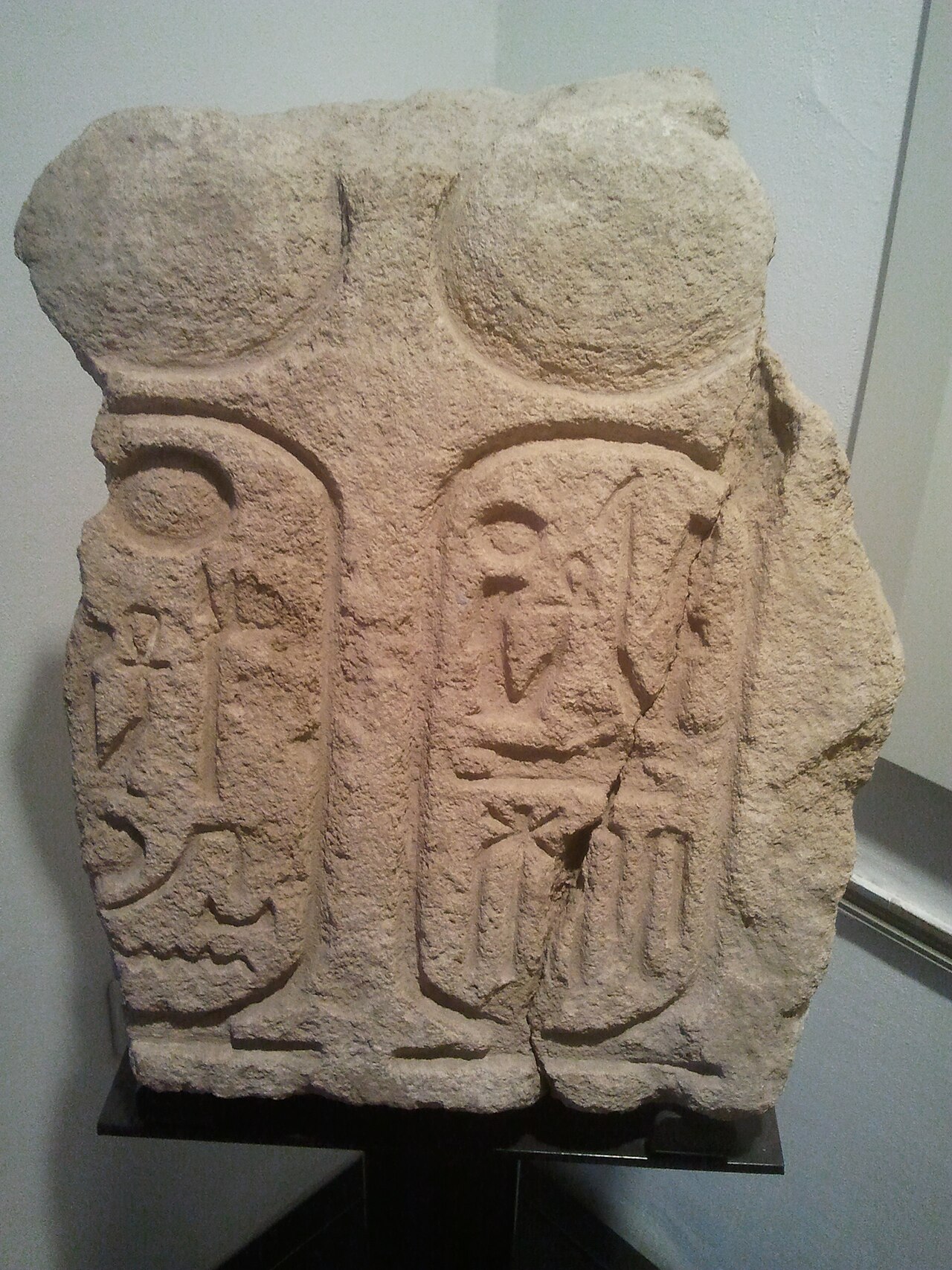
Two-Part Cartouche of Ramesses II
A limestone cartouche bearing the name of Ramesses II, found south of Gaza, likely once part of an Egyptian fortress along the coastal route.
This cartouche bears Ramesses II's royal name and marks Egyptian presence in a fortress linked to his reign.
About this source
What it is
This is a two-part limestone block carved with cartouches, oval frames that hold a pharaoh's royal name, bearing the name of Ramesses II. It was discovered south of Gaza, where it is thought to have been set into an Egyptian fortress along the ancient coastal road. It is now displayed at the Hecht Museum in Haifa.
Why it matters
Objects like this cartouche mark Egyptian control and presence far beyond the Nile Valley, showing how Ramesses II's name and authority extended into fortified outposts along important trade and military routes. It is physical evidence of the reach of his rule.
Look closer
- Why might a pharaoh's name be carved into a fortress far from the center of his kingdom?
- What does the cracked and weathered condition of the stone tell you about its age and history?
- What questions can't this single carved block answer about daily life at the fortress?
This artifact is part of the curated material that grounds the AI version of Ramses II (Ramses the Great) on Humy.ai — when students ask about related events, the AI can quote it and cite it.
More Ramses II (Ramses the Great) sources
Meet the AI Ramses II (Ramses the Great) →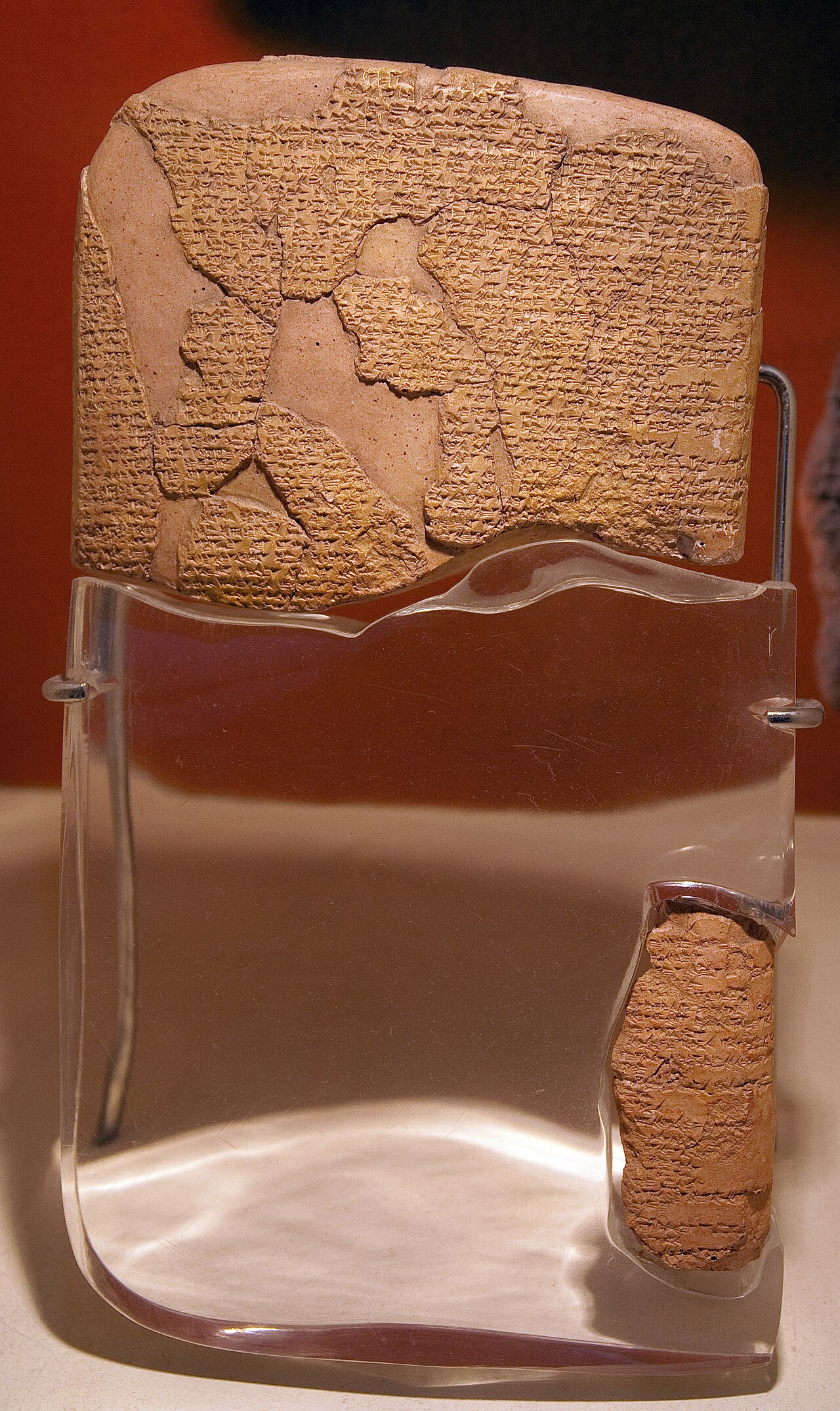 Document
Primary source
Egyptian–Hittite Peace Treaty
c. 1258 BCE
 Photograph
Secondary source
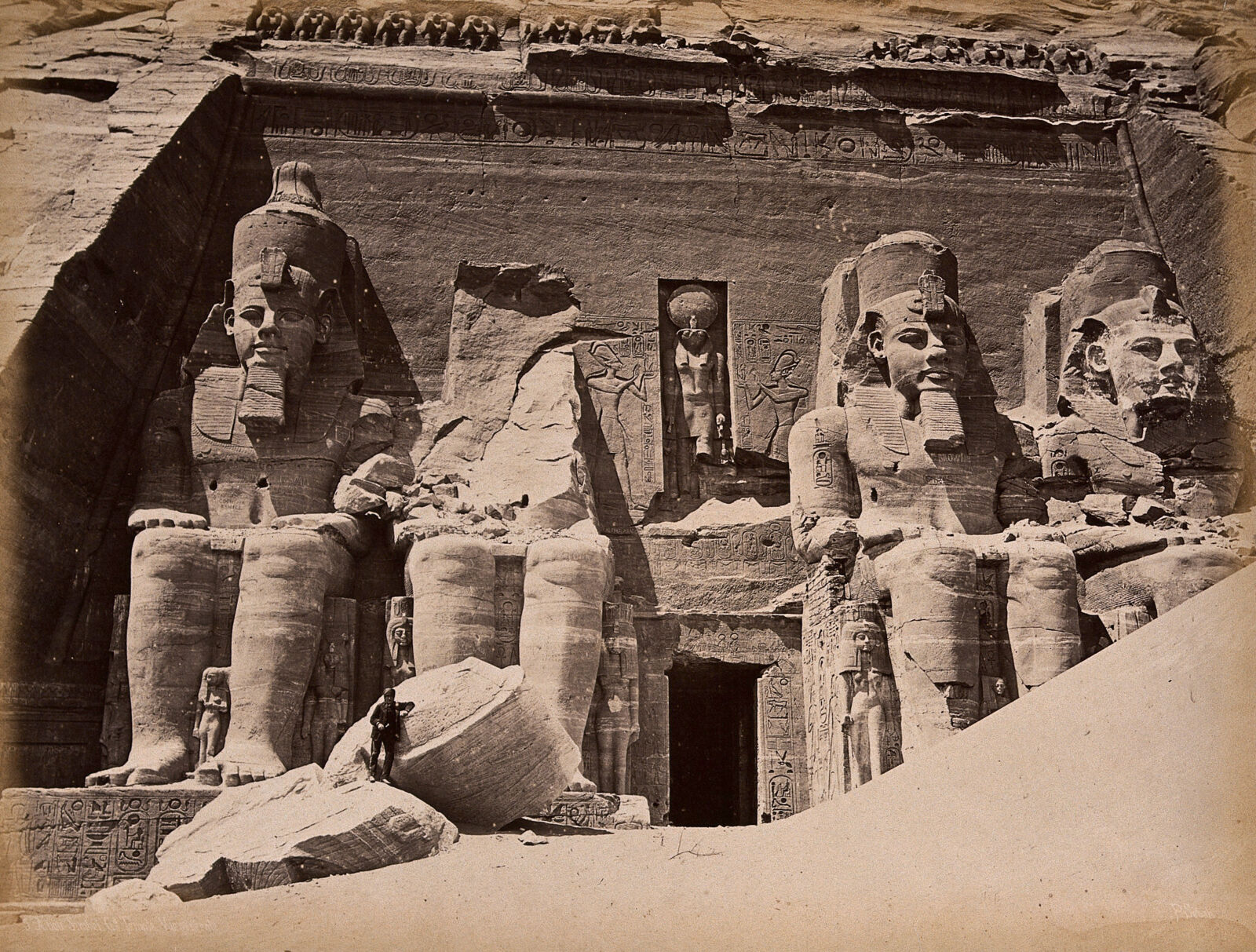
Abu Simbel Temple Colossi
Pascal Sébah · 1875
 Artifact
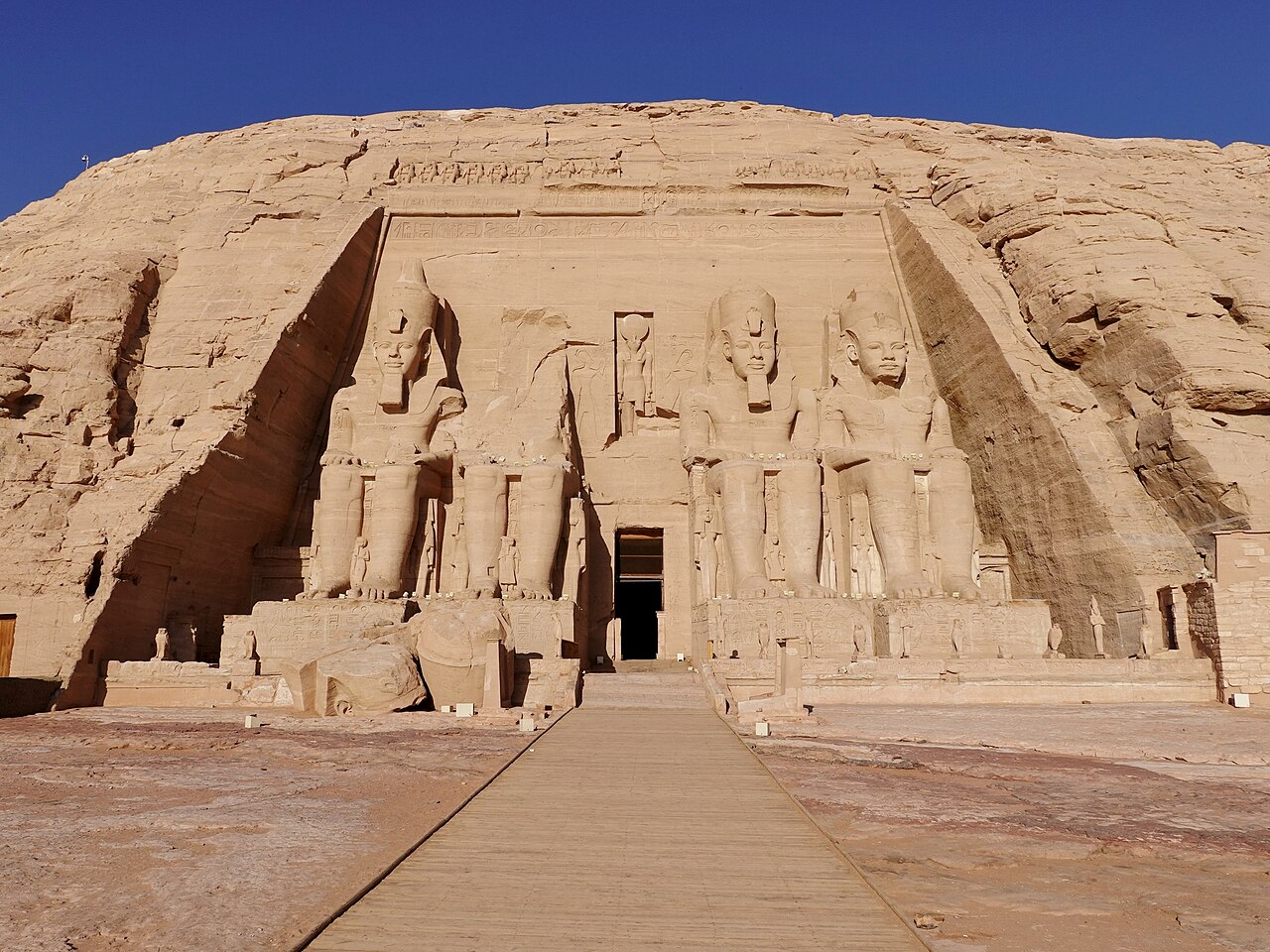
Primary source
Abu Simbel
Ramesses II · c. 1273 BCE
 Photograph
Secondary source
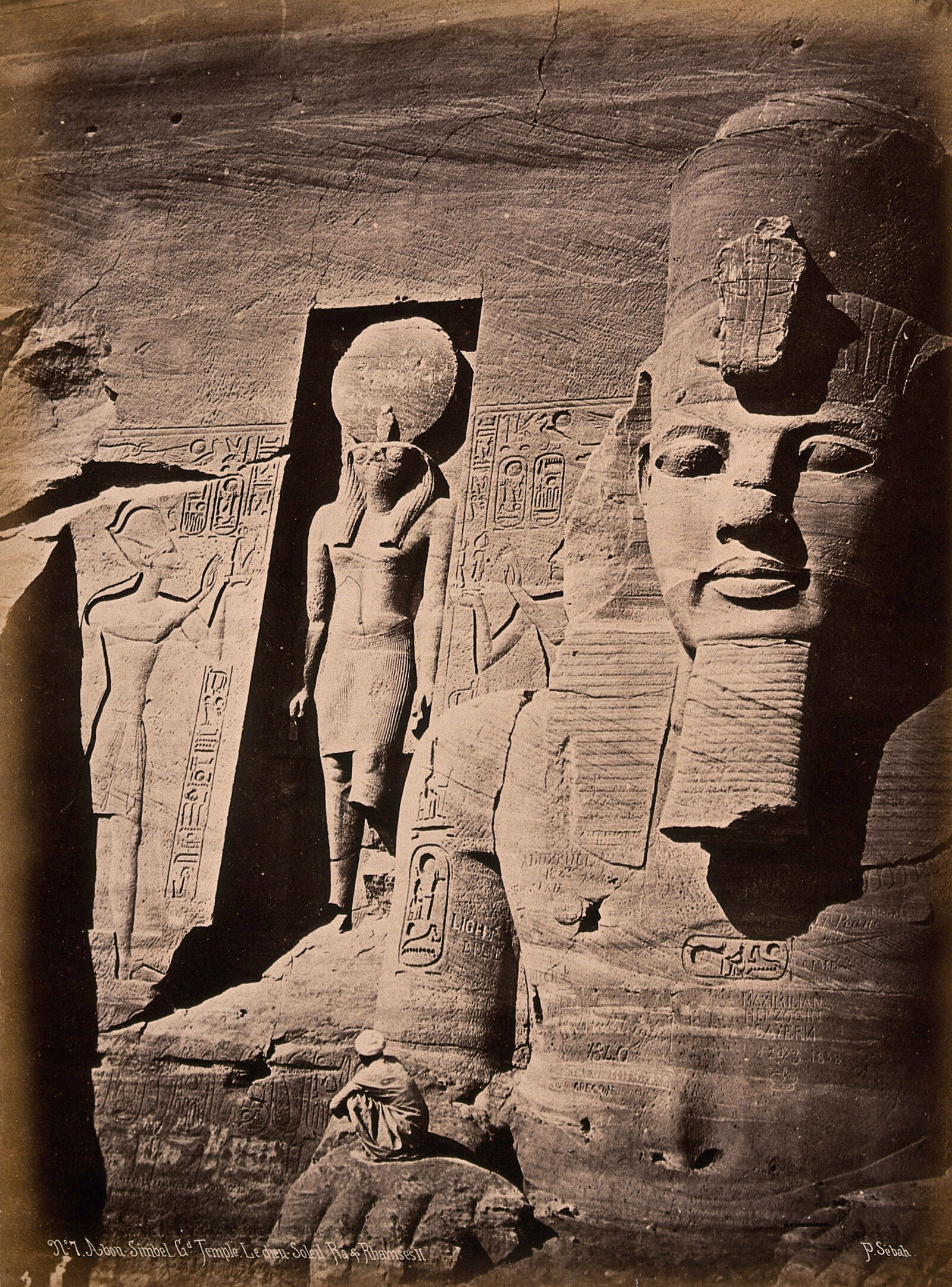
Facade Detail of Abu Simbel Showing Ramesses II and Ra
Pascal Sébah · 1875
 Photograph
Secondary source
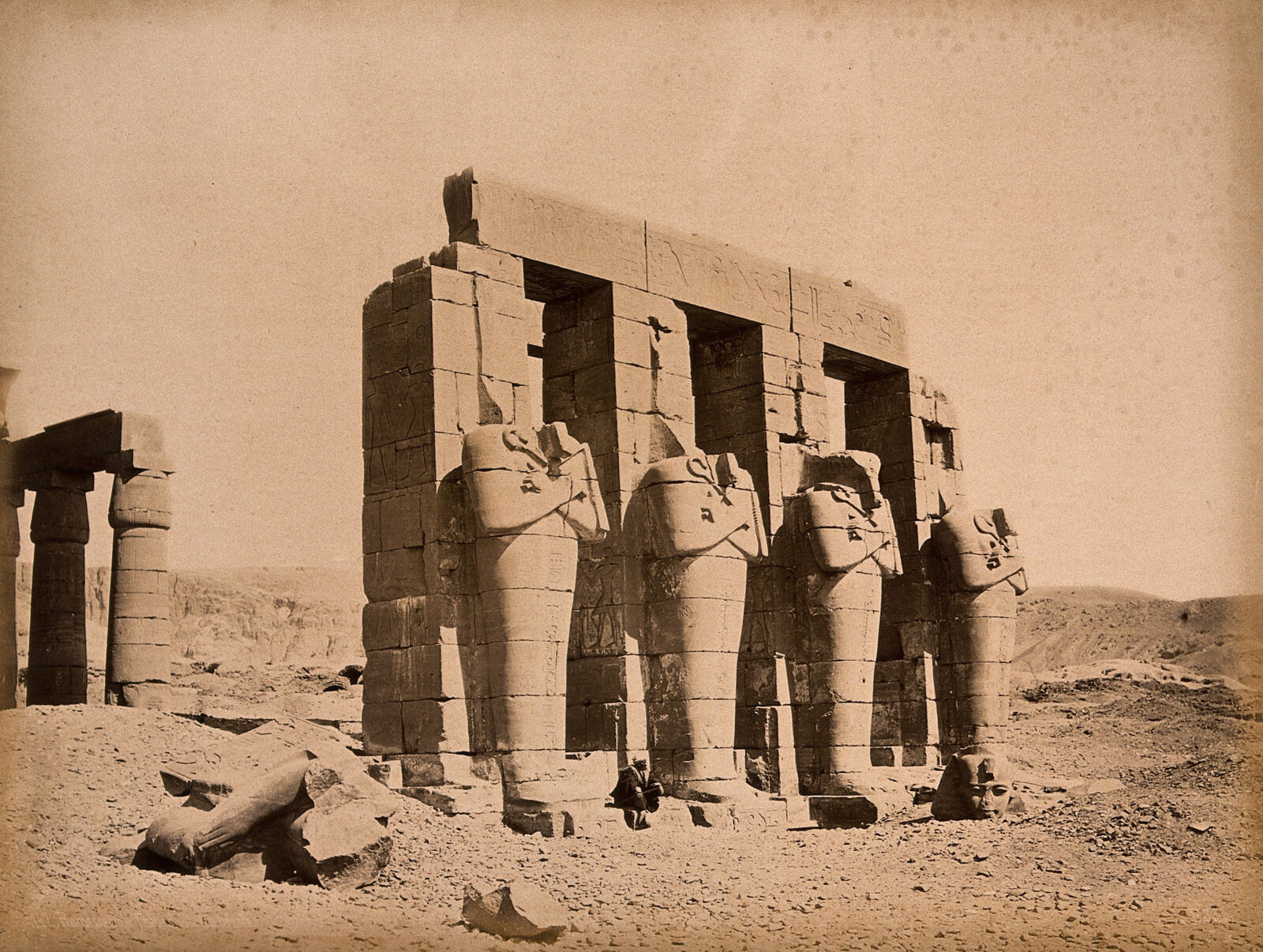
Ramesseum Colossi in Ruins
Pascal Sébah · c. 1875
Ready when you are
Start chatting with Ramses II (Ramses the Great) now.
20 messages free · No credit card · Available in 50+ languages.