


Secondary sourceArtifact706 CE
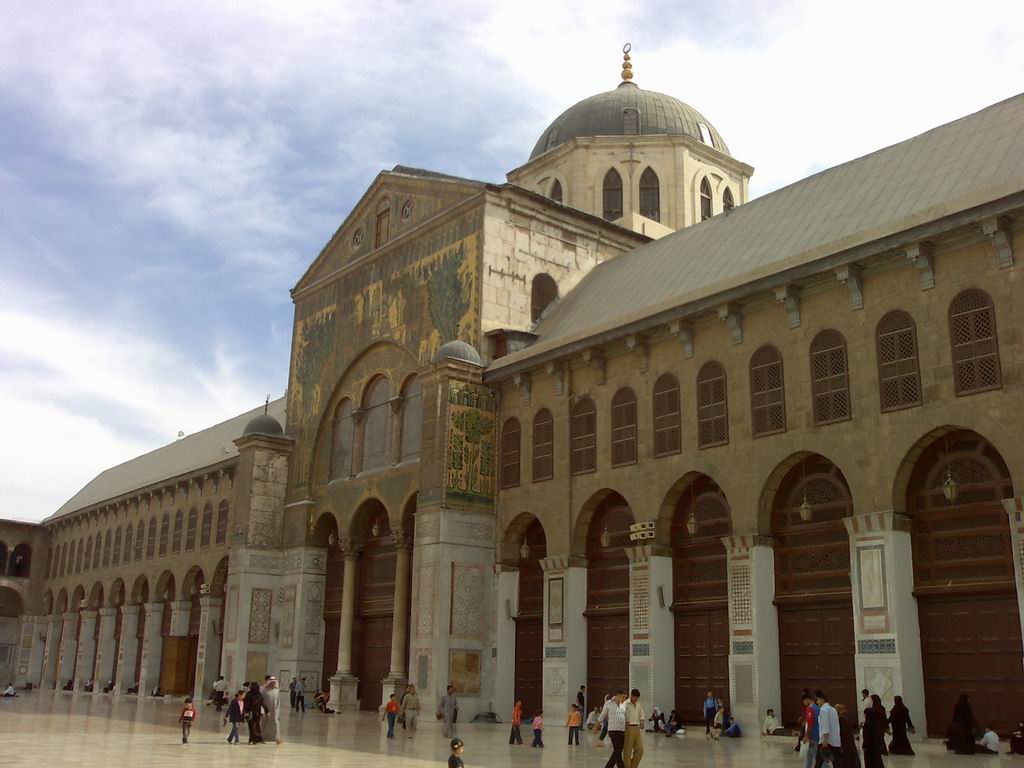
Umayyad Mosque
706 CE
The Great Mosque of Damascus, described in detail by Ibn Battuta, who also witnessed mass prayers there during the Black Death in 1348.
Ibn Battuta described this mosque and witnessed mass prayers here during the 1348 Black Death outbreak.
About this source
What it is
The Umayyad Mosque in Damascus, built from 706 under the Umayyad caliph al-Walid I, is one of the oldest mosques in the world still standing in its original form, on a site used for worship since the Iron Age.
Why it matters
Medieval Muslim writers regarded it as a wonder of the world, and Ibn Battuta described it in detail during his travels. He was also present in Damascus in 1348 during the Black Death, when he recorded mass prayers held at the mosque — a rare eyewitness account linking a great monument to a devastating historical crisis.
Look closer
- Why might a city gather at a mosque like this during a disaster such as plague?
- What does the mosque's long history as a temple, cathedral and mosque tell you about Damascus itself?
- What can a traveller's description add to what the building itself can show us today?
This artifact is part of the curated material that grounds the AI version of Ibn Battuta on Humy.ai — when students ask about related events, the AI can quote it and cite it.
More Ibn Battuta sources
Meet the AI Ibn Battuta →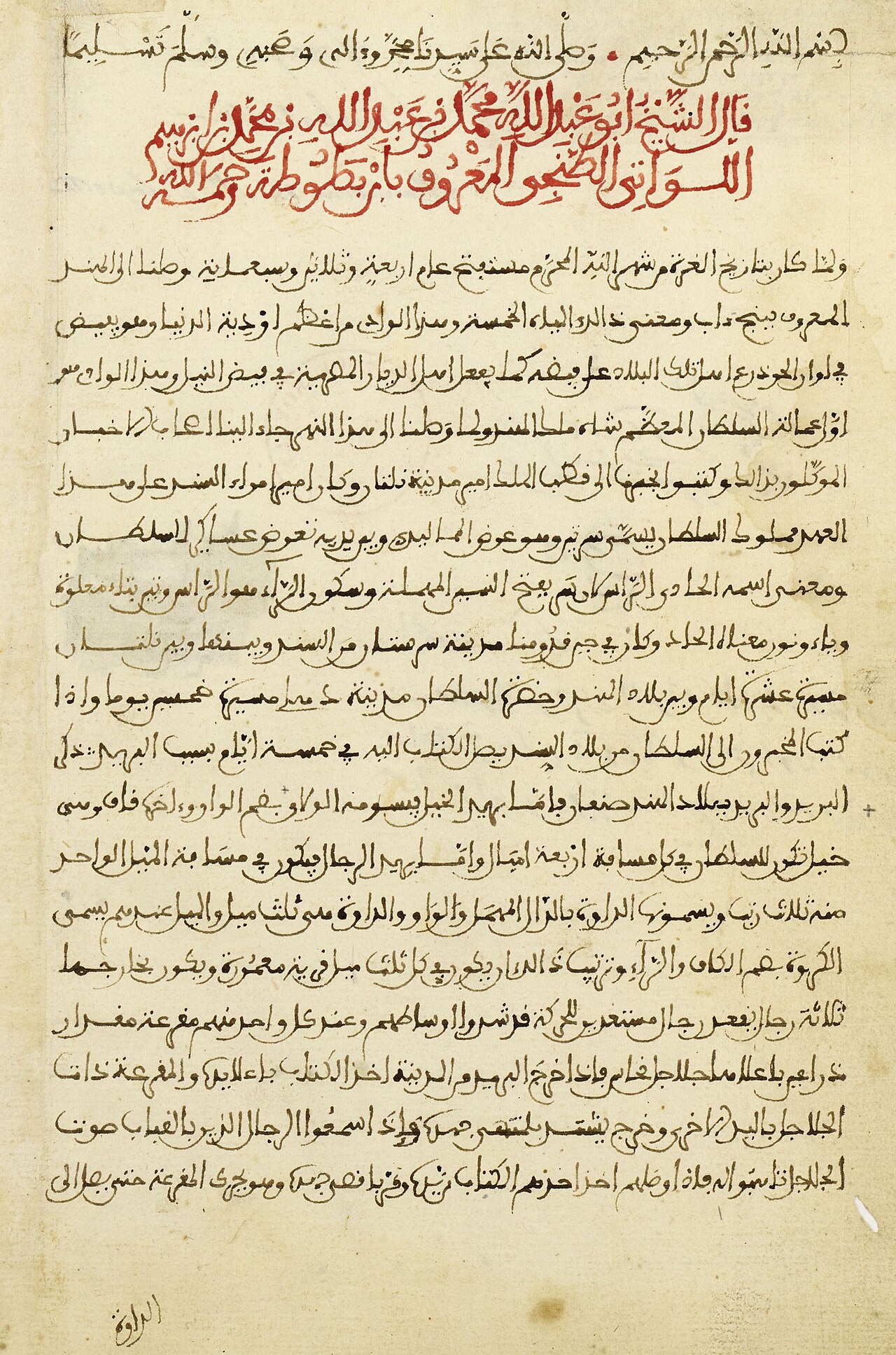 Book
Primary source
The Rihla
Ibn Battuta · 1354-1356
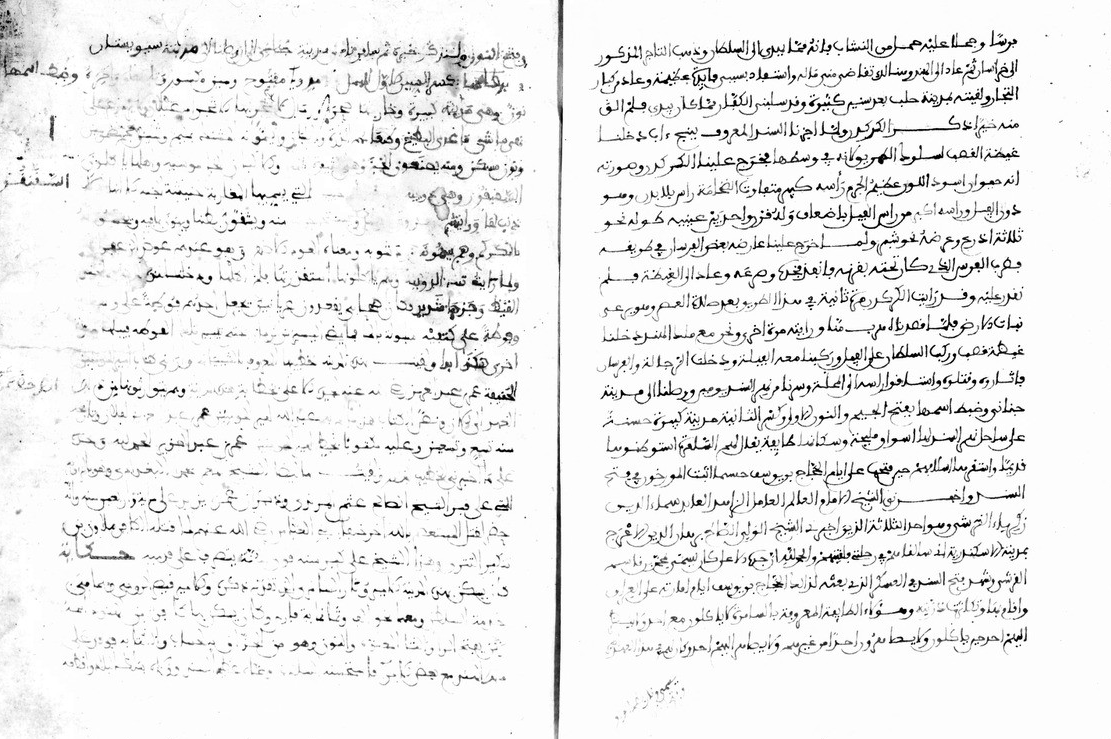 Book
Primary source
Manuscript of the Rihla by Ibn Juzayy
Ibn Juzayy · 14th century
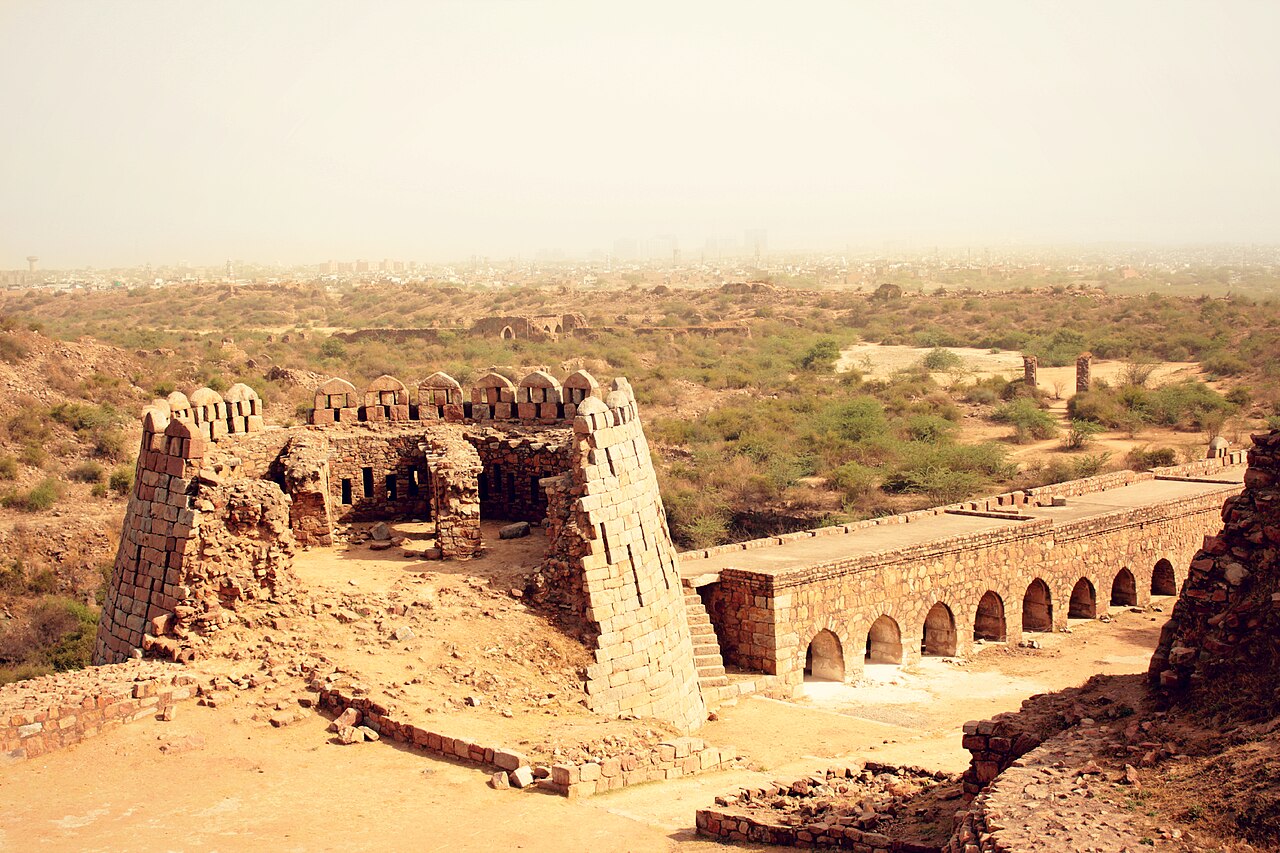 Artifact
Secondary source
Tughlaqabad Fort
Ghiyath al-Din Tughluq · 1321
 Book
Secondary source
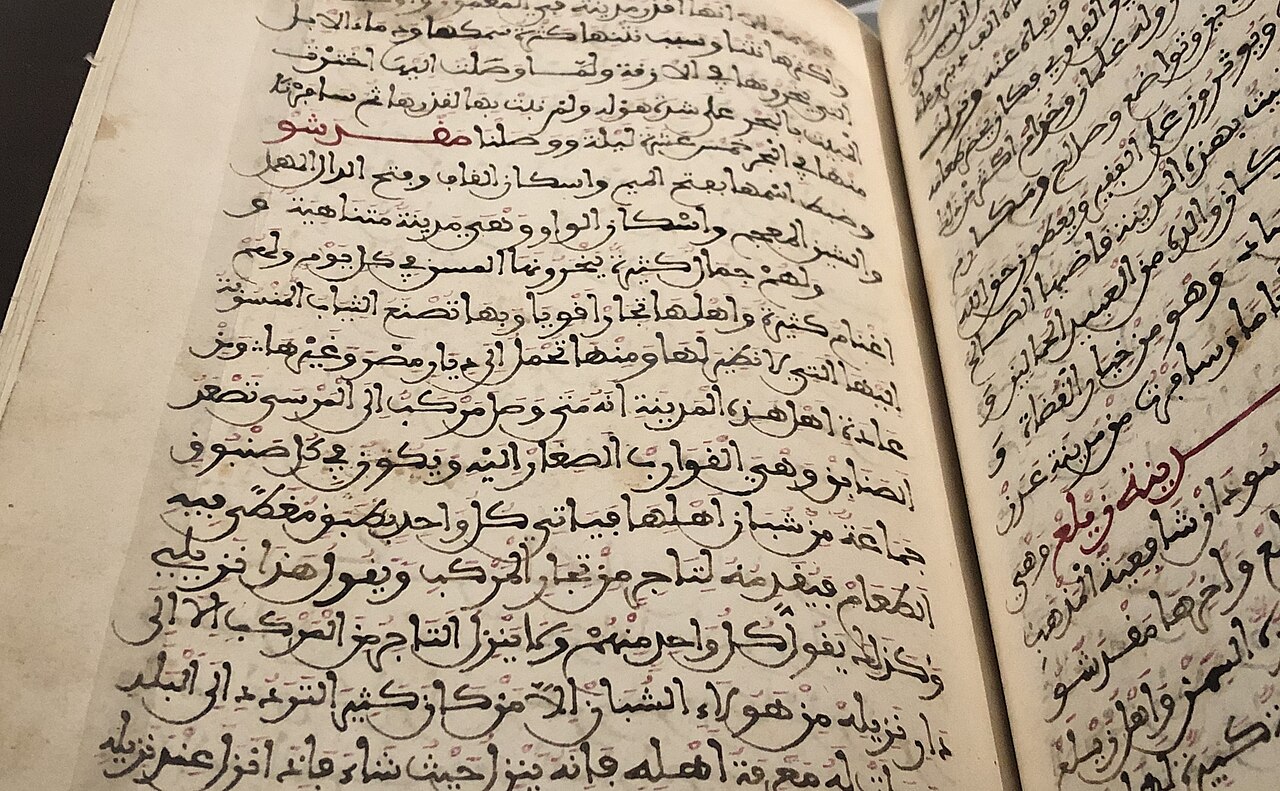
Manuscript copy of the Rihla (1484)
Ibn Juzayy · 1484
 Painting
Primary source
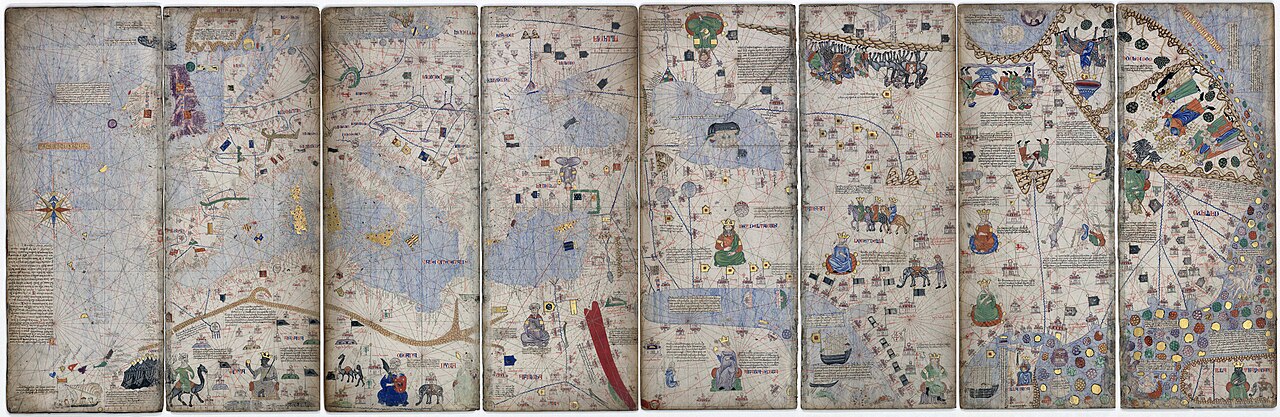
Catalan Atlas
Cresques Abraham · c. 1375
Ready when you are
Start chatting with Ibn Battuta now.
20 messages free · No credit card · Available in 50+ languages.