


Primary sourceBook
Une charogne
Charles Baudelaire
A poem by Charles Baudelaire built around a decaying animal carcass, used to explore beauty found in ugliness and decay.
Baudelaire wrote this poem himself, making it a direct example of his poetic philosophy of finding beauty in ugliness.
Free Humy account · No credit card · 120,912 sources to read
About this source
What it is
'Une charogne' ('A Carcass') is a poem written by Charles Baudelaire. It appears as number XXVII in his collection of verse exploring unconventional subjects for poetry.
Why it matters
The poem takes a rotting carcass encountered on a walk and turns it into the subject of a love poem, confronting the reader with decay, flies and putrefaction instead of traditional beauty. It reveals Baudelaire's belief that poetry could, and should, extract beauty from what society considered ugly or repulsive, challenging conventions of Romantic poetry.
Look closer
- Why might a poet choose something repulsive as the subject of a love poem?
- What effect does the detailed, almost scientific description of decay have on the reader?
- What does this poem suggest about Baudelaire's view of beauty and nature?
This book is part of the curated material that grounds the AI version of Charles Baudelaire on Humy.ai — when students ask about related events, the AI can quote it and cite it.
More Charles Baudelaire sources
Browse all 97 →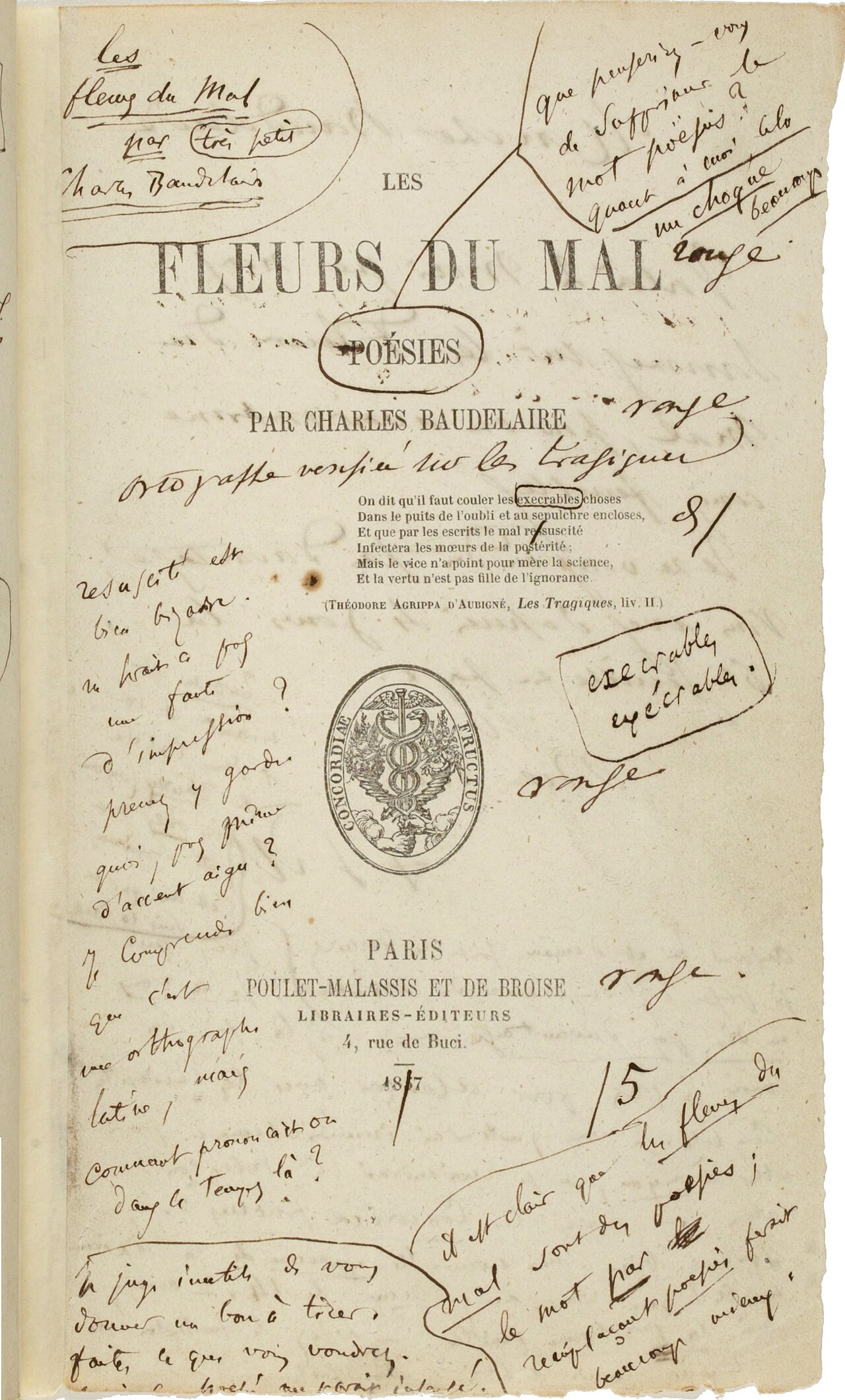 Book
Primary source
Les Fleurs du mal
Charles Baudelaire · 1857 (proof); written 1840–1867
Primary source
Le Peintre de la vie moderne
Charles Baudelaire · 1863 (written c. 1859–1860)
 Book
Primary source
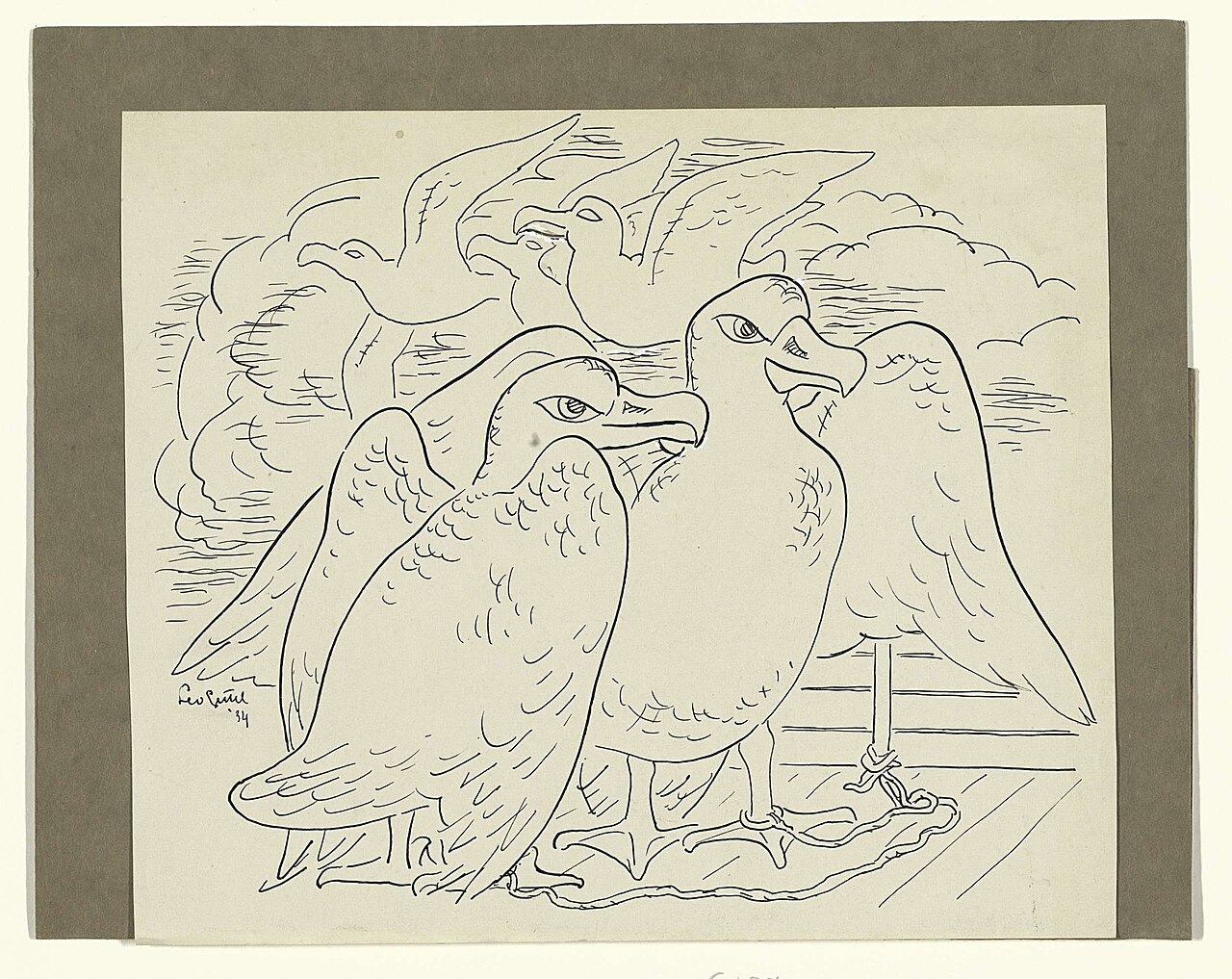
The Albatross
Charles Baudelaire · 1842–1859
Primary source
Correspondences
Charles Baudelaire · 19th century
Free account
Read every Charles Baudelaire source
Sign up free →
Ready when you are
Start chatting with Charles Baudelaire now.
20 messages free · No credit card · Available in 50+ languages.