


Primary sourceArtifactlate 1st century AD onward
Venta Icenorum
late 1st century AD onward
The remains of a Roman town built to govern the Iceni after Boudica's revolt was crushed.
The Roman town built on Iceni land to govern the tribe after Boudica's revolt was defeated.
Free Humy account · No credit card · 118,535 sources to read
About this source
What it is
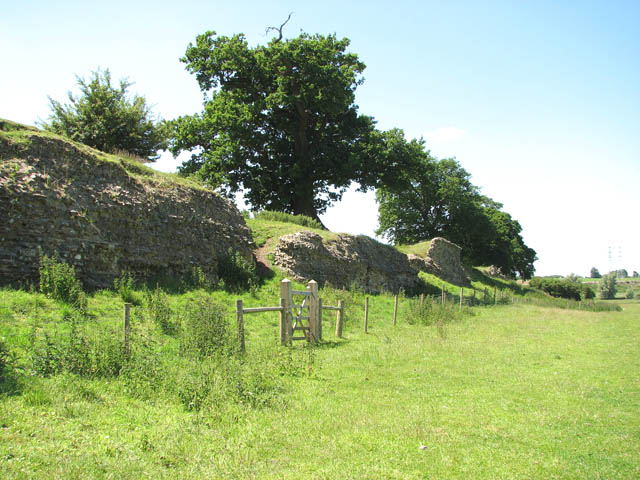
Venta Icenorum, near modern Caistor St Edmund in Norfolk, is the site of a Roman town whose name means 'Market Place of the Iceni'. Its remains include a massive flint and stone defensive wall, visible today as ruins in a grassy field, along with the faint outline of its street grid. The site is managed by the Norfolk Archaeological Trust.
Why it matters
Before the Romans arrived, this region was home to the Iceni, the tribe led by Queen Boudica in her AD 61 revolt against Roman rule. After the rebellion was crushed, the Romans established Venta Icenorum to bring the area under firmer control. The town's very existence shows how Rome reorganised and governed the Iceni following Boudica's defeat.
Look closer
- What does building a new administrative town over Iceni land suggest about Roman strategies for dealing with rebellious peoples?
- What can the layout and walls of the town tell us about Roman priorities, like defence and trade?
- How might the Iceni who lived here after the revolt have felt about this new town?
This artifact is part of the curated material that grounds the AI version of Boudicca on Humy.ai — when students ask about related events, the AI can quote it and cite it.
More Boudicca sources
Browse all 64 →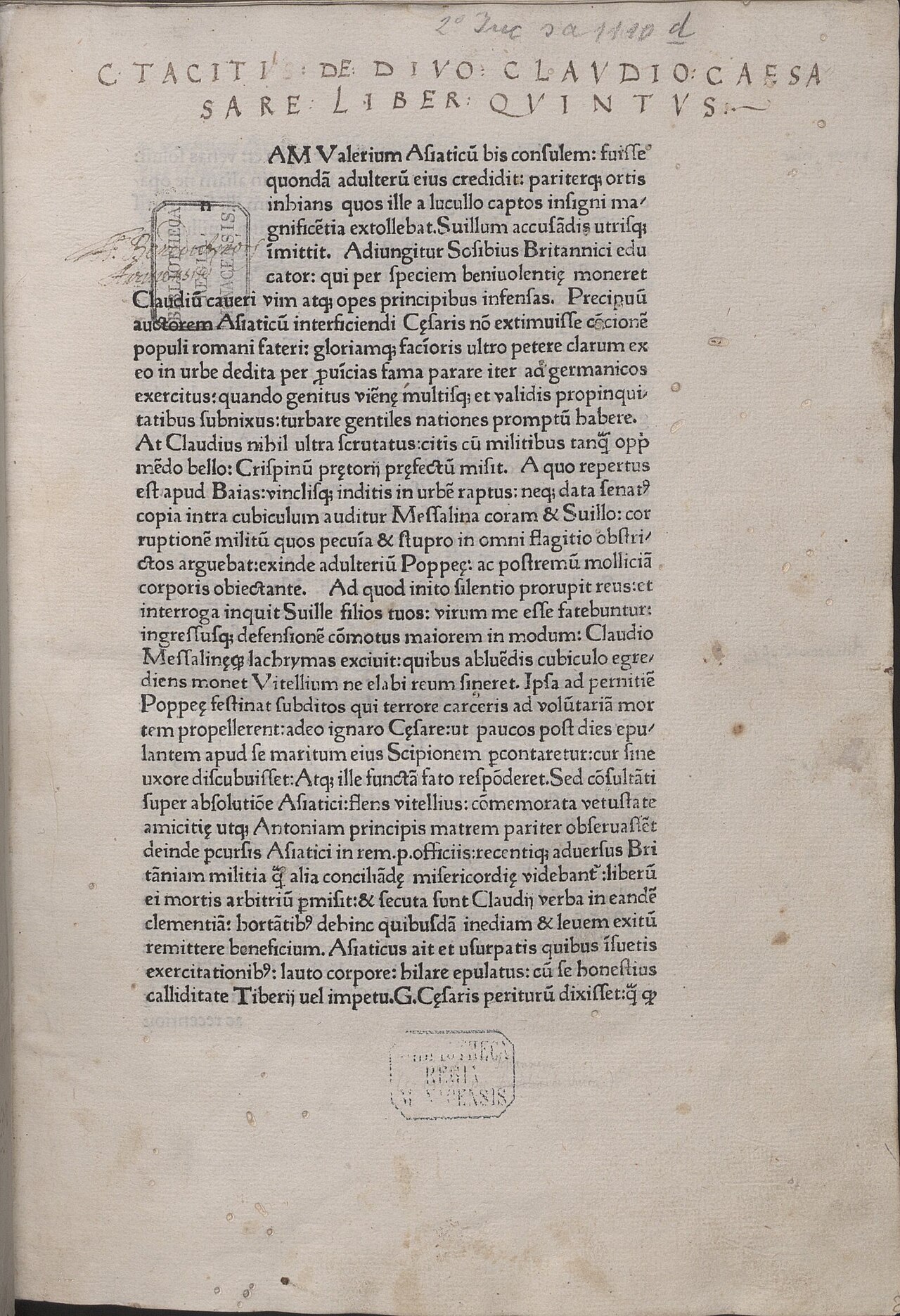 Book
Secondary source
Annals
Tacitus · c. AD 116 or later
 Artifact
Primary source
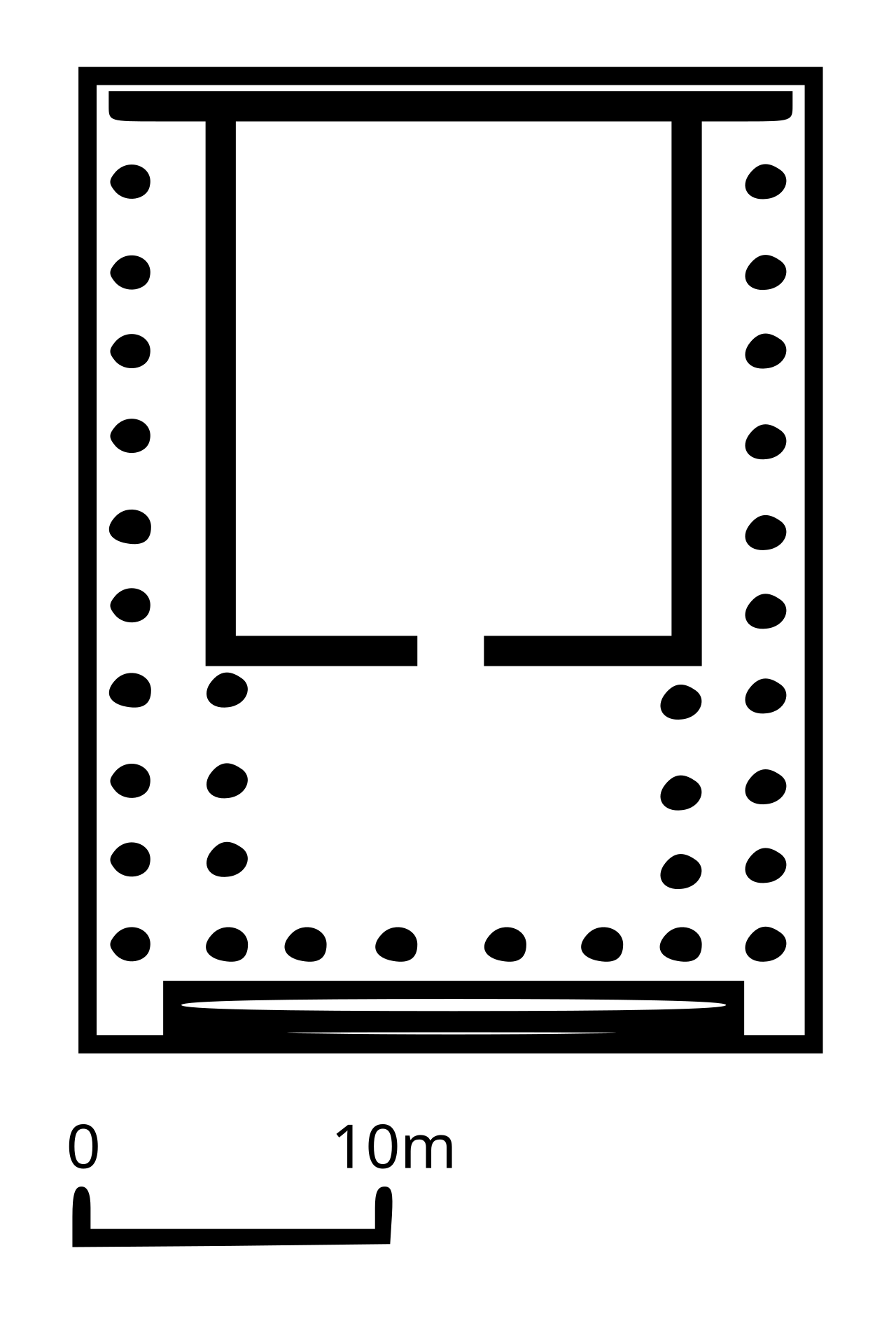
Temple of Claudius in Colchester
49-60 AD
 Sculpture
Secondary source
Boadicea and Her Daughters
Thomas Thornycroft · 1856-1902
 Sculpture
Primary source
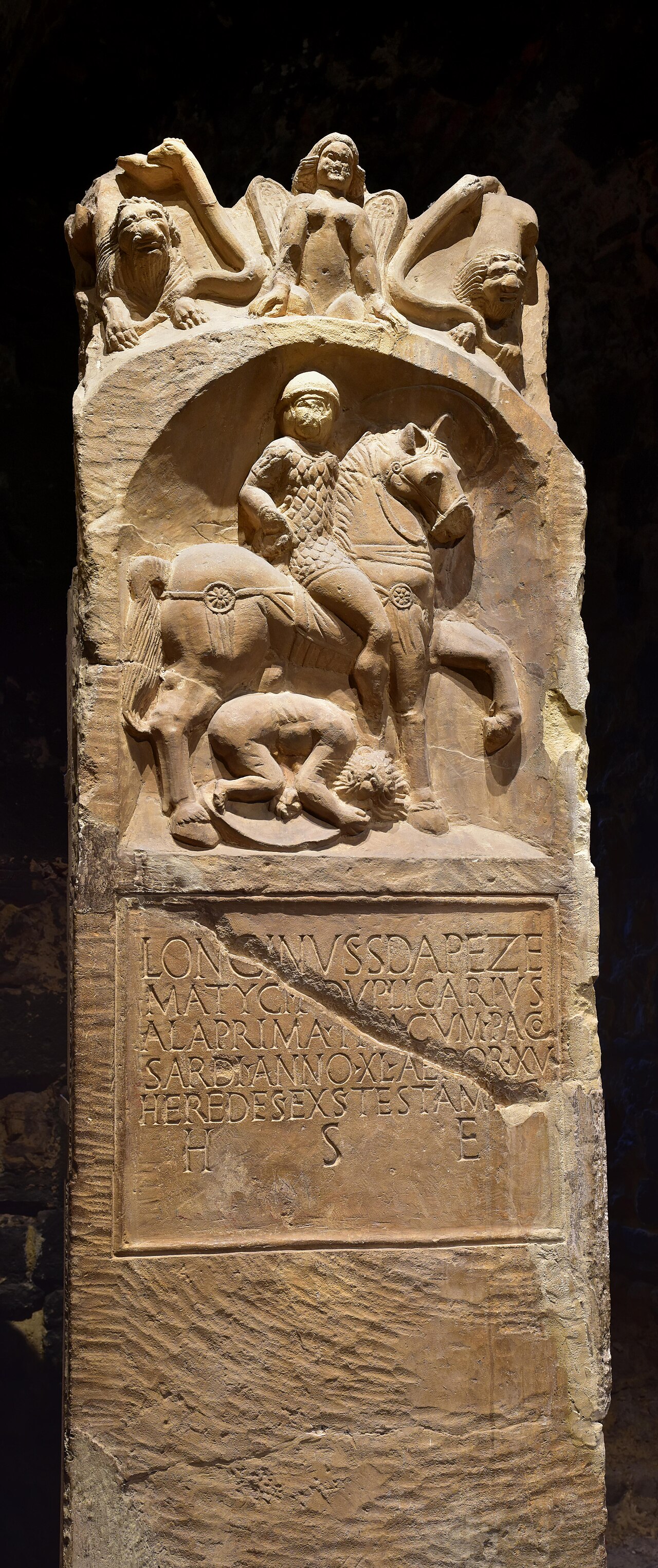
Tombstone of Longinus Sdapeze
c. AD 43-55
Free account
Read every Boudicca source
Sign up free →
Ready when you are
Start chatting with Boudicca now.
20 messages free · No credit card · Available in 50+ languages.