


Primary sourceArtifact1st century AD (site); excavations modern
Verulamium
1st century AD (site); excavations modern
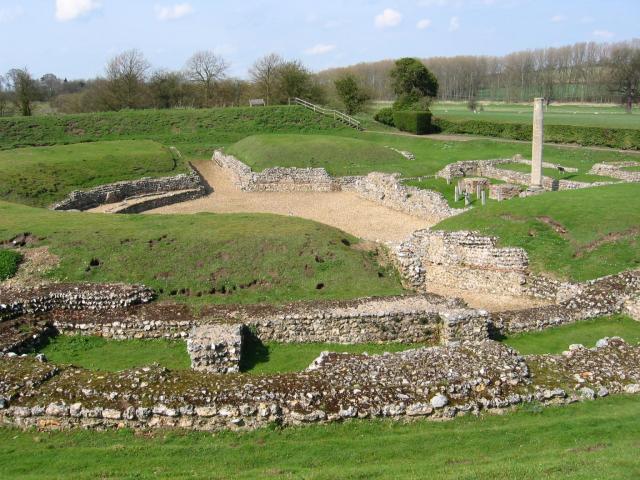
A Roman town near modern St Albans sacked and burnt by Boudica's forces, its excavated ruins confirming the destruction.
Verulamium's burnt ruins provide physical evidence of the destruction caused by Boudica's revolt.
About this source
What it is
Verulamium was a Roman town in Britain near modern St Albans. Archaeologists have excavated its remains, including a theatre, walls, and a layer of black ash confirming it was burnt.
Why it matters
Verulamium was the third town sacked by Boudica's army in the year 61. The burnt layer found by archaeologists matches ancient written accounts, giving physical proof of the destruction she caused. The site shows how a thriving Roman town could be devastated during the uprising.
Look closer
- What does a layer of black ash tell archaeologists about what happened here?
- Why is it useful when physical evidence matches written historical records?
- What can't the ruins alone tell us about the people who lived or fought there?
This artifact is part of the curated material that grounds the AI version of Boudicca on Humy.ai — when students ask about related events, the AI can quote it and cite it.
More Boudicca sources
Browse all 64 →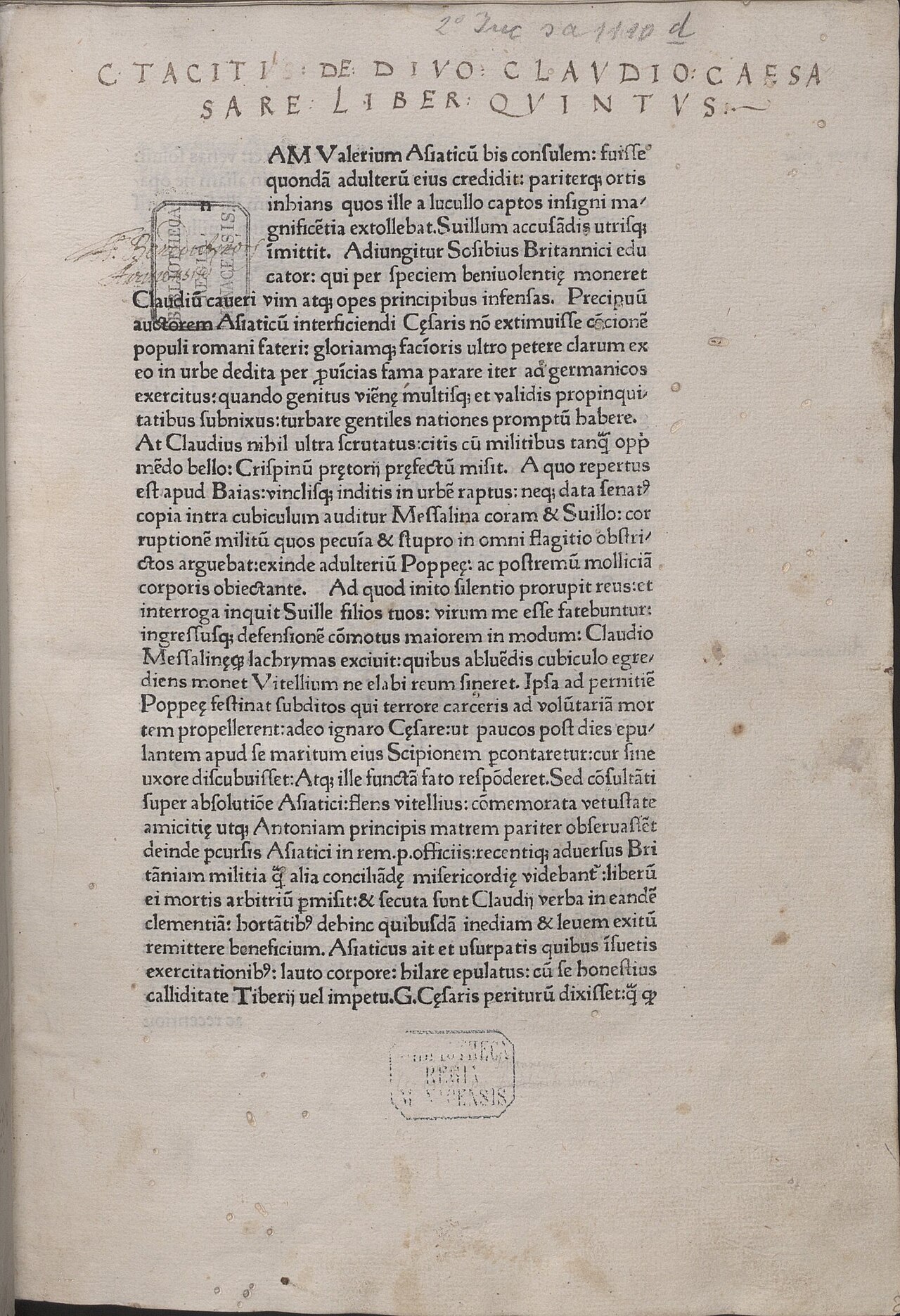 Book
Secondary source
Annals
Tacitus · c. AD 116 or later
 Artifact
Primary source
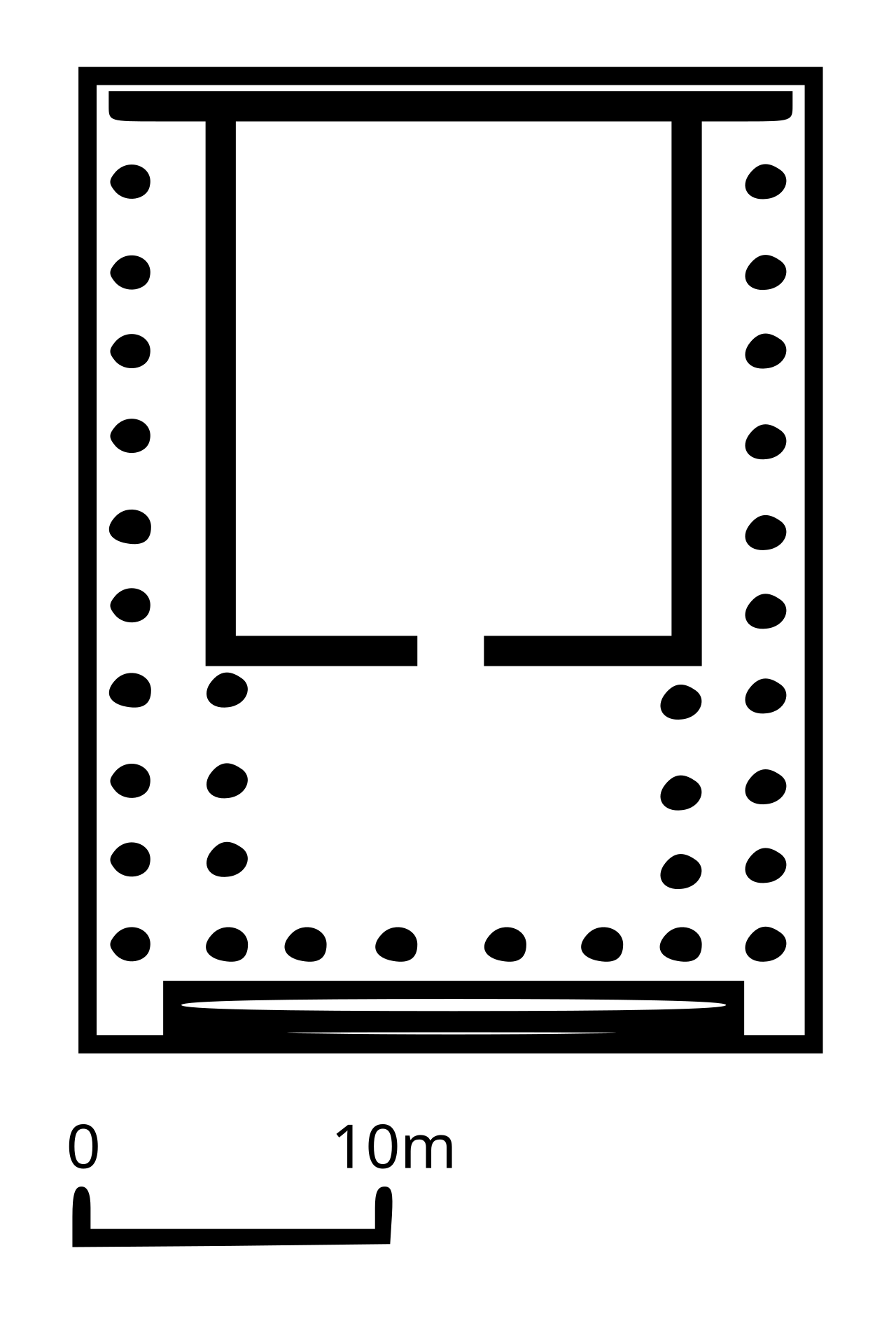
Temple of Claudius in Colchester
49-60 AD
 Sculpture
Secondary source
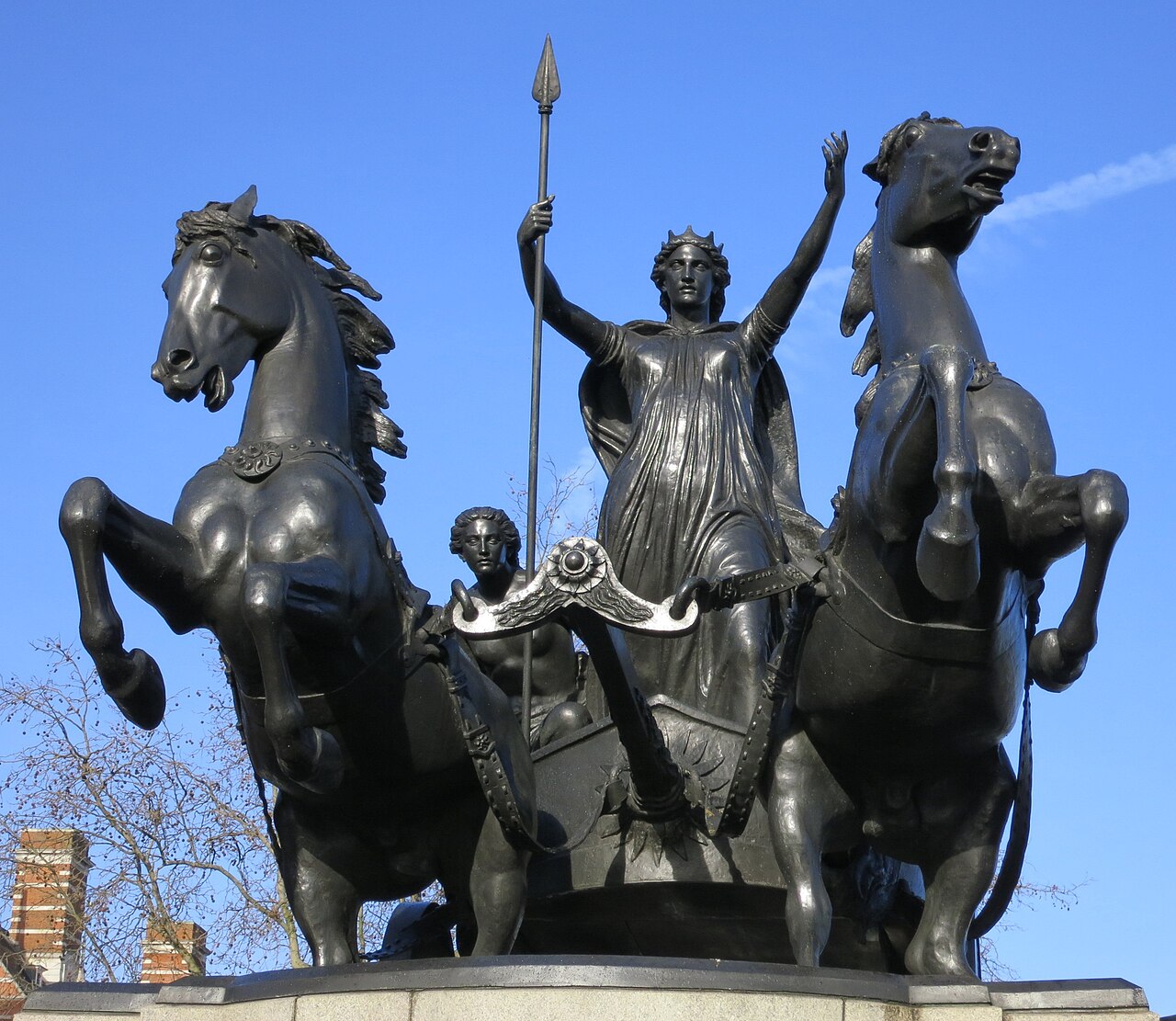
Boadicea and Her Daughters
Thomas Thornycroft · 1856-1902
 Sculpture
Primary source
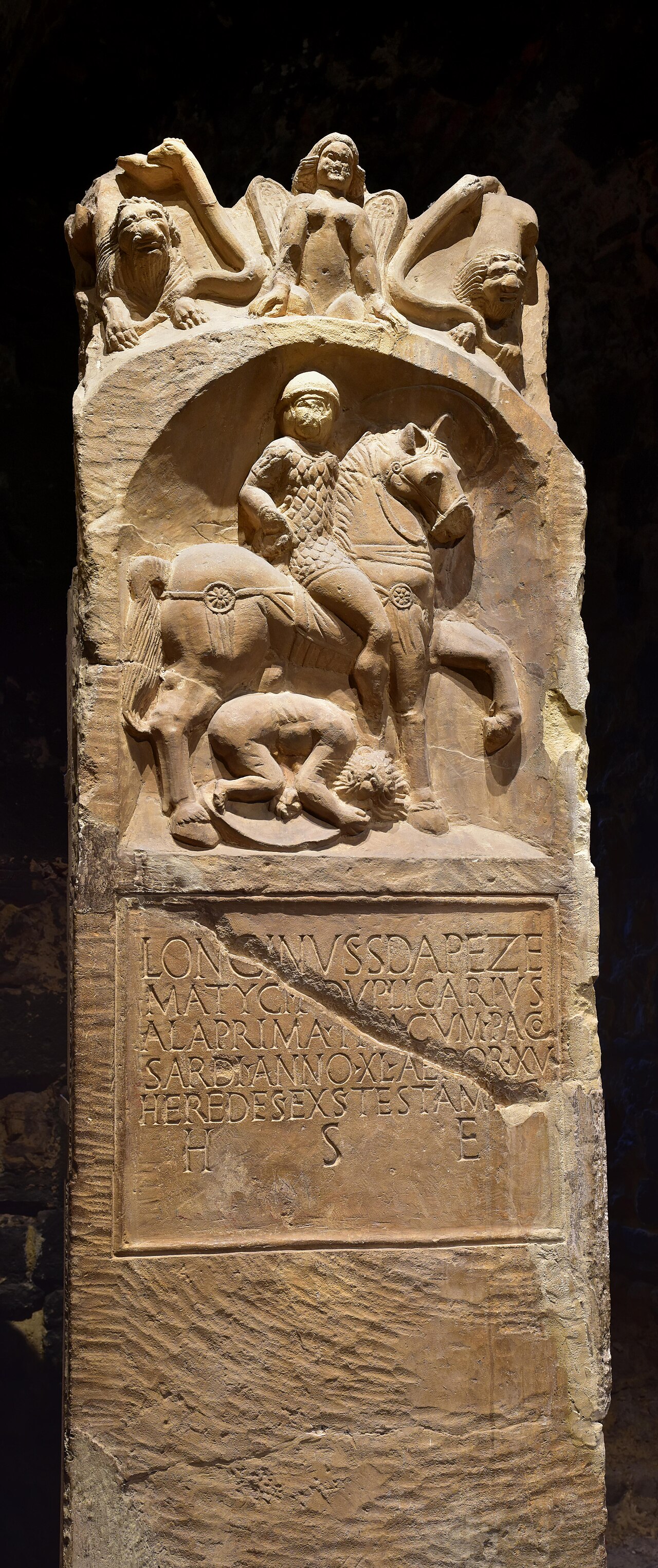
Tombstone of Longinus Sdapeze
c. AD 43-55
Free account
Read every Boudicca source
Sign up free →
Ready when you are
Start chatting with Boudicca now.
20 messages free · No credit card · Available in 50+ languages.