


Primary sourcePainting1305-1306
Vices and Virtues
Giotto · 1305-1306
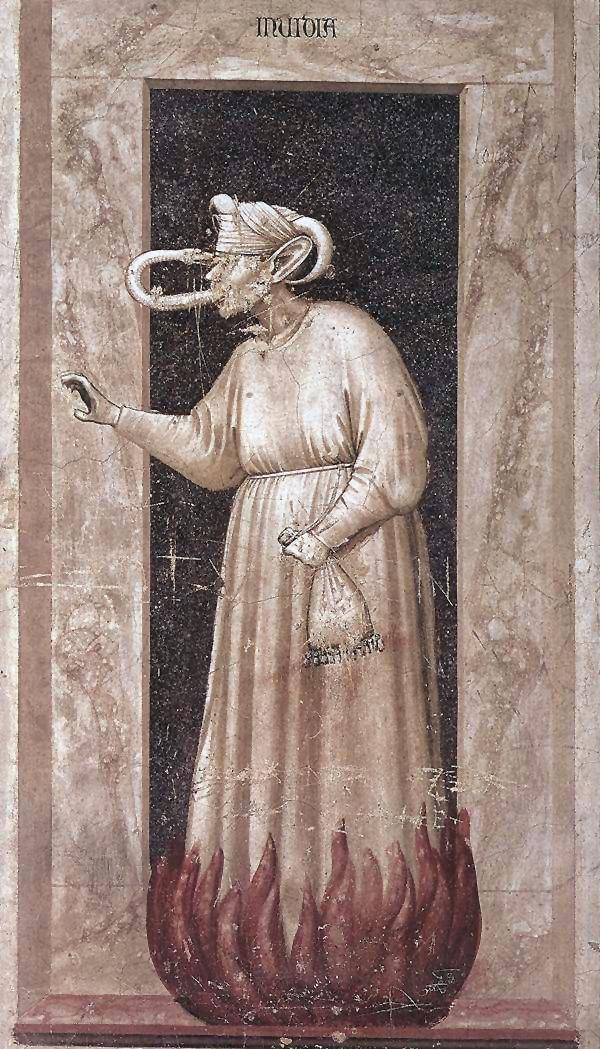
A series of grisaille frescoes by Giotto in the Scrovegni Chapel personifying moral vices and virtues, painted to look like marble statues.
Part of Giotto's painted moral cycle in the Scrovegni Chapel, showing his illusionistic technique.
About this source
What it is
Painted by Giotto around 1305 in the Scrovegni Chapel, this series of frescoes shows personified vices and virtues painted in grisaille (shades of grey) to imitate carved stone statues.
Why it matters
These allegories are part of the chapel's larger moral programme, teaching viewers about good and bad behaviour through symbolic figures. The illusion of sculpture shows Giotto's skill at creating convincing three-dimensional effects with paint, a technique admired for centuries after him.
Look closer
- Why might Giotto have chosen to paint these figures to look like statues instead of using colour?
- What symbols (like the flames or the bag) help identify which vice or virtue is shown?
- How might these images have been meant to affect the people who saw them in the chapel?
This painting is part of the curated material that grounds the AI version of Giotto on Humy.ai — when students ask about related events, the AI can quote it and cite it.
More Giotto sources
Meet the AI Giotto →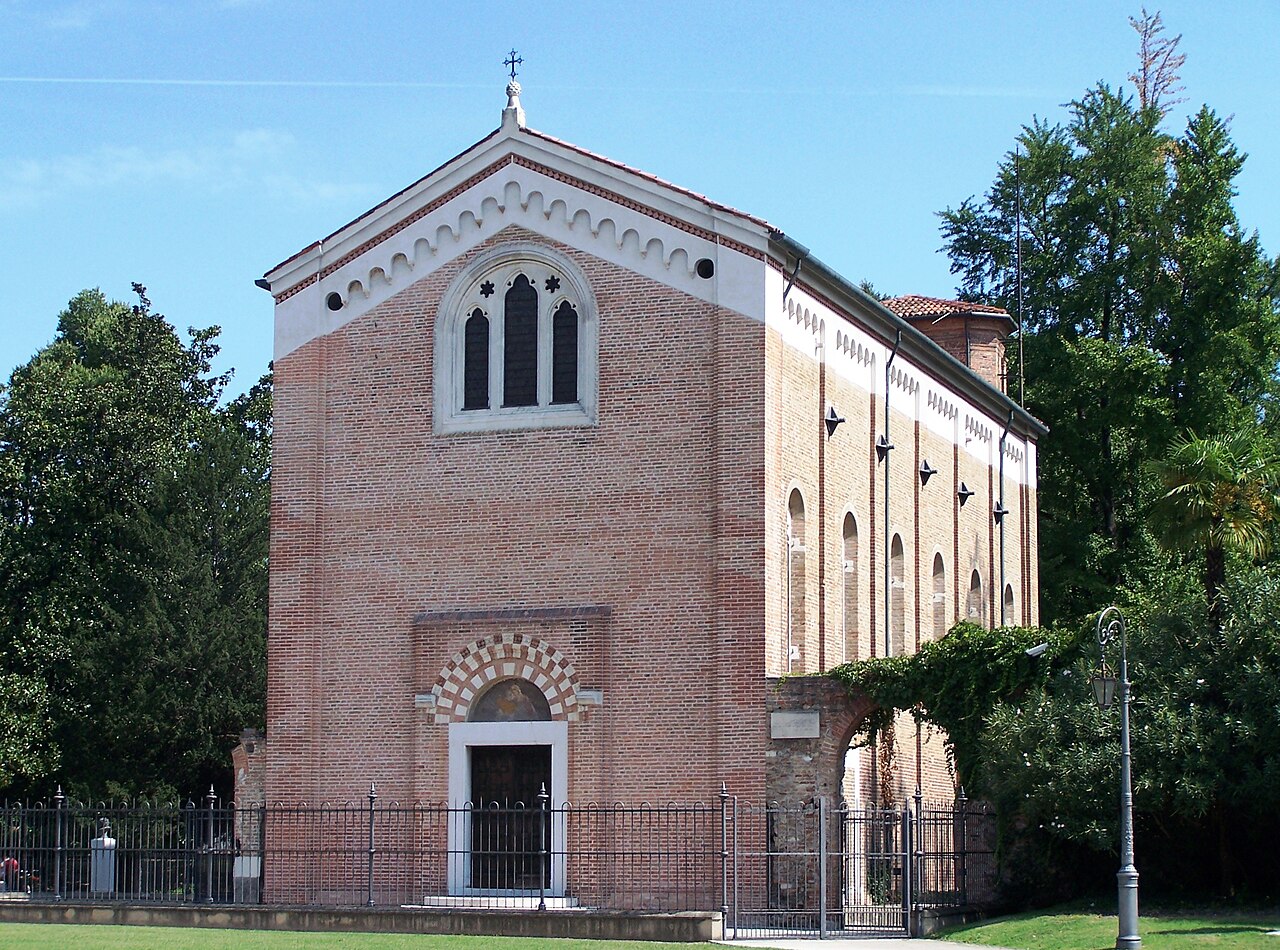 Artifact
Primary source
Scrovegni Chapel
Giotto di Bondone · c. 1305
 Painting
Primary source
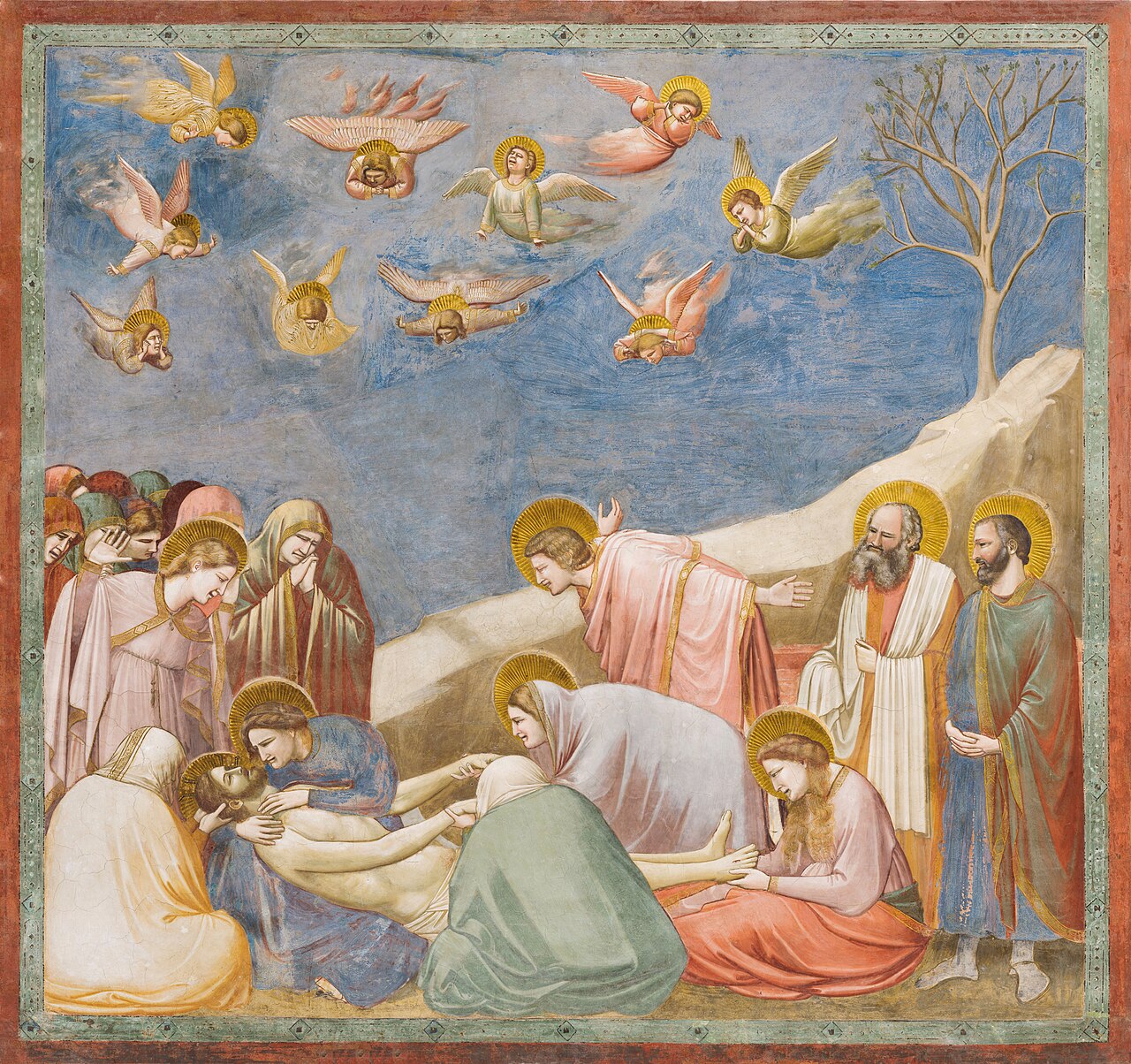
Lamentation
Giotto di Bondone · c. 1305
 Painting
Primary source
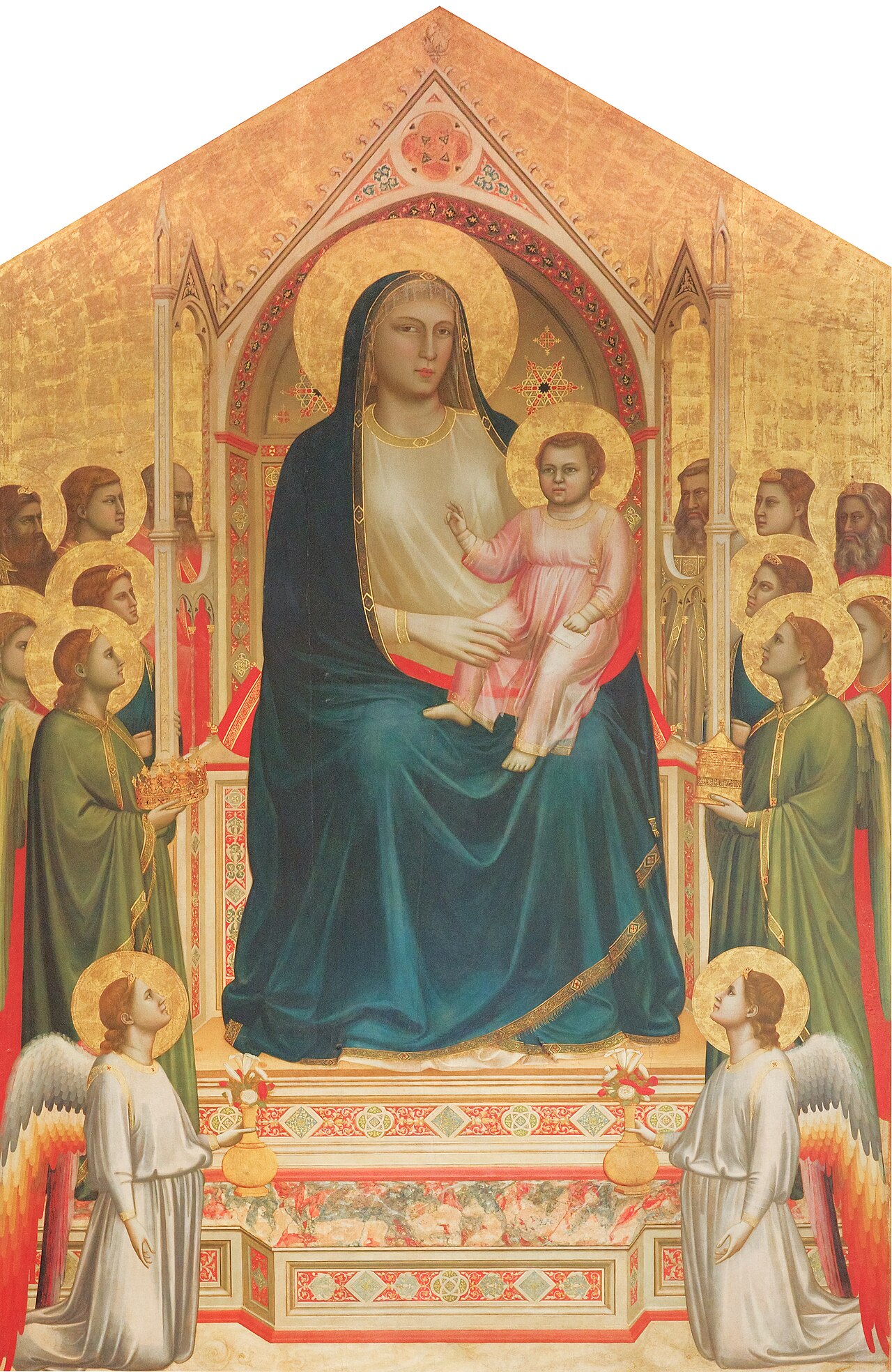
Madonna Enthroned
Giotto di Bondone · c. 1300-1310
 Artifact
Primary source
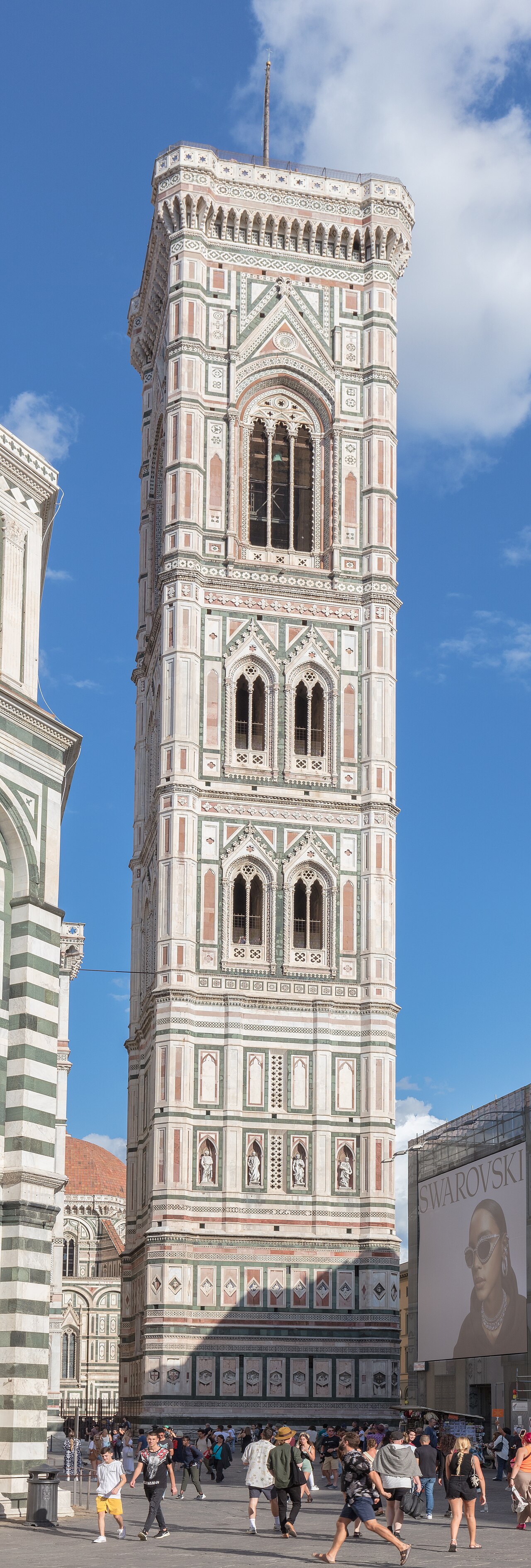
Giotto's Campanile
Giotto di Bondone · designed 1334
 Painting
Primary source
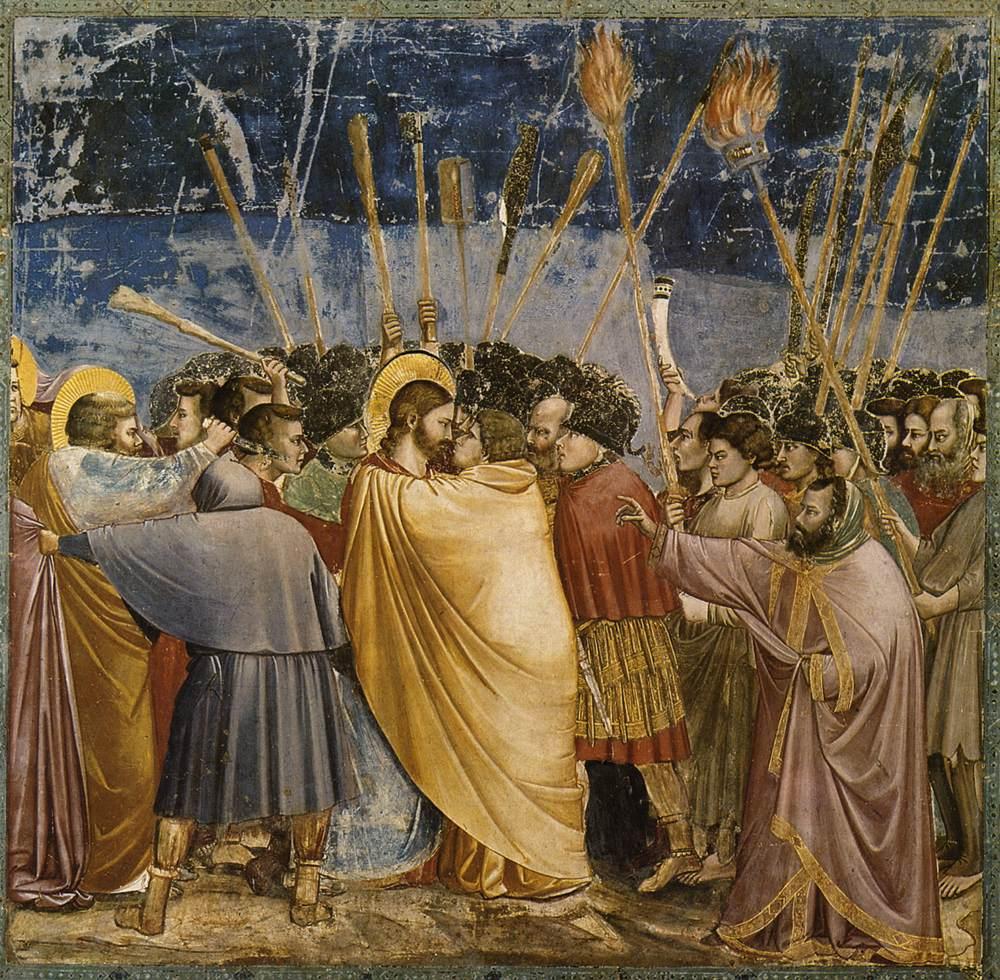
Kiss of Judas
Giotto di Bondone · c. 1305
Ready when you are
Start chatting with Giotto now.
20 messages free · No credit card · Available in 50+ languages.