


Secondary sourcePainting1830
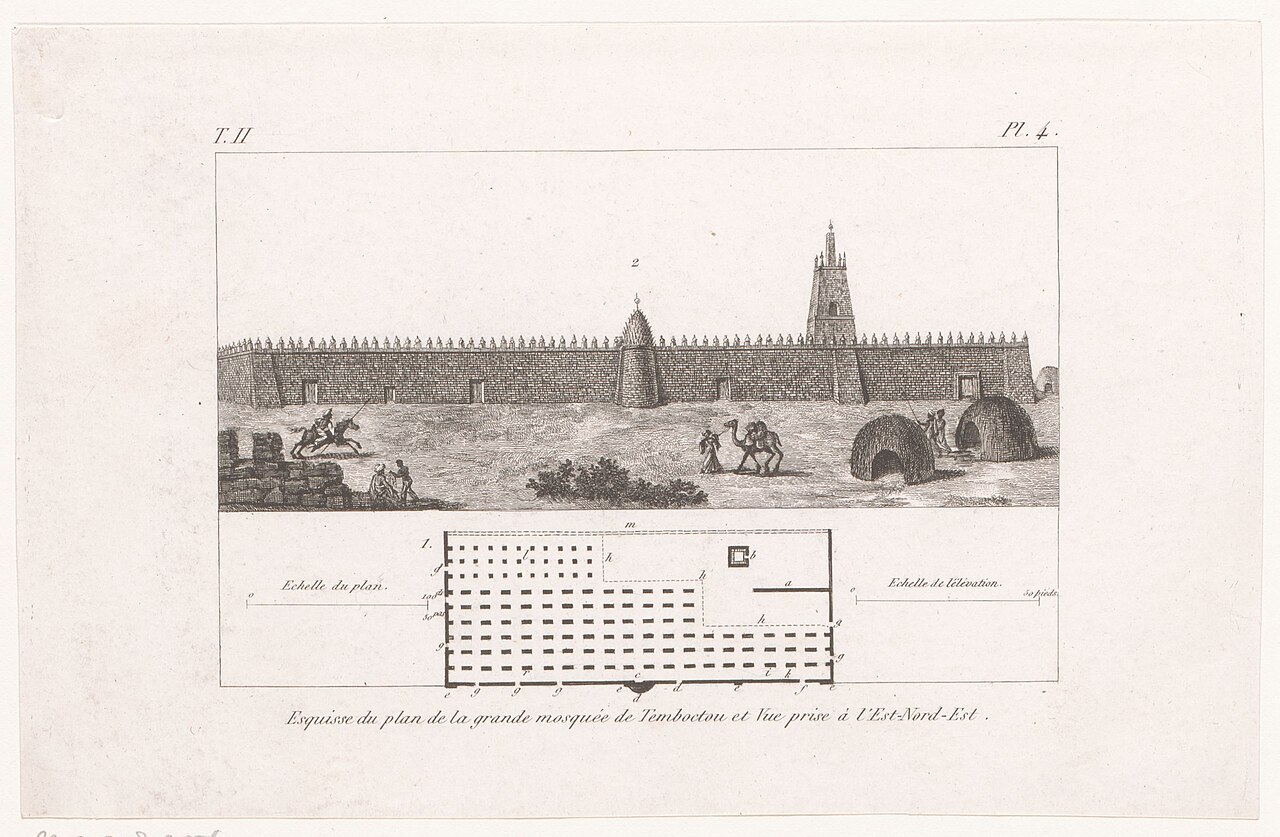
View and Plan of the Djinguereber Mosque, Timbuktu
François Louis Couché · 1830
An 1830 French print showing a view and ground plan of the Djinguereber Mosque, based on René Caillié's travels.
Shows the Djinguereber Mosque, built during the reign of Mansa Musa over the Mali Empire.
About this source
What it is
This engraved print from 1830 shows a view of the walled Djinguereber Mosque in Timbuktu, with its tall minaret and figures including a horseman and camel rider, along with a ground plan of the mosque's columns below. It was published in Paris as part of René Caillié's travel journal.
Why it matters
The Djinguereber Mosque dates to the time of Mansa Musa's rule over the Mali Empire. This print, made from the notes of one of the first Europeans to describe Timbuktu, shaped how Europeans imagined the city's historic buildings long after Musa's era.
Look closer
- What can a ground plan tell you about a building that a picture of its outside cannot?
- Why do you think the artist included small figures like a horseman and camel rider in the view?
- How reliable might a print like this be if the artist never visited Timbuktu themselves?
This painting is part of the curated material that grounds the AI version of Mansa Musa on Humy.ai — when students ask about related events, the AI can quote it and cite it.
More Mansa Musa sources
Meet the AI Mansa Musa →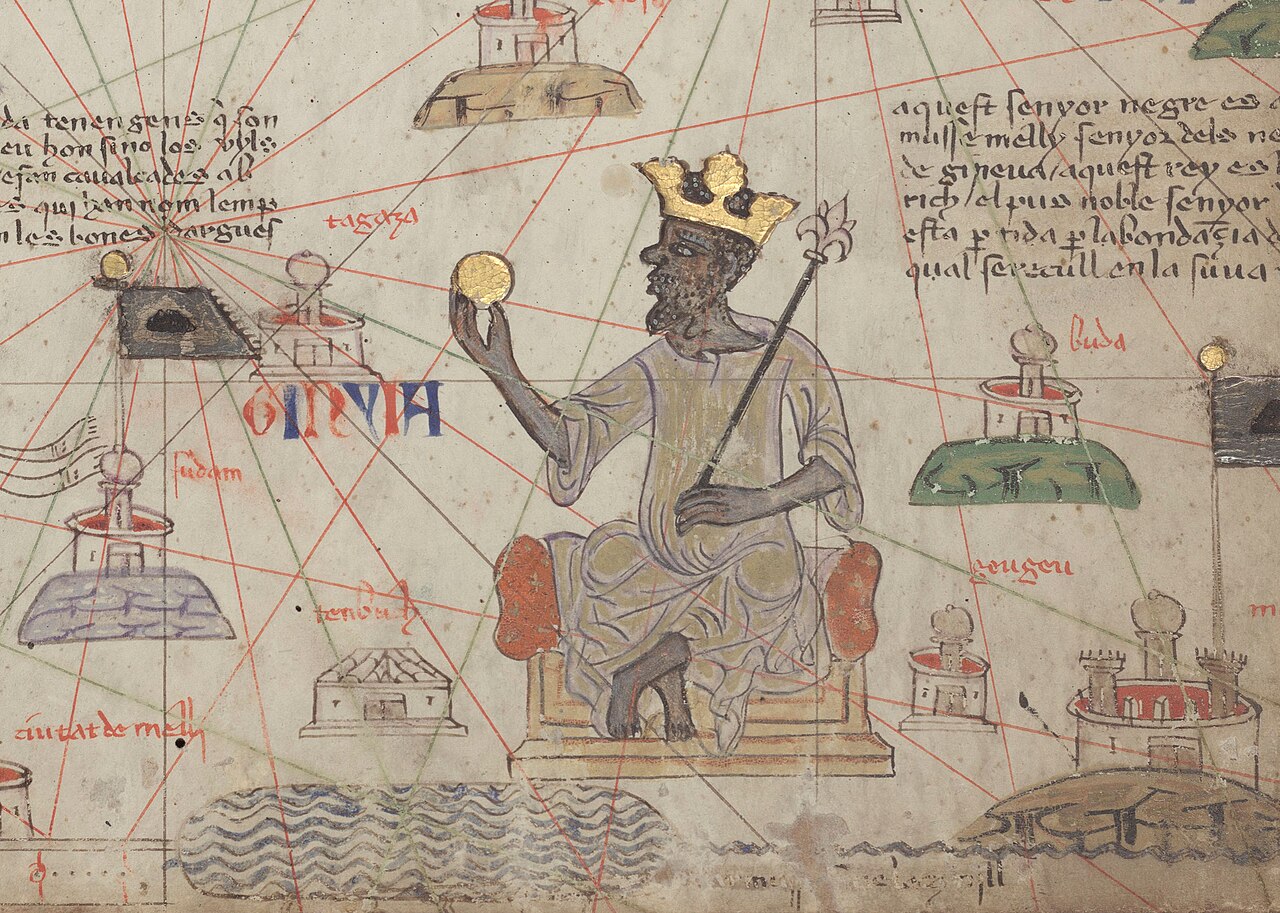 Painting
Secondary source
Catalan Atlas: Mansa Musa Enthroned
Abraham Cresques (attributed) · 1375
 Book
Secondary source
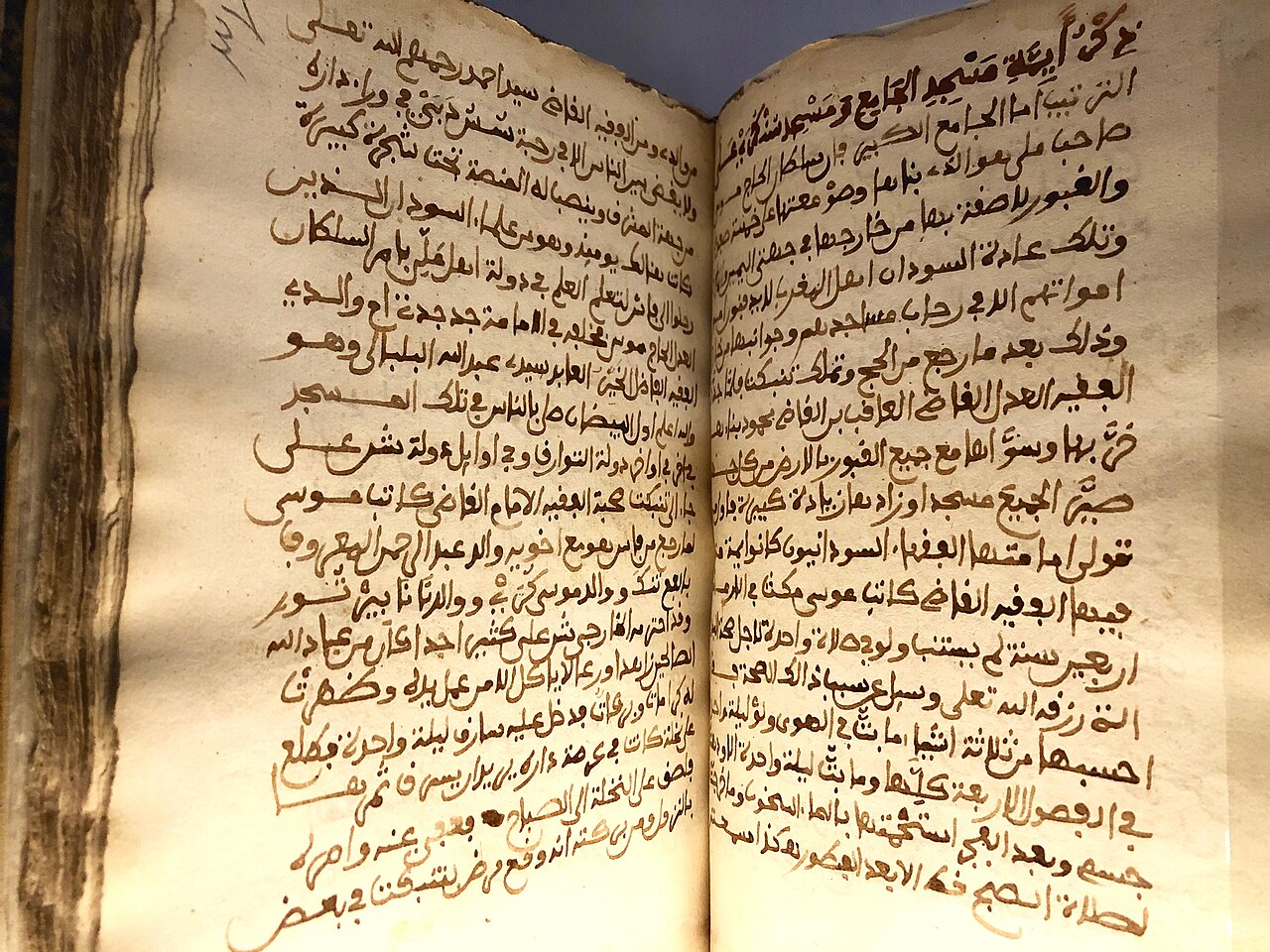
Tarikh al-Sudan
Abderrahmane Es Saâdi · c. 1655
 Artifact
Secondary source
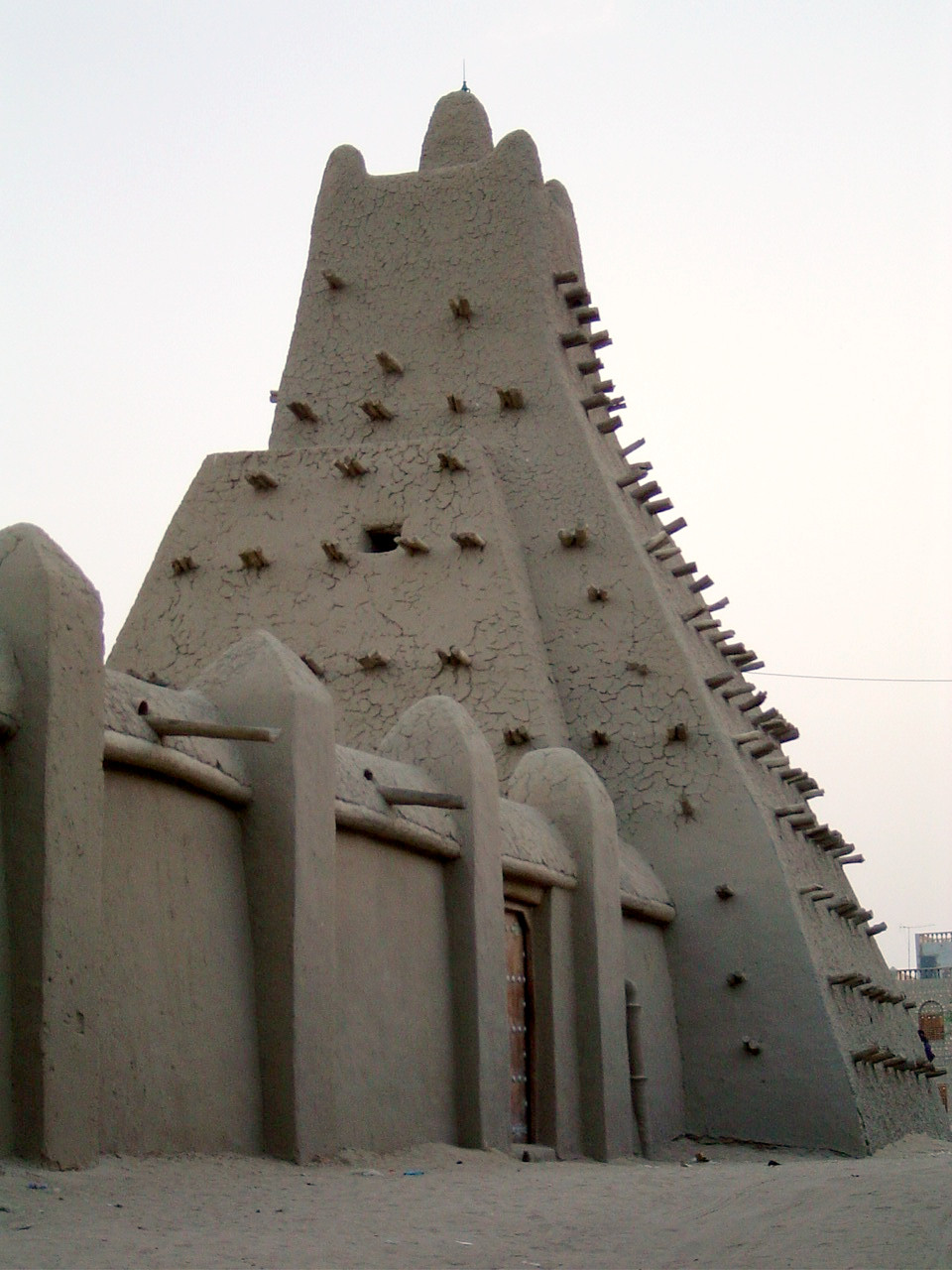
Sankoré Madrasa
14th-15th century
 Painting
Primary source
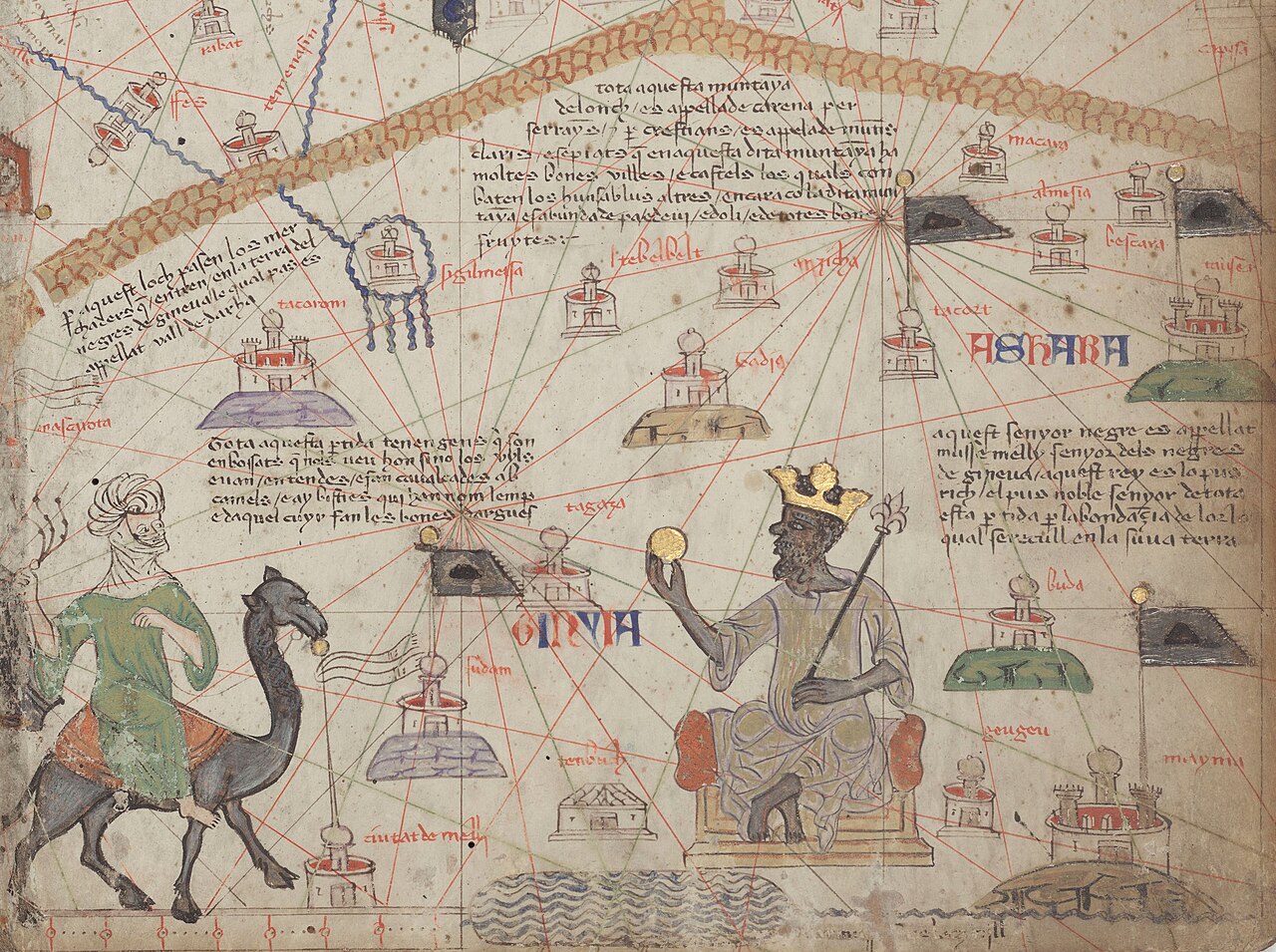
Catalan Atlas, Sheet 6: Western Sahara
Abraham Cresques · 1375
 Artifact
Secondary source
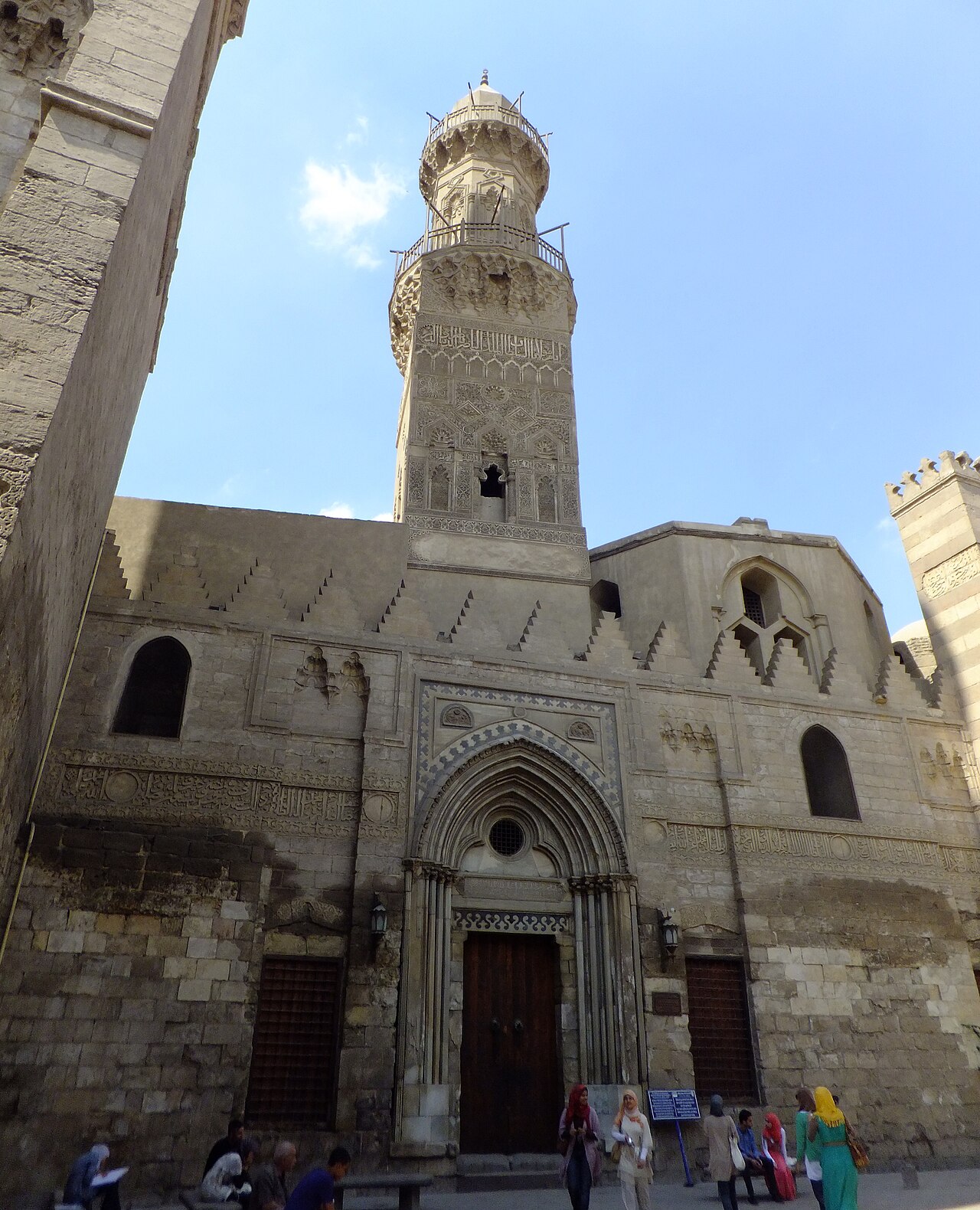
Madrasa of Al-Nasir Muhammad
1303
Ready when you are
Start chatting with Mansa Musa now.
20 messages free · No credit card · Available in 50+ languages.