


Primary sourceArtifact1st century BCE
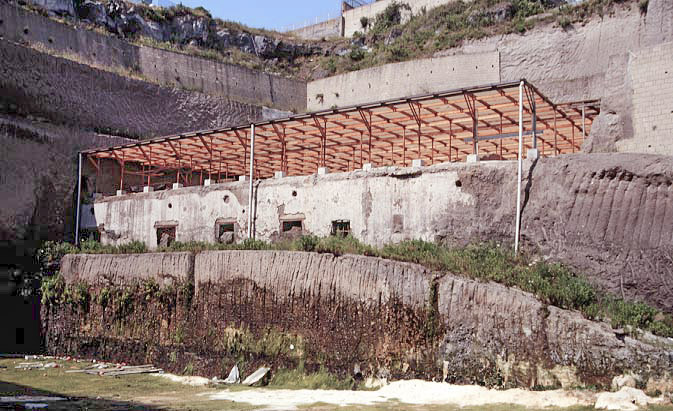
Villa of the Papyri
1st century BCE
A Roman villa at Herculaneum that held the only surviving ancient library, rich in Epicurean texts.
This villa's library preserved Epicurean texts, showing the Roman elite following of Epicurus centuries after his death.
About this source
What it is
A Roman villa from the 1st century BCE located at the archaeological site of Herculaneum. It contained the only ancient library to survive largely intact, preserved by the volcanic eruption that buried the site.
Why it matters
The villa's library was rich in texts connected to Epicurus and his school, showing how Epicurean philosophy was followed and studied by wealthy Romans centuries after his death. The survival of this library gives historians rare direct evidence of which philosophical texts educated Romans actually owned and read.
Look closer
- What does the presence of so many Epicurean texts in one Roman villa suggest about who read Epicurus and why?
- Why is it unusual for an ancient library to survive at all, and what role did the volcanic disaster play in its preservation?
- What might be missing from this collection that could change our picture of what the owner actually believed?
This artifact is part of the curated material that grounds the AI version of Epicurus on Humy.ai — when students ask about related events, the AI can quote it and cite it.
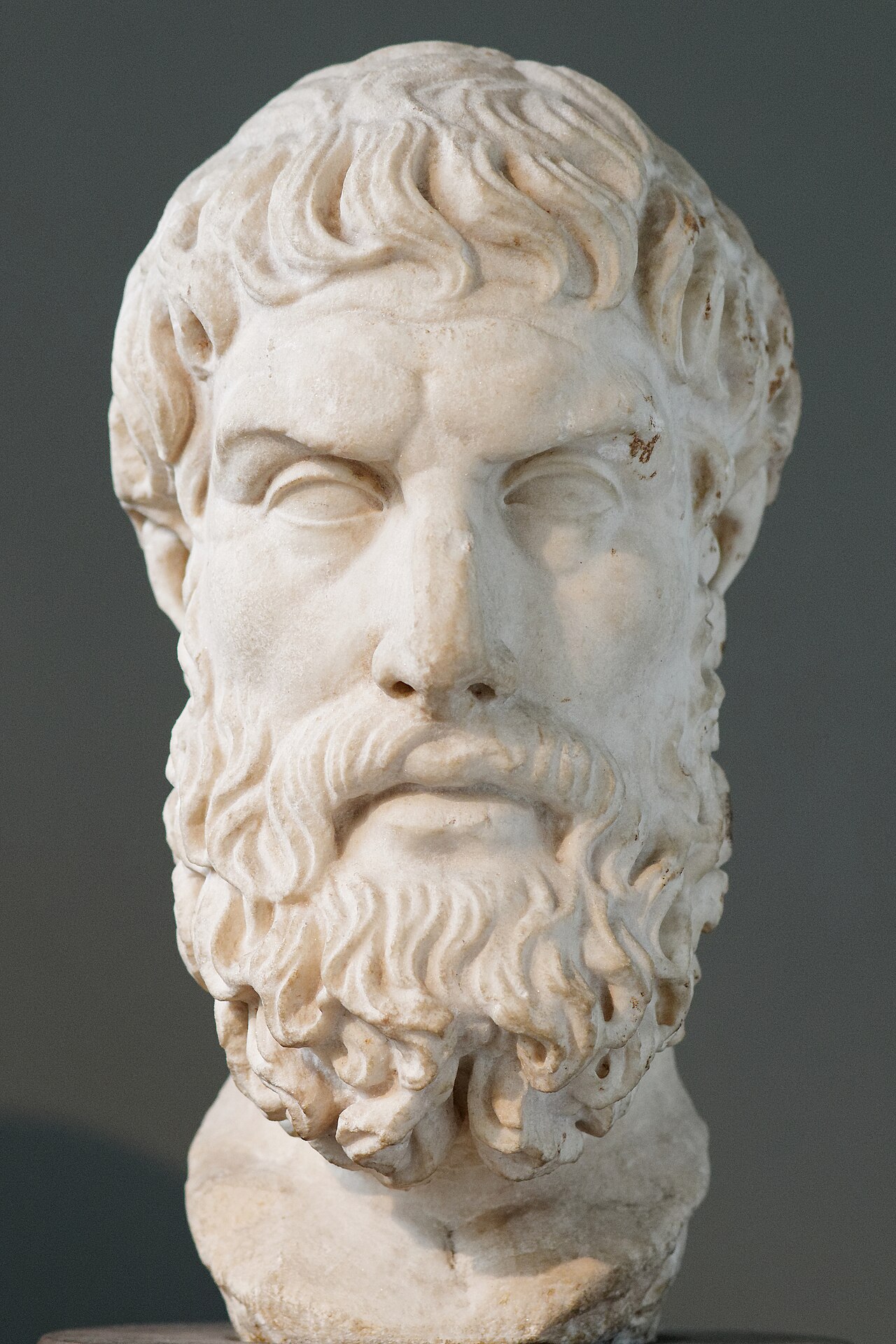
More Epicurus sources
Browse all 84 →Primary source
Letter to Menoeceus
Epicurus · 4th-3rd century BCE
Primary source
Letter to Herodotus
Epicurus · 4th-3rd century BCE
Secondary source
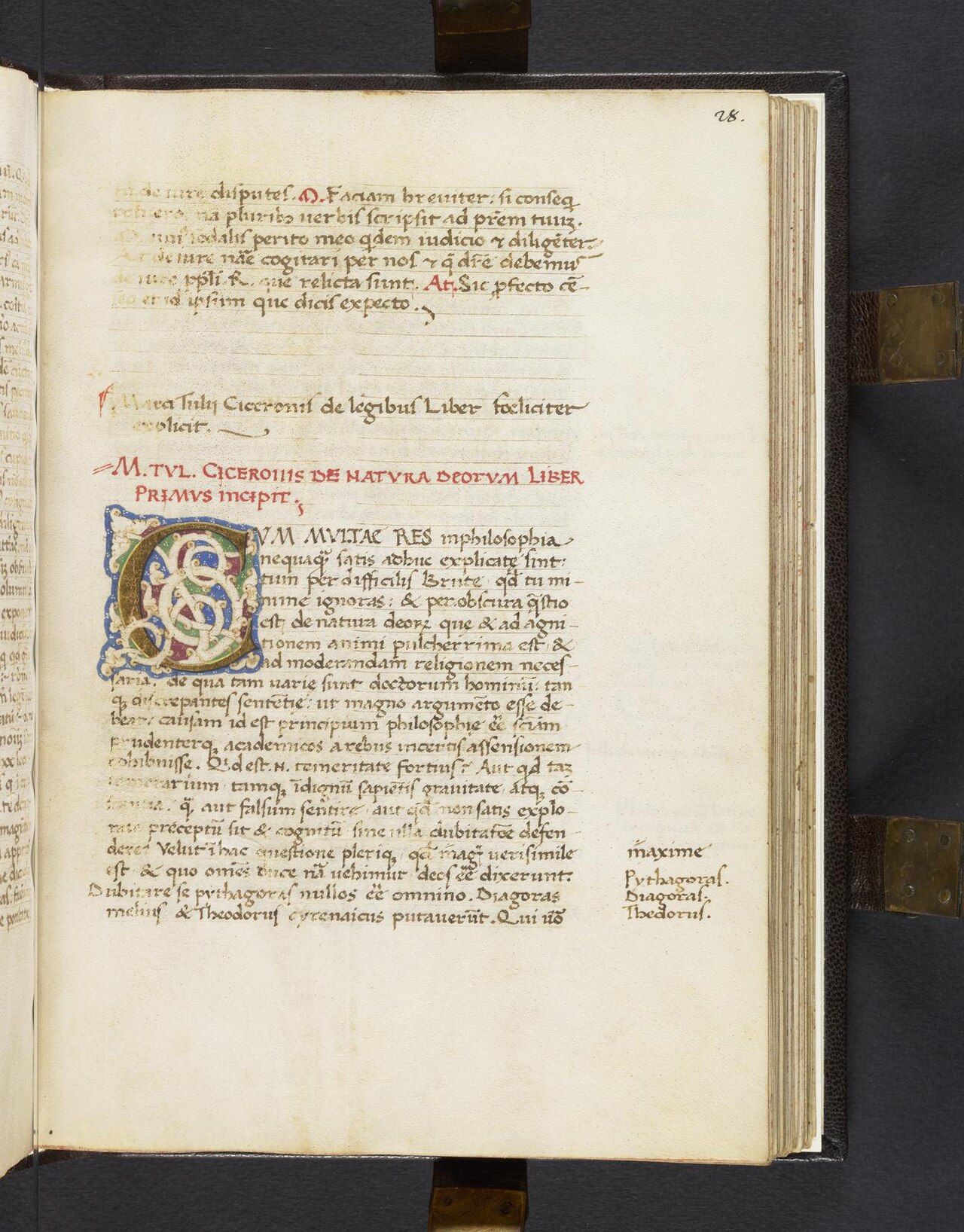
Lives of the Eminent Philosophers, Book X
Diogenes Laërtius · 3rd century CE
 Book
Secondary source
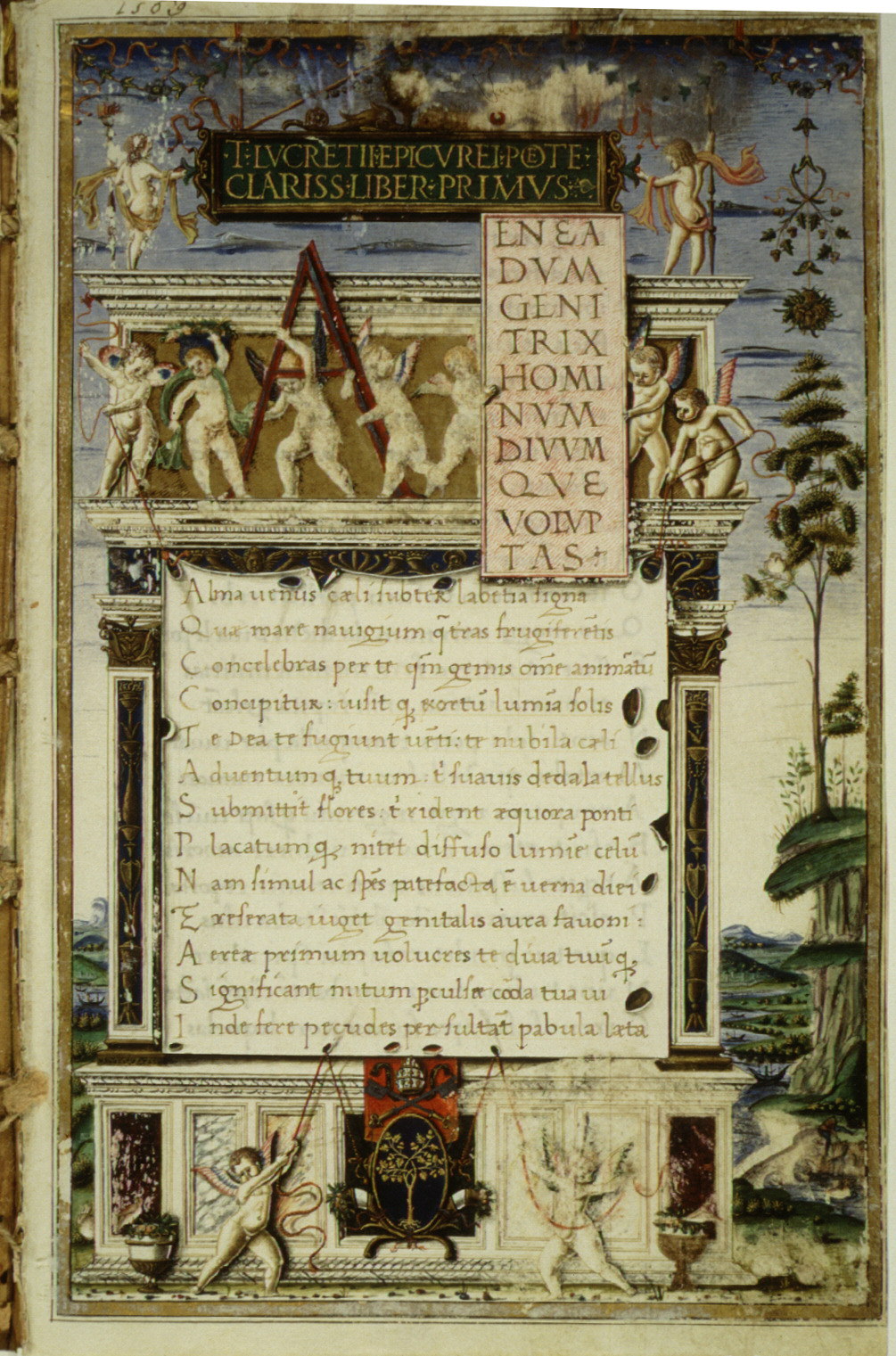
De rerum natura
Lucretius · c. 100 BC
Free account
Read every Epicurus source
Sign up free →
Ready when you are
Start chatting with Epicurus now.
20 messages free · No credit card · Available in 50+ languages.