


Secondary sourcePainting1419
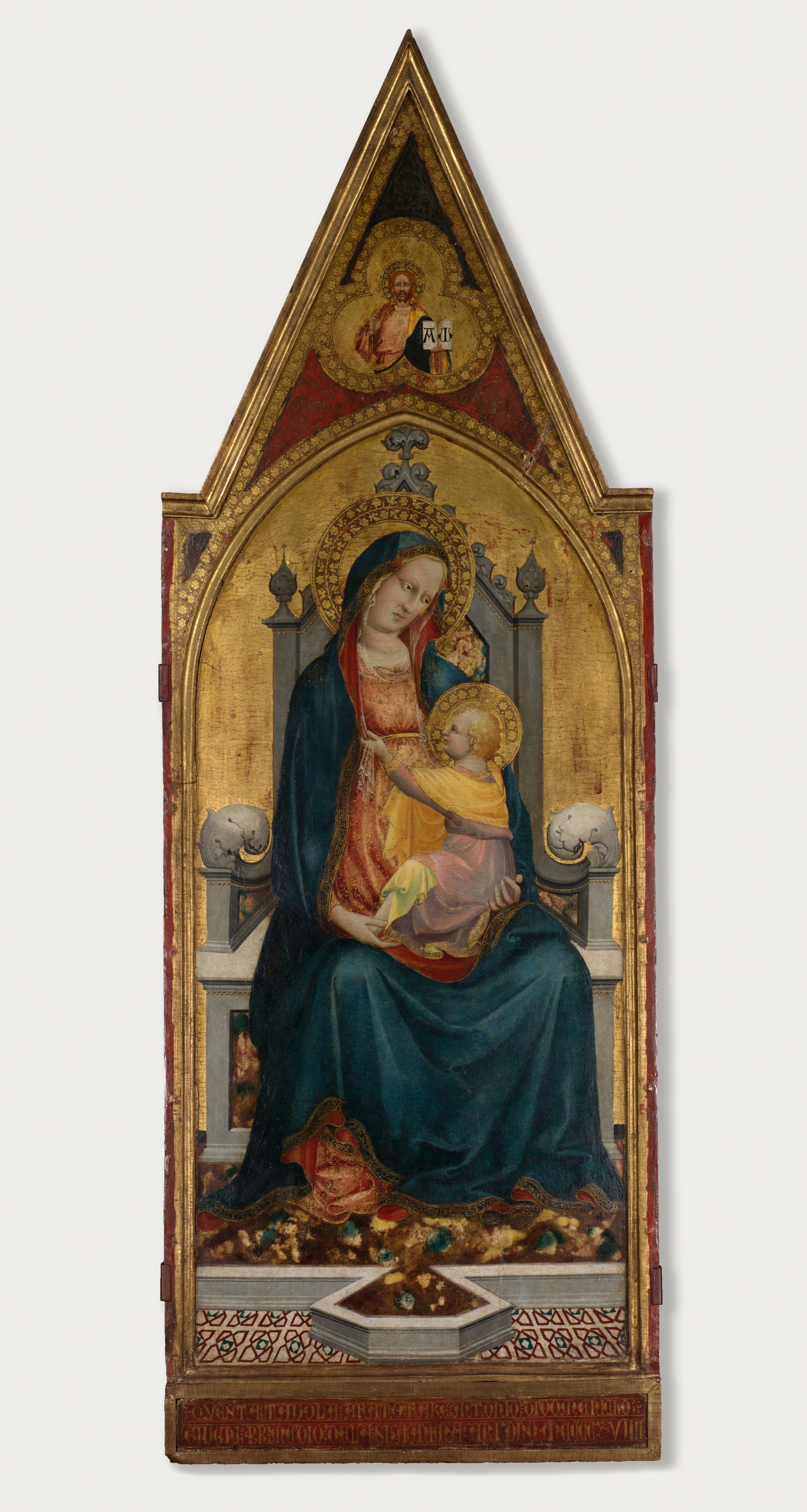
Virgin and Child Enthroned
Battista di Biagio Sanguigni · 1419
A gold-ground Italian panel from 1419 showing Mary enthroned with the Christ Child, with the risen Christ above.
Mary is shown enthroned holding the Christ Child, with the risen Christ above symbolizing his whole life.
About this source
What it is
This gold-ground panel painting was made in 1419 by the Italian artist Battista di Biagio Sanguigni. It shows the Virgin Mary seated on a throne holding the Christ Child, with a small image of the risen Christ above holding a book marked with the Greek letters alpha and omega. It is held by The Cleveland Museum of Art and carries an Italian inscription naming who commissioned it.
Why it matters
Rather than showing one single moment, the painting symbolically brings together Christ's whole story, from infancy to resurrection. It reflects how early Renaissance Italian artists and patrons used Mary's image to express ideas about faith, salvation and the structure of the universe.
Look closer
- Why might the artist have placed the risen Christ above the Virgin and Child instead of showing them alone?
- What does the gold background tell you about how the painting was meant to be seen?
- What might the inscription tell us about who paid for this painting and why?
This painting is part of the curated material that grounds the AI version of Mary, mother of Jesus on Humy.ai — when students ask about related events, the AI can quote it and cite it.
More Mary, mother of Jesus sources
Browse all 85 →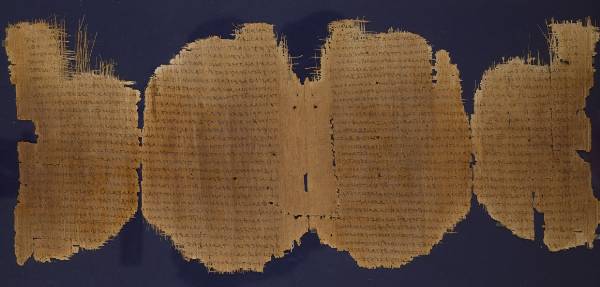 Book
Secondary source
Gospel of Luke
Luke the Evangelist · c. AD 85
 Book
Secondary source
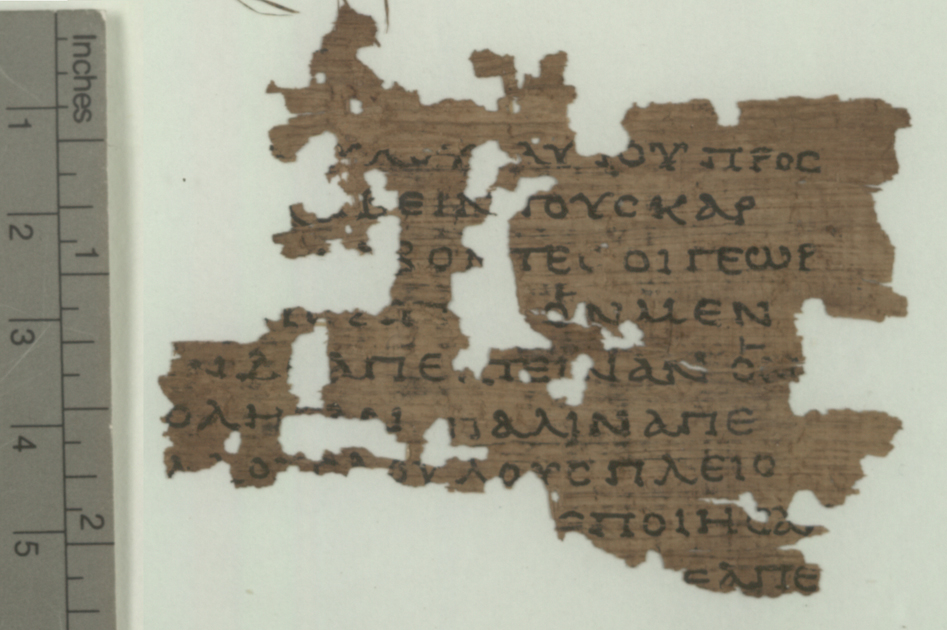
Gospel of Matthew
Matthew the Apostle · late 1st century AD
 Speech
Secondary source
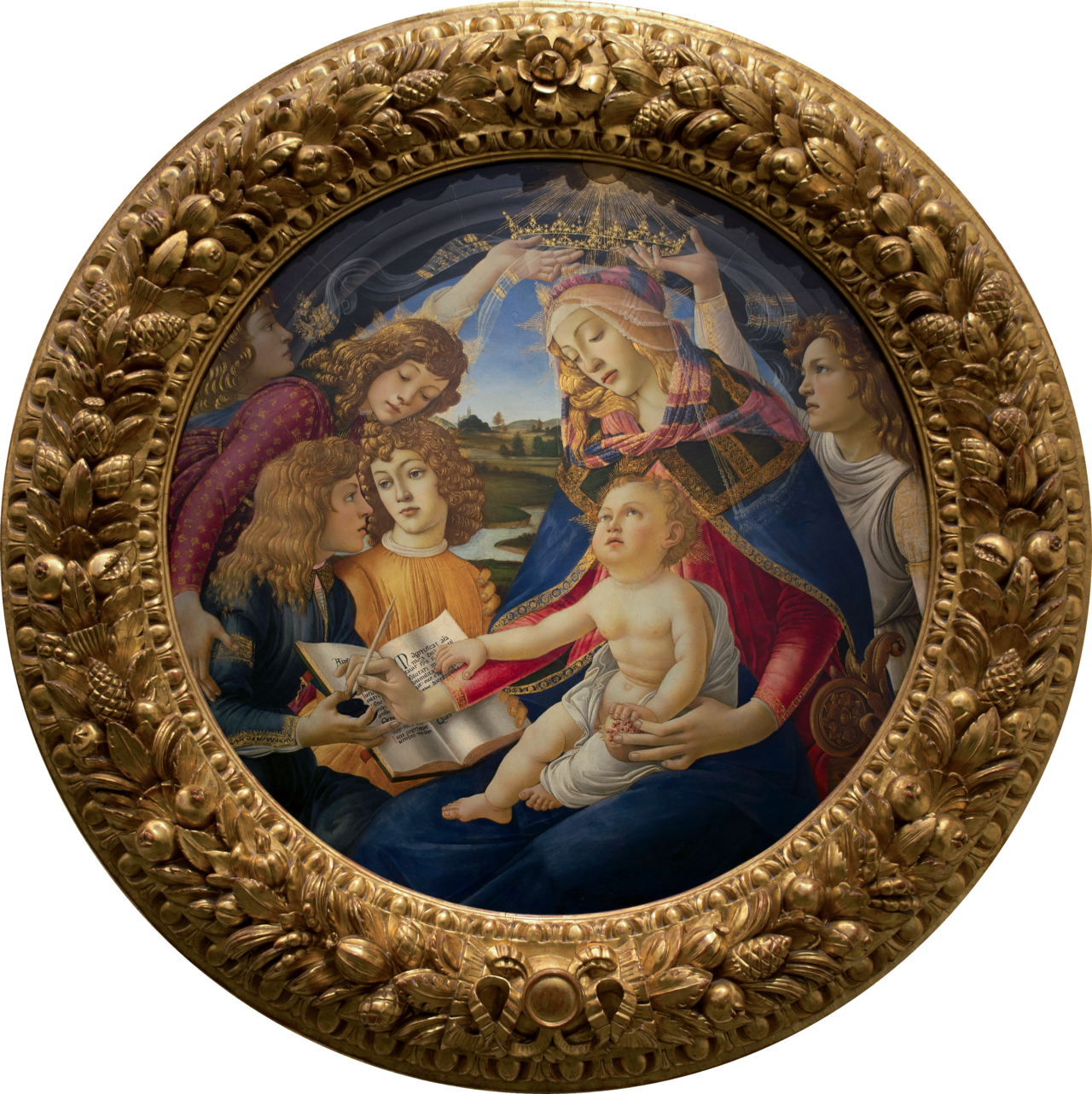
Magnificat
1st century CE
 Book
Secondary source
Gospel of John
John the Evangelist · c. AD 90-100
Free account
Read every Mary, mother of Jesus source
Sign up free →
Ready when you are
Start chatting with Mary, mother of Jesus now.
20 messages free · No credit card · Available in 50+ languages.