


Secondary sourceArtifact16th century
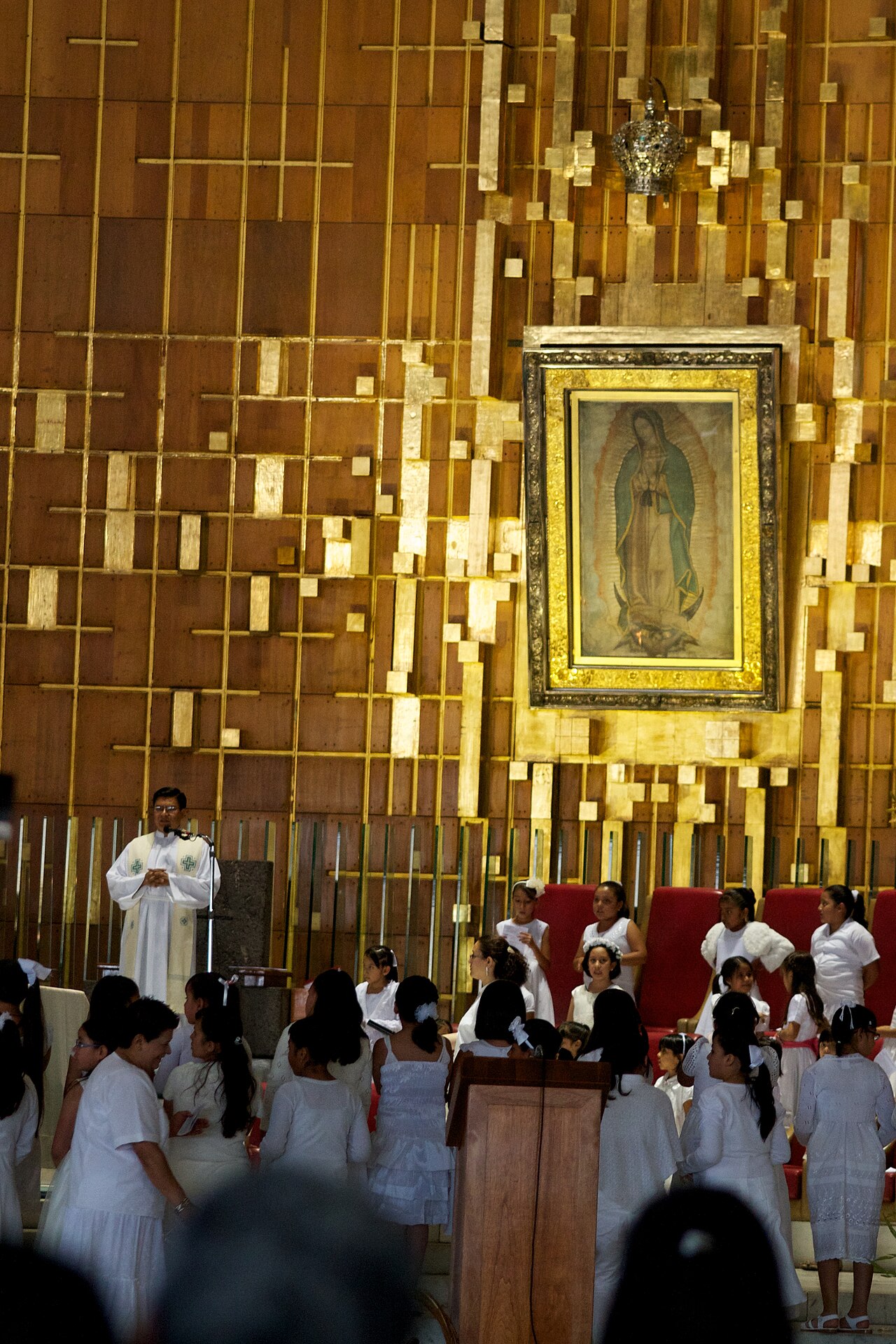
Virgin of Guadalupe (tilma image)
16th century
A 16th-century image of Mary on a cloak, traditionally linked to a reported 1531 apparition near Mexico City, now a central symbol of Mexican Catholicism.
A traditional image of Mary said to have miraculously appeared on a cloak, now central to devotion to her in Mexico.
Free Humy account · No credit card · 120,912 sources to read
About this source
What it is
The image of the Virgin of Guadalupe is painted on a cloak, or tilma, traditionally dated to 1531. It is kept in the Basilica of Our Lady of Guadalupe in Mexico City. According to tradition, the image appeared on the cloak of Juan Diego after he reported seeing a vision of a young woman he recognised as the Virgin Mary.
Why it matters
The image became the central religious and national symbol of Mexico, tied to the story of Juan Diego's reported encounter with Mary. It shows how traditions about Mary could shape religious and cultural identity in the Americas long after her lifetime, and how an object can become a focus of devotion for millions of people.
Look closer
- What does the story behind this image tell us about how traditions about Mary spread and changed over time?
- Why might this image have become so important to Mexican identity specifically?
- What parts of the story can be checked by historical evidence, and what parts rely on tradition and faith?
This artifact is part of the curated material that grounds the AI version of Mary, mother of Jesus on Humy.ai — when students ask about related events, the AI can quote it and cite it.
More Mary, mother of Jesus sources
Browse all 85 →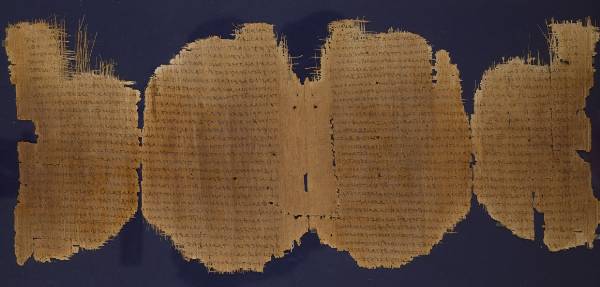 Book
Secondary source
Gospel of Luke
Luke the Evangelist · c. AD 85
 Book
Secondary source
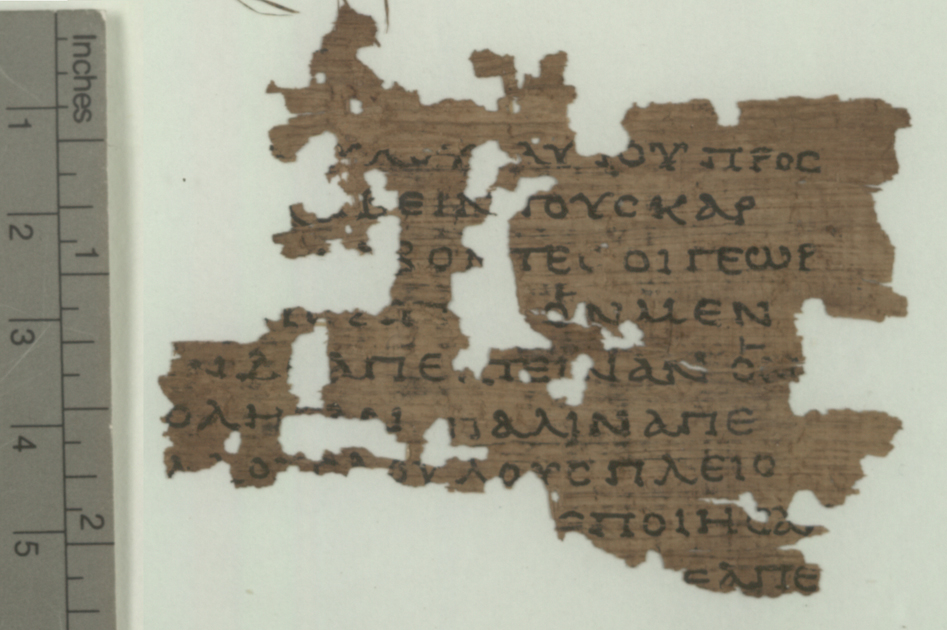
Gospel of Matthew
Matthew the Apostle · late 1st century AD
 Speech
Secondary source
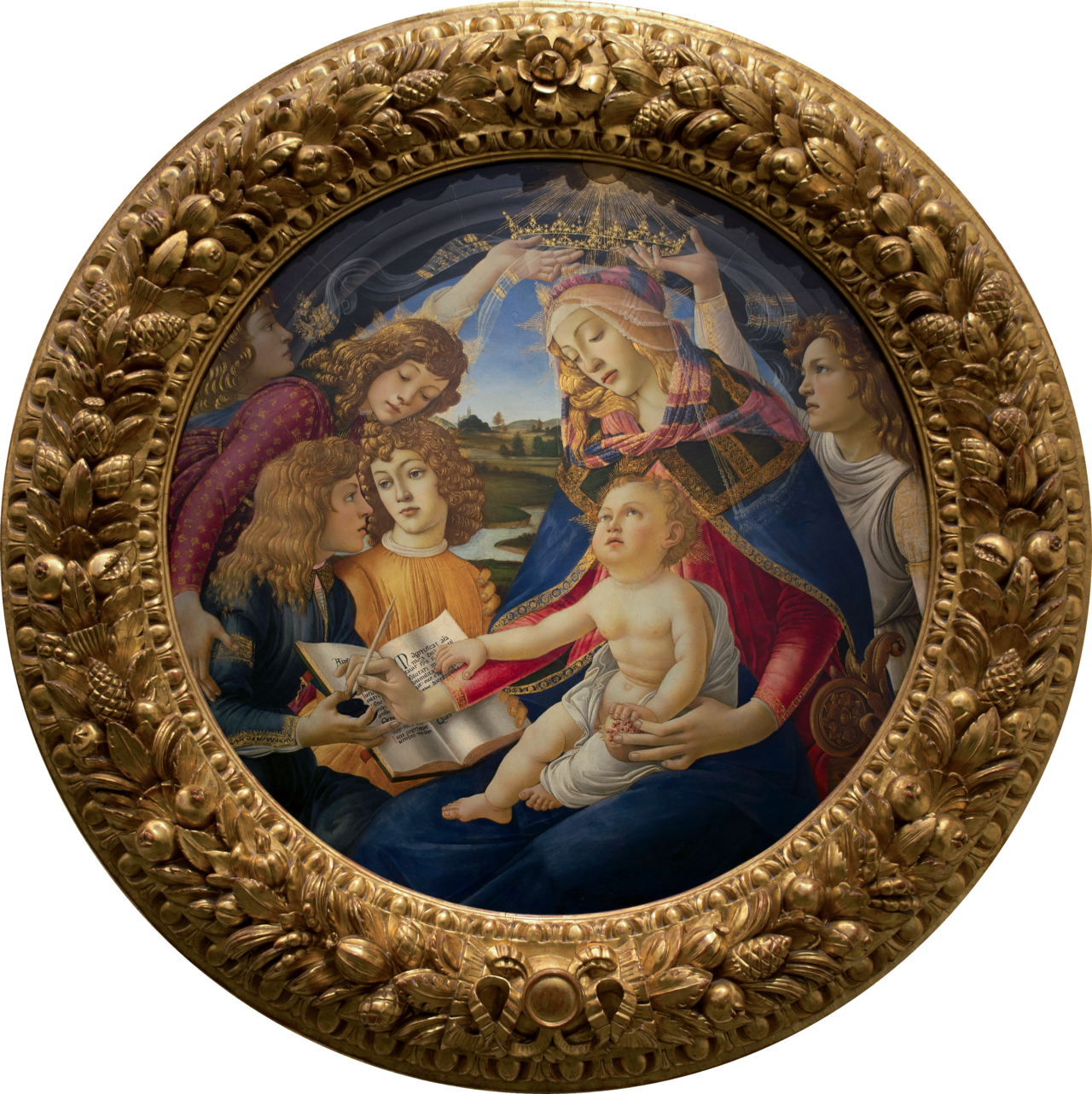
Magnificat
1st century CE
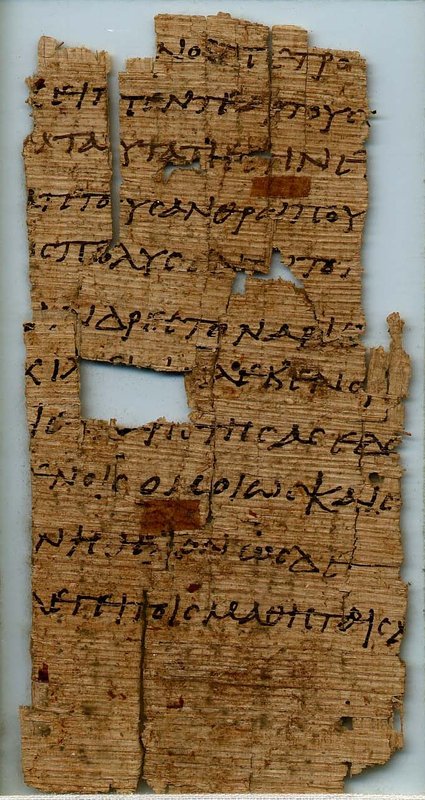 Book
Secondary source
Gospel of John
John the Evangelist · c. AD 90-100
Free account
Read every Mary, mother of Jesus source
Sign up free →
Ready when you are
Start chatting with Mary, mother of Jesus now.
20 messages free · No credit card · Available in 50+ languages.