


Secondary sourceBook13 February 1485
Vita et Fabulae
Aesop · 13 February 1485
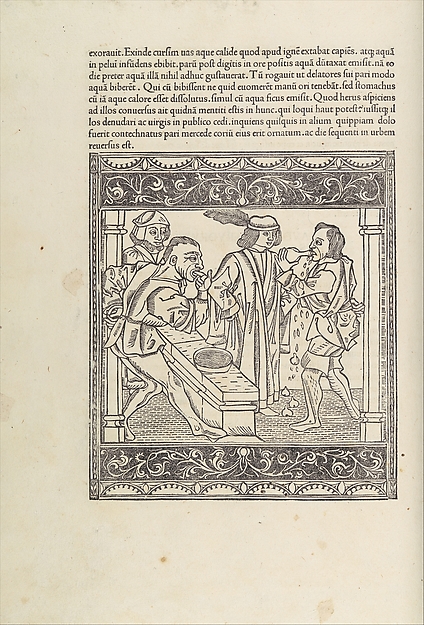
An early printed book of Aesop's life and fables, illustrated with woodcuts, from 1485.
An early printed collection of Aesop's own fables and life story, showing how his tales were preserved and spread.
About this source
What it is
This is an early printed edition of the Life and Fables of Aesop, printed in 1485 and illustrated with metalcut or woodcut images. It is bound in green with gilt edges and held today at The Metropolitan Museum of Art.
Why it matters
Books like this show how Aesop's stories, long passed down by word of mouth, were gathered and spread across Europe once printing made many copies possible. The woodcut illustrations helped readers who could not read Latin follow the tales, and the book reflects how fifteenth-century printers packaged ancient material for new audiences.
Look closer
- What is happening in the illustrated scene below the text?
- Why might a printer choose to add pictures to a book of fables?
- What does the care taken over borders and illustration tell us about how valuable this book was considered?
This book is part of the curated material that grounds the AI version of Aesop on Humy.ai — when students ask about related events, the AI can quote it and cite it.
More Aesop sources
Browse all 96 →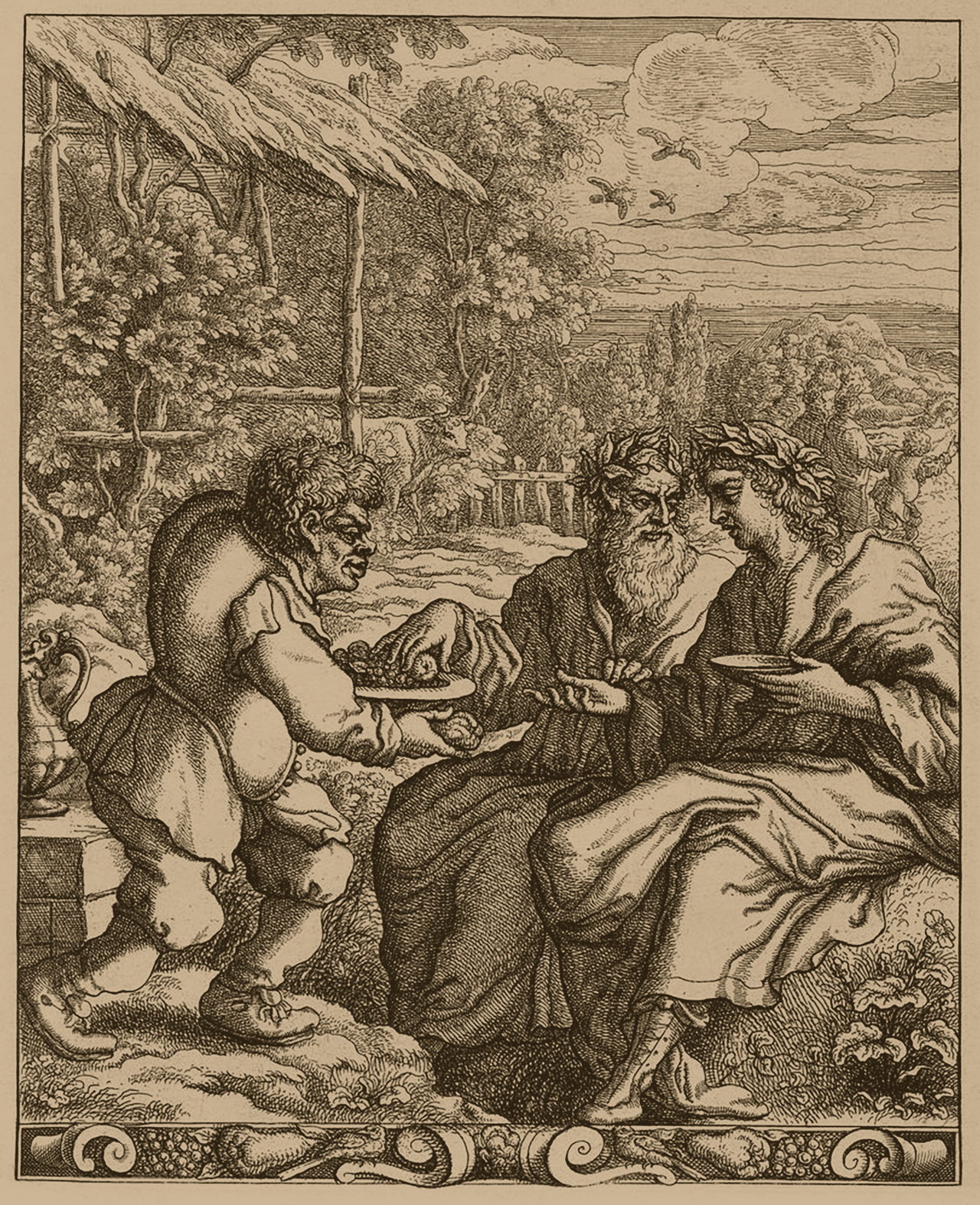 Book
Secondary source
Aesop's Fables
Aesop (attributed) · compiled from the 3rd century BCE onward
 Artifact
Secondary source
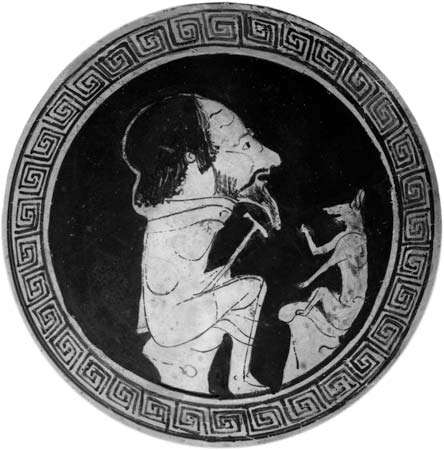
Aesop and the Fox (Red-Figure Kylix)
Unknown Greek artist · c. 450 BCE
 Book
Secondary source
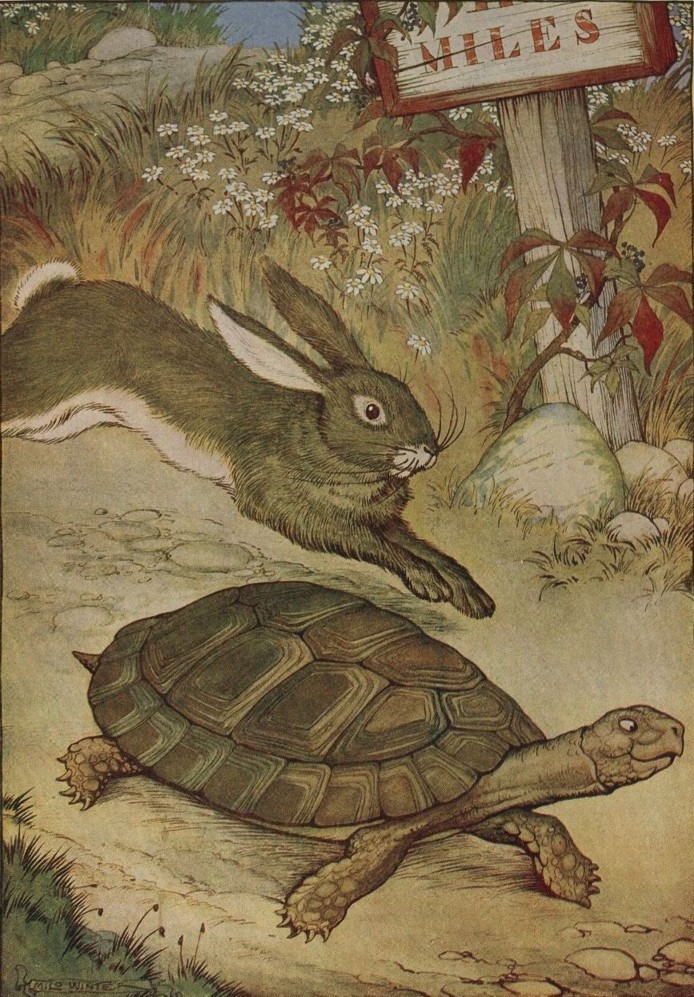
The Tortoise and the Hare
Aesop (attributed) · ancient Greek origin, no early Latin version; printed from 16th century
 Book
Secondary source
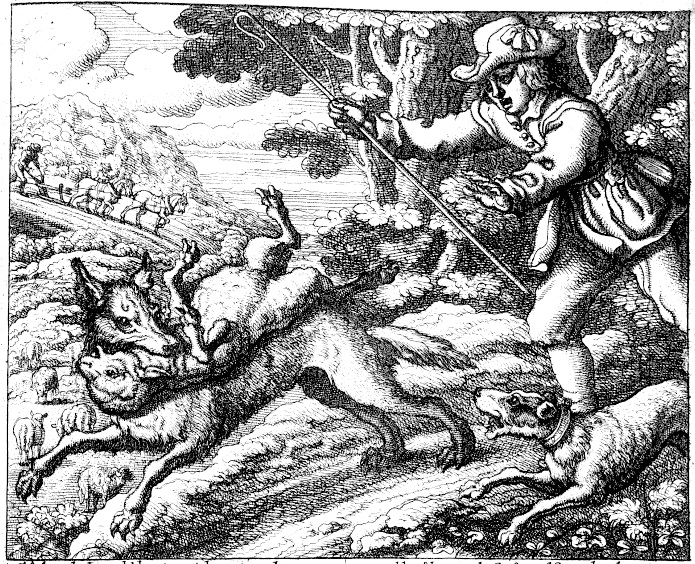
The Boy Who Cried Wolf
Aesop (attributed) · ancient Greek origin; translated into Latin in the 15th century
Free account
Browse every Aesop source
Sign up free →
Ready when you are
Start chatting with Aesop now.
20 messages free · No credit card · Available in 50+ languages.