


Primary sourceSculpturereign of Hammurabi, c. 1792-1750 BCE
Votive Monument of Hammurabi
reign of Hammurabi, c. 1792-1750 BCE
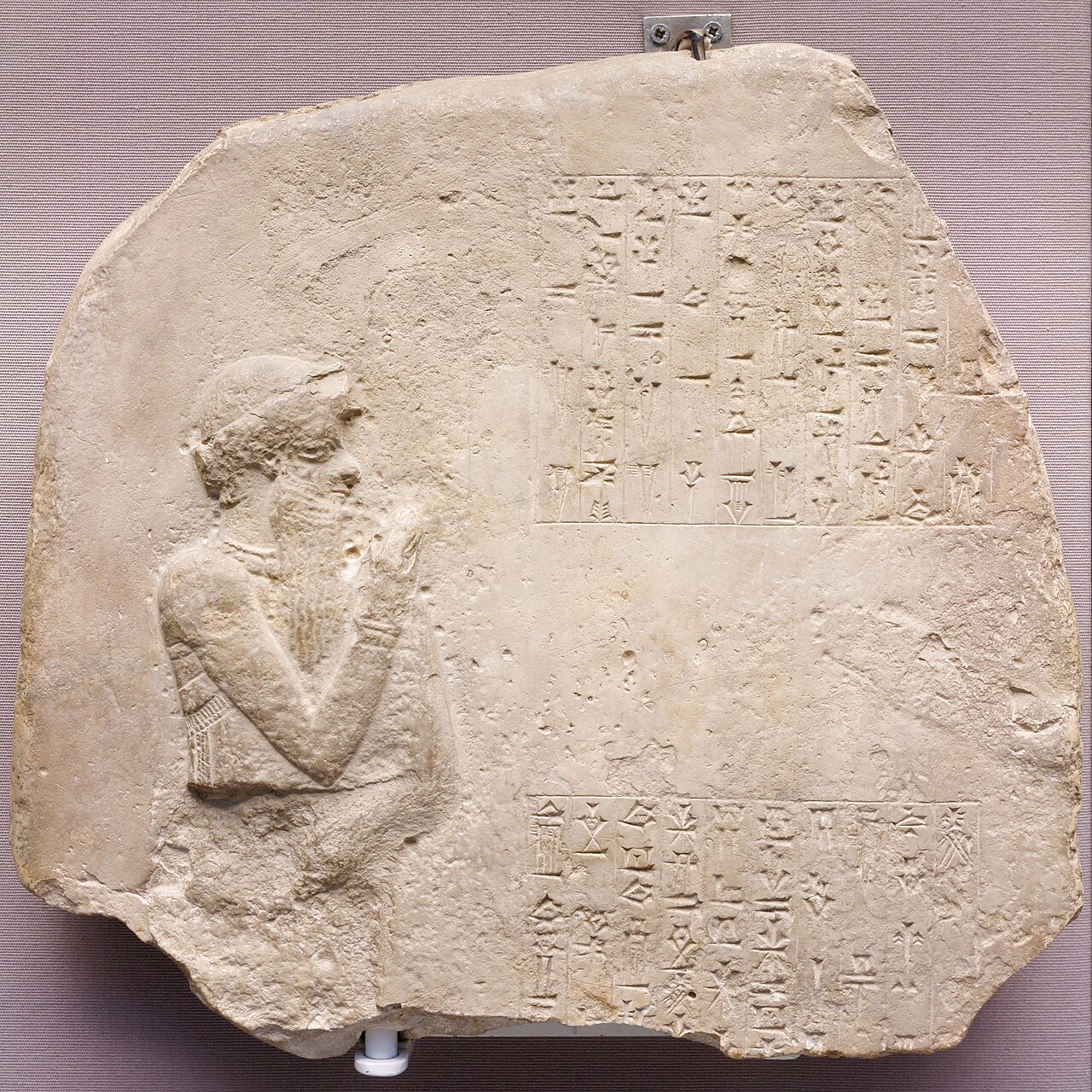
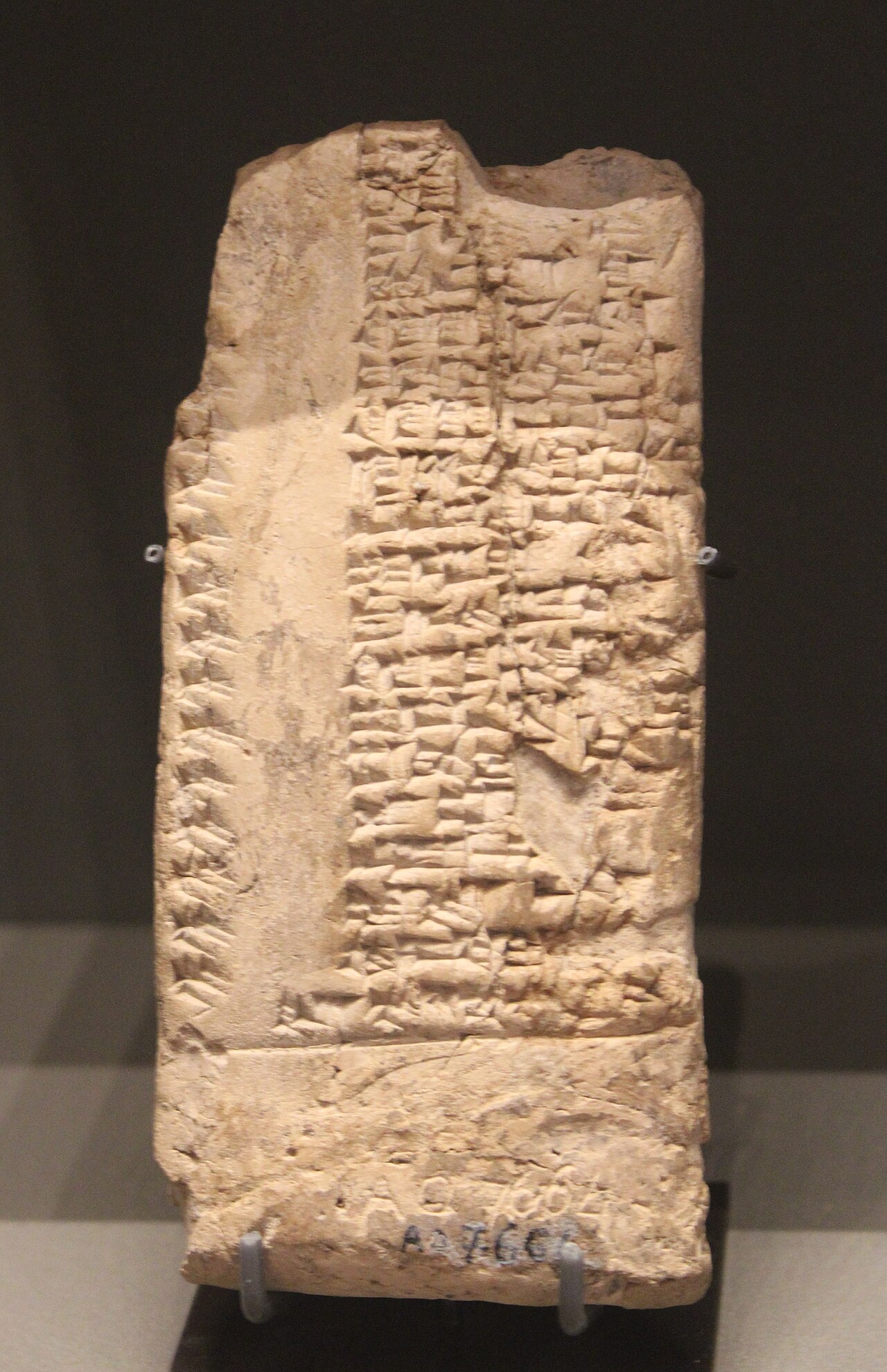
An ancient limestone relief from Hammurabi's reign showing him in a pose of worship, held at the British Museum.
An ancient monument made during Hammurabi's own reign, showing him depicted in a pose of religious devotion.
About this source
What it is
This is a votive monument made of pale limestone, carved with a figure shown in profile with hands clasped in a gesture of worship, alongside bands of cuneiform inscription. It dates from Hammurabi's reign and is held by the British Museum as object BM 22454. The photograph of it was taken by Marie-Lan Nguyen in 2012.
Why it matters
As an object made during Hammurabi's own lifetime, this monument gives a direct glimpse of how the king wished to be shown: pious, devoted, and connected to the gods. It is a rare physical survival from his reign, alongside his famous law code, and helps historians understand Babylonian religious and royal imagery.
Look closer
- What does the pose of clasped hands suggest about how Hammurabi wanted to be seen?
- Why might a king commission a monument showing himself in worship rather than in battle or on a throne?
- What can the cuneiform inscription tell us that the image alone cannot?
This sculpture is part of the curated material that grounds the AI version of Hammurabi on Humy.ai — when students ask about related events, the AI can quote it and cite it.
More Hammurabi sources
Meet the AI Hammurabi →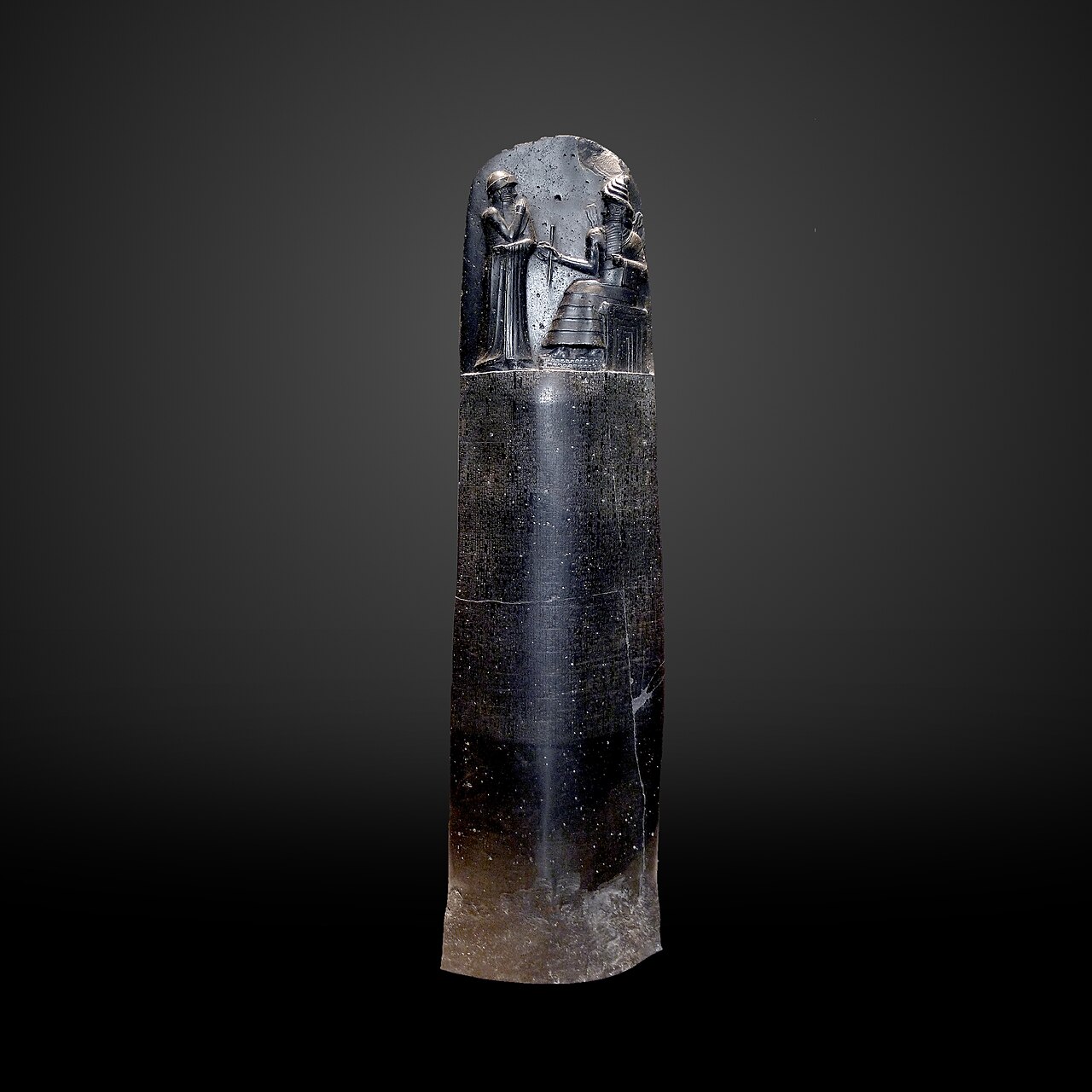 Document
Primary source
Code of Hammurabi
Hammurabi · c. 1753 BCE
 Sculpture
Primary source
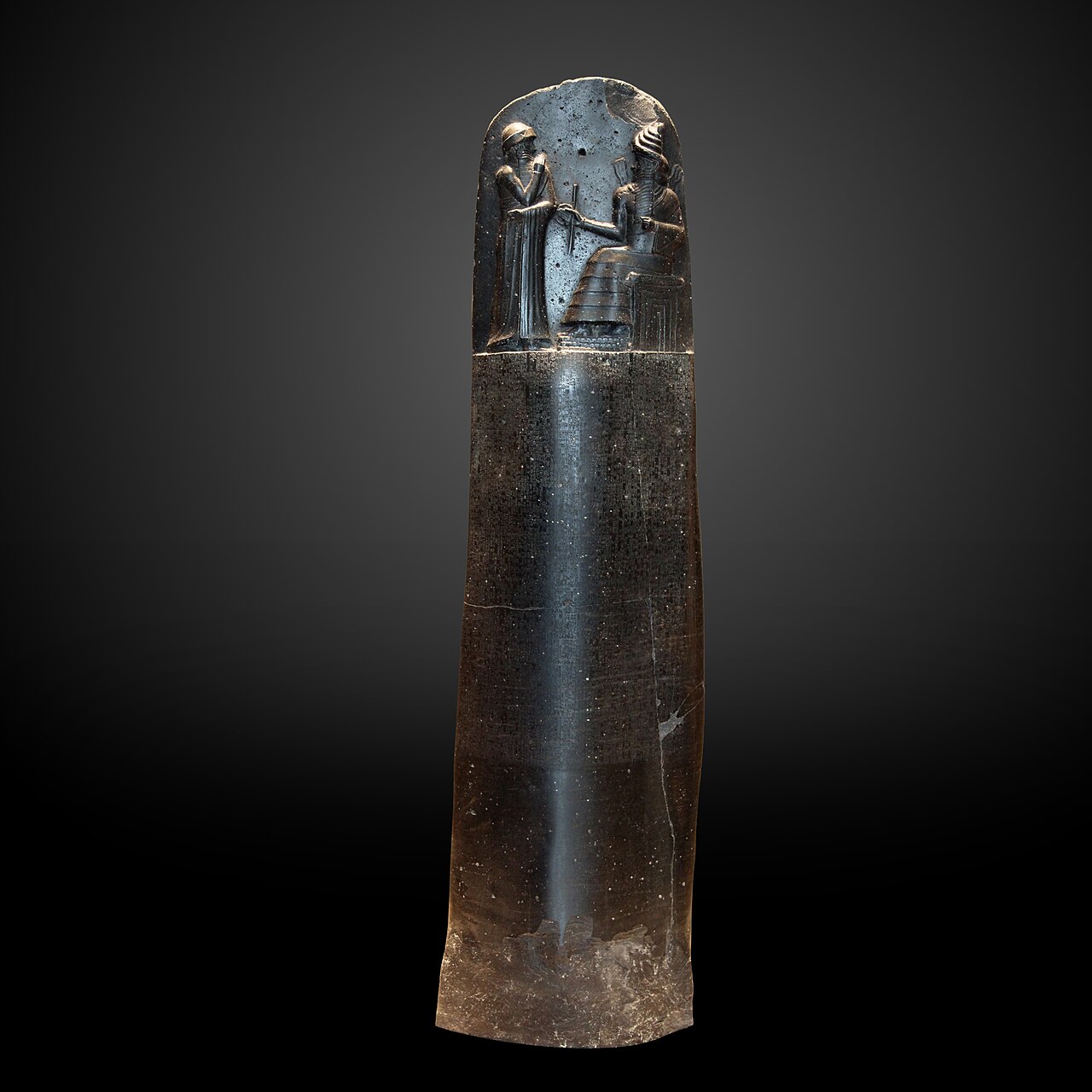
Stele with the Code of Hammurabi
Hammurabi · c. 1792 BCE
 Letter
Primary source
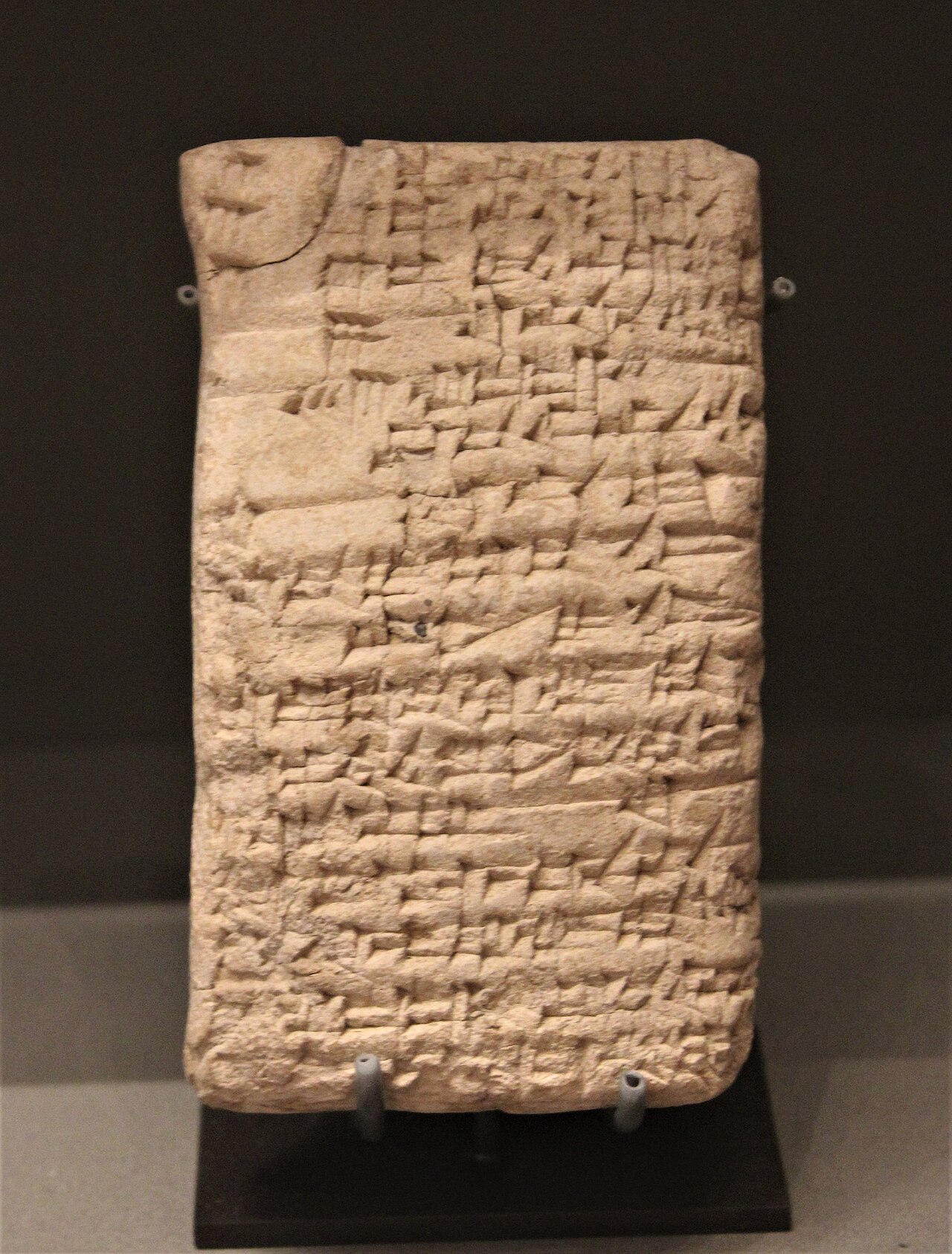
Letter from Hammurabi to Sîn-iddinam
Hammurabi · c. 1792-1750 BCE
 Document
Primary source
List of the year-names of Hammurabi's reign
Old Babylonian period, reign of Hammurabi (c. 1792-1750 BCE)
 Document
Secondary source
Chronicle of Early Kings
Babylonian scribes · c. 6th century BCE copy
Ready when you are
Start chatting with Hammurabi now.
20 messages free · No credit card · Available in 50+ languages.