


Primary sourceArtifact
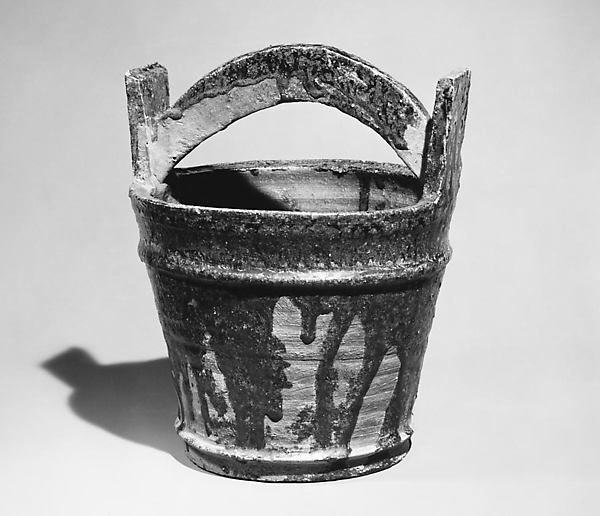
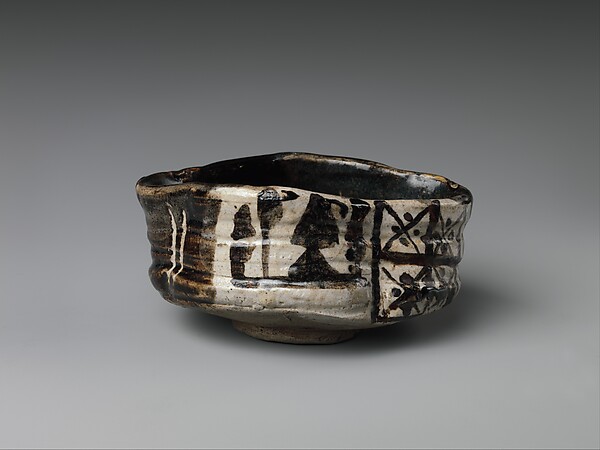
Water Pot for Tea Ceremony, Tanba Ware
A rustic Momoyama-period ceramic water jar used in tea ceremony, from the same era as Sen no Rikyū's wabi tea tradition.
A tea water jar from Rikyū's period, illustrating the wabi aesthetic tied to his influence on tea ceremony.
About this source
What it is
This is a stoneware water jar, called a mizusashi, made during the Momoyama period using Tanba ware techniques with a drip iron glaze. It is held at the Metropolitan Museum of Art.
Why it matters
Water jars like this were essential tools in the tea ceremony that Rikyū helped shape into a refined art form. Its rough, natural glaze reflects the wabi aesthetic, which valued simplicity and the beauty of imperfection, ideas closely associated with Rikyū's teachings.
Look closer
- What do the drips and unevenness in the glaze suggest about how this jar was fired and valued?
- Why might a simple, rustic water jar have been considered beautiful in tea ceremony settings?
- What does this object leave out about who actually used it or how?
This artifact is part of the curated material that grounds the AI version of Sen no Rikyū on Humy.ai — when students ask about related events, the AI can quote it and cite it.
More Sen no Rikyū sources
Browse all 41 →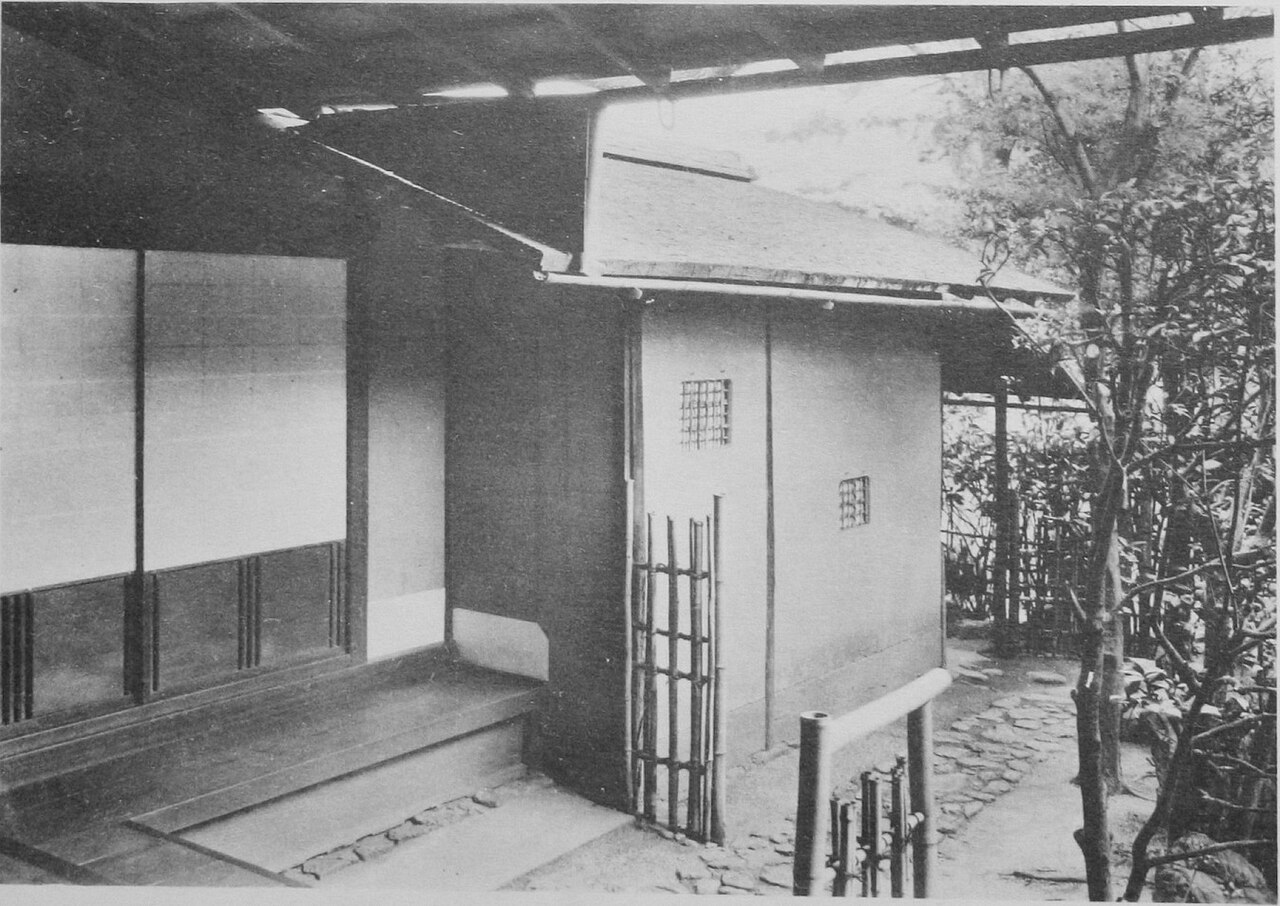 Artifact
Primary source
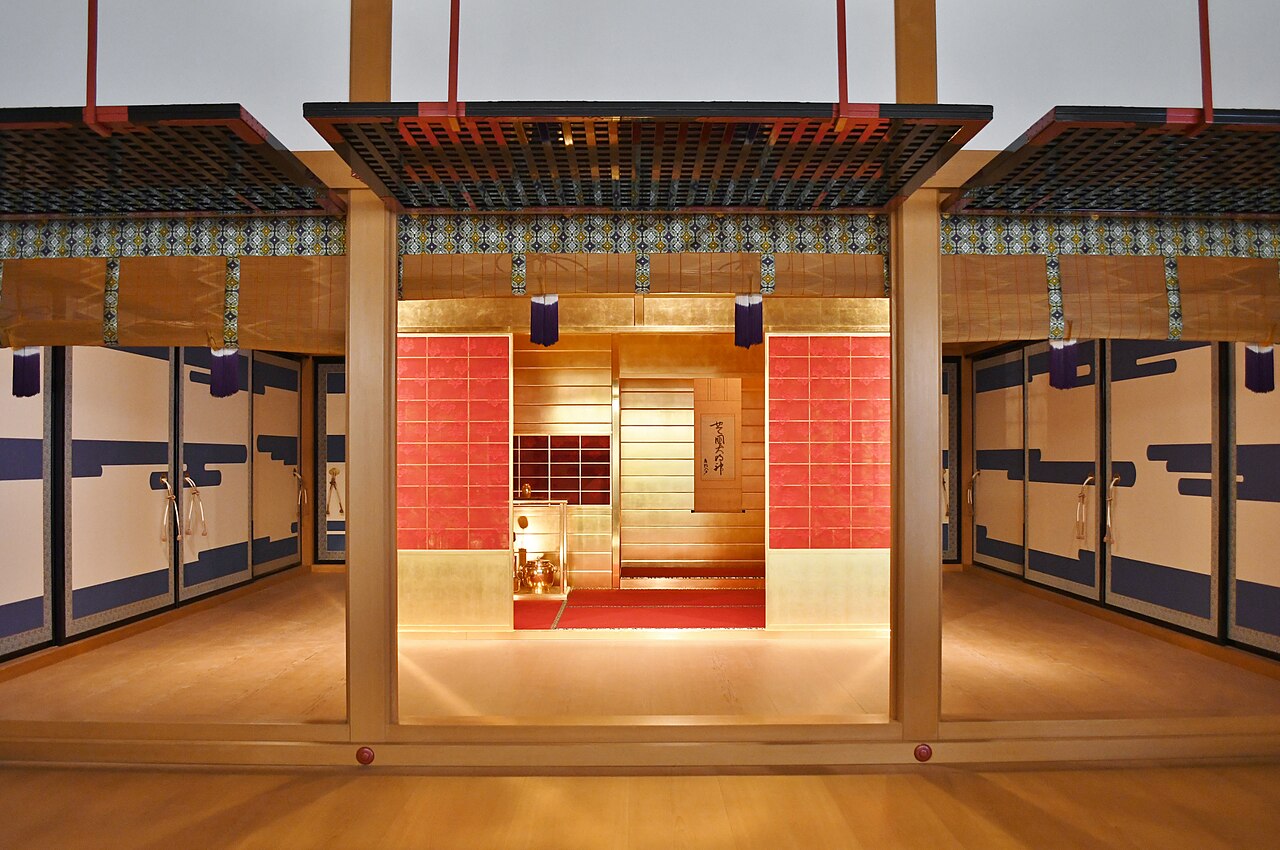
Tai-an
Sen no Rikyū · 1582
 Painting
Secondary source
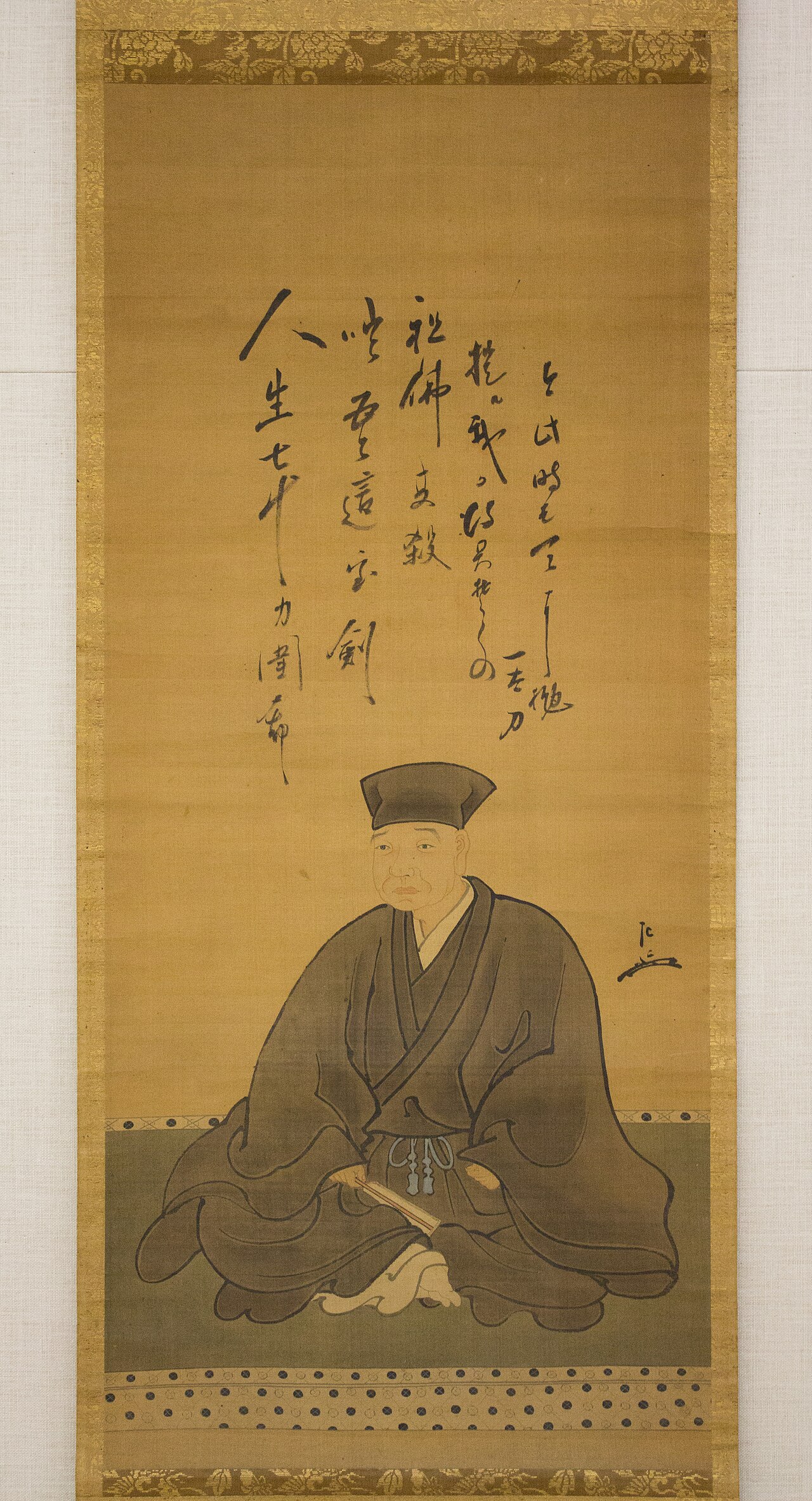
Portrait of Sen no Rikyū with his Death Poem
Unidentified artist · early 17th century
 Painting
Secondary source
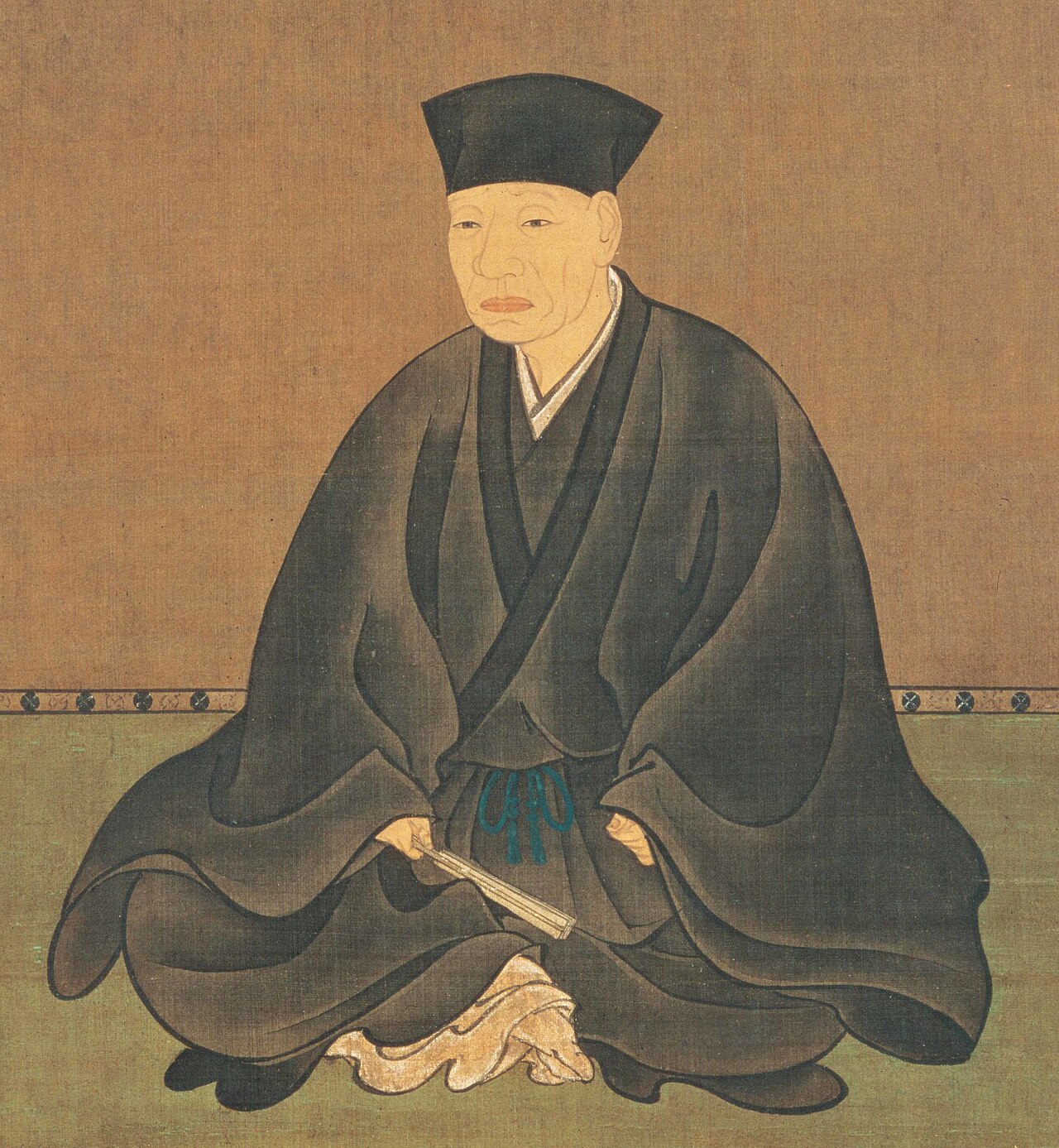
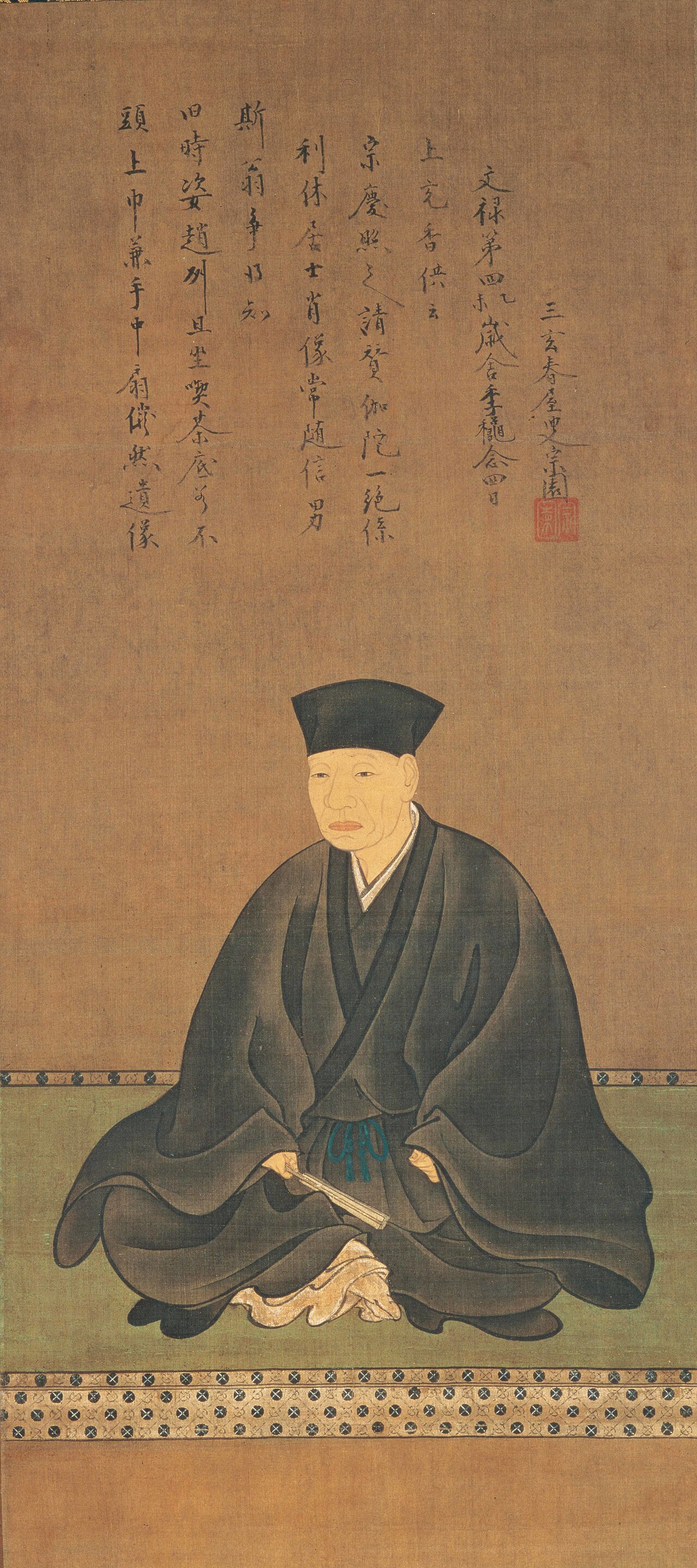
Portrait of Sen no Rikyū by Hasegawa Tōhaku
Hasegawa Tōhaku
 Painting
Secondary source
Portrait of Sen no Rikyū
Hasegawa Tōhaku (attributed)
Free account
Read every Sen no Rikyū source
Sign up free →
Ready when you are
Start chatting with Sen no Rikyū now.
20 messages free · No credit card · Available in 50+ languages.