


Secondary sourceSculpture1762
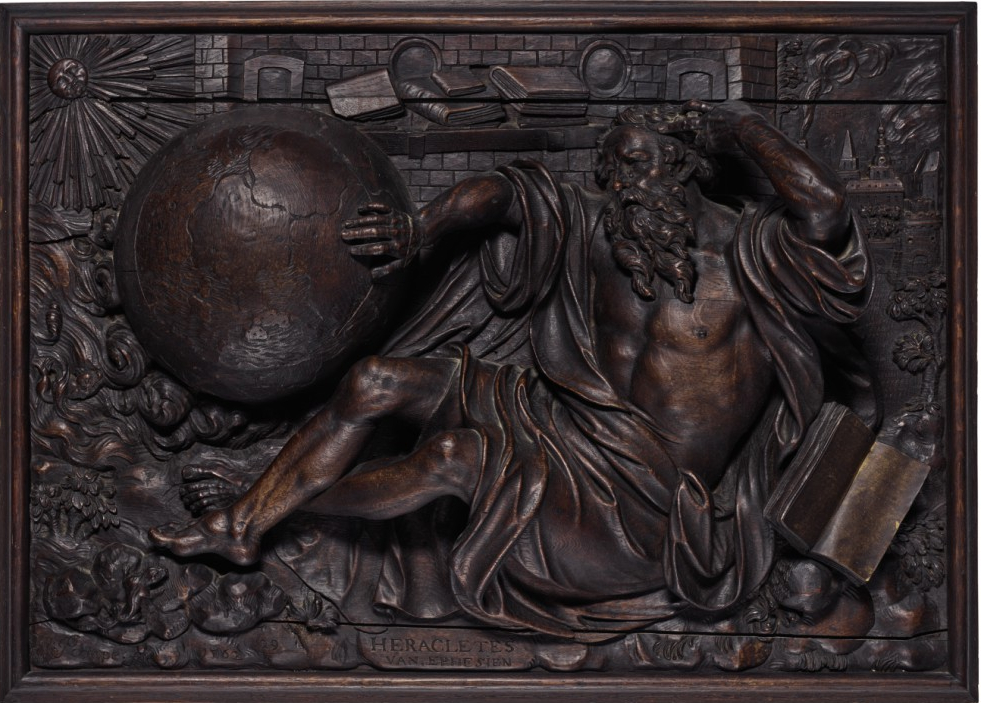
Weeping Heraclitus Relief
Walter Pompe · 1762
A 1762 carved relief by Walter Pompe showing Heraclitus weeping, a later depiction of the ancient philosopher.
Shows Heraclitus as a later artist imagined him, weeping, so it reflects the tradition of his image rather than a record of his life.
About this source
What it is
This is a dark carved relief in a frame. A bearded man reclines with one hand raised to his head. A large globe sits at his left, and a book lies beside him. Carved clouds, a building and foliage surround him, and a small inscription appears at the bottom. The relief was made by Walter Pompe in 1762.
Why it matters
The relief shows Heraclitus weeping, a version of the philosopher that developed long after his lifetime. Heraclitus lived around 535 to 470 BCE, and this image was made almost two thousand years later. It shows how an 18th-century artist built on earlier images, such as the weeping philosopher beside a globe, to express the idea of a sorrowful thinker.
Look closer
- Which objects around the man, such as the globe and the book, seem to say something about his character?
- What does the small inscription say, and what might it add to the image?
- Why might an 18th-century artist choose to show a Greek philosopher in grief?
This sculpture is part of the curated material that grounds the AI version of Heraclitus on Humy.ai — when students ask about related events, the AI can quote it and cite it.
More Heraclitus sources
Browse all 88 →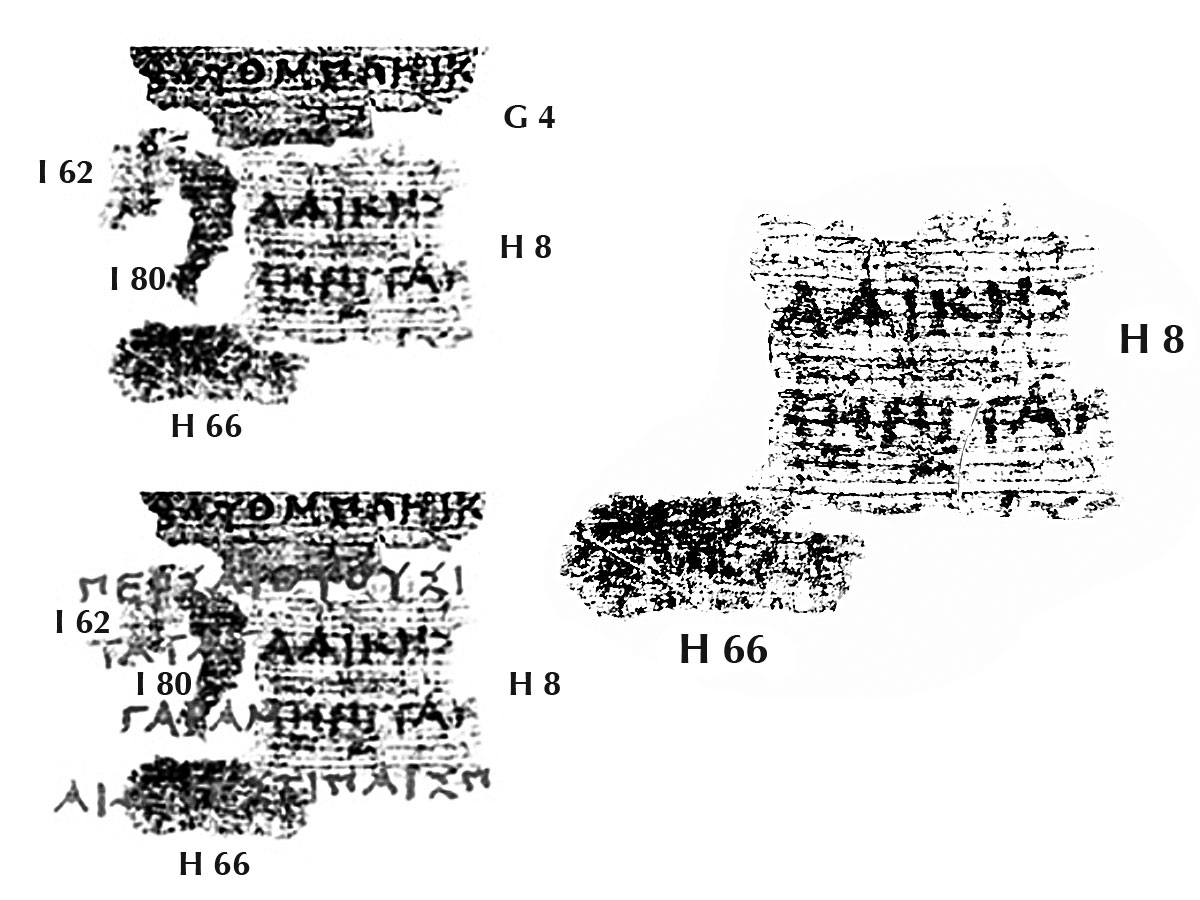 Document
Primary source
Derveni Papyrus, Column IV
Unknown author · 4th century BC
 Book
Secondary source
Lives and Opinions of Eminent Philosophers, Book V (Life of Aristotle)
Diogenes Laërtius · c. 3rd century CE
Primary source
Cratylus
Plato
 Book
Secondary source
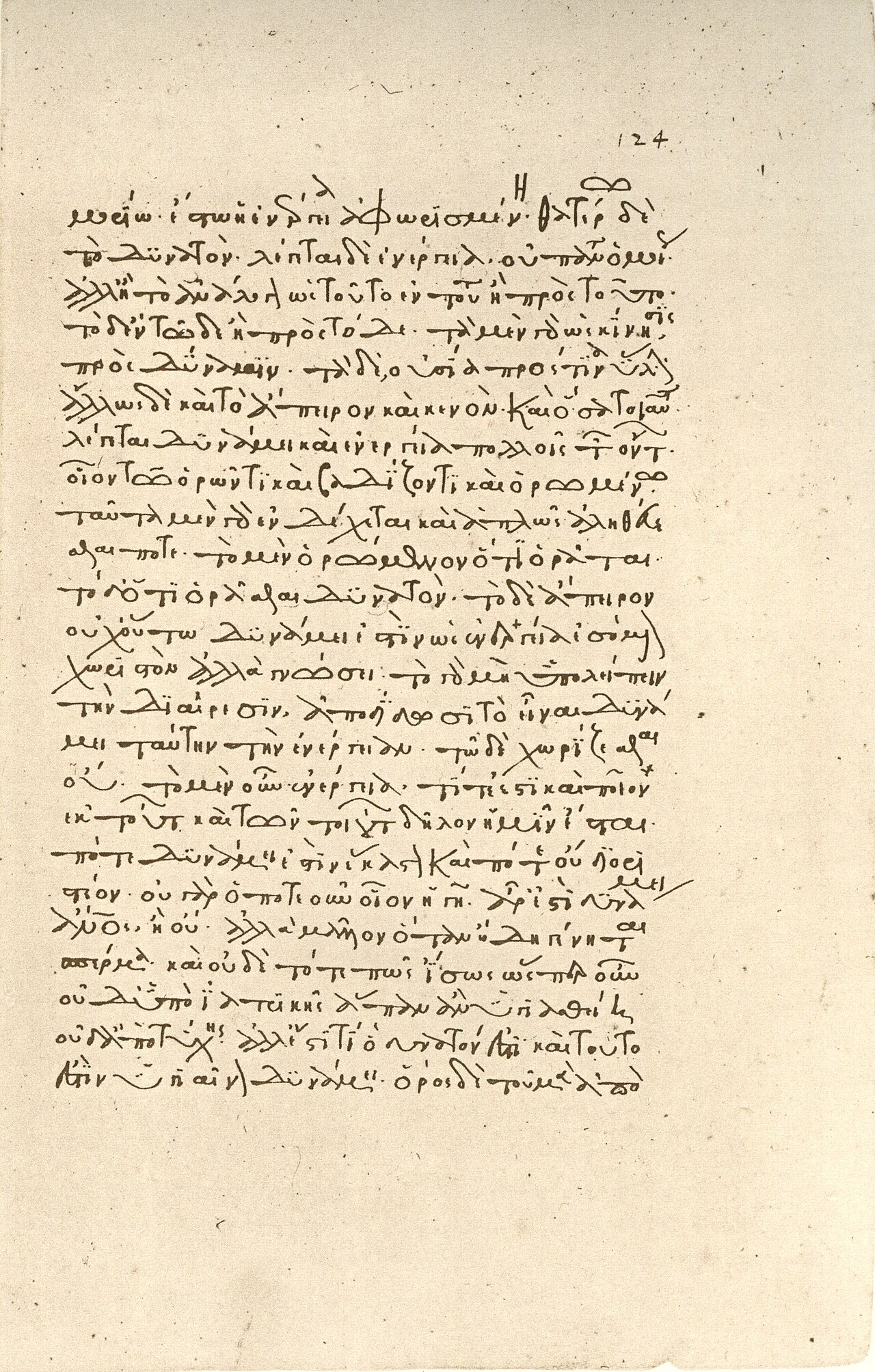
Metaphysics
Aristotle · c. 400 BCE
Free account
Read every Heraclitus source
Sign up free →
Ready when you are
Start chatting with Heraclitus now.
20 messages free · No credit card · Available in 50+ languages.