


Primary sourceBook1863
Wild Apples
Henry David Thoreau · 1863
An essay by Henry David Thoreau celebrating wild, ungrafted apple trees as a symbol of wildness and his own character.
This essay, written by Thoreau himself, reflects his late philosophy of wildness through the symbol of the apple tree.
About this source
What it is
This is an essay by Henry David Thoreau, published in 1863. It traces the history of the apple-tree and its long connection to humanity, drawing on classical and natural history sources.
Why it matters
Written near the end of Thoreau's life, this essay shows his continuing fascination with nature as a mirror for human character. He uses the untamed, wild apple tree as an emblem of independence and wildness, themes central to his philosophy.
Look closer
- Why might Thoreau choose an ordinary fruit tree as a subject for philosophical reflection?
- What does his use of classical references (like Tacitus) tell us about his education and interests?
- How does this essay connect to his broader ideas about nature and civilization?
This book is part of the curated material that grounds the AI version of Henry David Thoreau on Humy.ai — when students ask about related events, the AI can quote it and cite it.
More Henry David Thoreau sources
Meet the AI Henry David Thoreau →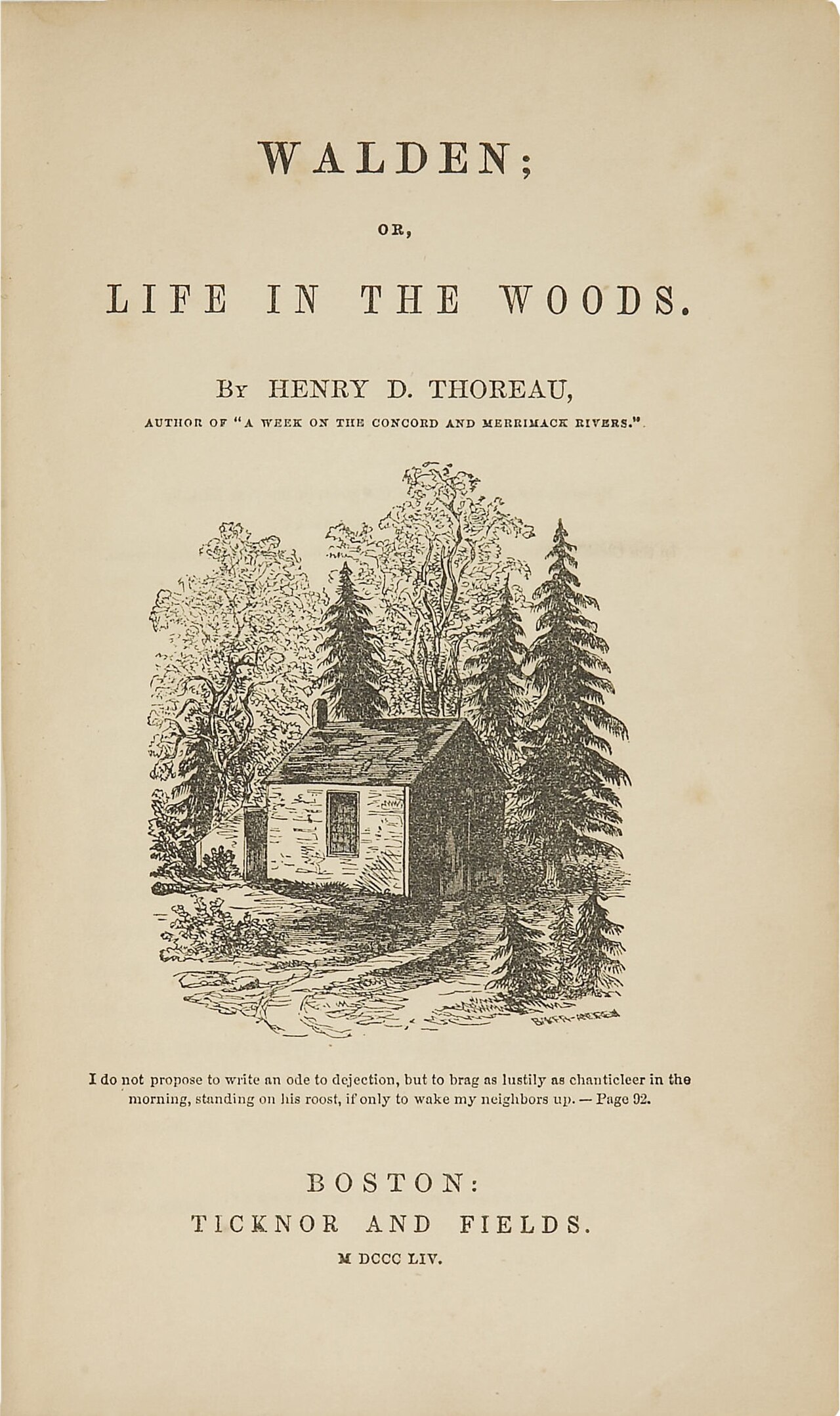 Book
Primary source
Walden
Henry David Thoreau · 1854
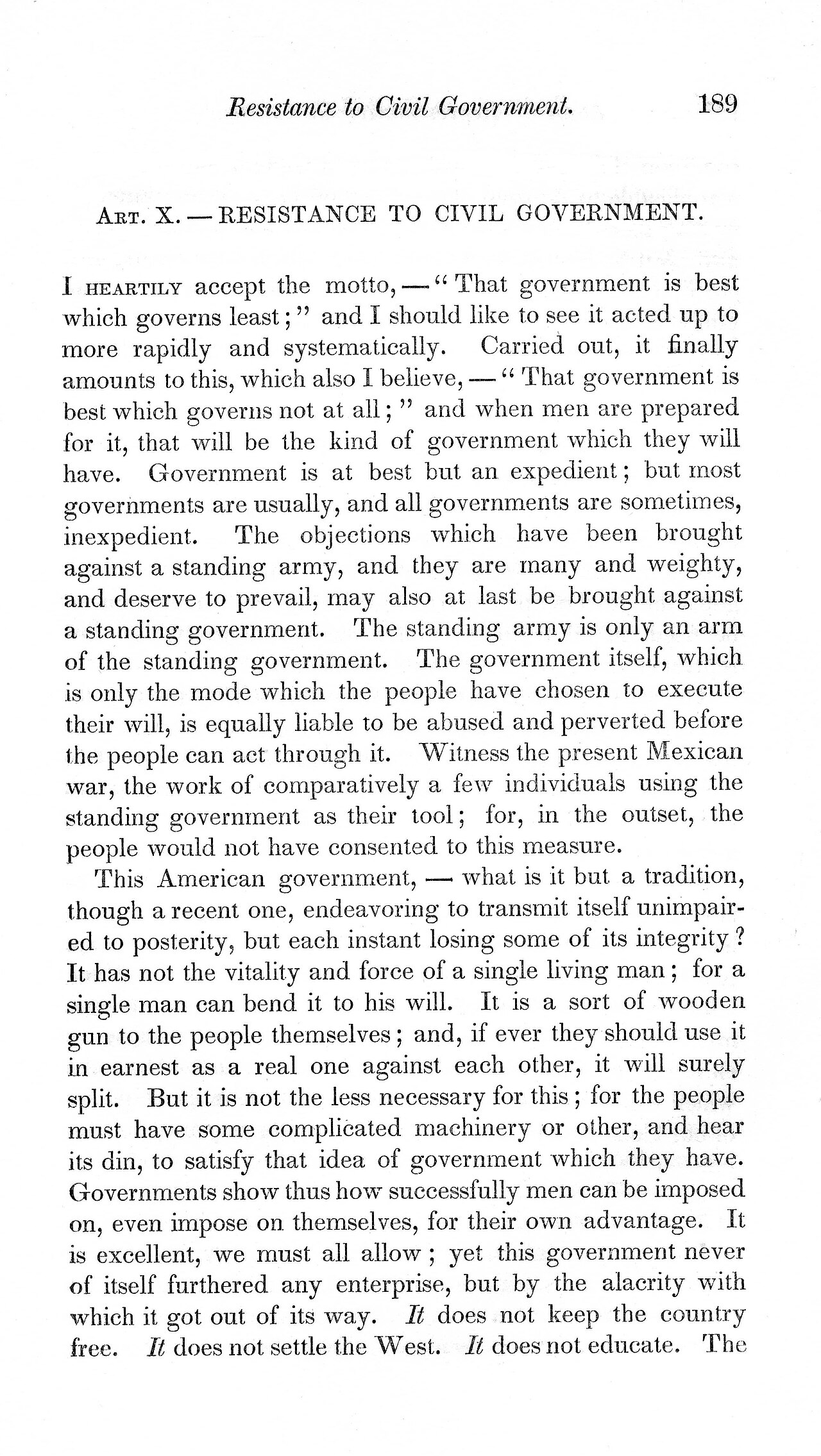 Book
Primary source
Civil Disobedience
Henry David Thoreau · 1849
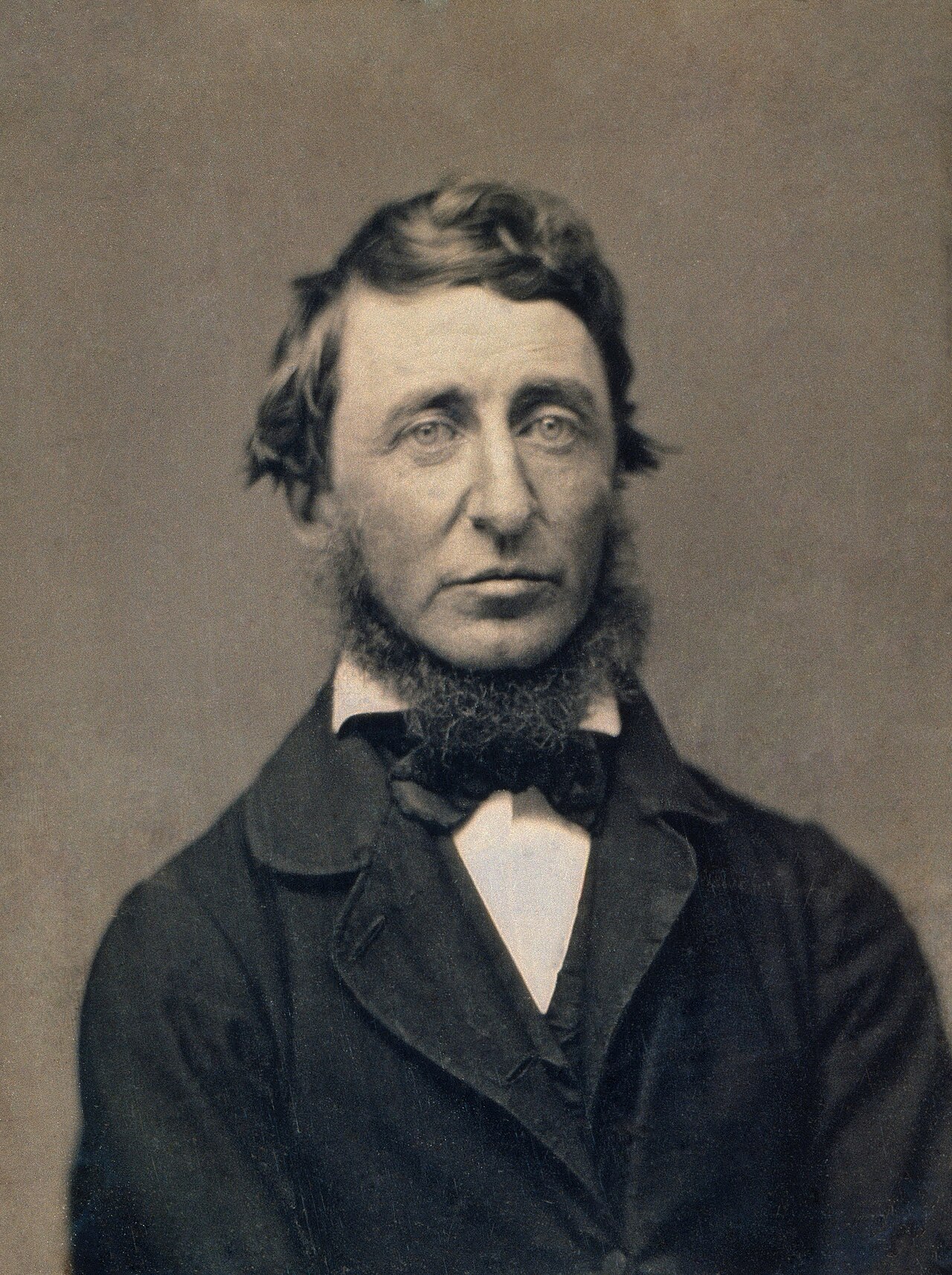 Photograph
Primary source
Daguerreotype Portrait of Henry David Thoreau
Benjamin D. Maxham · 18 June 1856
Primary source
Slavery in Massachusetts
Henry David Thoreau · 4 July 1854
Primary source
A Plea for Captain John Brown
Henry David Thoreau · 30 October 1859
Ready when you are
Start chatting with Henry David Thoreau now.
20 messages free · No credit card · Available in 50+ languages.