


Secondary sourcePainting1807-1808
William Blake's illustrations of Paradise Lost
William Blake · 1807-1808
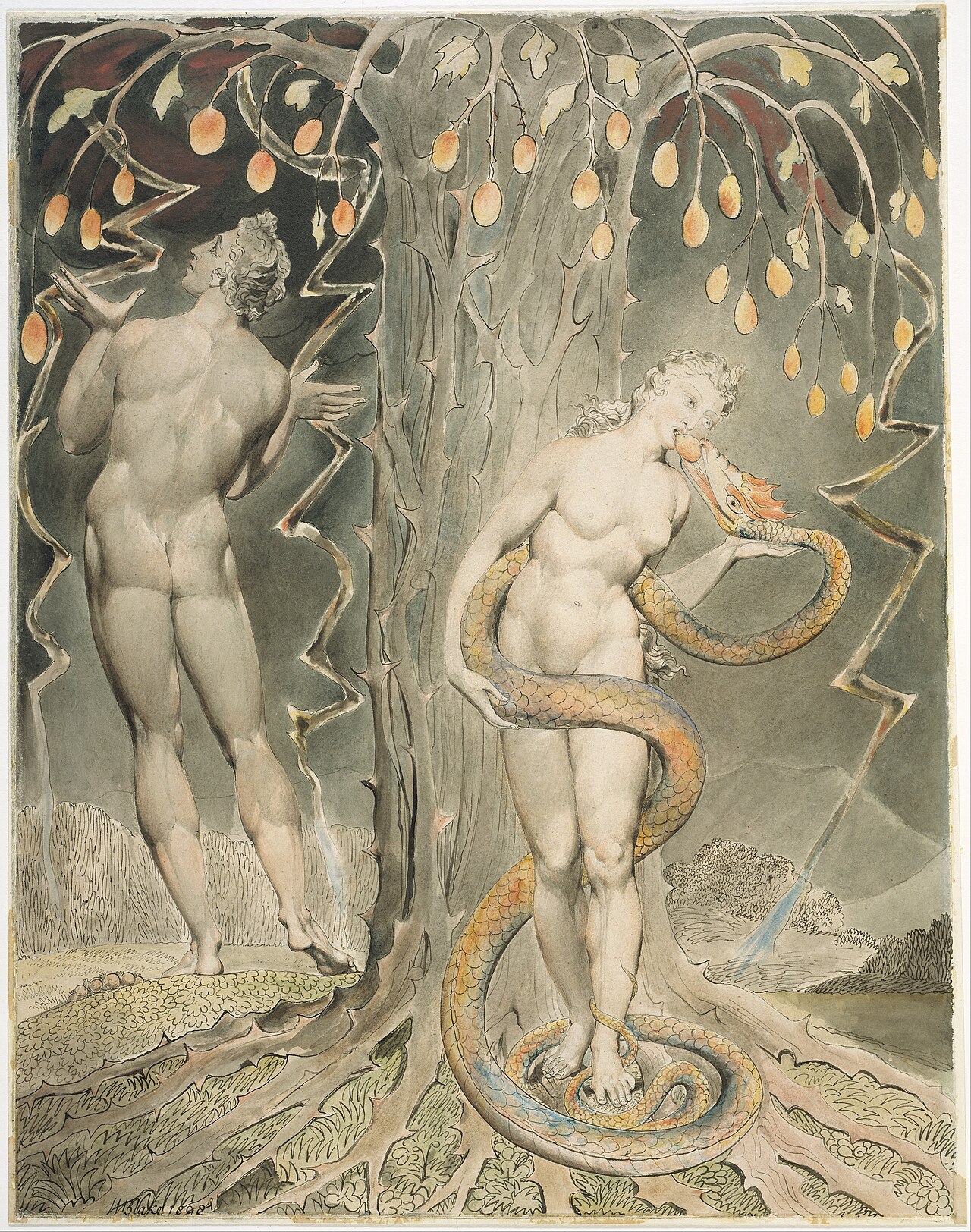
Watercolours by William Blake, made in 1807 and 1808, that illustrate scenes from Milton's epic. They show how a later Romantic artist read and reshaped the poem.
Blake's watercolours show how a later artist read Milton's epic, which makes them context for understanding his legacy.
Free Humy account · No credit card · 120,912 sources to read
About this source
What it is
These are watercolour paintings by William Blake, made as illustrations of Milton's epic poem Paradise Lost. They survive in several sets. The Butts set is dated 1808 and was commissioned by Blake's patron Thomas Butts. The Thomas set was completed in 1807, and the Linnell set, which is incomplete, was made from the Butts set in 1822. The image shown is a watercolour of the Temptation and Fall of Eve, with a nude man and woman and a serpent with a human face.
Why it matters
Blake admired Milton but also criticised him in his own work. Wikipedia notes that he illustrated Paradise Lost more often than any other work by Milton, and that he tried to correct what he saw as the poem's errors. These paintings let students see how a later artist, not Milton himself, pictured Satan, Adam and Eve.
Look closer
- How does Blake's image of the Fall differ from the way you imagine Adam and Eve from Milton's text?
- Which figures does Blake make the most important, and what does that choice suggest about his reading of the poem?
- Blake was writing about two hundred years after Milton. What might he have added or changed that Milton did not show?
This painting is part of the curated material that grounds the AI version of John Milton on Humy.ai — when students ask about related events, the AI can quote it and cite it.
More John Milton sources
Browse all 91 →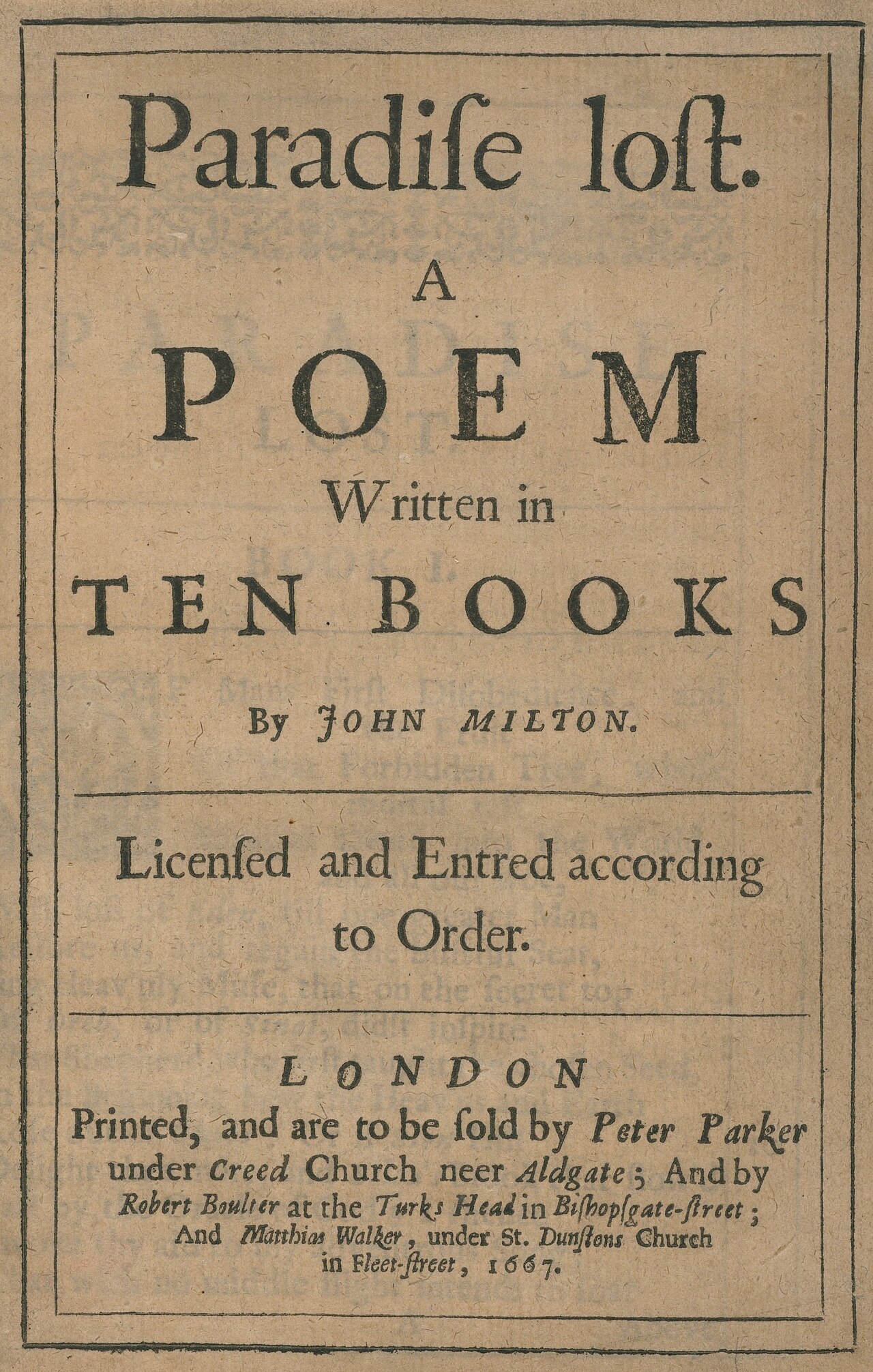 Book
Primary source
Paradise Lost
John Milton · 1667
 Book
Primary source
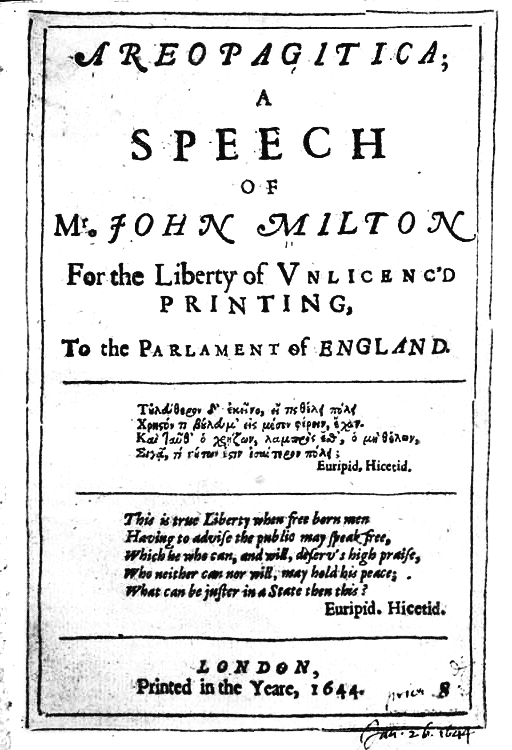
Areopagitica
John Milton · 23 November 1644
Primary source
When I Consider How My Light is Spent
John Milton · c. 1655
 Painting
Primary source
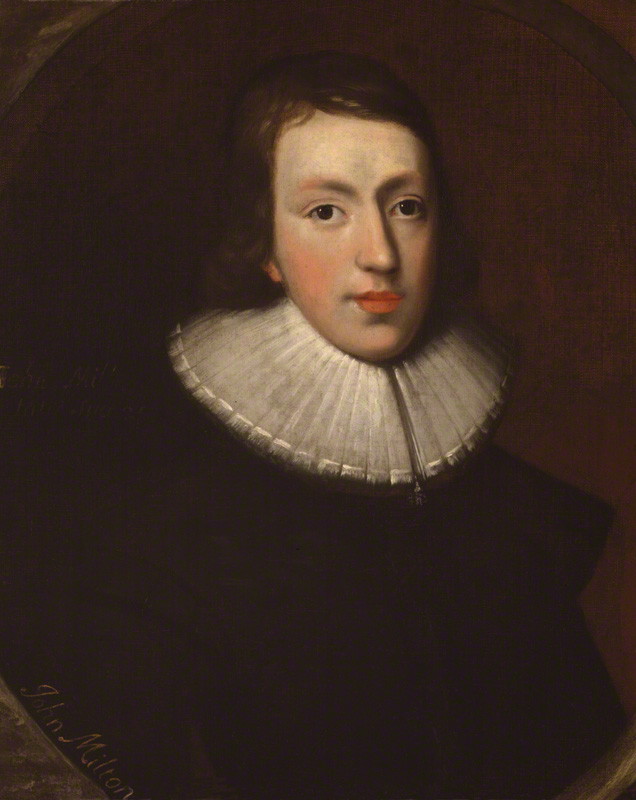
Portrait of John Milton
Unknown painter · 1629
Free account
Read every John Milton source
Sign up free →
Ready when you are
Start chatting with John Milton now.
20 messages free · No credit card · Available in 50+ languages.