


Secondary sourcePainting1864
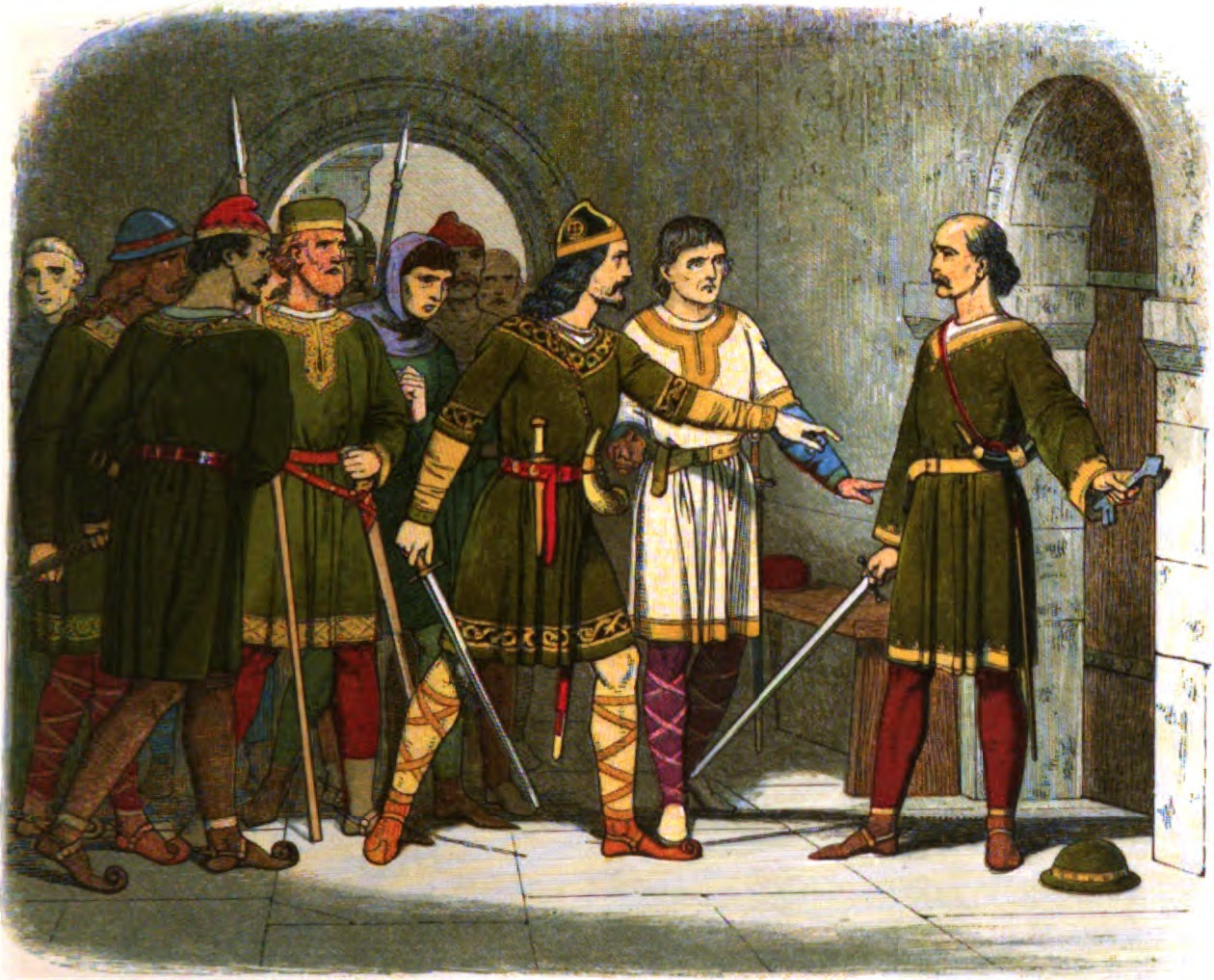
William de Breteuil defends the treasury, A Chronicle of England
James William Edmund Doyle · 1864
A Victorian colour print showing a scene from the succession struggle after William II's death, when Henry seized the royal treasure. It is an 1864 illustration, not a contemporary image.
This print shows the struggle after William II's death in which Henry seized the treasure, so it depicts Henry I's rise to power.
About this source
What it is
This is a coloured print from A Chronicle of England, published in 1864 and illustrated by James William Edmund Doyle, with Edmund Evans credited. It shows a stone chamber with an arched doorway. A bald man in a green tunic gestures, while armed men in green tunics and helmets stand at left, one holding a sword pointed downward. A helmet lies on the floor. The scene is captioned as William de Breteuil guarding the treasury for Robert Curthose.
Why it matters
The caption explains that William de Breteuil defended the treasury to support the claim of Robert Curthose, and that Henry, the youngest brother, was determined to take the royal treasure and the crown. The image is a Victorian artist's reconstruction of a dispute from over eight hundred years earlier, so it shows how the 1860s imagined medieval power struggles.
Look closer
- Who looks like they are in control of the scene, and how can you tell from their gestures and weapons?
- What might the artist have added to make the scene dramatic, and what is hard to know from this picture?
- Whose side does the picture seem to favour, and what would a different illustrator have shown?
This painting is part of the curated material that grounds the AI version of Henry I on Humy.ai — when students ask about related events, the AI can quote it and cite it.
More Henry I sources
Browse all 72 →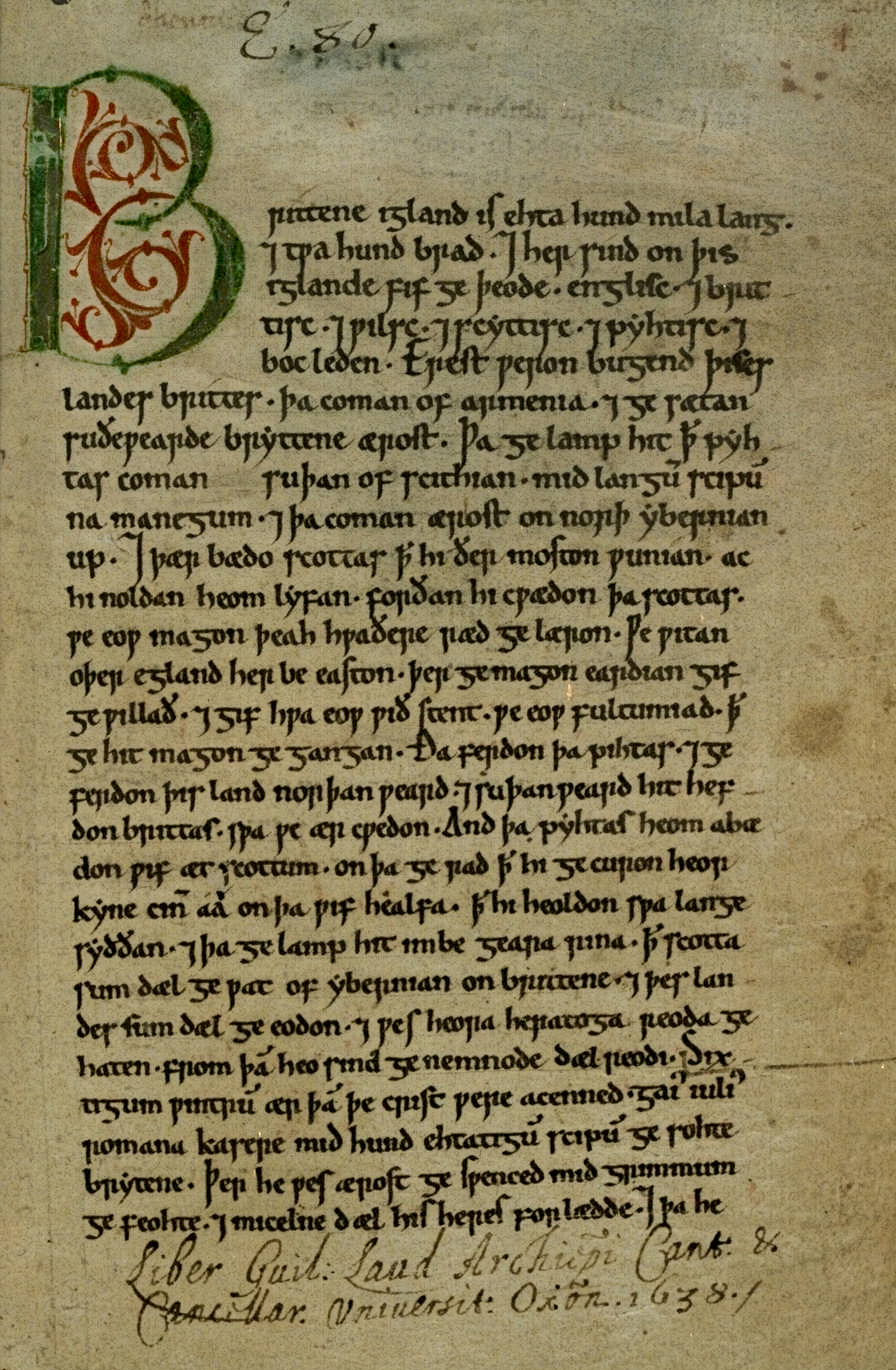 Book
Primary source
Peterborough Chronicle
c. 1130
 Artifact
Primary source
Great Seal of Henry I
Royal chancery of Henry I · 1100–1135
 Book
Primary source
Ecclesiastical History
Orderic Vitalis · 12th century
 Document
Secondary source
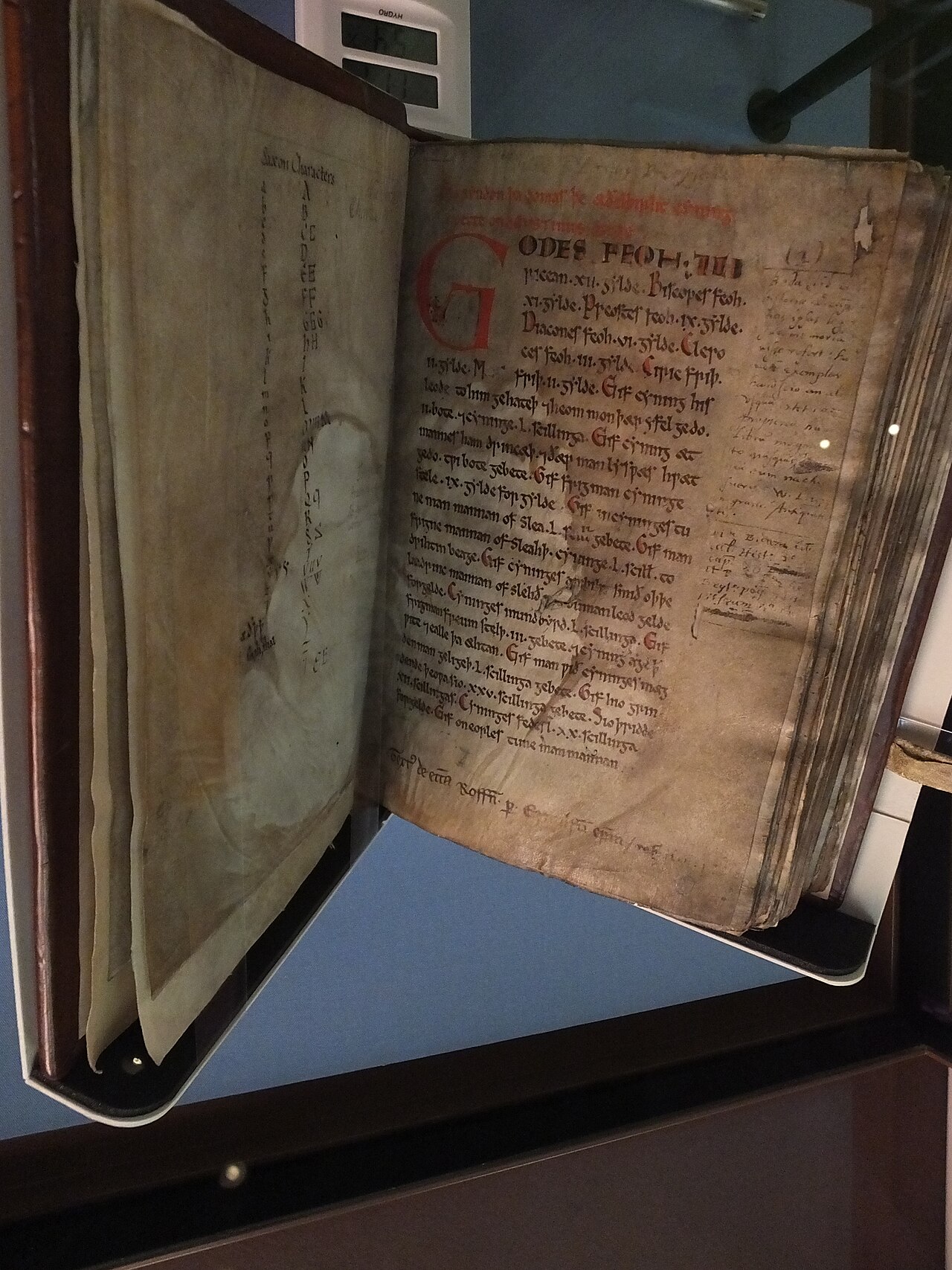
Textus Roffensis
c. 1300 (this copy; text 1122-1124)
Free account
Read every Henry I source
Sign up free →
Ready when you are
Start chatting with Henry I now.
20 messages free · No credit card · Available in 50+ languages.