


Primary sourcePaintingUnknown date
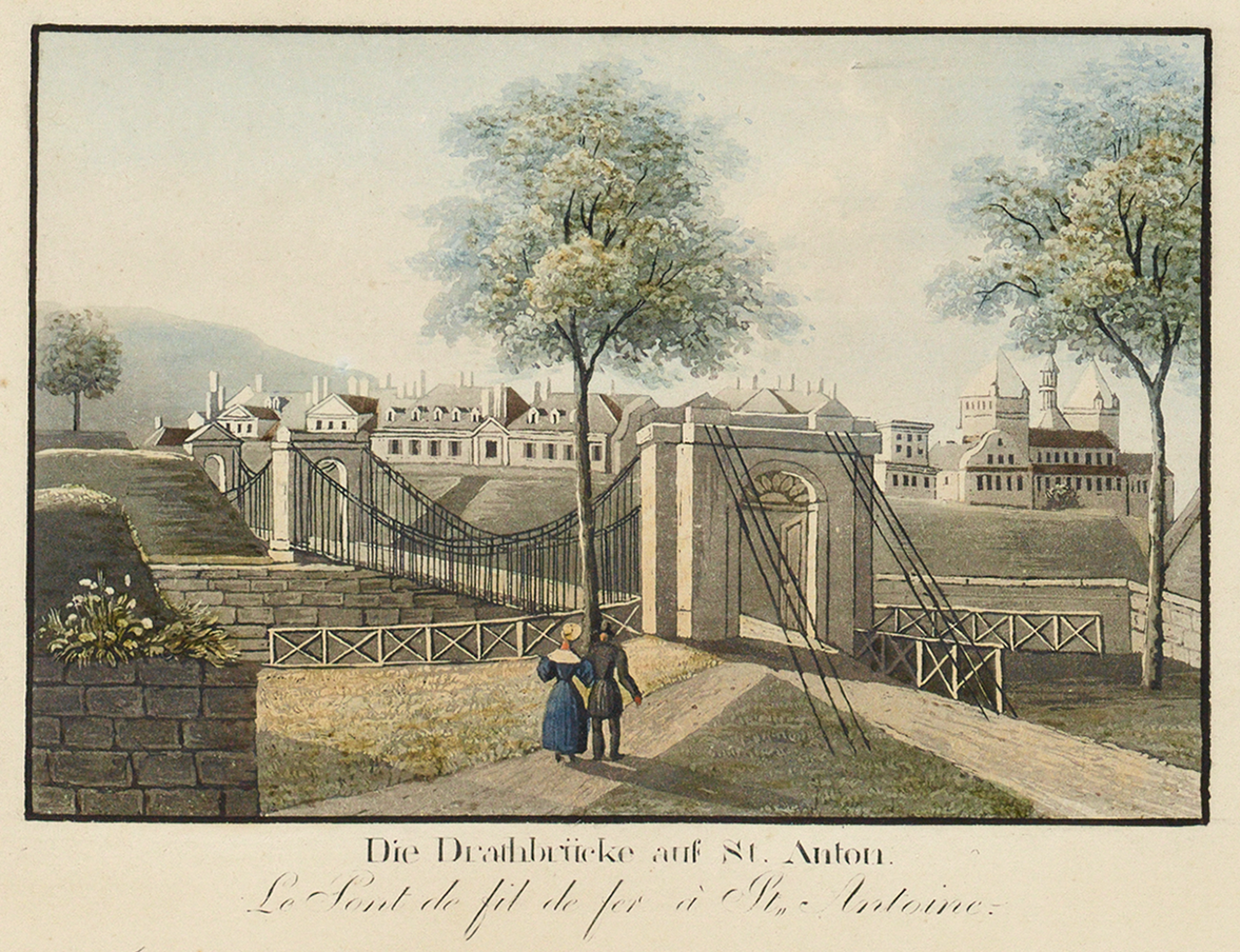
Wire Bridge at Saint-Antoine, Geneva
Johann Baptist Isenring, David Alois Schmid, Ludwig Burckhardt-Schonauer · Unknown date
A hand-coloured aquatint print showing the wire suspension bridge at Saint-Antoine, Geneva, as a detail from a larger city view. It sits in the archive as context for the landscape of Dufour's time and work.
Shows the Saint-Antoine wire bridge in Geneva, a place in the landscape of the city where Dufour worked as an engineer and topographer.
About this source
What it is
This is a hand-coloured aquatint print titled 'Die Drathbrücke auf St. Anton' and 'Le pont de fil de fer à Saint-Antoine'. It is a detail from a larger view of the city of Geneva, seen from the northeast, published as part of a set of views of the city and its surroundings. It shows a wire suspension bridge with iron railings and stone gateway pillars, a tree, and a couple in period dress walking toward it, with town buildings and a church tower behind. The creators named in the record are Johann Baptist Isenring, David Alois Schmid and Ludwig Burckhardt-Schonauer. The date is not given.
Why it matters
Views like this one show how townspeople and visitors pictured Geneva and its surroundings. The wire bridge at Saint-Antoine was one of the features artists chose to include. The record does not say who designed the bridge or when it was built, so the print cannot answer those questions. Its link to Guillaume Henri Dufour, a Swiss army officer, bridge engineer and topographer, is context: it helps students see the landscape where engineering and mapping work of his era took place.
Look closer
- What details of the bridge and the people on the path does the artist choose to show?
- Why might a print of a city view include a bridge and a couple in fashionable dress?
- What does this view leave out, such as the bridge's builders or the people who used it daily?
This painting is part of the curated material that grounds the AI version of Guillaume Henri Dufour on Humy.ai — when students ask about related events, the AI can quote it and cite it.
More Guillaume Henri Dufour sources
Browse all 97 →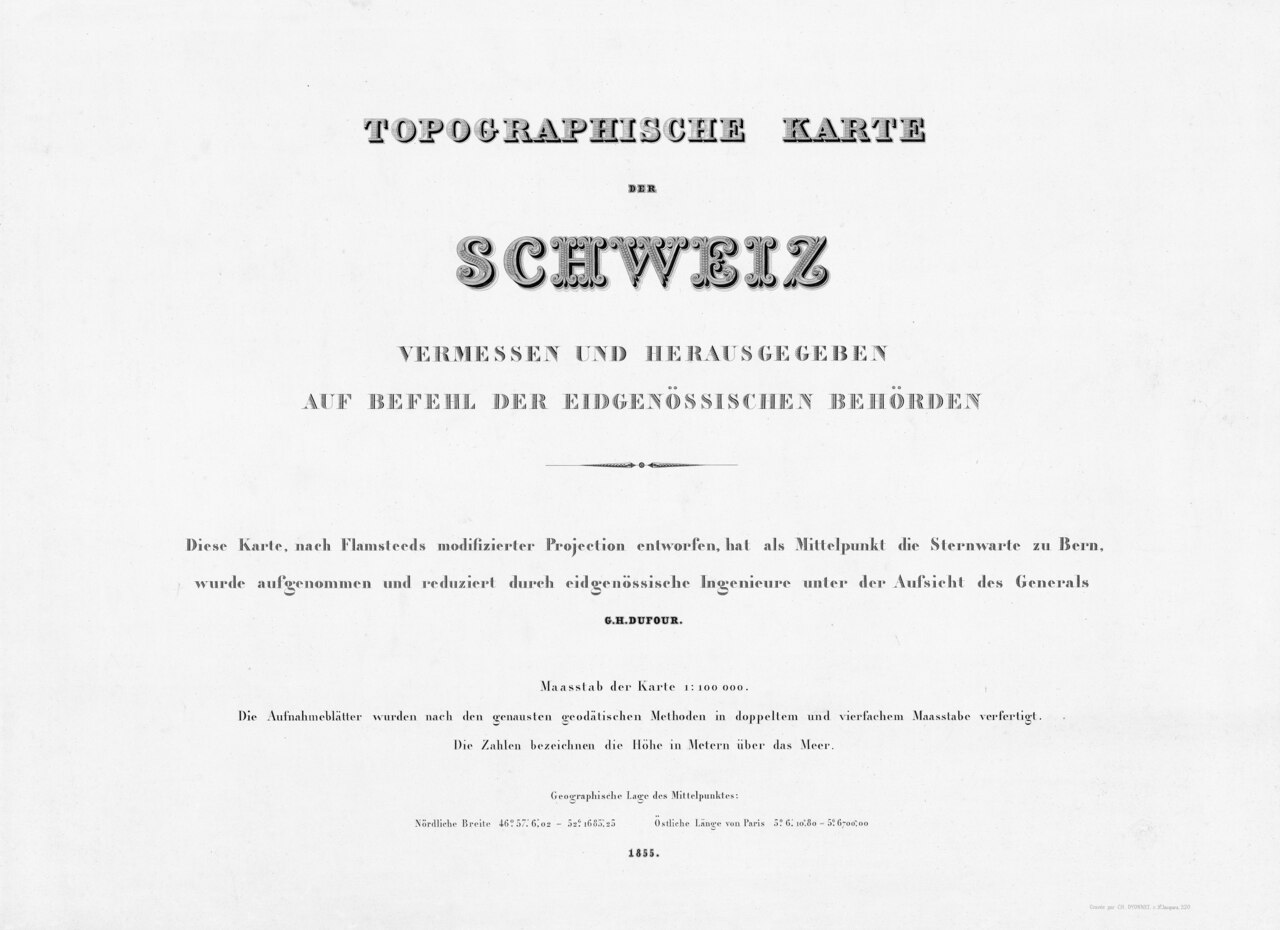 Document
Primary source
Dufour Map
Guillaume Henri Dufour / Federal Topographic Bureau · 1845–1865
 Document
Primary source
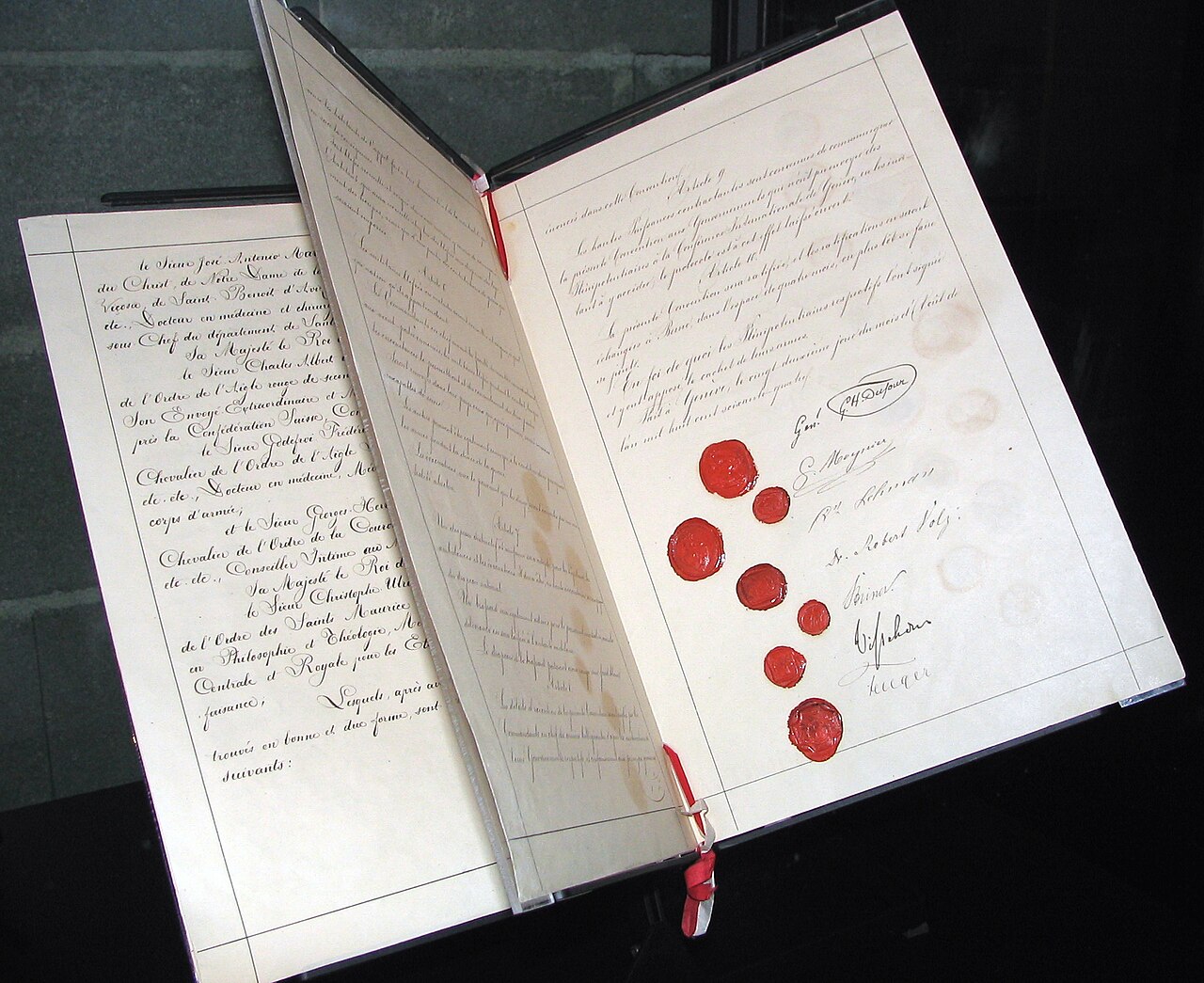
Geneva Convention of 1864
1864
 Artifact
Secondary source
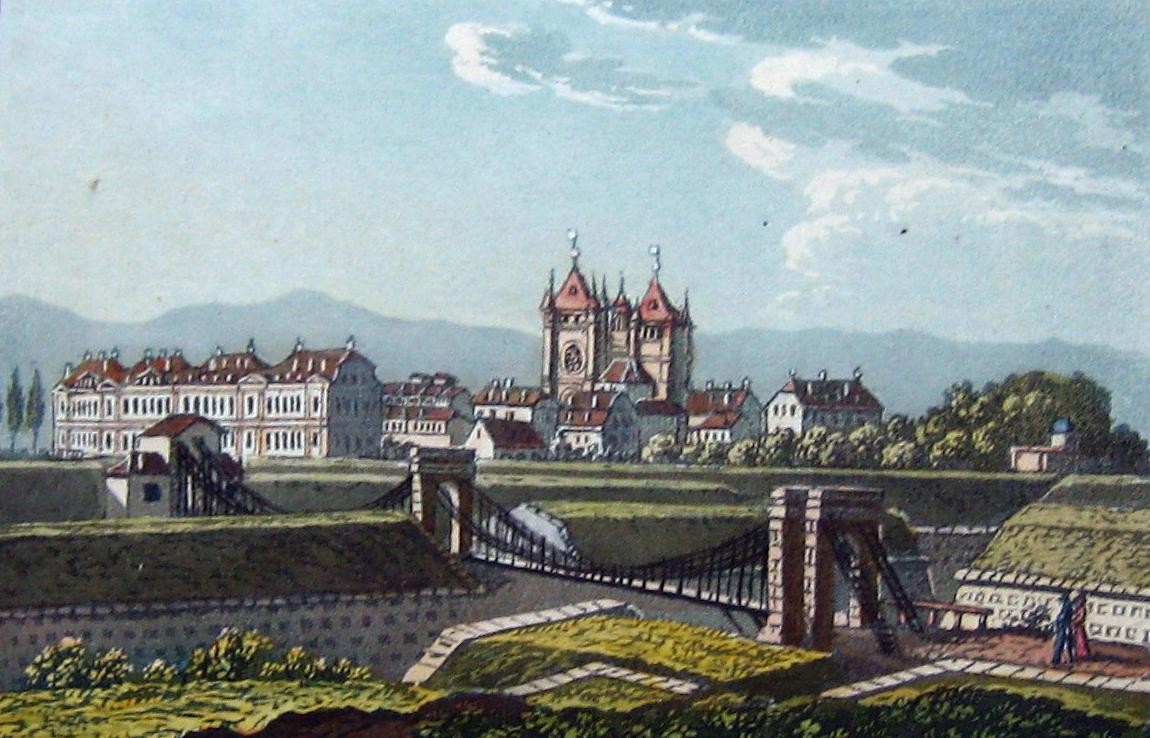
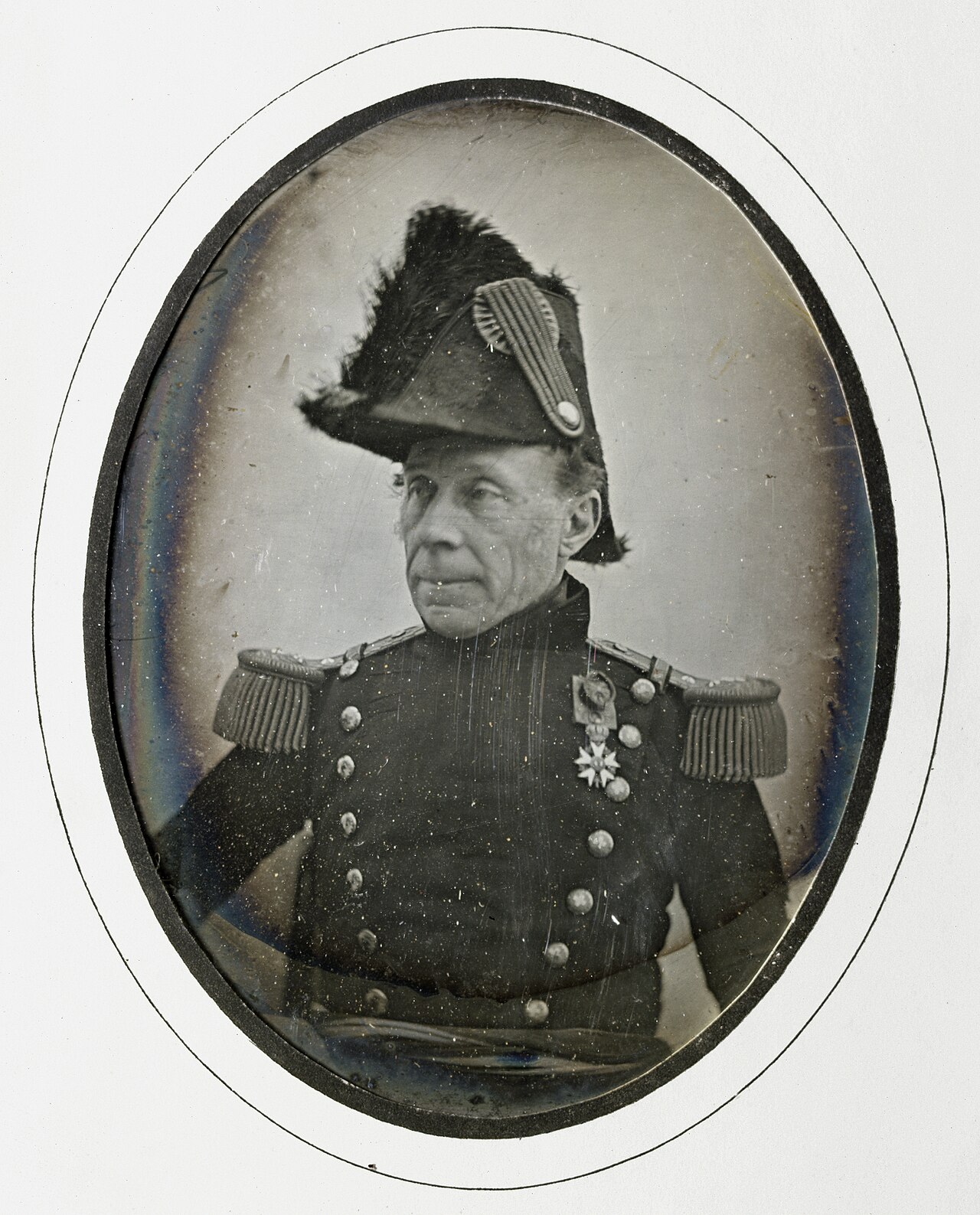
Passerelle de Saint-Antoine
1823
 Photograph
Primary source
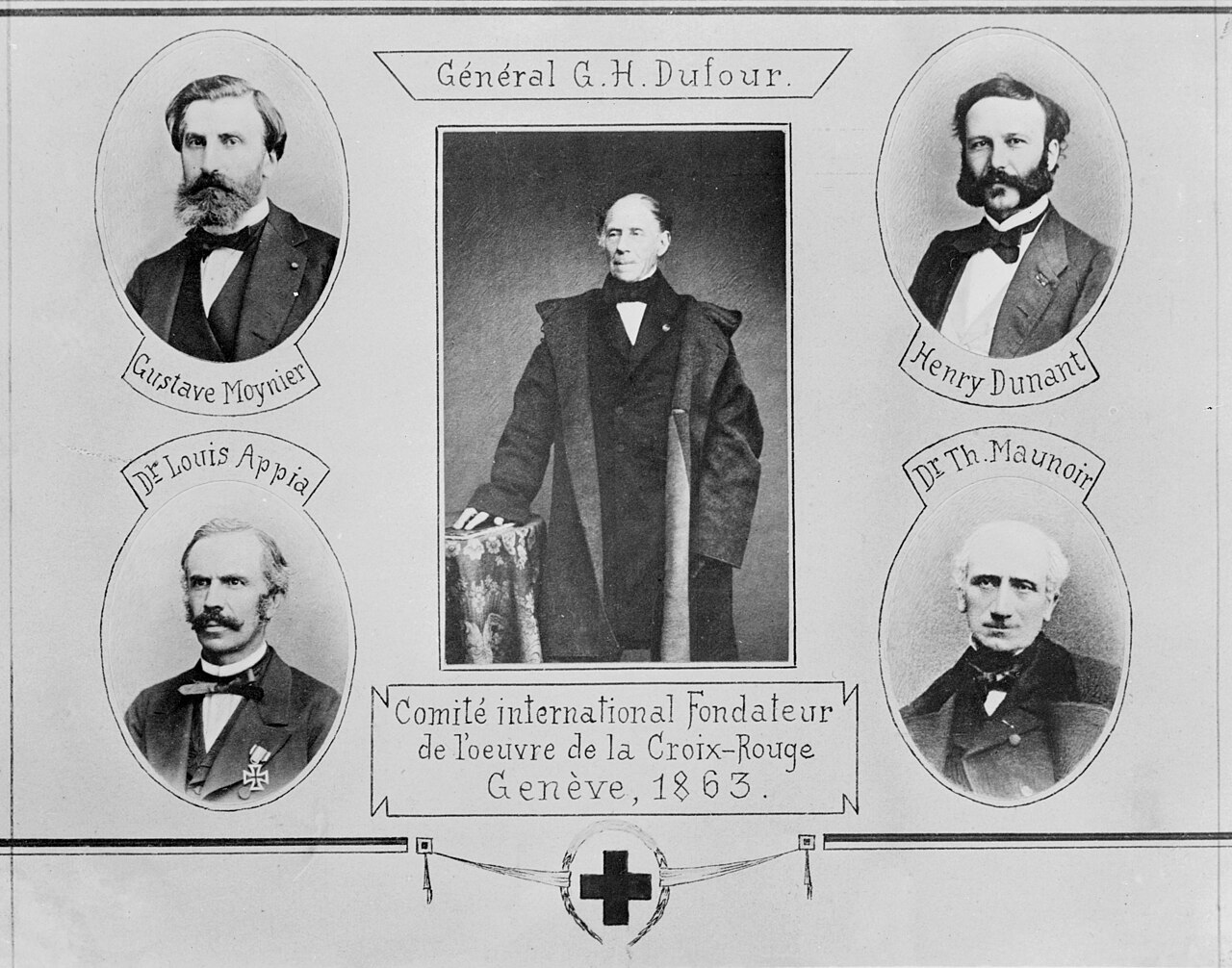
Daguerreotype Portrait of Guillaume Henri Dufour
Jean de Humnicki · c. 1850
Free account
Browse every Guillaume Henri Dufour source
Sign up free →
Ready when you are
Start chatting with Guillaume Henri Dufour now.
20 messages free · No credit card · Available in 50+ languages.