


Primary sourceSculptureMauryan period, 1st century BCE
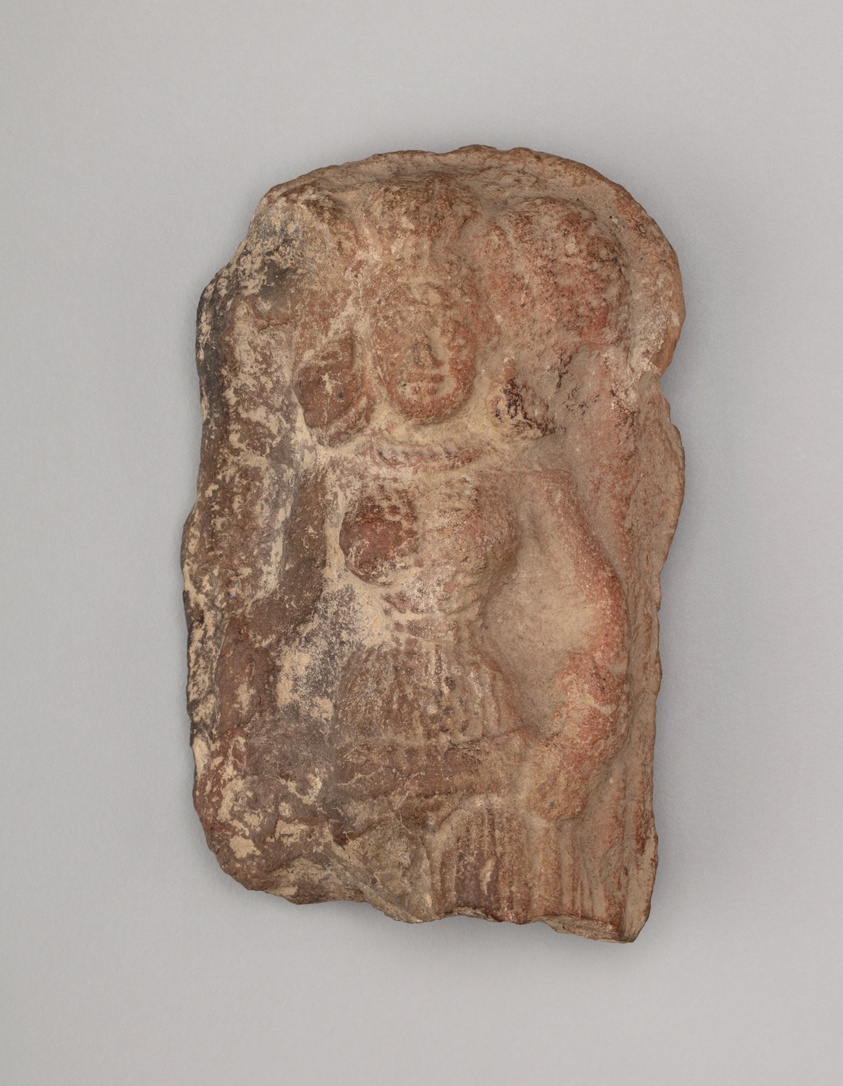
Woman with a Headdress
Mauryan period, 1st century BCE
A terracotta relief of a woman from the Mauryan period, showing the art and culture of the era Chandragupta Maurya's empire shaped.
This terracotta relief comes from the Mauryan period, the era of the empire Chandragupta Maurya founded.
About this source
What it is
This is a fragmentary terracotta relief from Mathura, India, dated to the Mauryan period, around the 1st century BCE. It shows a standing female figure in high relief wearing an elaborate headdress, though much of the head and upper body has worn away. It is held by the Art Institute of Chicago.
Why it matters
This object was made from molded red micaceous clay typical of the region. While it does not depict Chandragupta Maurya directly, it comes from the broader Mauryan period and offers insight into the art, fashion, and craftsmanship of the empire he founded.
Look closer
- What does the headdress suggest about status or fashion in Mauryan society?
- Why do you think only part of the figure survived?
- How might an object like this help historians understand daily life, even without a written record?
This sculpture is part of the curated material that grounds the AI version of Chandragupta Maurya on Humy.ai — when students ask about related events, the AI can quote it and cite it.
More Chandragupta Maurya sources
Meet the AI Chandragupta Maurya →Secondary source
Arthashastra
Chanakya (traditional attribution) · c. 1st–3rd century CE (traditionally attributed to Chanakya, c. 300 BCE)
 Document
Secondary source
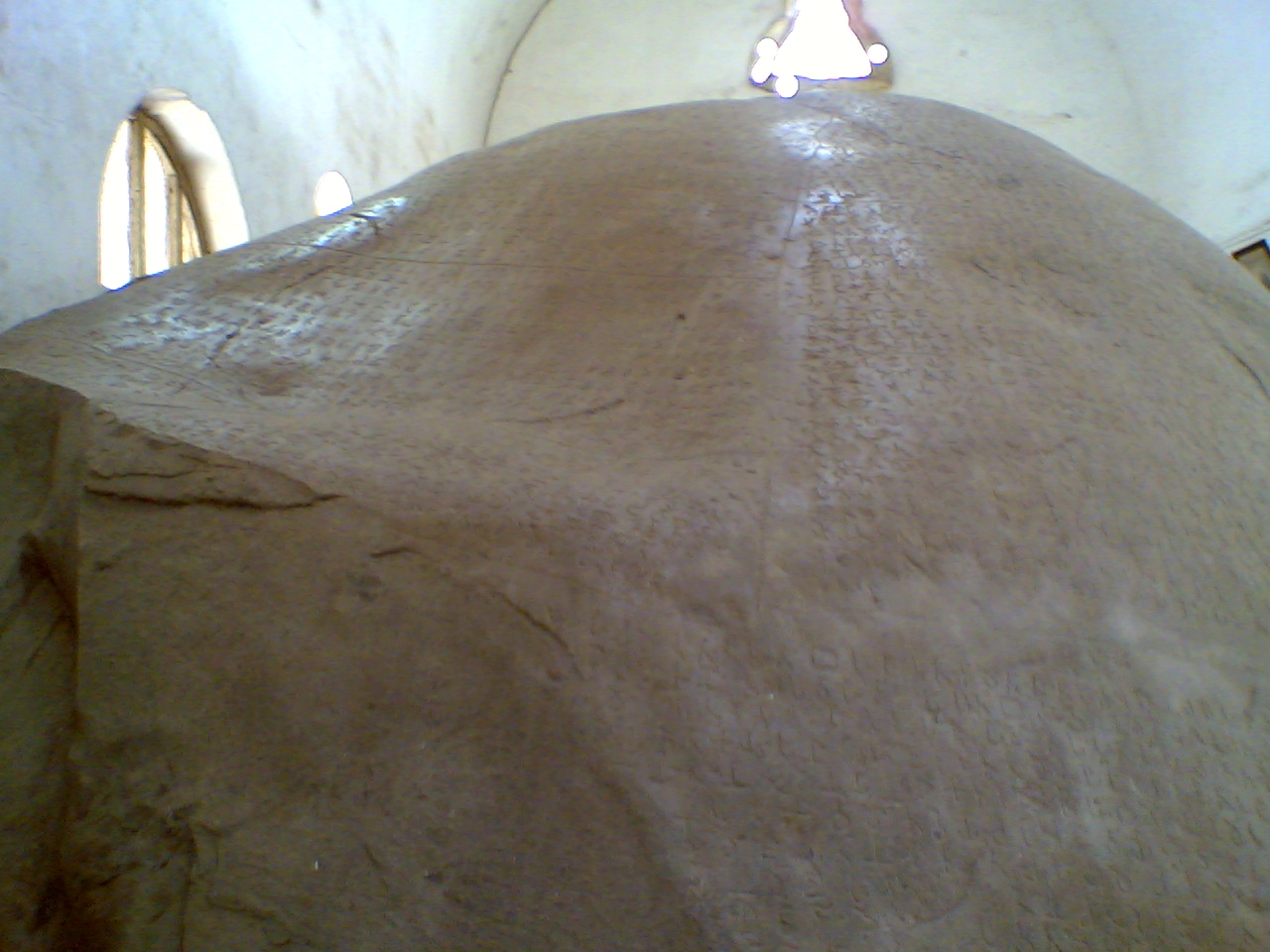
Junagadh Rock Inscription of Rudradaman
Rudradaman I (commissioner) · shortly after 150 CE
 Book
Secondary source
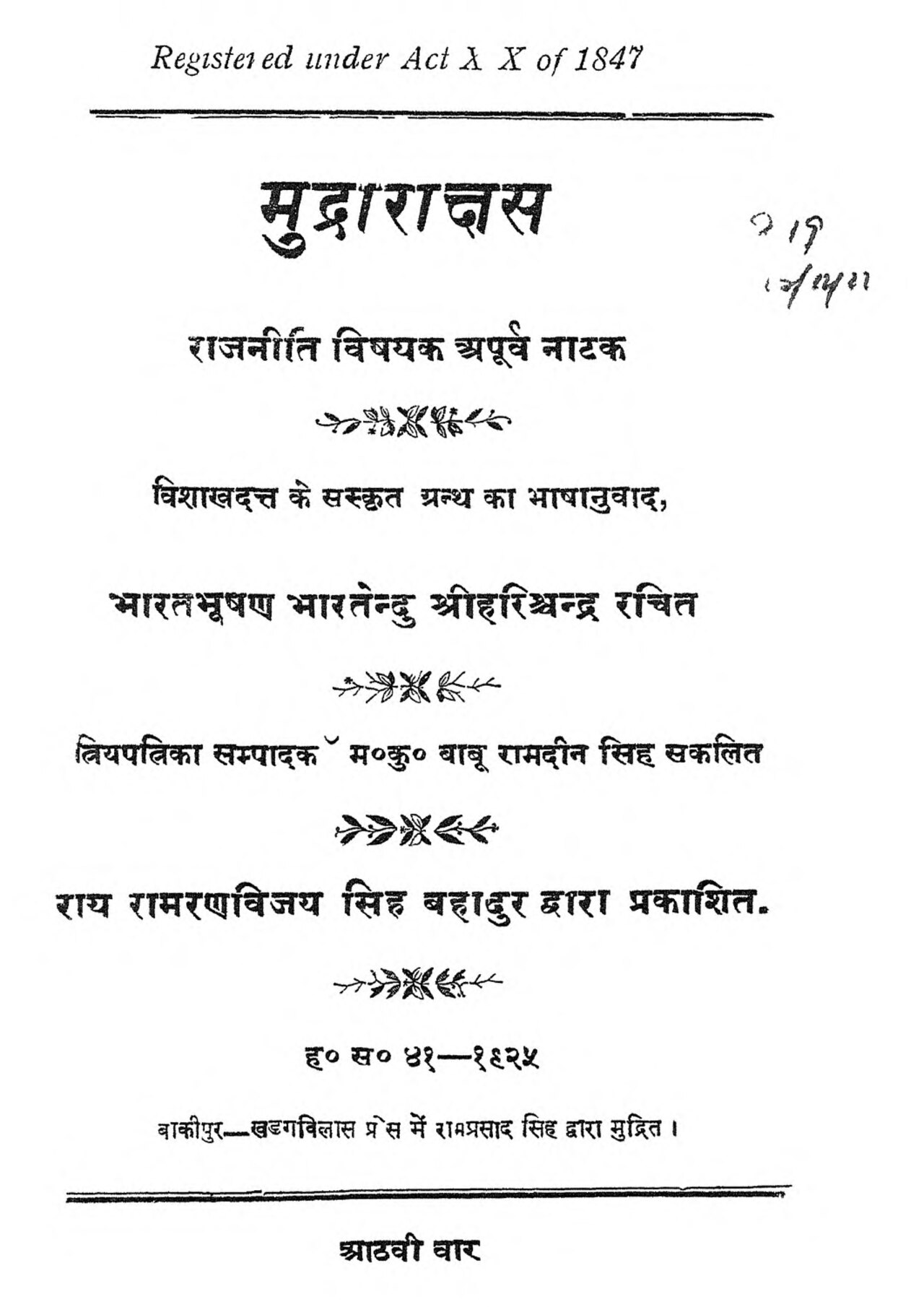
Mudrarakshasa
Vishakhadatta · between the 4th and 8th century CE
 Document
Primary source
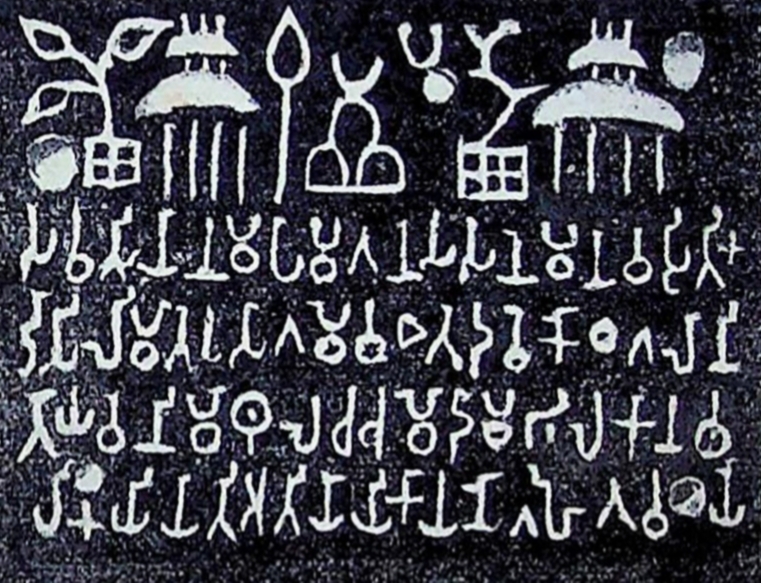
Sohgaura Copper Plate Inscription
3rd century BCE
 Document
Secondary source
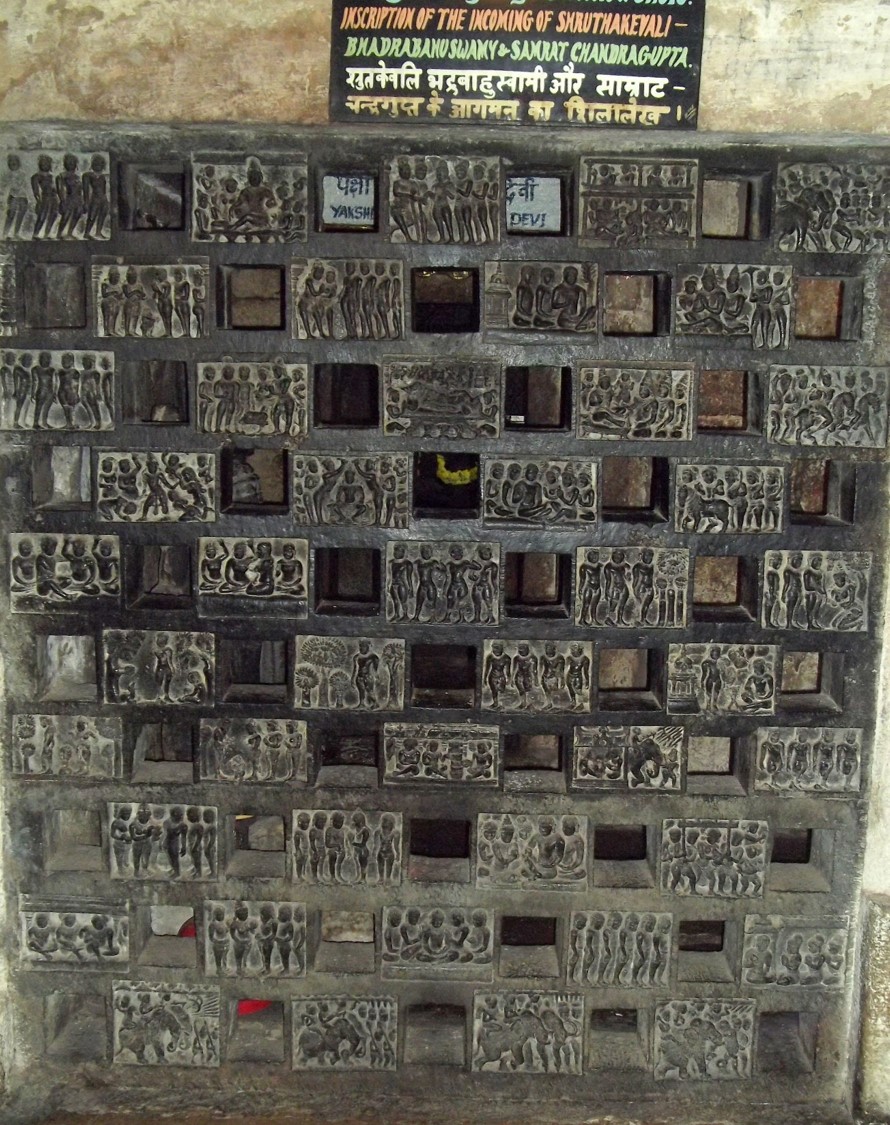
Shravanabelagola Inscription of Bhadrabahu and Chandragupta
Ready when you are
Start chatting with Chandragupta Maurya now.
20 messages free · No credit card · Available in 50+ languages.