


Primary sourceBookc. 450-425 BCE
Women of Trachis
Sophocles · c. 450-425 BCE
A tragedy by Sophocles centered on Deianeira, wife of Heracles, whose fatal mistake leads to tragedy for her whole family.
A tragedy by Sophocles showing his interest in female suffering and tragic irony, part of his surviving body of work.
About this source
What it is
Women of Trachis, also called the Trachiniae, is a tragedy by Sophocles, with scholars disagreeing about its exact date, generally placed sometime in the mid-5th century BCE. It is considered less developed in dramatic form than some of his other surviving plays.
Why it matters
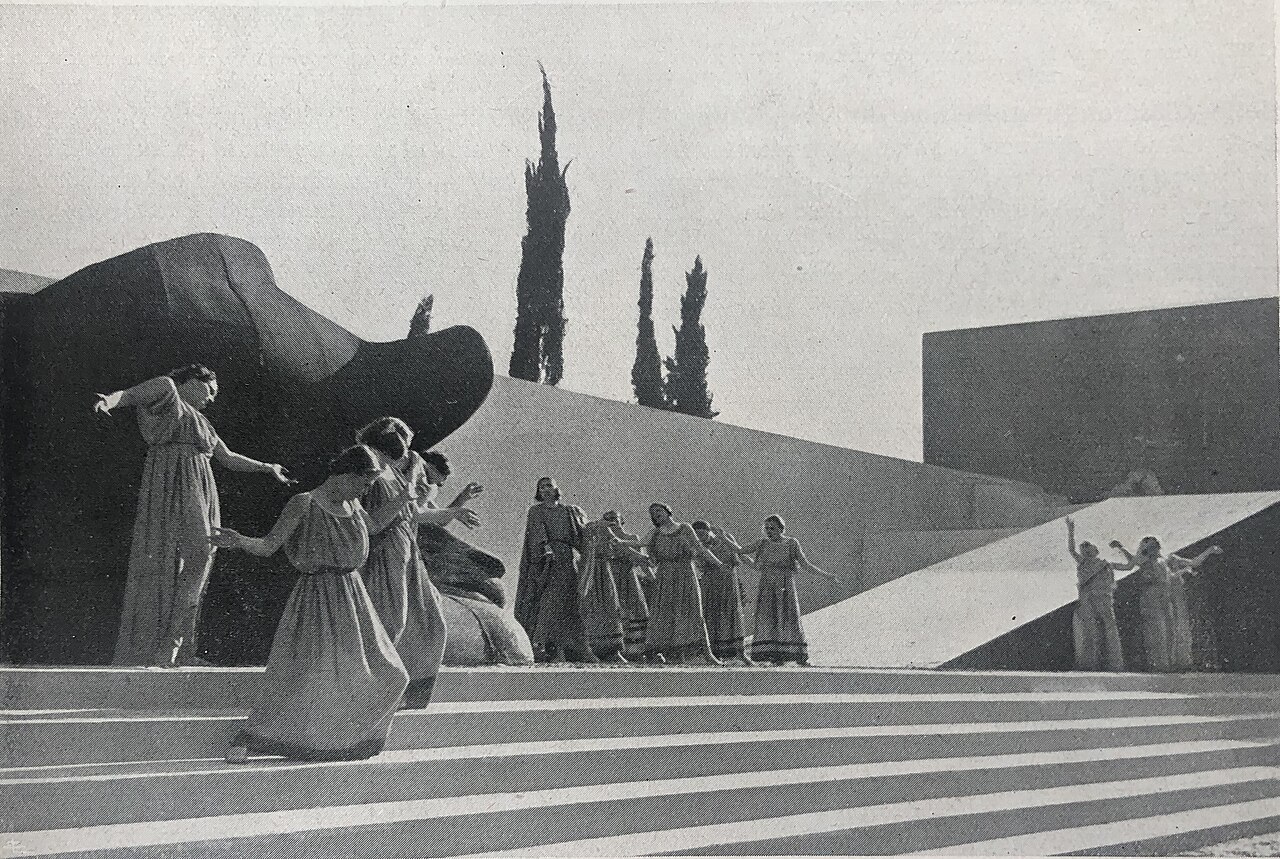
The play centers on Deianeira, wife of Heracles, who unknowingly poisons her husband while trying to win back his love, and then takes her own life in shame. It shows Sophocles' interest in female suffering, tragic irony, and the gap between intention and consequence, themes that recur across his work. A 1933 Italian stage production shown in surviving photographs demonstrates how the play continued to be performed long after antiquity.
Look closer
- Why might Sophocles have chosen to center this tragedy on Deianeira rather than Heracles?
- What does the play suggest about the dangers of acting on incomplete information?
- How does the 1933 photograph of a later production differ from how the play would have looked in ancient Athens?
This book is part of the curated material that grounds the AI version of Sophocles on Humy.ai — when students ask about related events, the AI can quote it and cite it.
More Sophocles sources
Meet the AI Sophocles →Primary source
Oedipus Rex
Sophocles · c. 429 BCE
Primary source
Antigone
Sophocles · c. 441 BCE
Primary source
Oedipus at Colonus
Sophocles · written shortly before 406 BCE; first performed 401 BCE
 Book
Secondary source
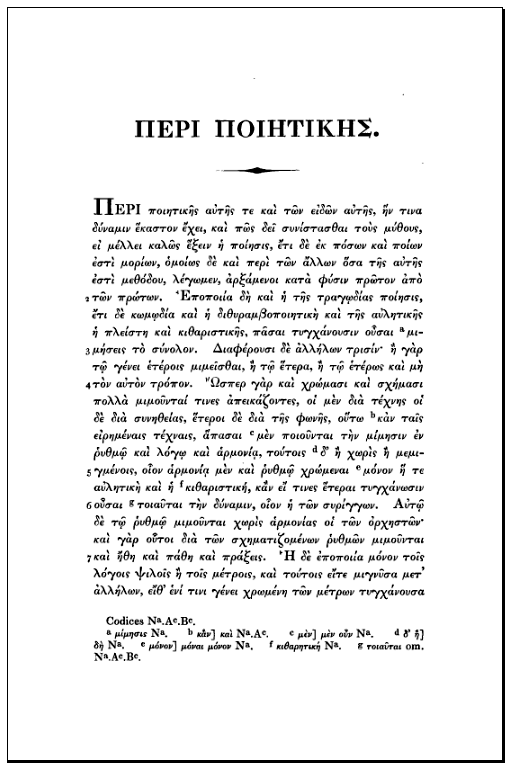
Poetics
Aristotle · c. 335 BCE
 Sculpture
Secondary source
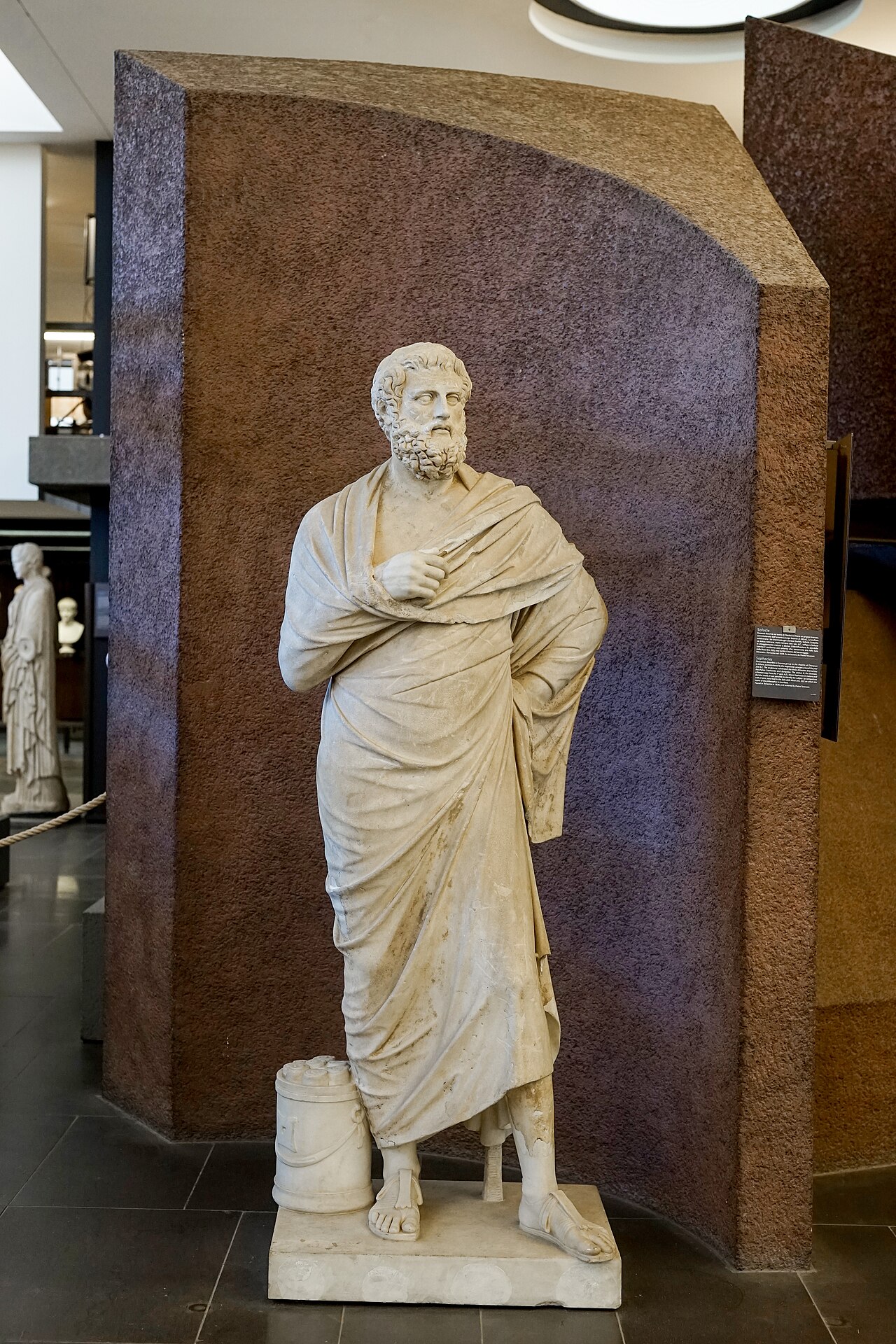
Statue of Sophocles (Lateran type)
Roman copy, 1st century CE, of a Greek original of the 4th century BCE
Ready when you are
Start chatting with Sophocles now.
20 messages free · No credit card · Available in 50+ languages.