


Primary sourceSculpturec. 1500 BCE
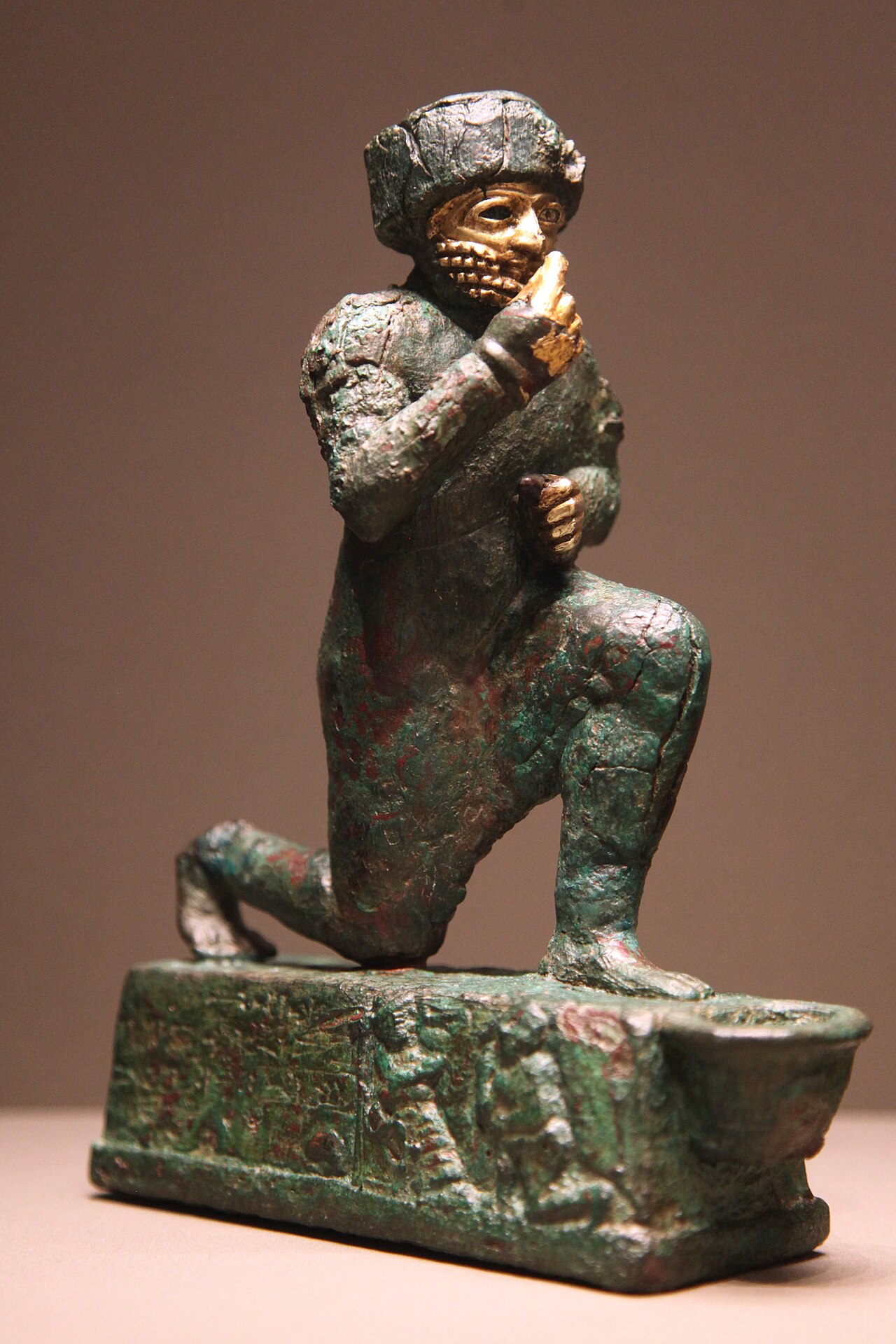
Worshipper of Larsa
Lu-Nanna · c. 1500 BCE
A bronze and gold statuette dedicated to the god Amurru for the life of King Hammurabi, from conquered Larsa.
This statuette was dedicated for the life of Hammurabi, showing loyalty to him from a conquered city.
About this source
What it is
This small copper statuette, with gilded face and hands, shows a kneeling bearded man making a gesture of prayer. It was dedicated by a man named Lu-Nanna to the god Amurru, patron of the Amorrites, for the life of King Hammurabi. It dates from the paleo-Babylonian era and is held at the Louvre.
Why it matters
The inscription names Hammurabi directly, asking for his life to be protected by the gods. It shows how people in Larsa, a city conquered by Hammurabi, expressed loyalty and devotion to their Babylonian king through religious offerings.
Look closer
- What does the kneeling pose and hand gesture tell you about the purpose of this object?
- Why would someone in a conquered city dedicate a statuette for the king's life?
- What does the inscription add that the image alone cannot show?
This sculpture is part of the curated material that grounds the AI version of Hammurabi on Humy.ai — when students ask about related events, the AI can quote it and cite it.
More Hammurabi sources
Meet the AI Hammurabi →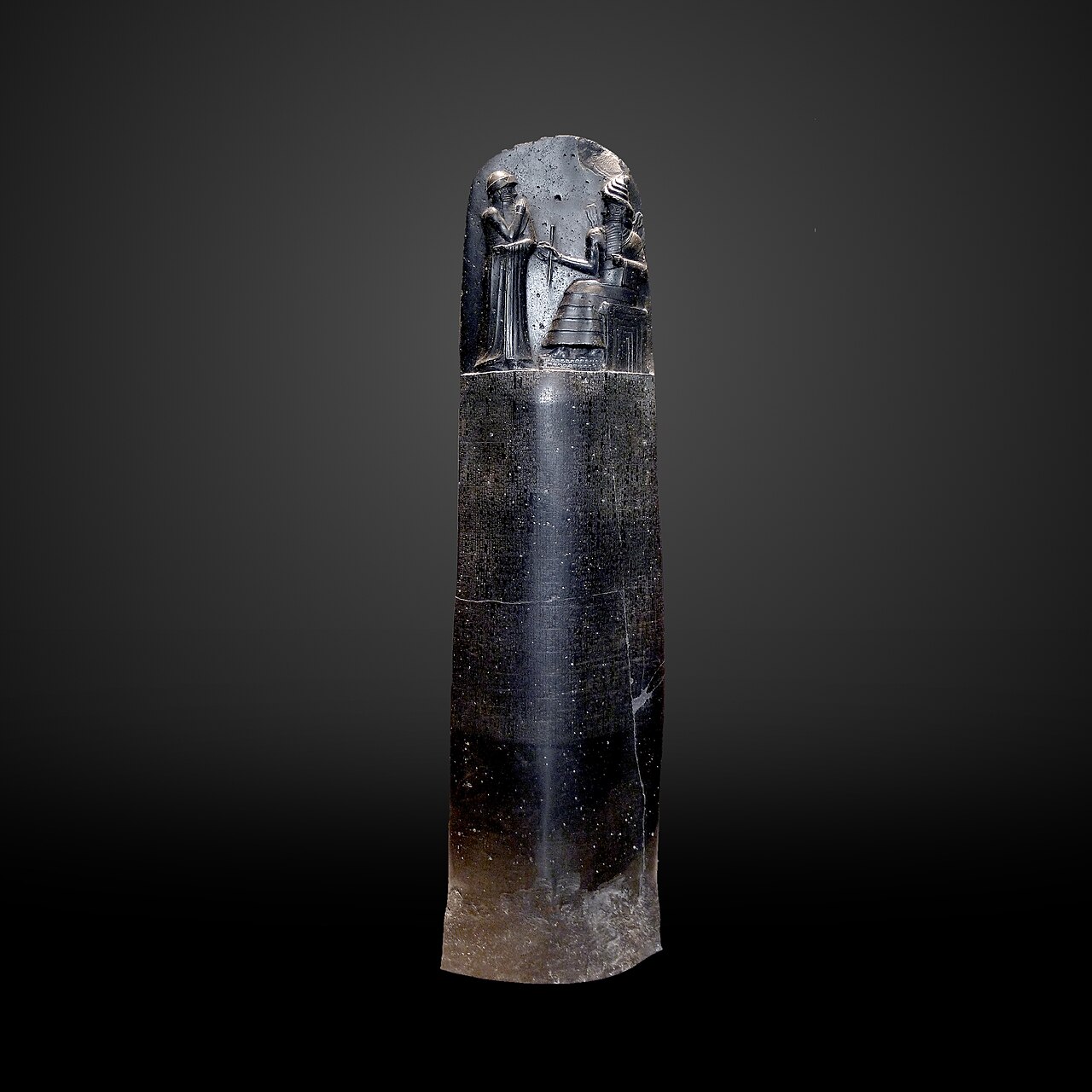 Document
Primary source
Code of Hammurabi
Hammurabi · c. 1753 BCE
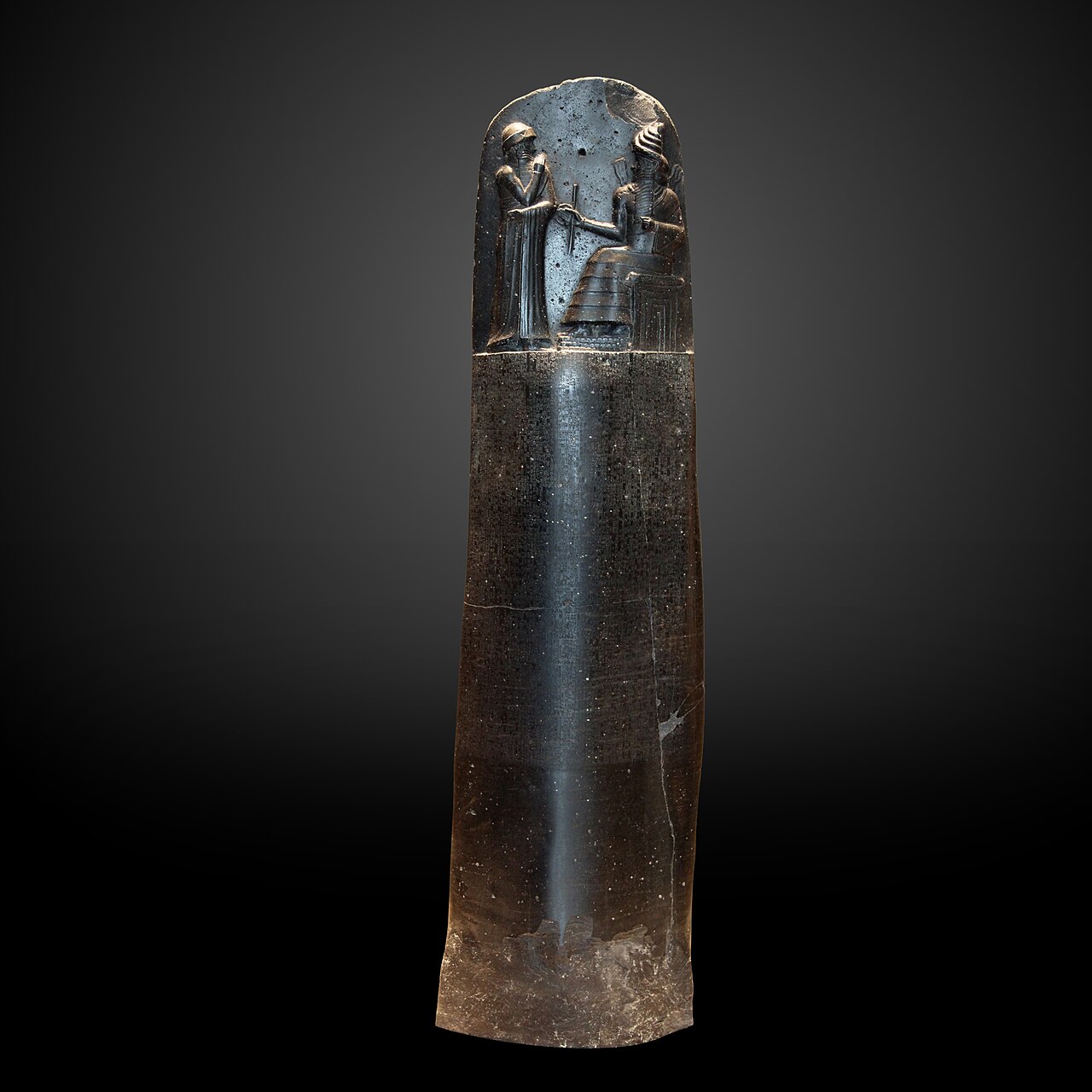 Sculpture
Primary source
Stele with the Code of Hammurabi
Hammurabi · c. 1792 BCE
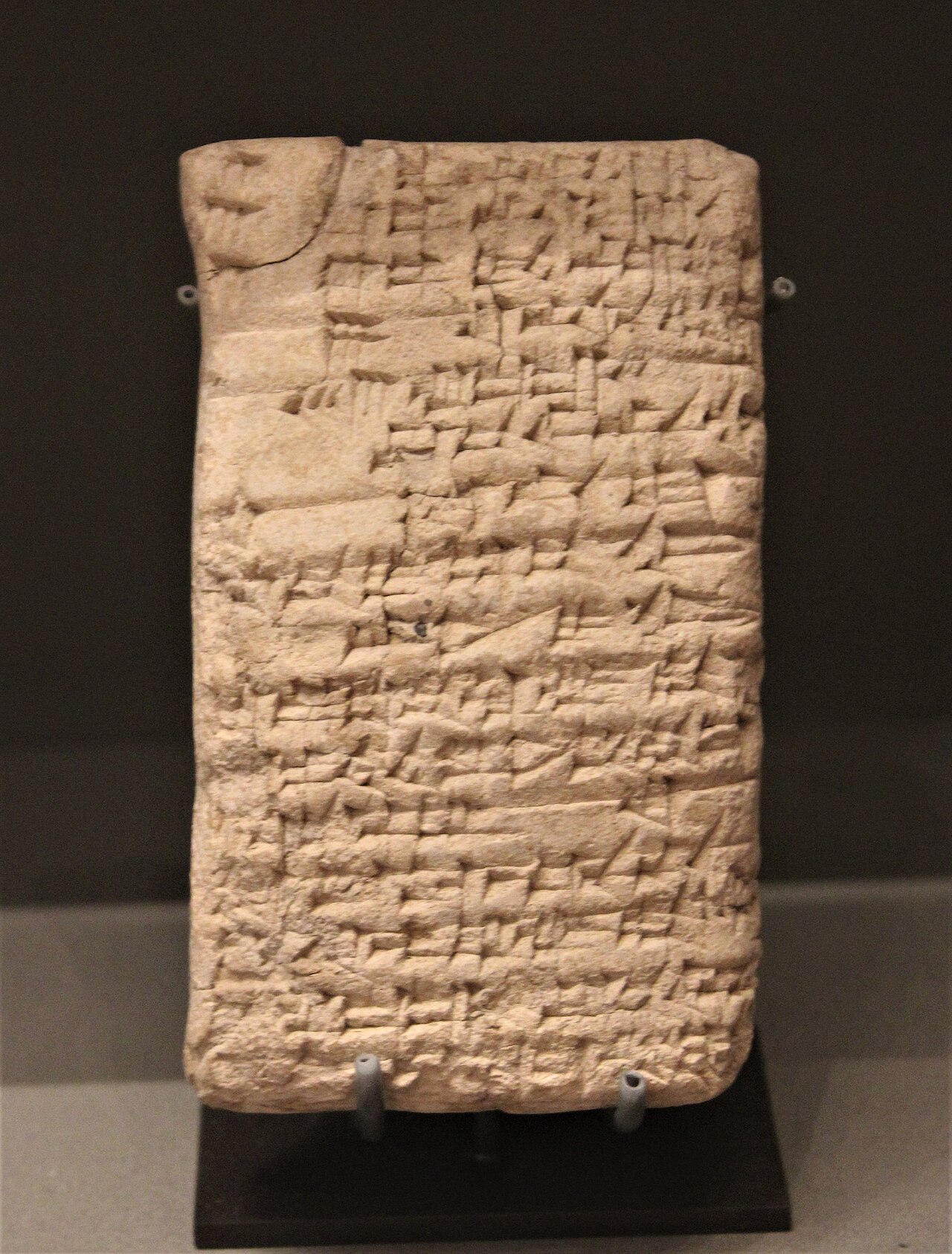 Letter
Primary source
Letter from Hammurabi to Sîn-iddinam
Hammurabi · c. 1792-1750 BCE
 Document
Primary source
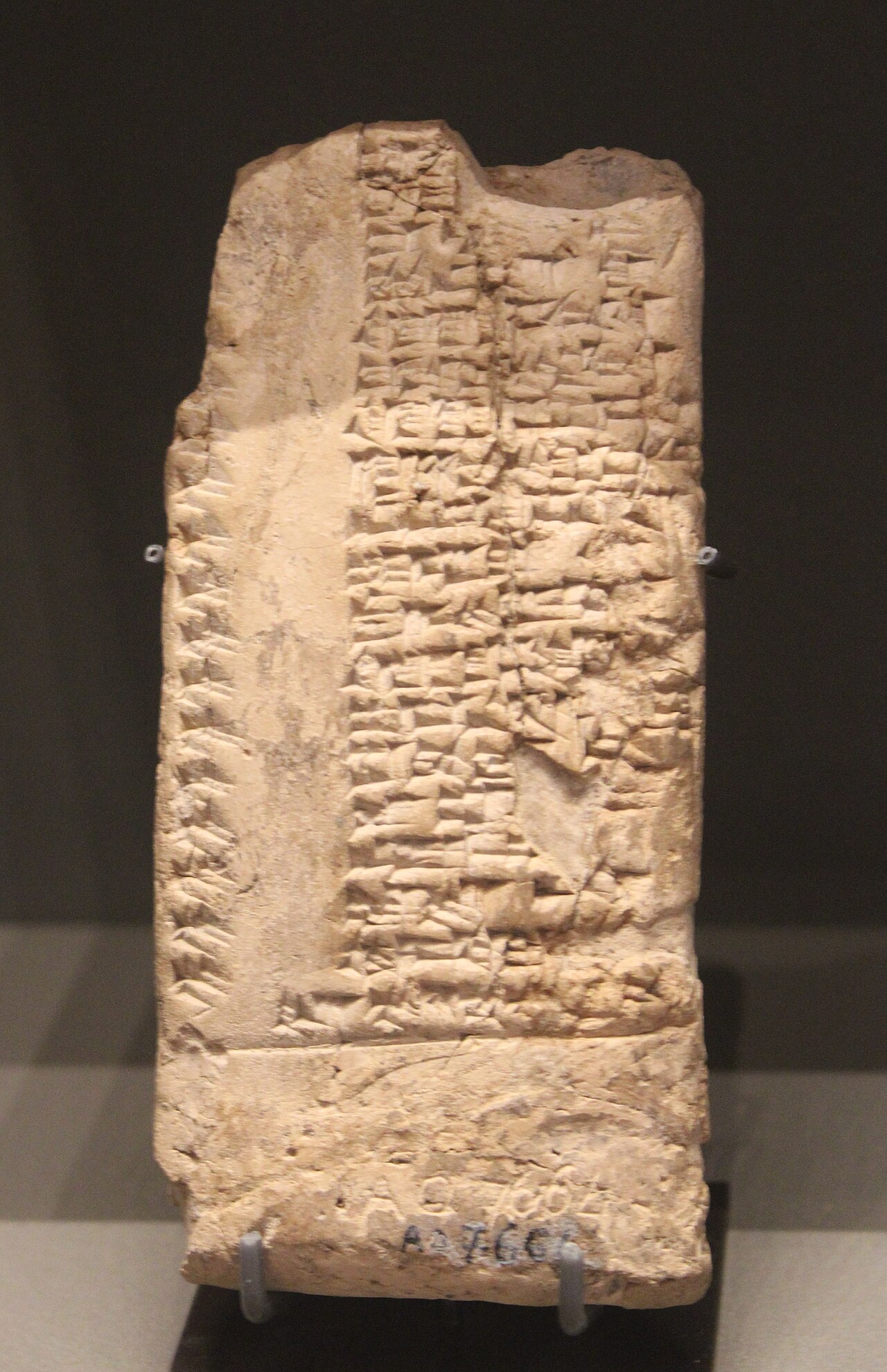
List of the year-names of Hammurabi's reign
Old Babylonian period, reign of Hammurabi (c. 1792-1750 BCE)
 Document
Secondary source
Chronicle of Early Kings
Babylonian scribes · c. 6th century BCE copy
Ready when you are
Start chatting with Hammurabi now.
20 messages free · No credit card · Available in 50+ languages.