


Secondary sourceBook3rd century BCE; this scroll before 1796
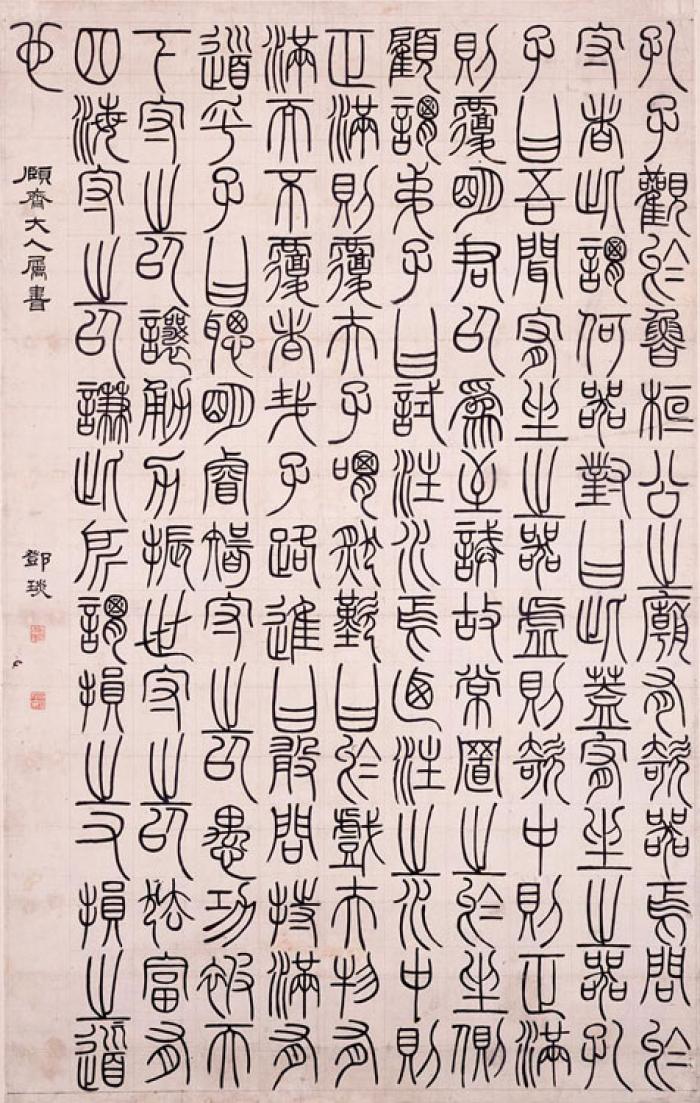
Xunzi
Xunzi · 3rd century BCE; this scroll before 1796
A philosophical text by the Confucian thinker Xunzi that presents a sterner image of Confucius, including the story of his execution of Shaozheng Mao.
Presents a sterner, more critical image of Confucius, including an account of his execution of a rival.
About this source
What it is
The Xunzi is a collection of philosophical writings attributed to Xun Kuang, a 3rd-century BCE thinker in the Confucian tradition. It covers topics such as ritual, music, government, and human nature, and was redacted into its current form in the Han dynasty before later commentary fixed the text further.
Why it matters
Xunzi built on and reinterpreted Confucius' ideas, arguing that human nature is inclined toward selfishness and must be shaped by ritual and education, unlike Mencius who argued people are naturally good. The text shows how later Confucians disagreed about Confucius' own teachings and developed them in different, sometimes harsher, directions.
Look closer
- How does Xunzi's view of human nature compare with what you know of Confucius' own teaching?
- Why might later Confucians disagree about what Confucius actually meant?
- What does it mean that this text was copied, lost, and reconstructed over centuries?
This book is part of the curated material that grounds the AI version of Confucius on Humy.ai — when students ask about related events, the AI can quote it and cite it.
More Confucius sources
Meet the AI Confucius →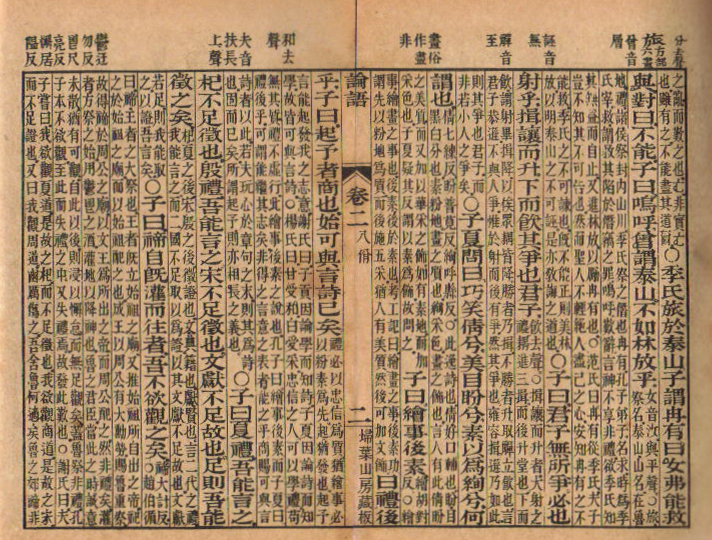 Book
Secondary source
Analects
c. 480 BCE – 2nd century BCE
 Book
Secondary source
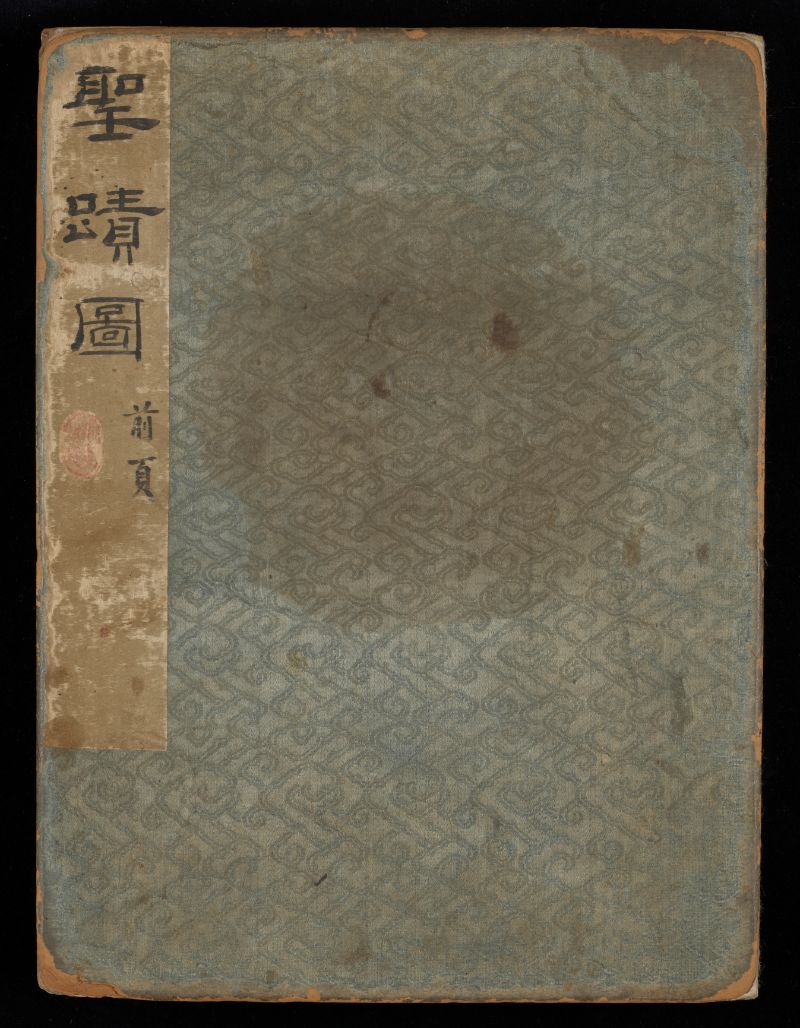
Pictures of the Sage's Traces
Unknown · 1758
Secondary source
Records of the Grand Historian, Vol. 47: Hereditary House of Confucius
Sima Qian · c. 94 BCE
 Photograph
Primary source
Temple of Confucius, Peking (Interior)
John Thomson · 1871
 Document
Secondary source
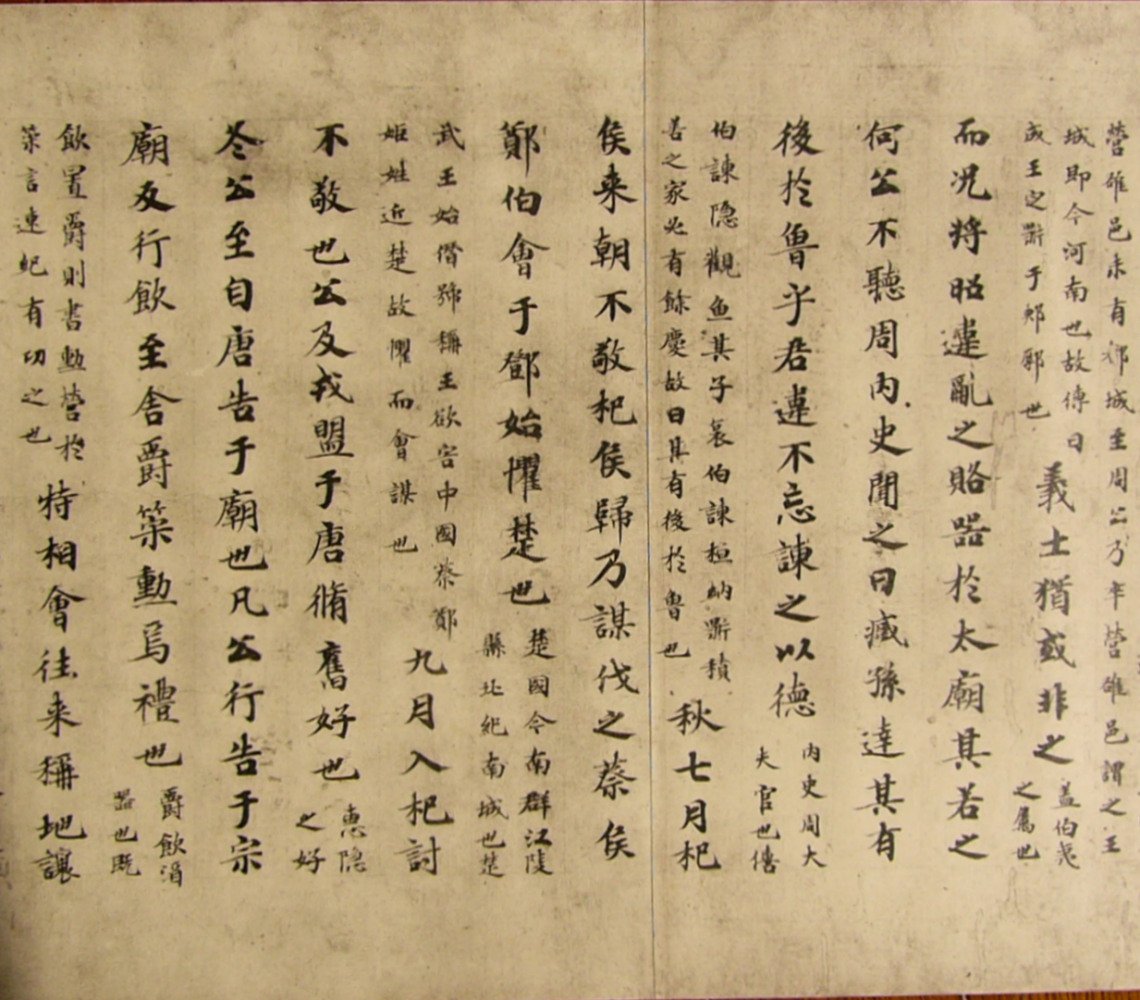
Spring and Autumn Annals
Confucius · 5th century BCE
Ready when you are
Start chatting with Confucius now.
20 messages free · No credit card · Available in 50+ languages.