


Primary sourcePaintingc. 1810-1814 (published 1863)
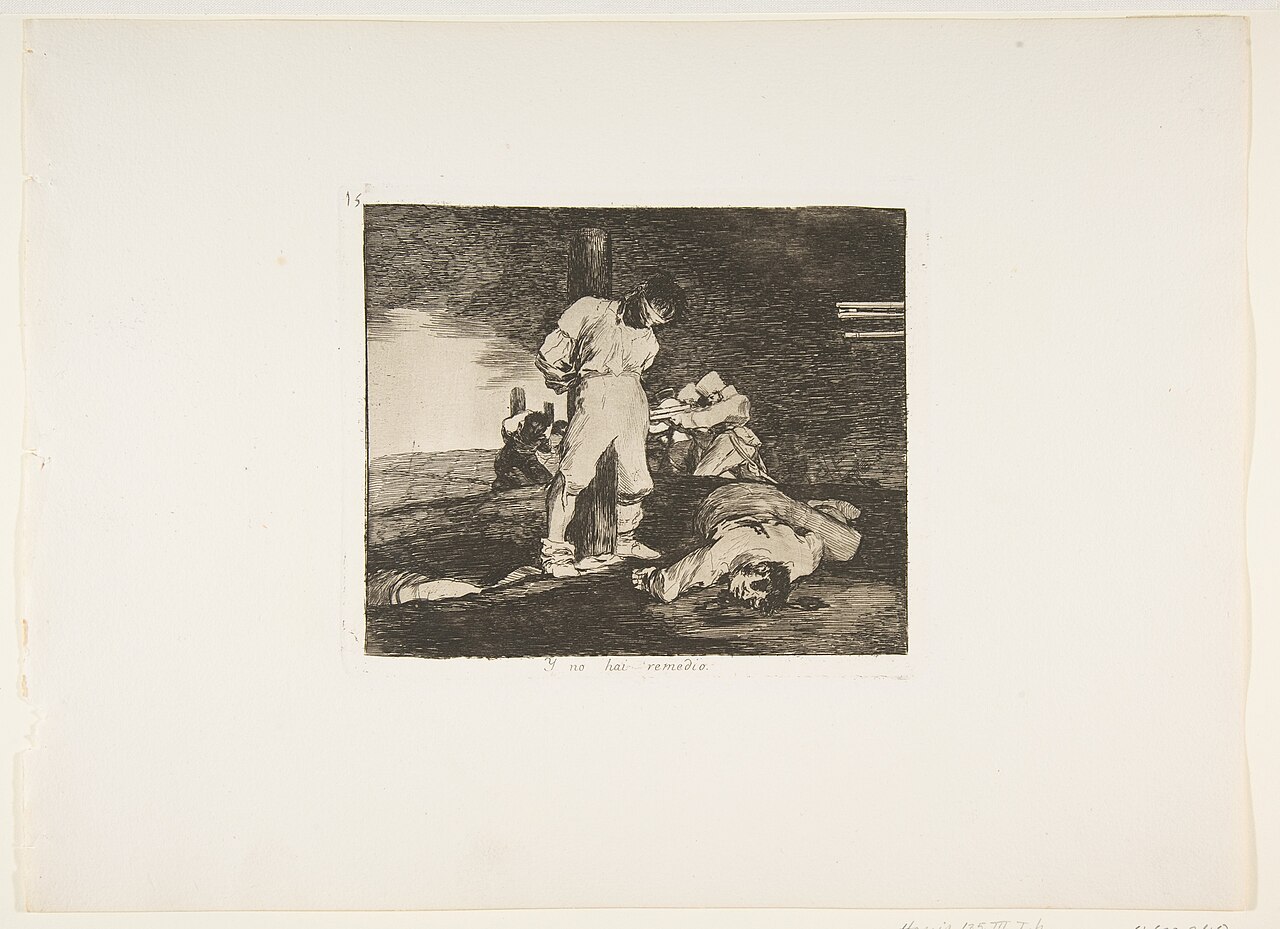
Y no hai remedio
Francisco de Goya · c. 1810-1814 (published 1863)
A plate from Goya's Disasters of War showing a blindfolded prisoner about to be executed, foreshadowing The Third of May.
Goya made this etching as part of his private visual record of the war's atrocities, closely linked to his painting of the Third of May.
About this source
What it is
An etching by Francisco Goya, plate 15 of his series The Disasters of War, made around 1810-1814 and published in 1863. Copies are held in print rooms including the Metropolitan Museum of Art and the Biblioteca Nacional de España.
Why it matters
This print shows a man about to be shot, his head bowed against a post, with bodies already on the ground nearby. It is closely connected to Goya's painting The Third of May 1808, sharing the same subject of civilians facing execution. It is often studied closely because of how directly it communicates the terror of war without heroics.
Look closer
- What details tell you this man knows what is about to happen to him?
- How does the composition direct your eye toward the victim rather than the executioners?
- Why do you think Goya titled it 'And There's Nothing to Be Done'?
This painting is part of the curated material that grounds the AI version of Francisco Goya on Humy.ai — when students ask about related events, the AI can quote it and cite it.
More Francisco Goya sources
Meet the AI Francisco Goya →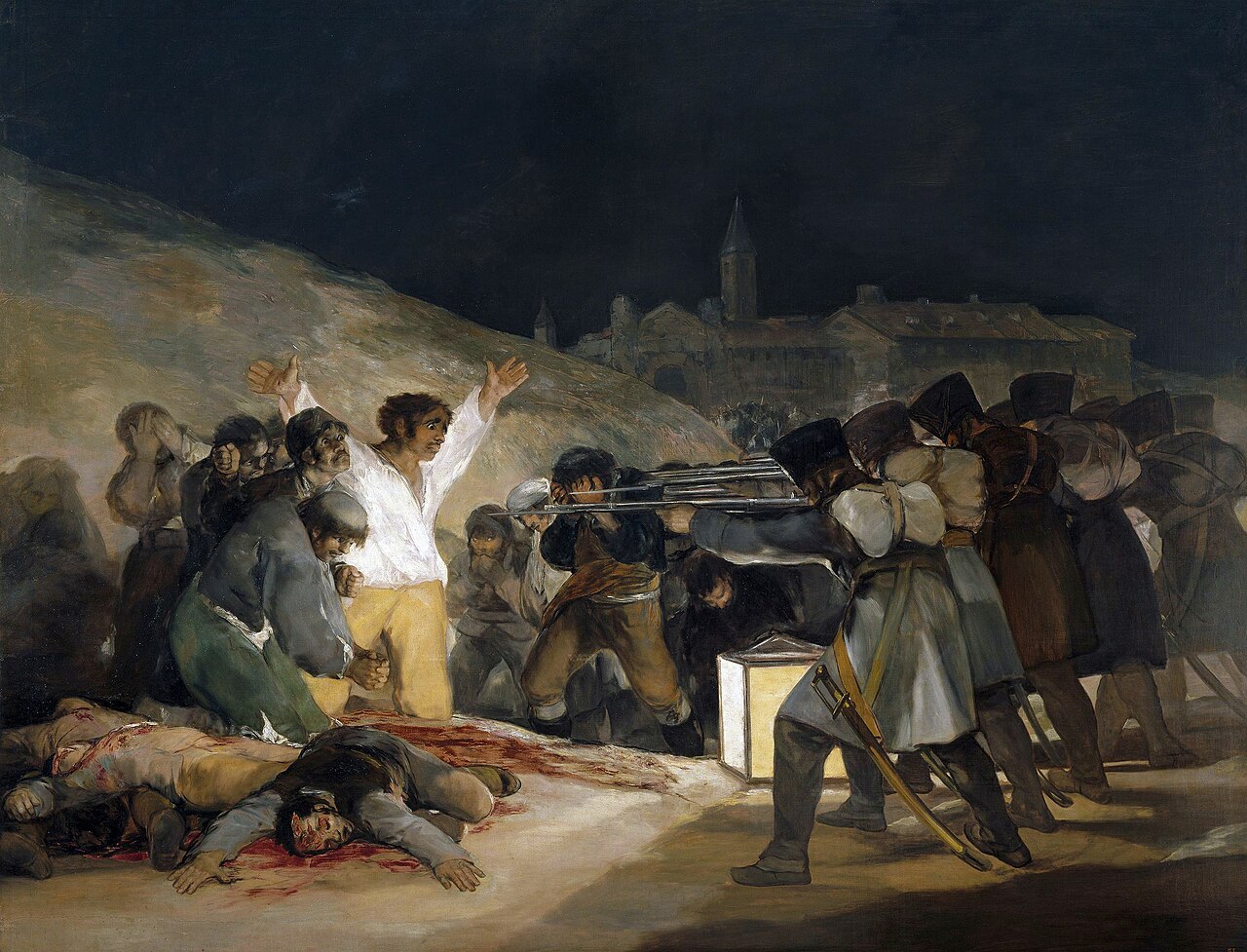 Painting
Secondary source
The Third of May 1808
Francisco Goya · 1814
 Painting
Primary source
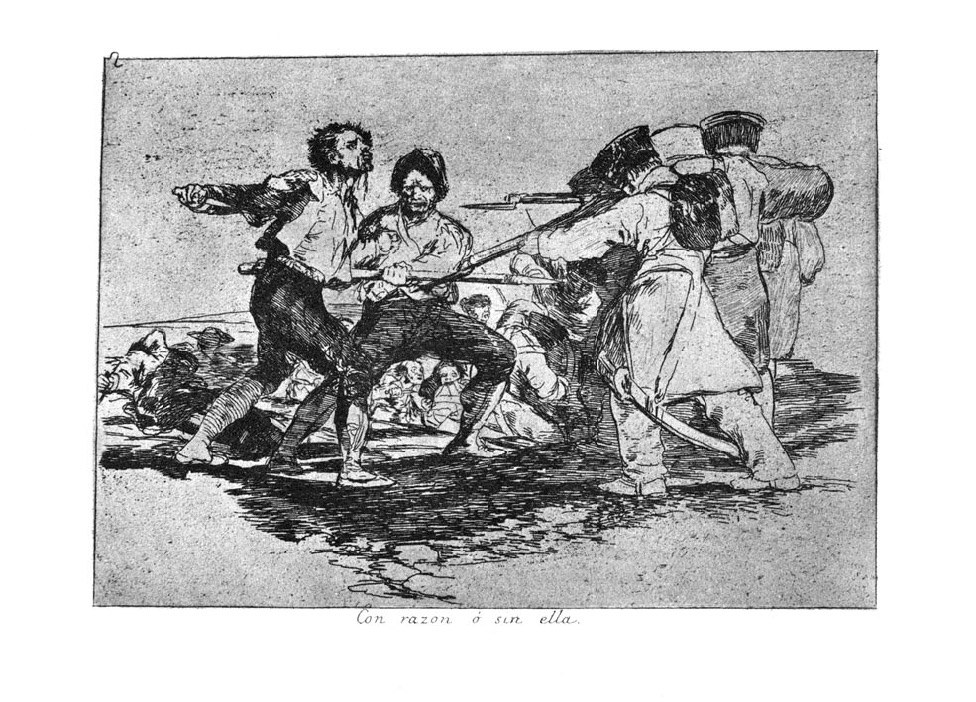
The Disasters of War
Francisco Goya · 1810-1820
 Painting
Primary source
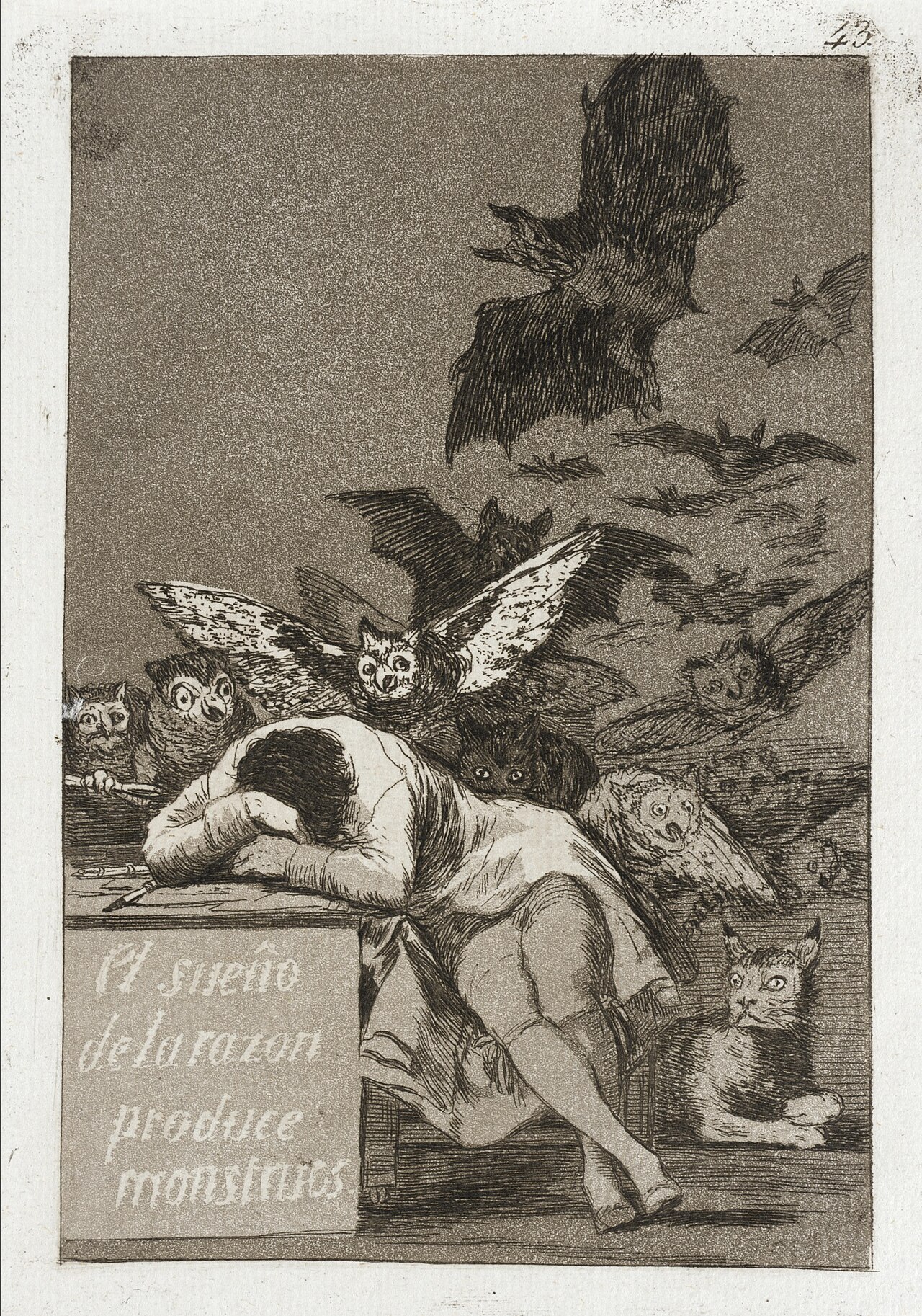
Caprichos
Francisco Goya · 1799 (created 1797-1798)
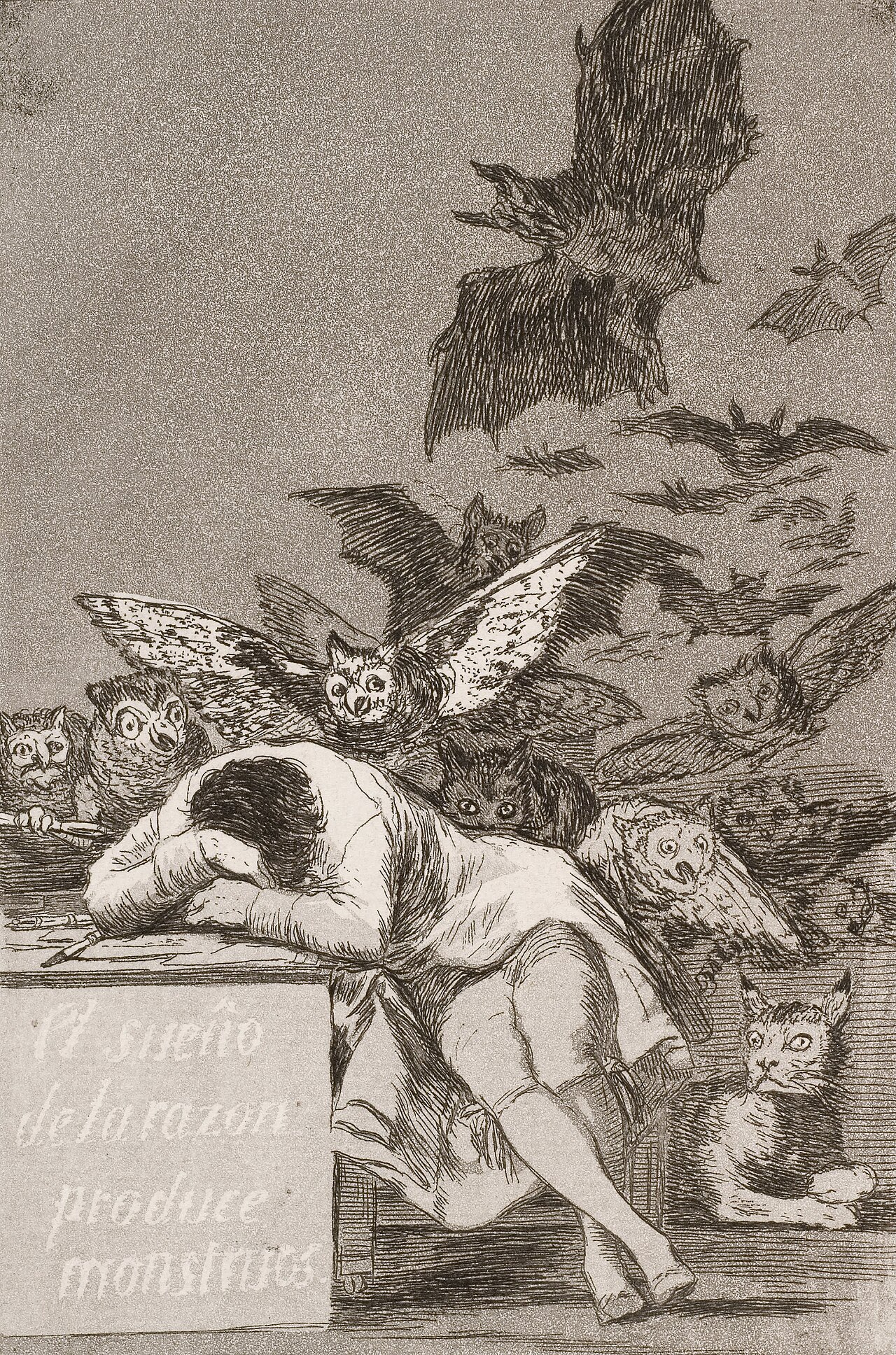 Painting
Primary source
The Sleep of Reason Produces Monsters
Francisco Goya · 1797-1799
 Painting
Primary source
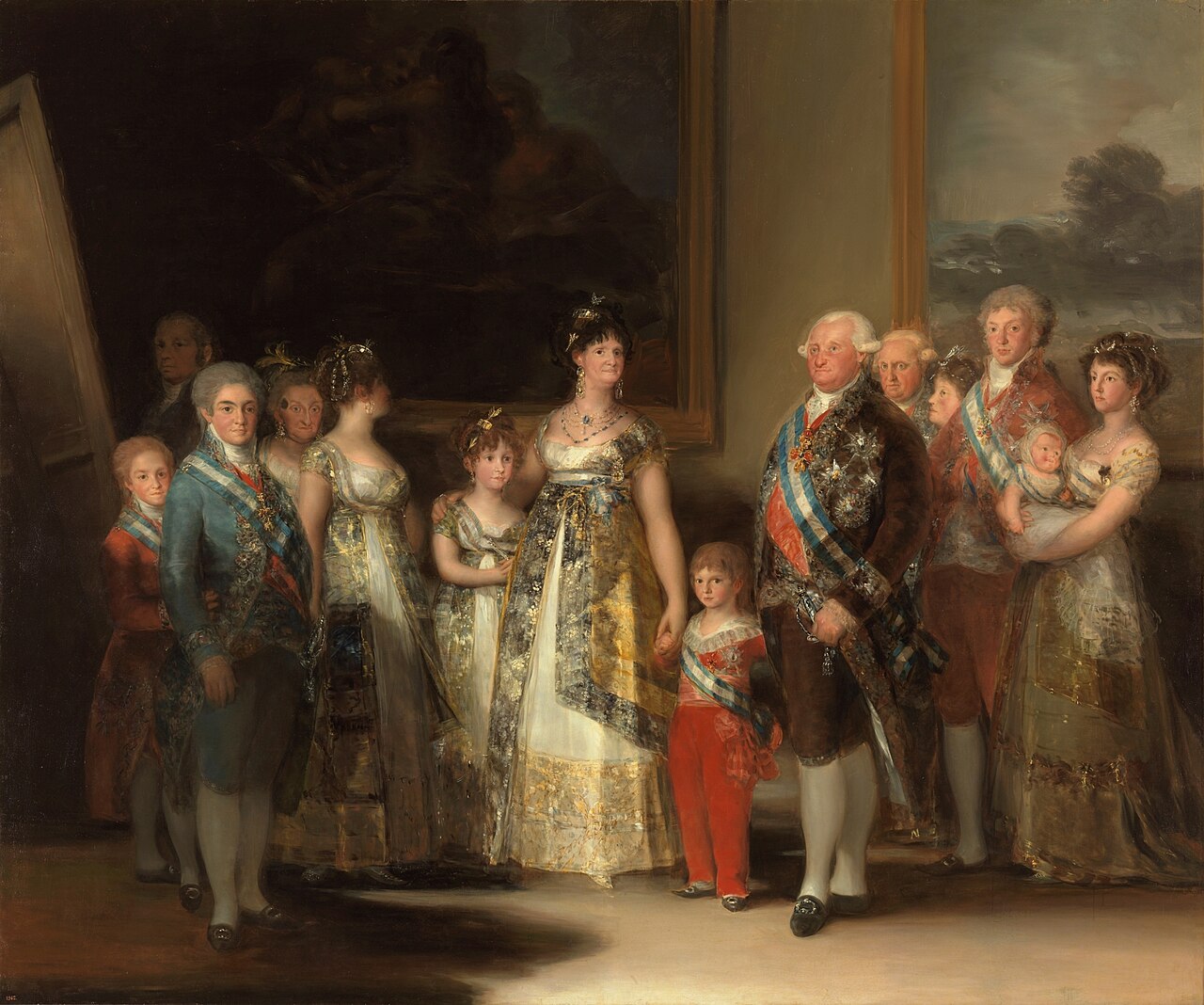
Charles IV of Spain and His Family
Francisco Goya · 1800-1801
Ready when you are
Start chatting with Francisco Goya now.
20 messages free · No credit card · Available in 50+ languages.