


Primary sourceArtifactTetrarchic period (per curator's note)
Yotvata Inscription Naming Diocletian and Maximian
Tetrarchic period (per curator's note)
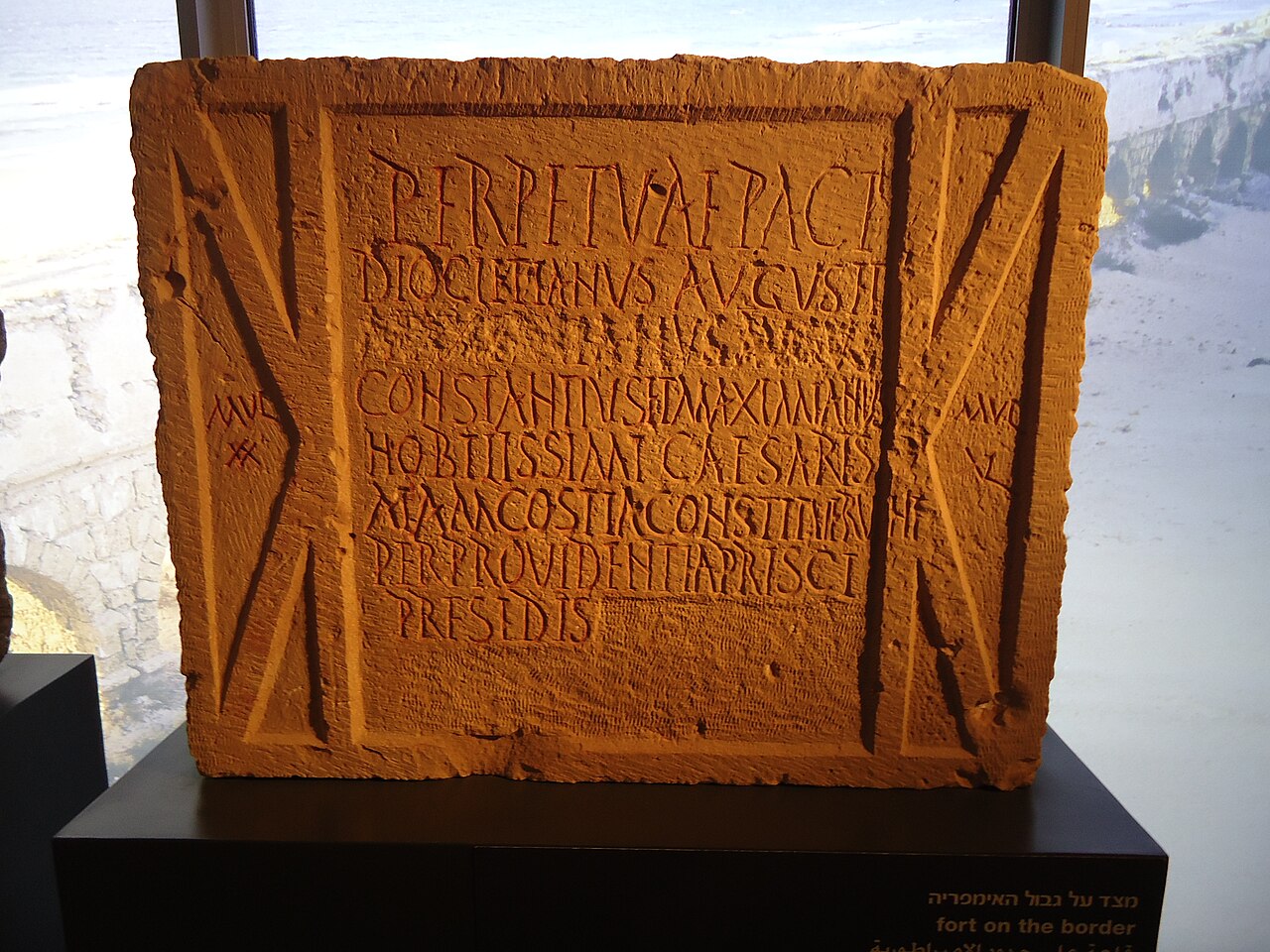
A Latin boundary marker from Yotvata, in modern Israel, that names Diocletian and Maximian as Augusti. It is a public record of the tetrarchic rulers and their governor.
The inscription names Diocletian as an Augustus alongside Maximian, showing his place in the shared rule of the tetrarchy.
About this source
What it is
This is a reddish sandstone Roman inscription block, a boundary marker, shown in a museum case. Its Latin text is dedicated to lasting peace and names Diocletian and Maximian as Augusti, with Constantius and Maximianus as noble Caesars. It records that a unit called Costia was set up through the work of the governor Priscus of the province of Syria Palaestina. The photograph shows the carved letters, a decorative incised border and a Hebrew and English label at the base. The text is listed in several reference catalogues of Latin inscriptions.
Why it matters
The stone shows how the rulers of the tetrarchy presented their power in public. It names more than one emperor and more than one Caesar, which reflects the shared system of government. It also shows that the empire's rulers were honoured in its provinces far from the capitals, and that local governors carried out their orders on the ground.
Look closer
- Who is named on the stone, and what roles do the different names suggest?
- Why might a boundary marker carry a message about peace?
- What does the text leave out, such as the people who did the physical work or lived near the boundary?
This artifact is part of the curated material that grounds the AI version of Diocletian on Humy.ai — when students ask about related events, the AI can quote it and cite it.
More Diocletian sources
Browse all 92 →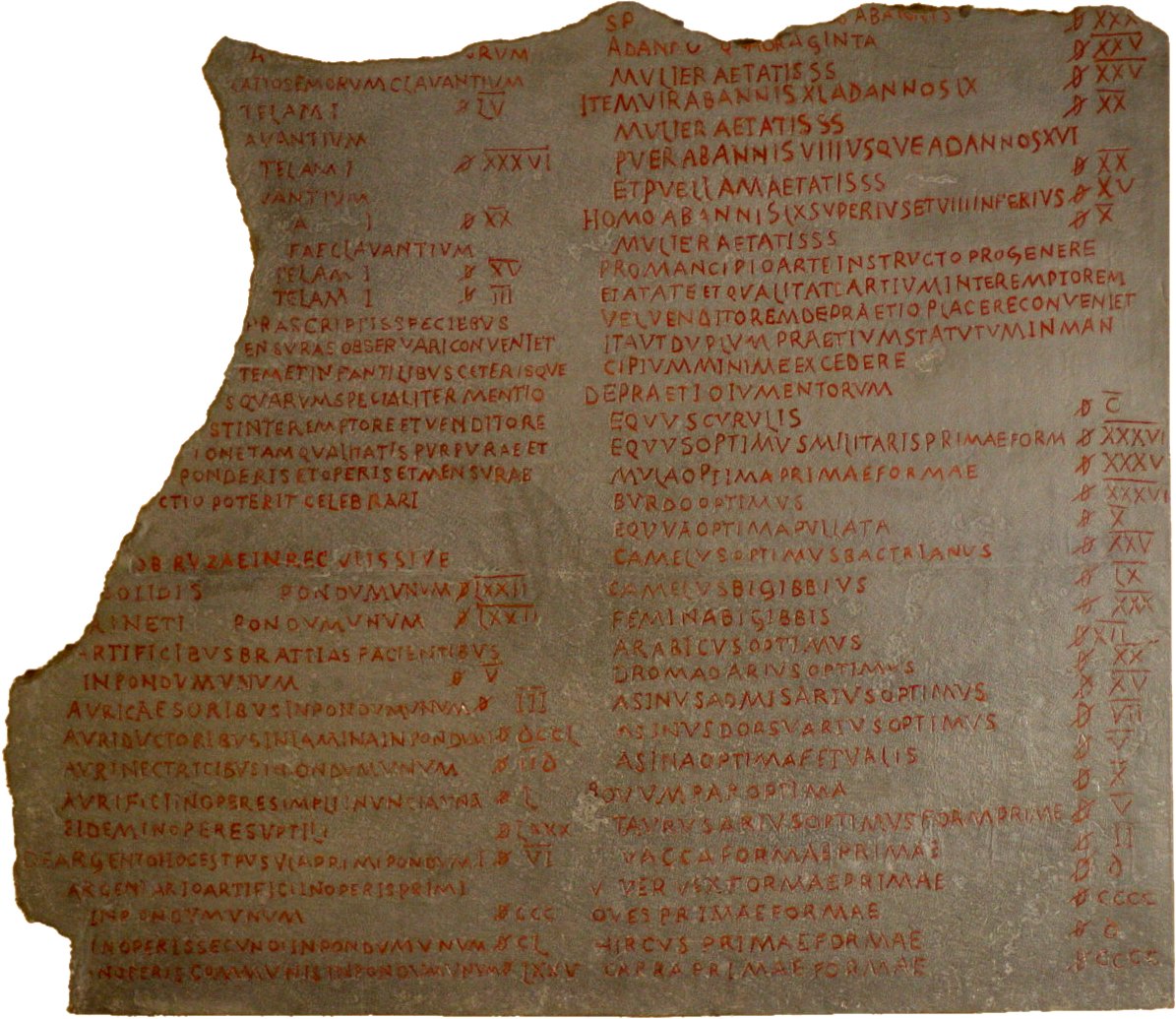 Document
Primary source
Edict on Maximum Prices
Diocletian · 301
 Artifact
Primary source
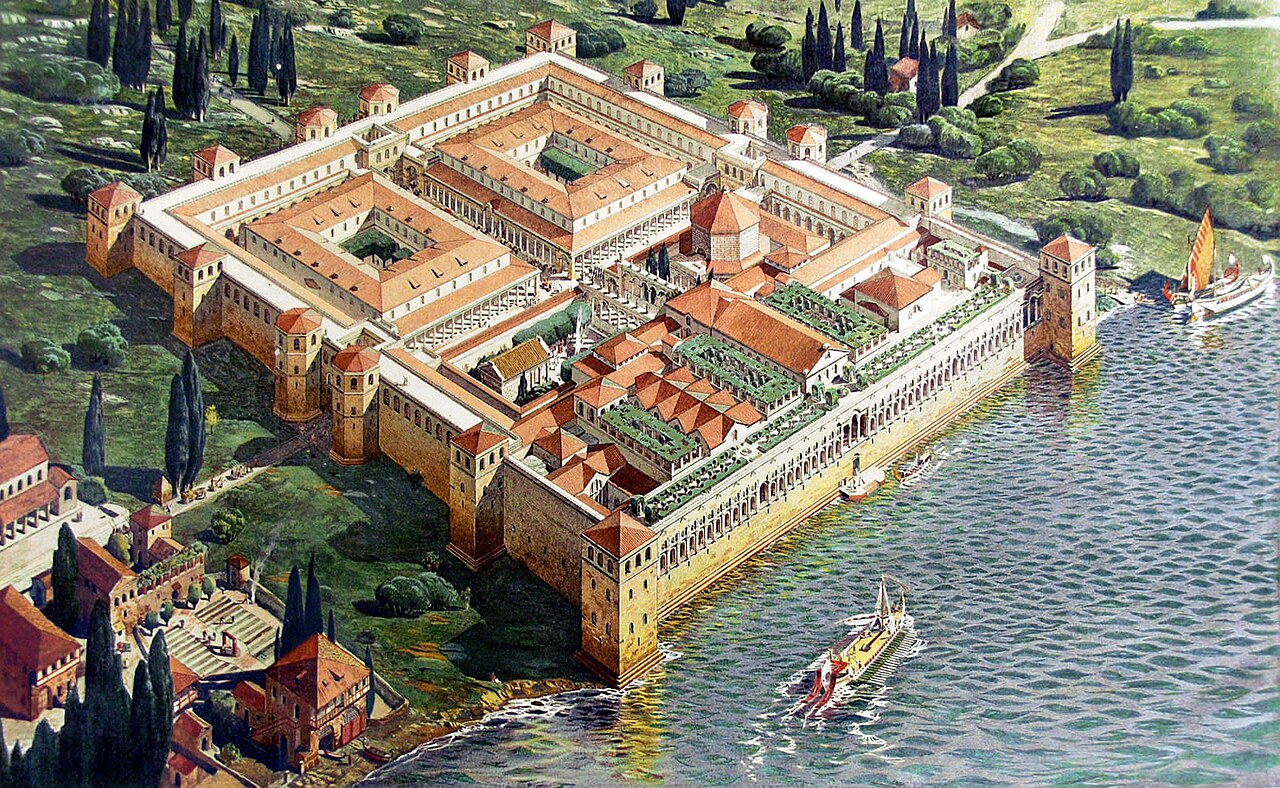
Diocletian's Palace
293
 Book
Secondary source
De mortibus persecutorum
Lactantius · after 316
 Sculpture
Primary source
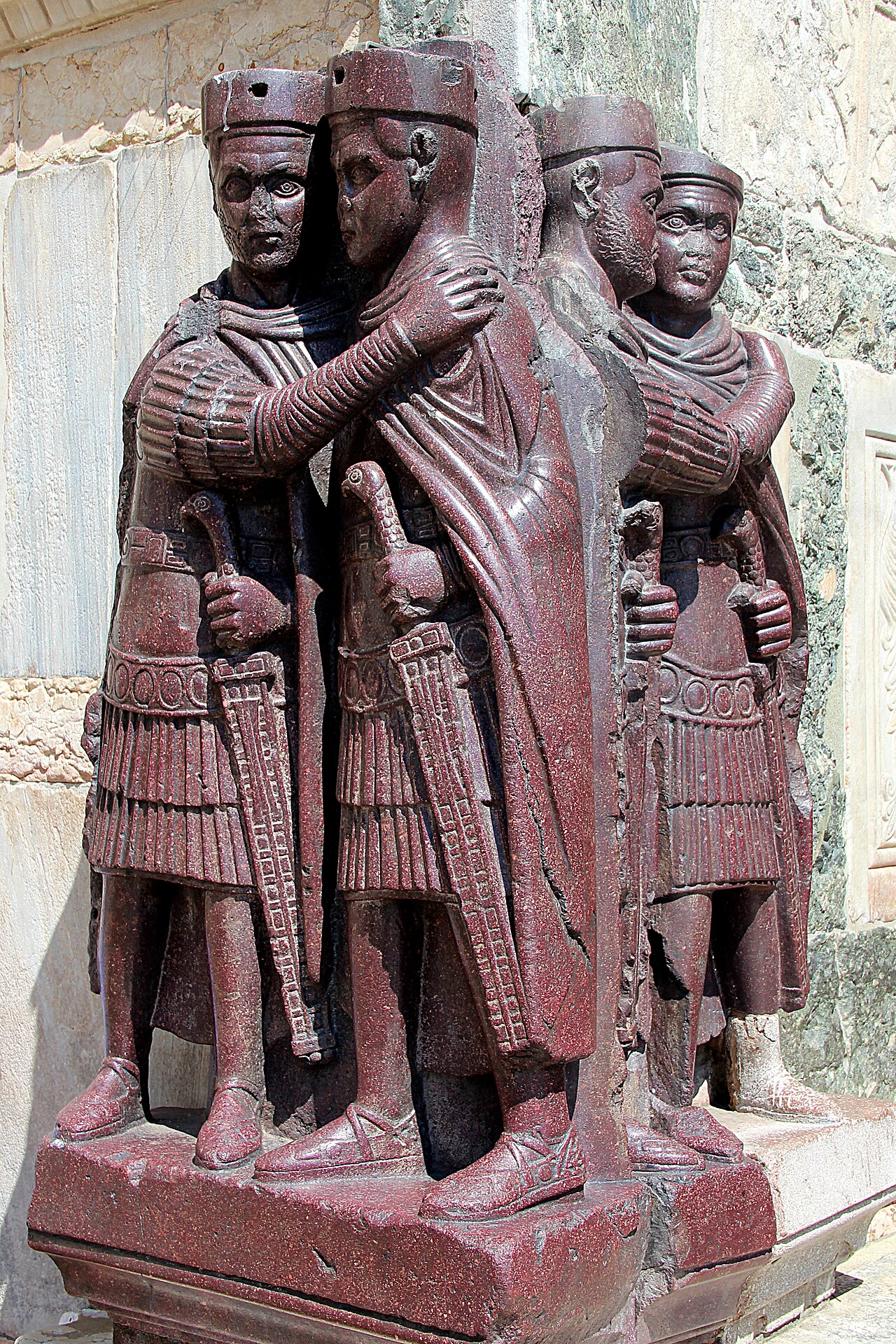
Portrait of the Four Tetrarchs
c. 300 CE
Free account
Read every Diocletian source
Sign up free →
Ready when you are
Start chatting with Diocletian now.
20 messages free · No credit card · Available in 50+ languages.